Few materials carry the emotional resonance of weathered barn wood. These timbers absorbed generations of farm life—summer heat and winter cold, harvest dust and spring rain. Their silver-gray patina and uneven weathering patterns represent decades of honest service. Vintage rustic barnwood style faux ceiling beams capture this beloved character for interior applications, enabling farmhouse atmosphere that genuine barn wood sourcing challenges might otherwise prevent.

The popularity of barn wood in contemporary design reflects broader cultural appreciation for authenticity and history. Consumers increasingly value objects and materials that carry stories—evidence of use and passage of time that mass production cannot replicate. Beams that evoke genuine barn wood provide exactly this character, grounding modern spaces in tangible connection to working agricultural heritage.
The Appeal of Authentic Barn Wood
Genuine barn wood carries markers of its agricultural origins that distinguish it from other reclaimed materials. Exposure patterns reflect how barns sheltered contents from weather—protected surfaces retained original coloration while exposed faces developed characteristic silver-gray. Color gradients across individual boards create visual interest that newly milled wood cannot match.
Structural characteristics add further distinction. Old-growth timber from historic barns often exceeds modern lumber in density and stability despite decades of use. Wood species common in agricultural construction—oak, chestnut, cypress—provided natural durability that contributed to barn longevity. These material qualities translate to aesthetic distinctiveness that contemporary wood alternatives struggle to replicate.
Sourcing genuine barn wood presents practical challenges that limit widespread application. Availability depends on barn demolition or restoration projects that release material unpredictably. Quality varies enormously depending on storage conditions and previous exposure. Cost reflects both scarcity and the labor involved in reclaiming and preparing material. Faux beams that convincingly simulate barn wood resolve these constraints elegantly.
Barnwood Aesthetic Characteristics
Authentic barn wood appearance involves more than gray coloration. Surface erosion softens wood planes, creating tactile variation that invites touch. Checking and small cracks appear as wood cured over decades. Nail holes and other fastening evidence mark previous uses. Grain patterns emerge more distinctly as softer wood wore preferentially.
Quality faux barnwood beams replicate these characteristics through sophisticated manufacturing. Molds taken from genuine barn wood samples capture surface irregularity that simpler texturing misses. Color treatments layer grays, browns, and occasional warmer tones to create authentic patina variation. Individual character marks—occasional deeper weathering, slight color inconsistencies—prevent surfaces from appearing too uniform.
The result satisfies even experienced observers. Contractors installing these beams in upscale farmhouse projects report that clients struggle to identify faux material without close inspection or tactile examination. This convincing performance expands design possibilities considerably.
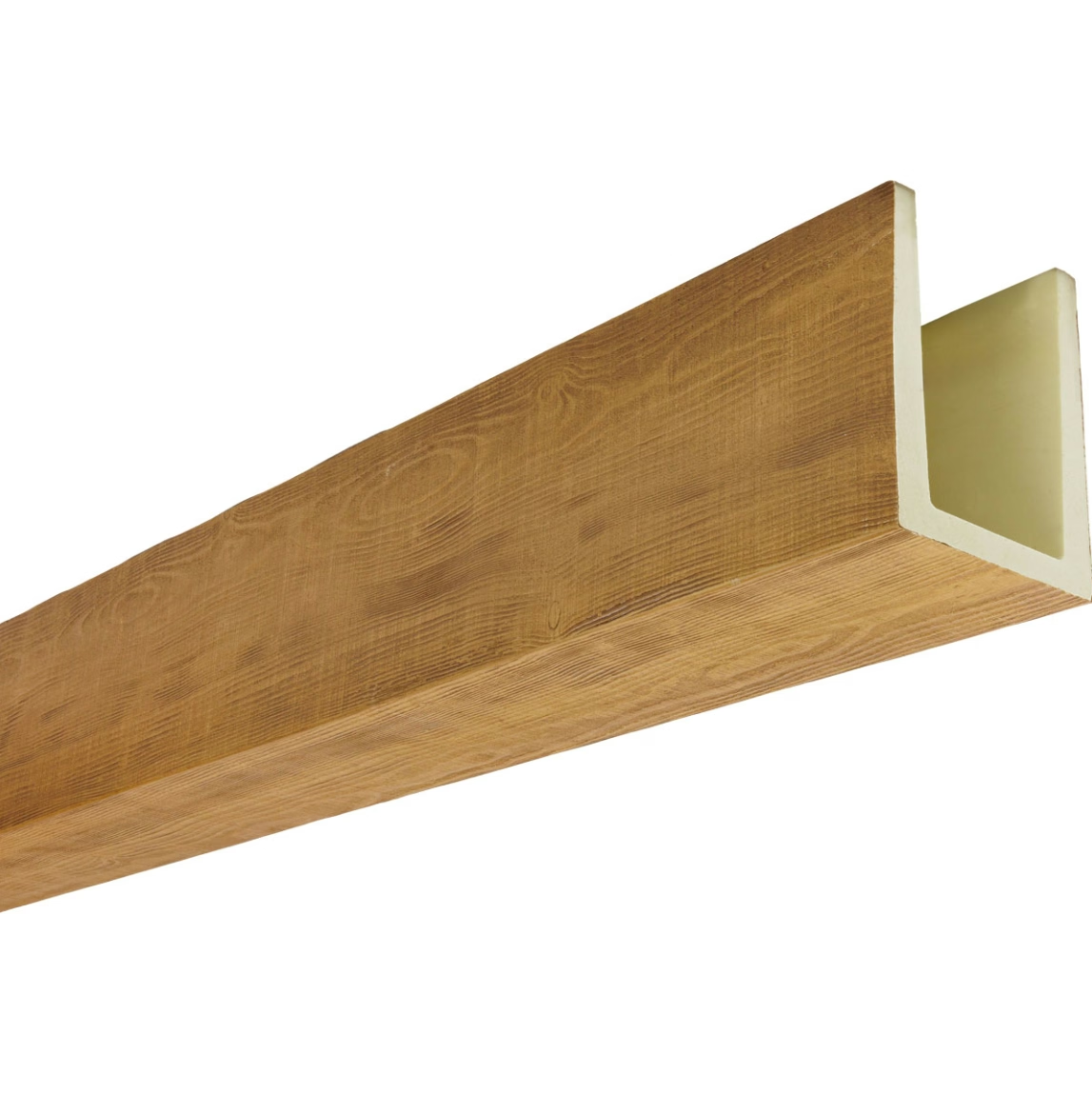
Farmhouse Applications
Kitchen installations represent perhaps the most popular application for barnwood-style beams. The warmth and texture they provide counterbalances modern appliances and sleek surfaces, creating atmosphere that makes kitchens genuinely inviting rather than merely functional.

Dining rooms benefit from barnwood beams that establish gathering atmosphere appropriate to the space's function. Meals shared at family tables benefit from surroundings that feel connected to agricultural heritage—the source of much traditional cuisine. Beams spanning above dining areas create visual focus that organizes furniture arrangement naturally.
Living rooms and family spaces gain cozy character from barnwood treatments. The soft gray coloration creates neutral warmth that complements diverse furnishing styles without dictating specific approaches. This flexibility makes barnwood beams particularly valuable in spaces that might evolve through different decorating phases.
Complementary Design Elements
Barnwood beams pair naturally with numerous complementary materials and finishes. Understanding these relationships helps homeowners create cohesive interiors rather than accumulated features.
Shiplap walls have become nearly synonymous with farmhouse aesthetics, and barnwood beams complement this combination perfectly. Both elements contribute to the casual, layered character that farmhouse design seeks. Installation can integrate beams and shiplap at corners and intersections for unified appearance.
Natural stone and brick surfaces complement barnwood beautifully. The organic texture of weathered wood balances the geometric regularity of masonry, creating visual balance. Fireplace surrounds incorporating both materials create focal points with substantial presence.
Farmhouse lighting fixtures—often featuring mason jar elements, Edison bulbs, or galvanized metal—continue the rustic vocabulary that barnwood beams establish. These fixtures feel intentional rather than arbitrary when surrounding design elements support their aesthetic.
Finish Variation Options
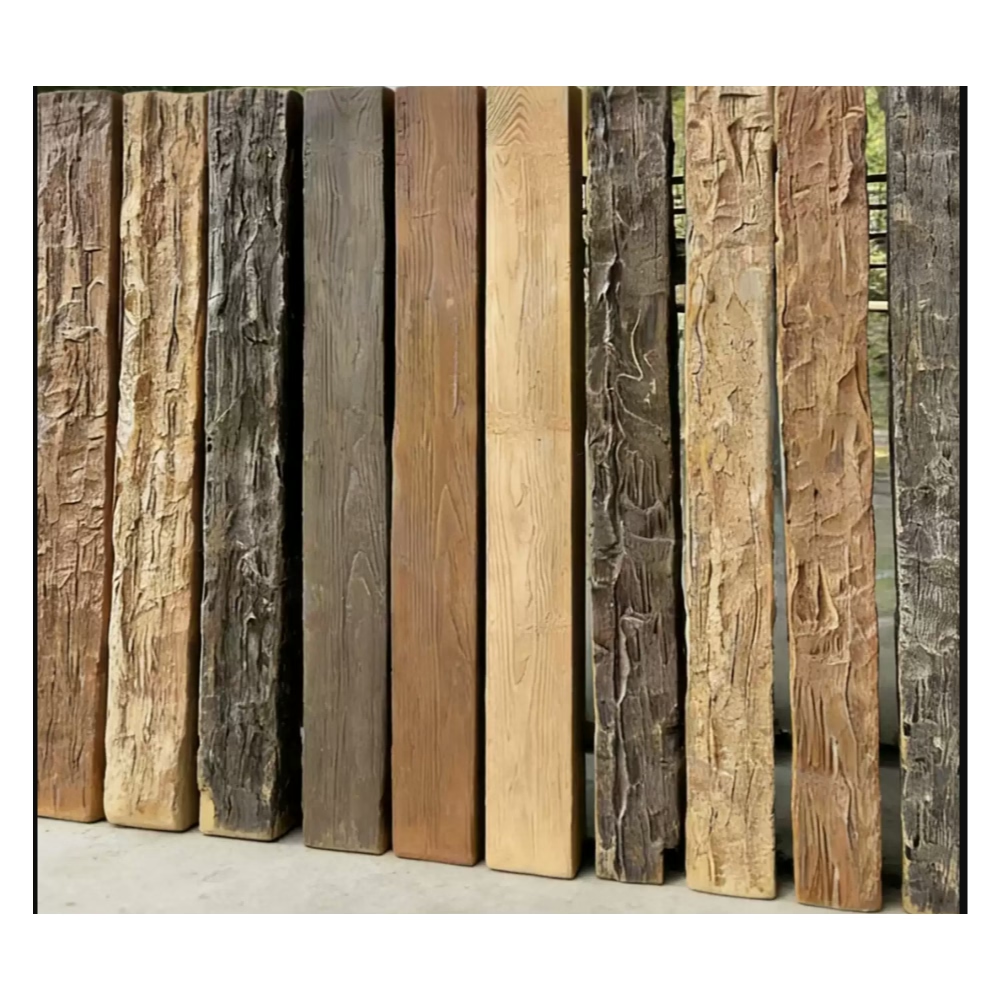
While authentic barn wood typically displays silver-gray coloration, faux alternatives offer finish variation that genuine material cannot provide. This flexibility enables tailored aesthetic matching to specific design schemes.
Classic gray barnwood finishes replicate the most recognizable barn wood appearance. These treatments work well in bright spaces where lighter coloration prevents heaviness. The neutral gray provides backdrop that diverse furnishing colors complement.
Warmer brown-gray tones create slightly more rustic appearance for spaces seeking stronger wood character. These finishes maintain barn wood's essential character while introducing warmth that pure gray might lack. The approach suits north-facing rooms or spaces with darker wall treatments.
Whitewashed barnwood finishes lighten overall appearance for cottage or coastal farmhouse aesthetics. These treatments maintain barn wood's essential texture while brightening spaces considerably. The combination of weathered texture and light coloration creates uniquely appealing character.
Installation Practicalities
Barnwood-style faux beams install using standard bracket systems that accommodate standard ceiling construction. The process requires minimal specialized equipment and typically completes within a day for moderate installations.
Weight considerations favor faux over genuine barn wood substantially. Real barn timbers of meaningful size require structural support that standard construction might not provide. Faux alternatives weigh a fraction of wood equivalents, mounting on bracket systems that typical ceiling framing accommodates.
Accessibility presents additional advantages for retrofit installations. Genuine barn timbers arriving at job sites intact require clear access routes and handling equipment proportional to their mass. Faux beams arrive in manageable pieces that pass through standard doorways and can be positioned by single installers with minimal assistance.
Explore our vintage rustic barnwood style faux ceiling beam collection featuring authentic weathering simulation. Multiple finishes and profiles available to achieve genuine farmhouse atmosphere in your home.
Technical References
ASTM standards cited in every specification
Test Data
Lab results from internal testing program
Updated 2026
Reviewed against current product specs


