Professional interior designers understand that memorable spaces rarely achieve their impact through single dramatic gestures. Instead, successful design emerges from layered details that reward close observation—materials that suggest quality, proportions that feel naturally right, textures that invite touch. Vintage rustic PU faux beams contribute exactly these qualities to interior styling, providing architectural interest that elevates ordinary rooms into designed spaces.

The designer's toolkit includes numerous elements that create successful interiors, from furniture selection to color coordination, lighting design to textile layering. Beams occupy a distinctive position within this toolkit—their architectural presence provides foundation upon which other elements build. When beams succeed, they create framework that makes subsequent styling choices feel intentional rather than arbitrary.
Architectural Foundation Principles
Successful interior styling begins with architectural understanding. The bones of a space—the ceiling height, window placement, structural elements—establish possibilities and constraints that subsequent choices must respect. Beams that acknowledge and enhance architectural character create stronger results than beams that compete with existing structure.
Ceiling height significantly influences appropriate beam selection. High ceilings can accommodate substantial beam profiles that create visual anchoring. Standard eight-foot ceilings require more modest sizing that maintains appropriate proportions. Matching beam scale to architectural context ensures harmonious results.
Existing structural elements suggest beam integration strategies. Exposed joists might inspire matching beam profiles that create visual continuity. Rooms with dominant horizontal lines benefit from beams that reinforce this orientation. Reading architectural cues and responding appropriately distinguishes professional results from amateur attempts.
Creating Visual Interest Through Layering
Interior styling achieves depth through careful layering of elements at different scales. Large elements—furniture silhouettes, rug patterns, window treatments—establish overall character. Medium elements—accessories, lighting fixtures, artwork—provide visual texture. Small details—hardware, decorative objects, textile textures—reward close observation.
Beams function as large-scale architectural layer that frames subsequent styling choices. Their presence influences how everything beneath them is perceived. Warm wood tones in beams make warm colors throughout the room feel intentional. Textured beam surfaces create backdrop that makes textural variety throughout the room seem coherent.
Scale relationships between beams and other elements require thoughtful attention. Substantial furniture pieces can support substantial beams without competition. Delicate furnishings beneath heavy beams may feel overwhelmed rather than enhanced. Achieving visual balance requires considering how beam mass relates to everything in the space.
Styling Around Beam Installations
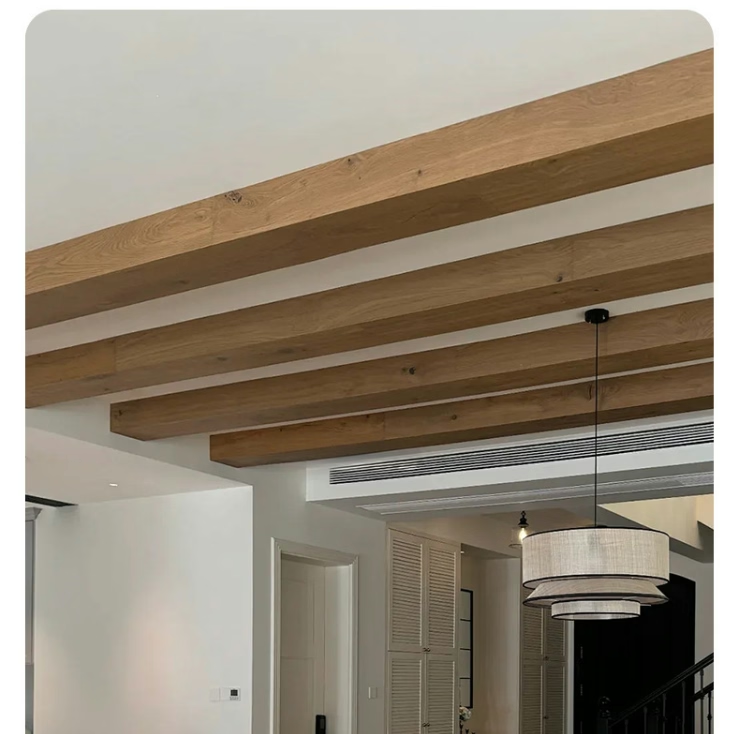
Furniture arrangement responds to beam placement significantly. Beams create natural gathering points—areas beneath or adjacent to beams feel naturally suited for conversation and relaxation. Arranging seating to acknowledge beam positions creates rooms that feel organized rather than arbitrary.

Lighting placement integrates with beam installations to create cohesive results. Fixtures mounted to beams—hanging pendants, surface-mounted lanterns, directional spots—create relationships that feel designed rather than afterthought. The beam becomes mounting location and design element simultaneously.
Artwork and mirrors hung near beams require consideration of visual relationships. Pieces that echo beam coloration or texture create harmony. Contrasting elements create visual tension that may or may not serve overall design intentions. Thinking about these relationships consciously produces more successful results.
Color Coordination Strategies
Beam coloration must coordinate with surrounding surfaces to create cohesive interiors. Wall color, floor color, and beam color all interact visually, creating relationships that either support or undermine design intentions.
Neutral wall colors provide flexible backdrop that beams of various tones complement effectively. White, cream, and light gray walls allow beam color to become room accent without overwhelming. This approach suits spaces where other elements—upholstery, artwork, area rugs—provide color variety.
Darker wall colors require more careful beam selection. Strong beam coloration on dark walls can create heaviness that makes spaces feel smaller than dimensions suggest. Lighter beam finishes on dark walls provide contrast that maintains spaciousness while adding warmth.
Accessory Selection for Rustic Context
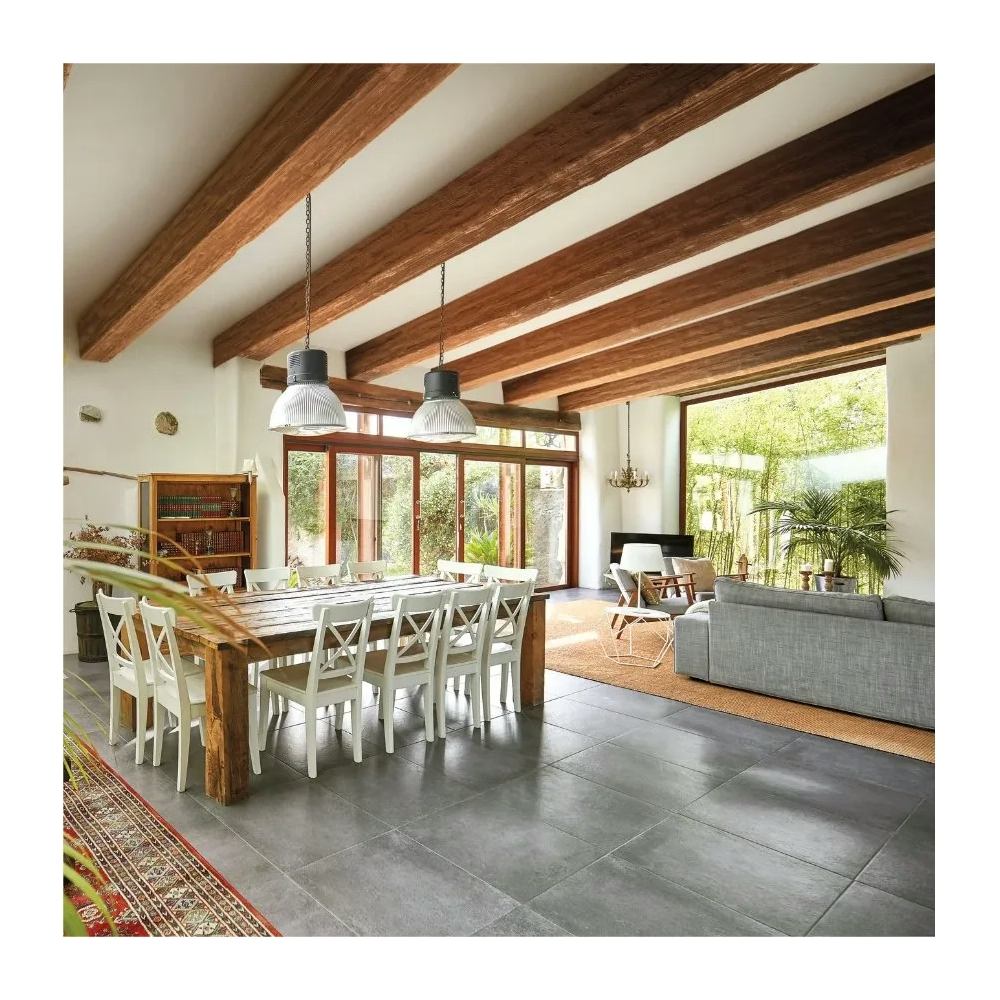
Accessories complete interior styling by adding personal character to architectural framework. Pieces selected for rustically styled rooms should honor the warmth and texture that beams establish.
Natural materials—stone, ceramic, natural fiber textiles—continue the organic vocabulary that beams introduce. These materials feel authentic rather than contradictory when surrounding beams establish rustic context.
Metallic accents should consider beam coloration for effective integration. Warm metals—copper, brass, antique bronze—complement amber and honey-toned beams beautifully. Cooler metals—chrome, nickel, stainless steel—work better with gray or neutral-toned beam finishes.
Vintage and antique accessories align naturally with vintage beam aesthetics. The aged character that beams provide creates permission for similar qualities throughout the room. Thrifted finds, estate sale discoveries, and family heirlooms all feel appropriate in rustic contexts.
Professional Design Thinking
Interior styling benefits from systematic thinking that professional designers apply deliberately. Rather than selecting pieces individually, successful styling considers how everything works together as system.
Functionality must remain central concern despite aesthetic ambitions. Rooms that look beautiful but fail functionally disappoint their inhabitants over time. Beam installations should enhance rather than compromise practical activities the space serves.
Browse our vintage rustic PU faux beam collection featuring designer-quality aesthetics for professional interior styling. Multiple finishes and profiles available to elevate your space with authentic rustic character.
Technical References
ASTM standards cited in every specification
Test Data
Lab results from internal testing program
Updated 2026
Reviewed against current product specs


