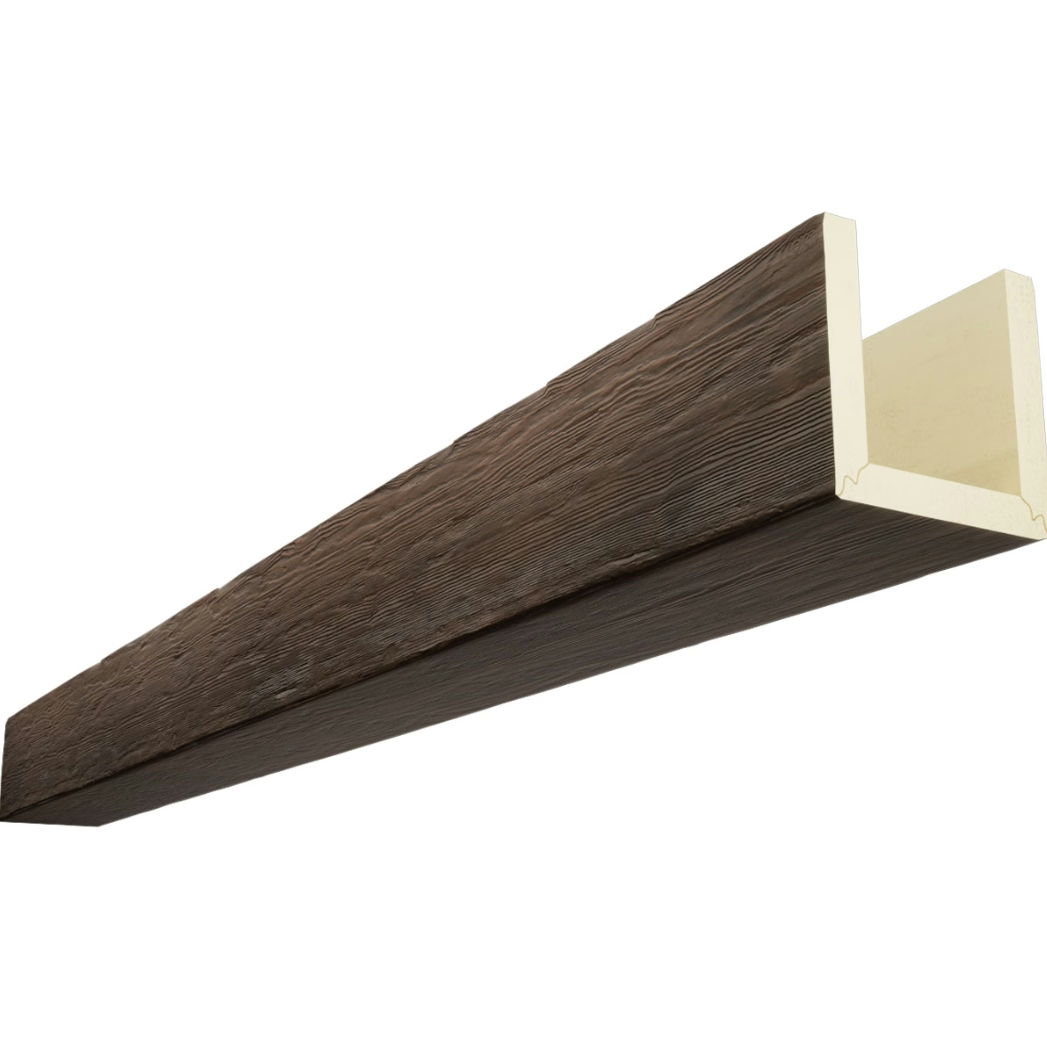
Salvaged lumber carries history in its grain—stories of the buildings that housed it, the hands that worked it, the decades that transformed its surface. This accumulated character has made salvaged timber increasingly prized in design circles, where authenticity and narrative resonance outweigh convenience. Vintage salvaged lumber look texture faux wood ceiling beams capture these qualities, providing authentic reclaimed appearance without the logistical challenges and quality inconsistencies that genuine salvaged material presents.

The distinction between genuinely salvaged and convincingly simulated salvaged lumber has narrowed considerably as manufacturing techniques have advanced. Contemporary faux beams replicate weathering patterns, color gradients, and surface irregularities with remarkable fidelity. For most applications, the visual experience proves indistinguishable, while practical advantages remain substantial.
Understanding Salvaged Lumber Character
Genuine salvaged lumber develops distinctive appearance through use, exposure, and the passage of time. Surface erosion softens wood planes, creating tactile variation that invites exploration. Color transitions from original tones toward silver-gray and amber patinas that suggest deep age. Fastening evidence—nail holes, mortise pockets, saw kerfs—marks previous applications and uses.
The aging process produces results that vary unpredictably. No two salvaged boards age identically, even when exposed to similar conditions. This variation creates visual richness that uniform materials cannot match, but it also complicates design consistency and procurement.
Faux beam manufacturing captures authentic variation through sophisticated molding and finishing processes. Surface textures incorporate irregularities that suggest genuine weathering rather than manufactured simulation. Color treatments layer tones to create depth that casual observation cannot penetrate. The result provides visual complexity that satisfies discerning observers.
Manufacturing Authentic Texture
Quality salvaged-look faux beams begin with detailed molds extracted from genuine salvaged samples. This process captures subtle surface characteristics that distinguish authentic aging from mere surface treatment—the depth of checking, the orientation of weathering patterns, the specific texture left by different exposure conditions.
Secondary finishing processes add individual character that prevents surfaces from appearing too uniform. Occasional deeper weathering marks, slight color inconsistencies, and subtle texture variations create the natural variety that genuine salvaged wood displays. This attention to detail distinguishes quality faux products from cheaper alternatives.
The weight of authenticity emerges from these accumulated details. Spaces featuring salvaged-look beams develop the warmth and character that distinguishes intentional design from generic decoration. Visitors respond to this atmosphere without necessarily identifying its source—the emotional impact operates regardless of material authenticity awareness.
Applications for Rustic Ceiling Design
Ceiling installations provide ideal applications for salvaged-look beams. The elevated position shows off beam character while keeping surfaces from accumulating the touch-related wear that floor or furniture applications would demand.
Great rooms benefit significantly from ceiling beam treatment that establishes architectural presence. The scale of these spaces demands substantial visual elements—beams provide exactly this presence while introducing warmth that balances large window areas and open sight lines.
Dining rooms gain gathering atmosphere from overhead beam installations. The visual anchor beams create helps dining function feel significant rather than routine. Family meals shared beneath salvaged-look beams develop associations with comfort and belonging that support lasting memories.

Finishing for Specific Atmospheres
Salvaged-look faux beams accept various finishing approaches that extend design flexibility. While authentic salvaged lumber offers whatever finish time and exposure provided, faux alternatives can target specific aesthetic outcomes.
Classic silver-gray finishes replicate the most recognizable salvaged appearance. These treatments work across diverse design contexts, complementing both neutral palettes and more adventurous color schemes. The weathered character provides visual interest without demanding attention.
Warm amber and honey tones create more rustic appearance that some designers prefer. These finishes suggest earlier stages of the aging process—beautiful but not yet fully weathered. The approach suits spaces seeking warmth that cooler grays might lack.
Installation Advantages
The practical advantages of faux over genuine salvaged timber begin with availability. Salvaged material appears unpredictably, depending on demolition schedules and recovery operations. Faux beams ship from inventory consistently, enabling project scheduling that salvaged procurement cannot support.
Quality consistency represents another significant advantage. Salvaged lumber varies considerably in dimensions, condition, and appearance. While some designers embrace this variation, most prefer the predictable consistency that manufacturing provides. Faux beams offer uniform sizing and controlled appearance variation.
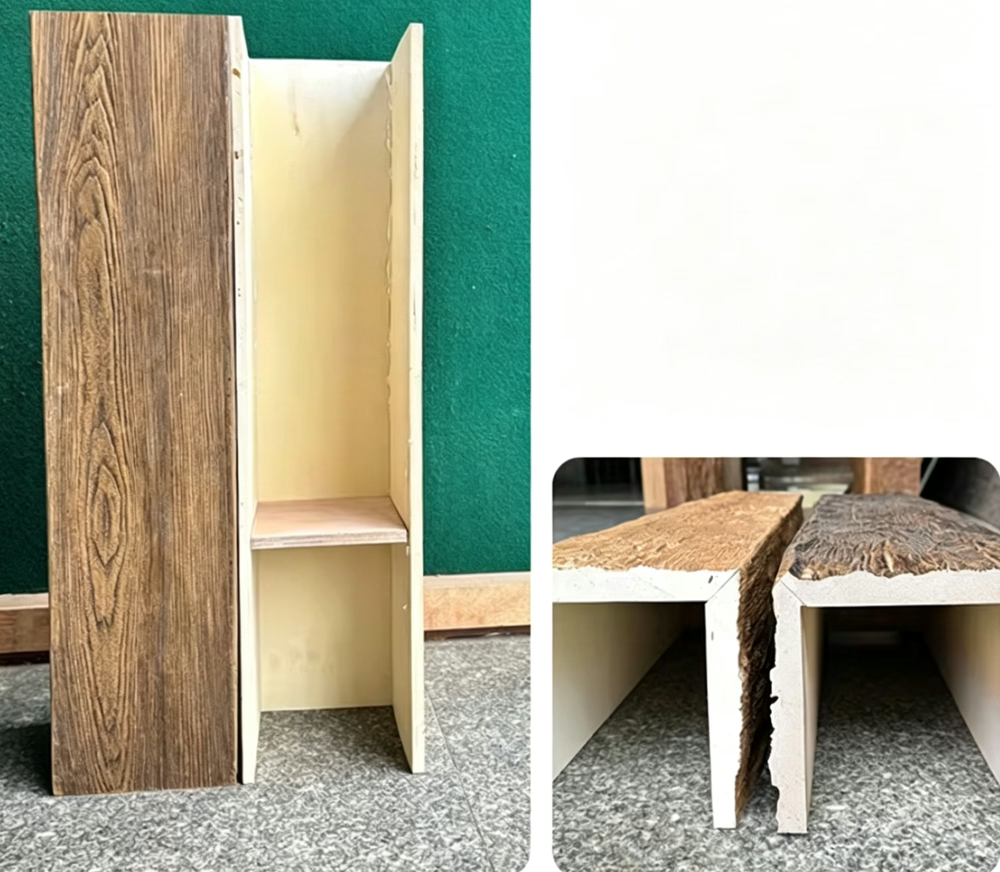
Weight and handling simplify logistics considerably. Genuine salvaged timbers often require heavy equipment for transport and installation. Faux alternatives arrive in manageable pieces that pass through standard openings and position with minimal assistance.
Long-Term Performance
Faux salvaged-look beams maintain appearance indefinitely with minimal maintenance. Unlike genuine salvaged timber that may require refinishing or protective treatment to prevent further deterioration, quality faux alternatives remain stable through environmental conditions that would challenge real wood.
Moisture resistance proves particularly valuable. Salvaged timber often carries latent damage from previous exposure—drying and rewetting cycles that compromise structural integrity. Faux beams resist moisture entirely, eliminating concerns about rot, mold, or insect damage that affect genuine wood.
Explore our vintage salvaged lumber look texture faux wood ceiling beam collection featuring authentic character simulation. Multiple finishes and profiles available for rustic ceiling applications throughout your home.
Technical References
ASTM standards cited in every specification
Test Data
Lab results from internal testing program
Updated 2026
Reviewed against current product specs


