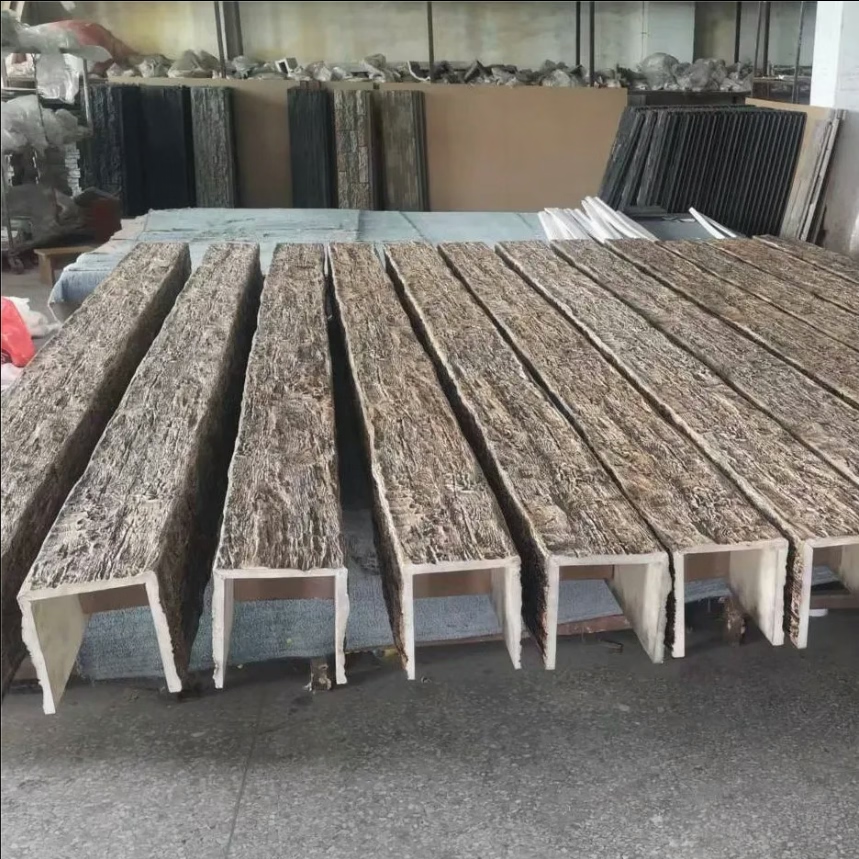
Interior design gains depth when it layers references rather than relying on single stylistic statements. Rooms that combine elements from different periods and sources feel collected rather than purchased, developed rather than decorated. Vintage wallpaper patterns paired with rustic faux wood beams exemplify this layered approach—the organic texture of aged timber grounding the graphic repetition of printed patterns. Together, these elements create spaces with genuine personality that generic décor cannot achieve.

The resurgence of wallpaper in contemporary interiors reflects broader appetite for pattern and personality after decades of minimalism's dominance. Modern printing techniques produce papers with remarkable visual richness, while historical patterns from archival collections offer authentic vintage alternatives. Understanding how to combine these patterns with architectural elements like beams distinguishes sophisticated design from amateur pattern matching.
Understanding Pattern Relationships
Successful wallpaper and beam combinations require understanding how patterns interact. Scale, repetition, and visual weight all influence whether elements complement or compete.
Large-scale wallpaper patterns demand substantial architectural elements to balance their visual presence. Beams provide exactly this balance—substantial wooden elements that ground flighty pattern without overwhelming it. The relationship works best when beam coloration echoes dominant colors within the wallpaper pattern.
Small-scale patterns can handle more delicate beam treatment. Subtle textures and lighter coloration complement intricate patterns without creating visual confusion. The goal involves supporting pattern without competing for attention.
Selecting Complementary Color Palettes
Color relationships between wallpaper and beams significantly influence design success. Harmonious palettes create cohesive rooms while contrasting combinations generate visual excitement that some designers embrace.
Monochromatic approaches use variations of a single color throughout—cream walls with honey-toned beams, gray papers with driftwood beams, sage rooms with mossy wood. This restraint creates sophisticated results that feel intentional rather than accidental.
Complementary color schemes introduce related hues that create visual interest without harsh contrast. Warm-toned papers with amber beams, cool papers with gray beams—these combinations feel considered rather than arbitrary. The approach requires understanding color theory relationships but rewards careful application.
Historical Pattern Considerations
Vintage wallpaper patterns carry design associations that inform appropriate beam pairing. Understanding these references helps create authentic rather than arbitrary combinations.
Arts and Crafts movement papers—featuring stylized florals, geometric patterns, and handcrafted aesthetics—pair naturally with beams that suggest honest construction and natural materials. The relationship feels historically grounded rather than coincidental.
Mid-century modern papers—featuring atomic motifs, boomerang shapes, and optimistic color combinations—work with beams that offer clean lines and restrained character. This combination extends period aesthetics into contemporary contexts.
Victorian and Edwardian revival papers—often featuring large-scale florals, damask patterns, and rich coloration—require beams with substantial presence that matches their visual weight. Smaller or lighter beams would appear inadequate beside these dramatic papers.

Practical Installation Sequencing
Coordinating wallpaper and beam installation requires logical sequencing that prevents damage and ensures clean results. The order matters more than casual consideration might suggest.
wallpaper installation before beam mounting allows clean edges at beam perimeters. Paper can tuck beneath beam ends, creating clean lines that conceal rough cuts or imperfect edges. This approach requires careful measurement to ensure beam placement doesn't bisect pattern elements awkwardly.
Beam installation before wallpaper allows paper to run continuously to corners, with beams mounting over finished paper. This approach protects paper edges from handling but requires careful cutting around beam perimeters. The technique works best when beam ends align with corner locations rather than mid-wall.
Furniture and Accessory Coordination
Successful layered interiors require furniture and accessories that honor rather than conflict with the wallpaper-beam combination. Understanding these relationships creates coherent final results.
Solid-color upholstery provides rest for eyes that pattern and texture have stimulated. Sofas and chairs in neutral tones balance wallpaper energy without introducing additional pattern confusion. Texture in upholstery—linen, velvet, natural leather—adds interest without competing visually.
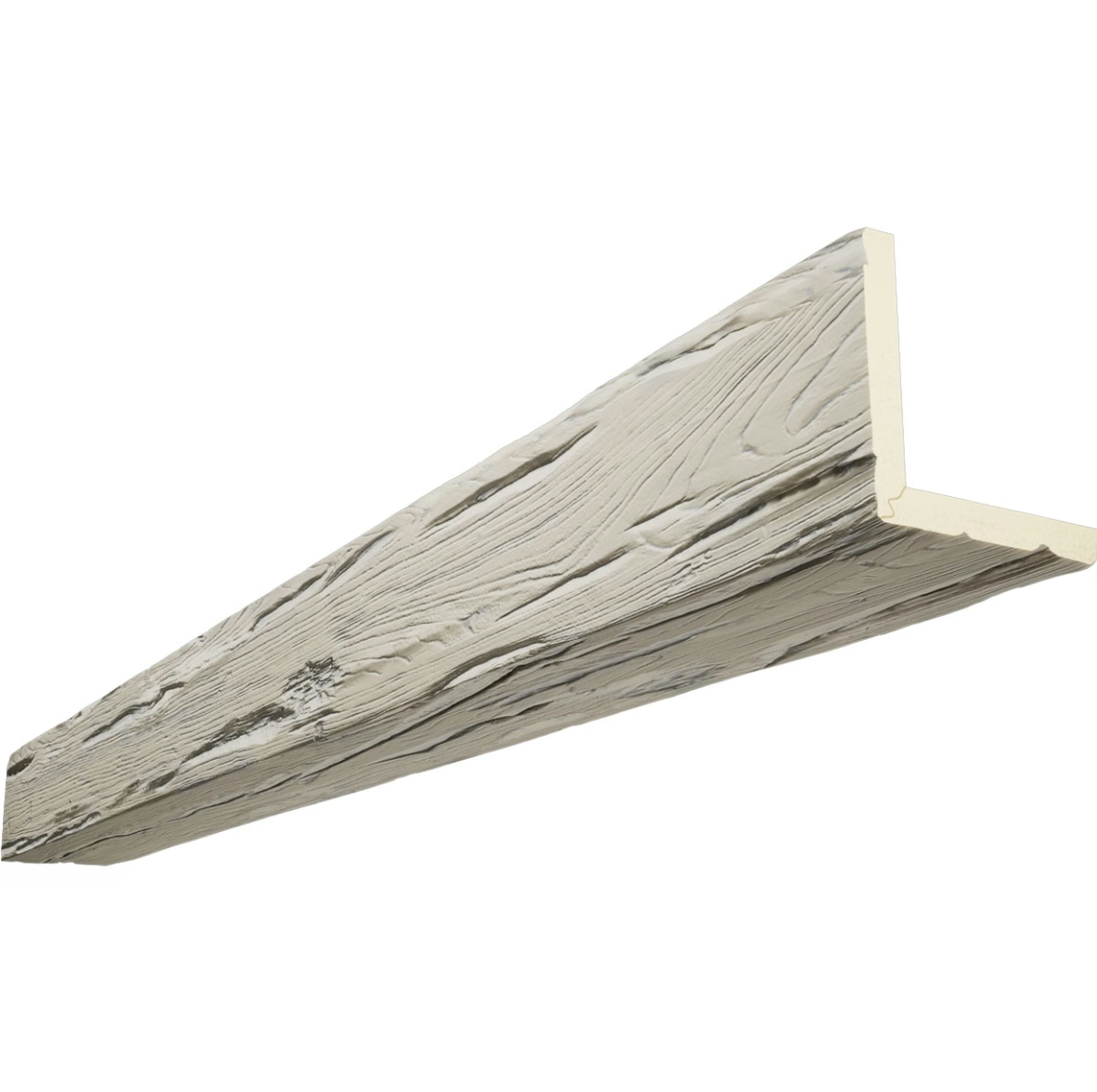
Wood furniture tones should relate to beam coloration meaningfully. Pieces that echo beam color create visual connections that tie room elements together. Mismatched wood tones create confusion that undermines the cohesive character layered design seeks.
Lighting Considerations
Lighting affects both wallpaper and beams significantly, creating opportunities for enhancement that thoughtful design exploits.
Natural light reveals wallpaper pattern detail and color variation that artificial light cannot match. Rooms with abundant windows can display paper qualities that darker spaces hide. Beam coloration appears warmer in natural light, influencing finish selection for sun-exposed installations.
Artificial lighting should enhance rather than distort. Warm-toned bulbs complement wood beams beautifully while reducing the potentially harsh effect of cool light on paper patterns. Dimming capability allows atmosphere adjustment for different occasions and times of day.
Explore our vintage wallpaper room styling collection featuring rustic faux wood beams designed to complement historical patterns and layered interior aesthetics. Multiple finishes and profiles available for sophisticated room design.
Technical References
ASTM standards cited in every specification
Test Data
Lab results from internal testing program
Updated 2026
Reviewed against current product specs


