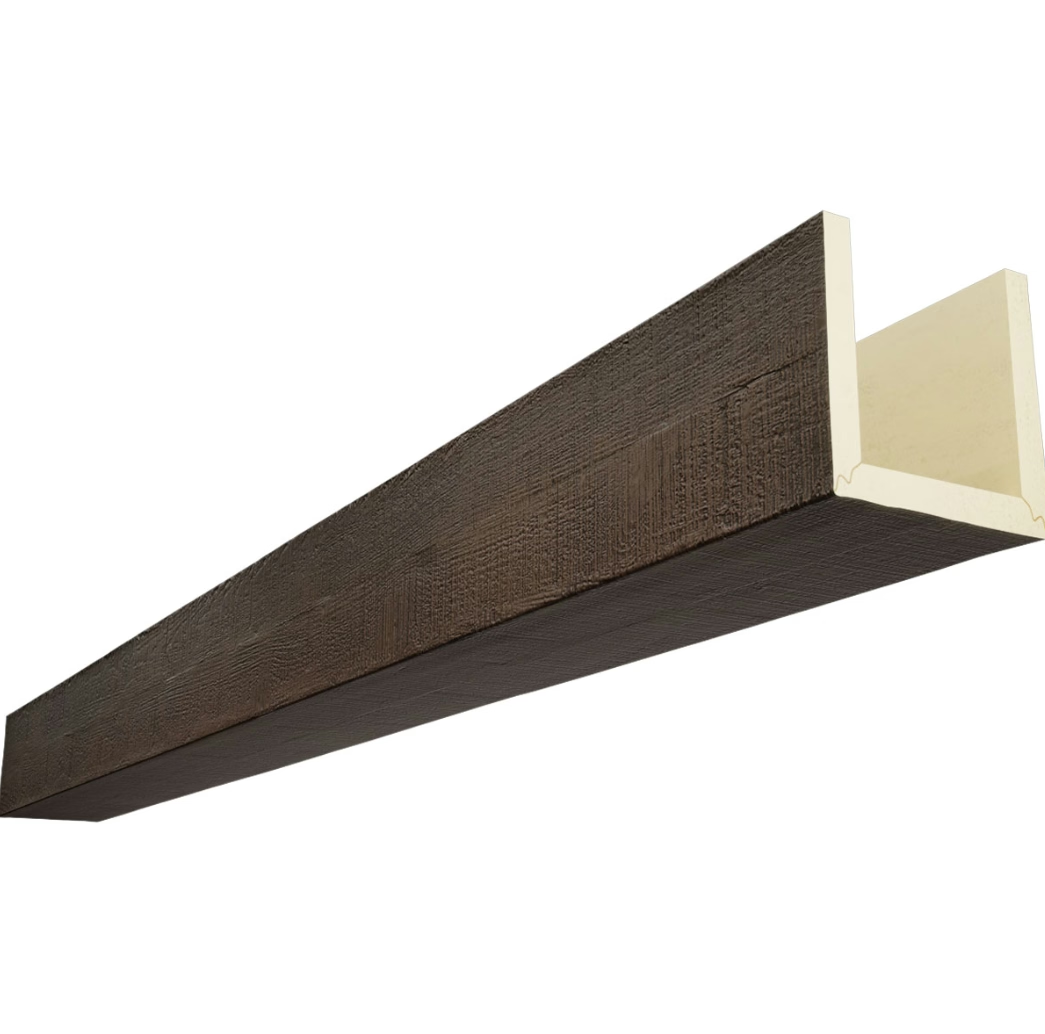
Weathered timber speaks in a visual language that transcends trends and fashion—its silver tones and textured surfaces communicate age, endurance, and the patient passage of seasons. This aesthetic has captivated designers and homeowners for generations, finding application across diverse style contexts from cabin retreats to urban lofts. Vintage weathered faux wood ceiling beams capture this enduring appeal, providing convincing weathered appearance without the practical limitations that genuine aged timber presents.

The appeal of weathered materials connects to deeper currents in contemporary culture—a longing for authenticity, craftsmanship, and connection to tangible history. Mass production creates surfaces that appear instantly, without the patient accumulation of character that weathering represents. Beams that suggest genuine aging provide this connection without requiring decades of patient waiting or the sourcing challenges of finding authentic weathered timber.
The Science and Art of Weathering
Genuine weathering involves complex chemical and physical processes that transform wood appearance over extended periods. UV radiation breaks down surface lignin, the binding material that holds wood fibers together. Moisture cycles accelerate this degradation while promoting fungal growth that creates gray coloration. Physical erosion from wind, rain, and handling removes softened material, deepening texture progressively.
Understanding these processes allows quality manufacturers to simulate weathering convincingly. Rather than merely painting surfaces gray, sophisticated treatment replicates the layered characteristics that genuine aging produces—the silver tones on exposed faces, the darker shadows in crevices, the subtle color variation that suggests non-uniform exposure.
The depth of authentic weathering extends beyond surface appearance. Genuinely aged wood shows color throughout its thickness, not merely as surface coating. Quality faux beams incorporate this depth through colorants that penetrate the material rather than coating only the surface. The result resists wear that would expose artificial underlayers.
Creating Authentic Rustic Atmosphere
Rustic home decor depends significantly on materials that suggest genuine history rather than manufactured simulation. Weathered beams contribute this authenticity by providing visual complexity that simpler surfaces cannot achieve.
Light interaction with weathered surfaces creates dynamic visual interest that changes throughout the day. Morning light rakes across textured surfaces, revealing depth that midday overhead lighting conceals. Evening illumination brings out warmth hidden in shadowed areas. This variation keeps spaces feeling alive rather than static.
The neutral coloration of weathered wood provides remarkable versatility in decor applications. Unlike strongly colored wood tones that dictate surrounding palettes, weathered beams accommodate diverse color schemes without clashing. This flexibility makes them valuable investments for homeowners who value design flexibility.
Applications Across Rustic Contexts
Cabin and lodge interiors provide natural applications for weathered beam treatment. These spaces often feature other rustic elements—stone fireplaces, leather furnishings, natural fiber textiles—and weathered beams contribute appropriately to cohesive rustic atmosphere.
Farmhouse and country homes benefit similarly from weathered beam installations. The casual elegance of aged wood aligns with farmhouse values that celebrate honest materials and practical beauty. Beams installed in these contexts feel indigenous rather than added.
Urban loft conversions frequently incorporate weathered beam elements that reference industrial heritage. The aesthetic works particularly well in spaces converted from commercial or manufacturing buildings, where beams suggest continuity with previous uses. Even in new construction, weathered beams add the kind of layered history that makes loft living attractive.
Scale and Proportion Considerations
Successful weathered beam installations require attention to scale that ensures proportional harmony. The visual weight of heavily weathered beams demands adequate representation—undersized beams appear trivial rather than rustic.
Ceiling height provides primary scale guidance. Vaulted ceilings with substantial height accommodate larger beam profiles without overwhelming the space. Standard eight-foot ceilings require more modest sizing that maintains appropriate visual balance.
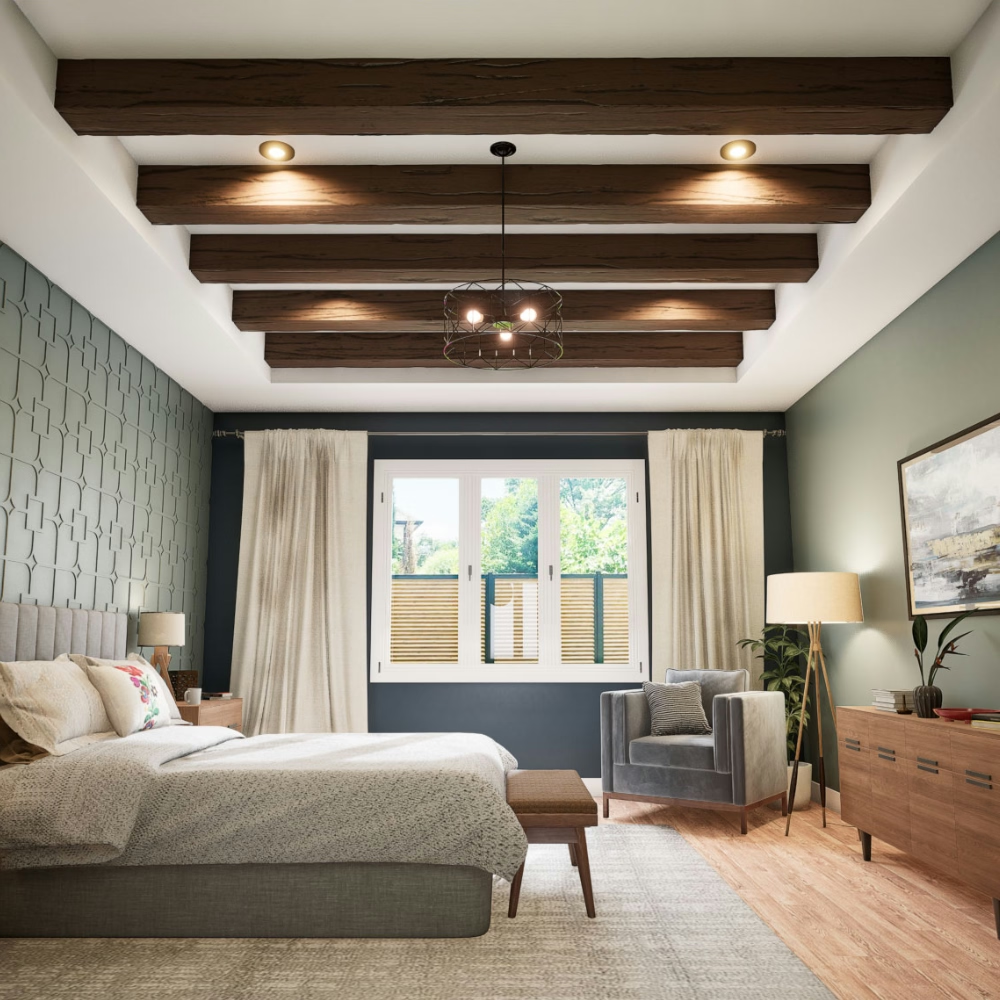
Room function influences scale decisions as well. Kitchens and living areas—spaces designed for gathering—benefit from beam presence that creates gathering atmosphere. Bedrooms and more intimate spaces may require reduced beam scale that maintains comfort rather than dominance.
Finishing Considerations
While weathered appearance represents one specific aesthetic, faux beam manufacturing enables various finish approaches that extend design possibilities.
Classic silver-gray weathered finishes provide the most recognizable appearance. These treatments work across diverse contexts, offering neutral warmth that complements rather than dominates surrounding colors. The approach suits spaces seeking rustic character without strong coloration.
Warmer weathered tones introduce subtle brown and amber undertones that some designers prefer. These finishes suggest earlier stages of the aging process—beautifully weathered but not yet fully silvered. The warmth proves particularly valuable in north-facing rooms or spaces with cooler color schemes.
Pairing with Complementary Materials
Weathered beams establish relationships with surrounding materials that thoughtful design should acknowledge. The neutral wood tones create connections with diverse materials, but some combinations prove more successful than others.
Natural stone complements weathered wood beautifully—the organic texture of stone balances wood texture while its substantial weight complements beam presence. Fireplace surrounds incorporating both materials create focal points with enduring appeal.
Brick surfaces in red or brown tones pair effectively with gray-weathered beams. The combination suggests authentic industrial heritage, particularly in converted spaces. Whitewashed brick allows beams to dominate while maintaining textural interest.
Natural textiles—linen, cotton, wool, leather—continue the organic vocabulary that weathered beams establish. These materials feel authentic in rustic contexts rather than contradictory. Metal accents should consider appropriate finish—matte black or raw steel aligns with weathered aesthetics better than polished chrome.
Long-Term Value Proposition
Weathered faux beams provide exceptional long-term value compared to genuine weathered timber. Initial costs favor synthetic alternatives substantially, while maintenance requirements remain minimal throughout ownership.
Genuine weathered timber may continue deteriorating after installation—surface erosion progresses, checking deepens, and eventual replacement may become necessary. Quality faux beams remain stable indefinitely, maintaining appearance without intervention.
The investment quality weathered beams represent extends beyond mere economics. Spaces featuring these elements develop the kind of layered character that makes homes feel genuinely inhabited rather than merely occupied. This atmosphere supports wellbeing and connection that justifies the investment regardless of resale considerations.
Browse our vintage weathered faux wood ceiling beam collection featuring authentic aging simulation for rustic home decor applications. Multiple finishes and profiles available to bring timeless weathered beauty to your living spaces.
Technical References
ASTM standards cited in every specification
Test Data
Lab results from internal testing program
Updated 2026
Reviewed against current product specs


