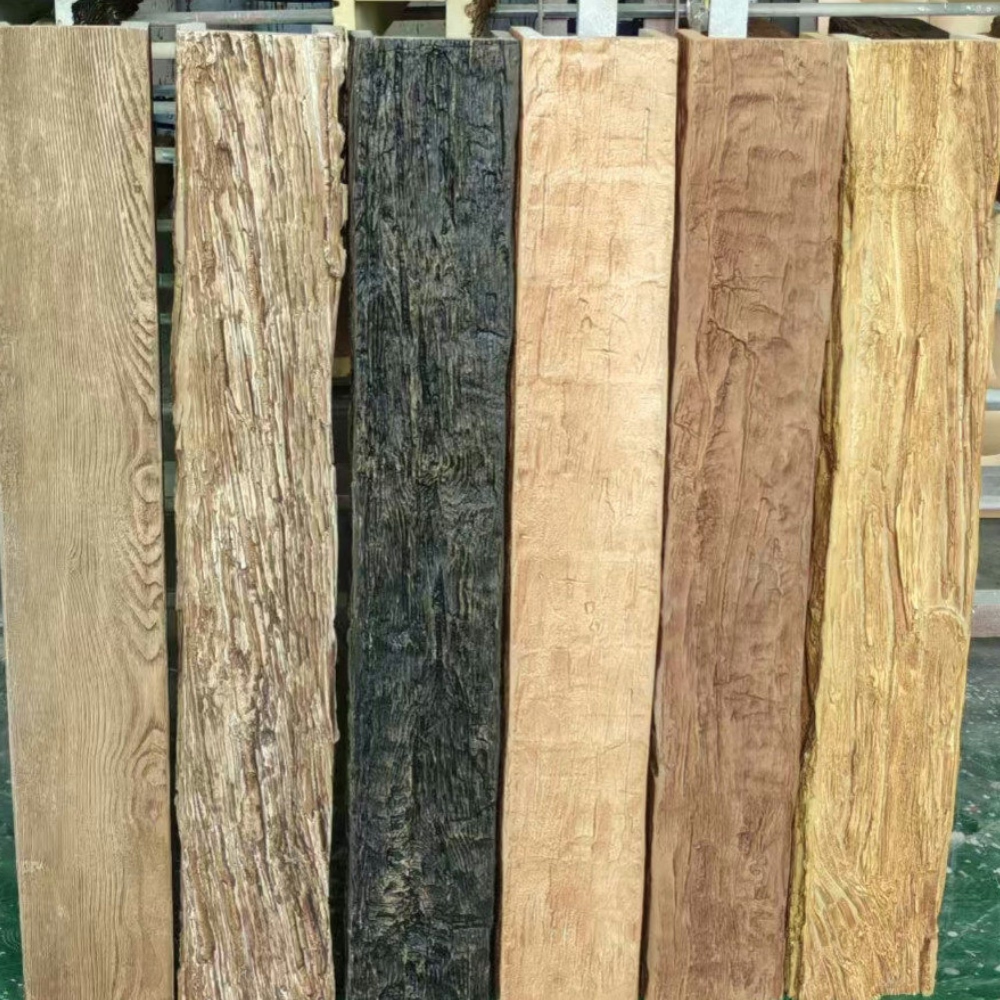
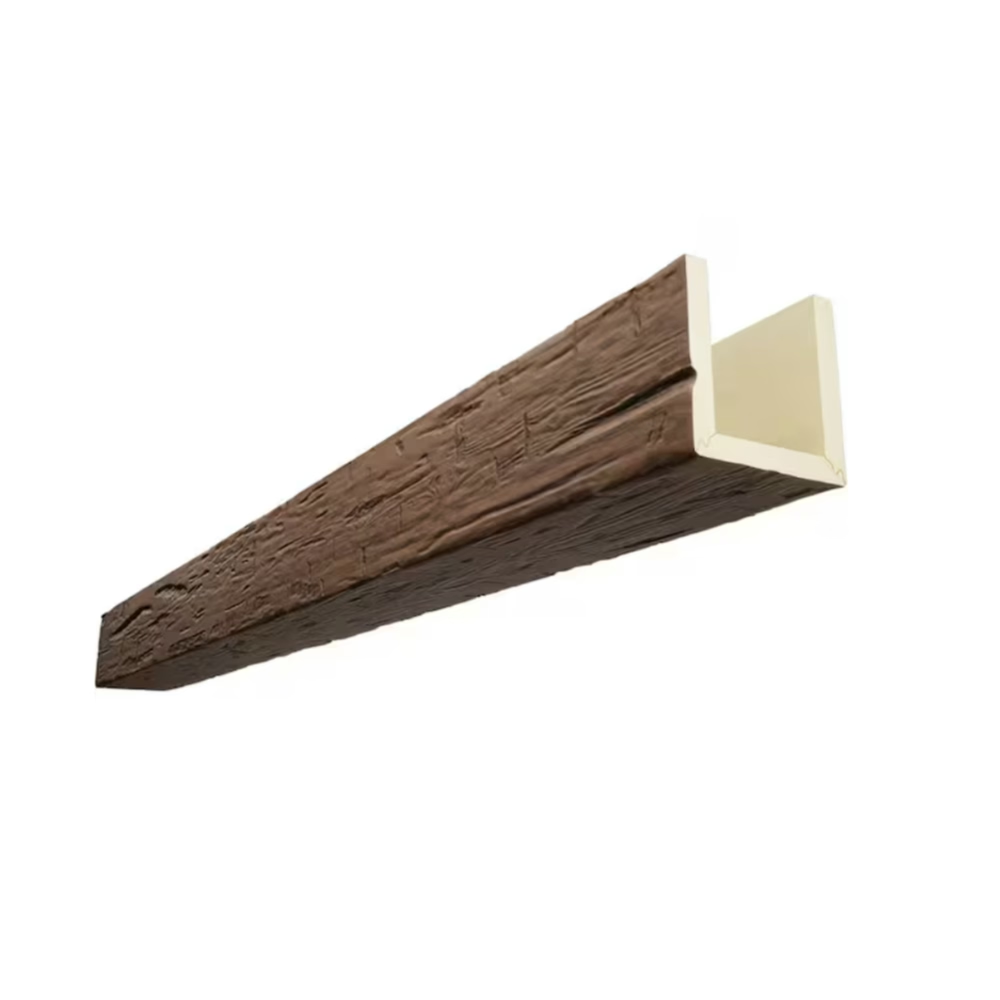
Scrolling through Instagram's home and design content reveals a consistent theme: faux wood beams consistently appear in the most-engaged renovation posts. The aesthetic combination of natural texture and architectural interest resonates strongly with audiences seeking design inspiration for their own spaces. Understanding what makes these installations so visually compelling helps explain why faux wood beams have become a staple of shareable home content.
The platform rewards visual impact, and ceiling beams deliver exactly that. A well-executed beam installation photographs beautifully from multiple angles, showing off texture, scale, and craftsmanship. Unlike furniture or accessories that might need staging or careful photography, beams exist as permanent architectural elements that look good in every shot.
Why Faux Wood Beams Dominate Design Feeds
Several factors contribute to the visual success of faux wood beams in social media content. First, scale creates drama. Beams span significant distances, often the full width of a room, making them immediately recognizable regardless of other room elements. This presence means they photograph as primary subjects rather than background details that get cropped or lost.
Second, texture generates the visual interest that platforms' algorithms favor. The grain patterns, weathering, and surface variations of faux wood create complexity that rewards attention. Unlike flat painted surfaces that might disappear into backgrounds, textured beams pop against their surroundings, demanding viewer engagement.
Third, the farmhouse and coastal aesthetics that consistently perform well on design platforms naturally incorporate wood beams. These styles—popular for their warmth and approachability compared to colder modern alternatives—require beams to complete their visual vocabulary. Faux wood makes achieving these looks accessible to audiences who can't install genuine timber, democratizing design possibilities.
Trending Configurations and Styles
Single dramatic beams have emerged as a signature element in minimalist and modern farmhouse content. Rather than covering entire ceilings with parallel beam arrangements, designers now spotlight individual beams positioned as focal points. These beams often span from wall to wall perpendicular to the room's main axis, creating strong lines that organize the space visually.
Tongue-and-groove ceiling panels with exposed beams create layered depth that photographs exceptionally well. The grid pattern formed by beams intersecting wood plank ceilings adds complexity without clutter, providing visual interest that engages viewers scrolling through busy feeds. This approach works particularly well in dining rooms and entryways where guests experience spaces from multiple vantage points.
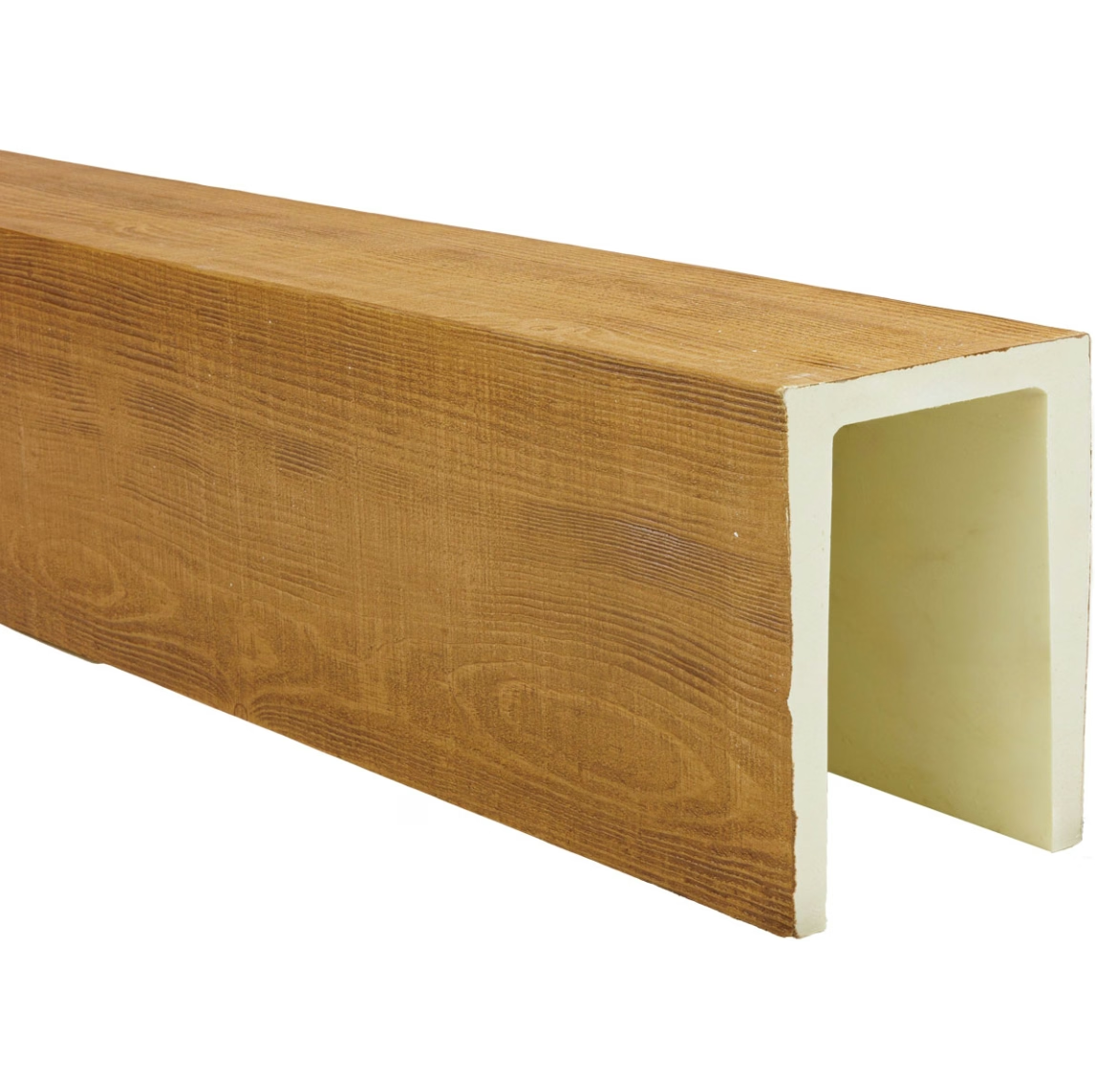
Box beam formations—four-sided beams with flat bottoms and sides—have gained popularity for their clean, architectural appearance. Unlike open-beam styles that reveal ceiling structure above, box beams create continuous horizontal lines that can make rooms appear wider or longer depending on orientation. The enclosed profile photographs as pure geometric form with texture providing all the organic warmth.
Color Trends in Social Media Content
White and grey beams dominate current Instagram content, reflecting broader trends toward lighter, brighter interiors. White-washed beams appeal to audiences seeking the texture of wood without the weight of traditional dark timber. These lighter options work particularly well in smaller spaces and north-facing rooms where darker elements might overwhelm.
Natural oak and honey-toned beams maintain strong presence in content featuring transitional and craftsman interiors. These mid-tone options bridge the gap between stark white and traditional dark stain, offering warmth while remaining relatively neutral. The tones photograph well under various lighting conditions, from bright natural light to warm interior illumination.
Dramatic dark stains—almost black or deep espresso—appear in content featuring moody, maximalist design. These beams create strong contrast against lighter walls and ceilings, functioning almost as negative space that shapes the room's visual geometry. This approach appeals to audiences drawn to darker palettes and more dramatic design statements.
DIY Content Featuring Faux Beams
Instructional content about faux wood beam installation consistently performs well among DIY-focused audiences. Tutorials covering planning, mounting, and finishing techniques accumulate saves and shares as viewers collect information for future projects. The accessibility of faux wood compared to genuine timber makes these projects achievable for non-professionals, expanding the audience for beam-related content.
Before-and-after transformations generate particularly strong engagement. Content showing bare ceiling transforming into beam-adorned space demonstrates dramatic impact in ways that inspire viewers to imagine similar changes in their own homes. These posts often receive comments asking about costs, timelines, and difficulty levels—practical concerns that indicate serious purchase intent.
Material comparison content—explaining why polyurethane rather than solid wood—provides educational value that audiences appreciate. Understanding the practical advantages alongside aesthetic benefits helps viewers make informed decisions, and this information-gathering content builds trust with potential customers who might later purchase.

Working with Influencers and Design Accounts
Collaboration with home design influencers exposes faux wood beams to established audiences with demonstrated interest in interior design content. The key lies in identifying influencers whose aesthetic aligns with the product—farmhouse and coastal specialists for rustic beams, minimalist creators for cleaner profiles. Authentic integration matters more than large follower counts; audiences quickly identify forced sponsorships.
User-generated content provides ongoing social proof beyond formal influencer partnerships. Encouraging customers to share their installations with branded hashtags builds a library of real applications that potential buyers can explore. This content feels more authentic than professional photography, showing beams in actual homes rather than staged settings.
Content calendars should align with seasonal renovation patterns. Spring and early summer see increased interest in home improvement projects, and content featuring faux beams as transformation elements performs well during these periods. Fall content can emphasize cozy atmosphere and indoor improvement as weather changes.
Engagement Strategies for Beam Content
Photography best practices significantly affect social media performance. Natural lighting from windows or soft artificial sources emphasizes texture without harsh shadows. Including human scale references—furniture, doorways, people—helps viewers understand proportions. Multiple angles and close-up texture shots provide variety for carousel posts.
Captions that tell stories outperform those that simply describe. Explaining the design reasoning, the homeowner's goals, or the transformation process creates narrative interest that keeps viewers engaged. Questions that invite comments increase interaction rates, signaling algorithms to show content to more users.
Hashtag strategy should balance broad reach with targeted discovery. General home design tags bring volume; specific tags like beam style names or project types bring engaged audiences. Geographic tags help local audiences discover content and find resources for their own projects.

Converting Social Engagement to Sales
Moving followers from inspiration to purchase requires multiple touchpoints across platforms. Instagram content should link to detailed product information, whether through bio links or Stories swipe-up features. The visual impression created on social media must translate into actionable information when viewers are ready to buy.
Customer galleries and installation showcases provide social proof that supports purchase decisions. Featuring real customer installations acknowledges their contributions while providing potential buyers with additional project examples. This user-generated content demonstrates variety in beam applications and styling options.
Seasonal promotions aligned with social media campaigns amplify both channels. Instagram-exclusive discount codes or early access to new finishes drive direct action from engaged followers while building email lists for future marketing. The combination of inspiration and incentive accelerates the customer journey from browser to buyer.
Technical References
ASTM standards cited in every specification
Test Data
Lab results from internal testing program
Updated 2026
Reviewed against current product specs