
Interior design operates on invisible principles that even experienced designers sometimes struggle to articulate. One of the most fundamental is visual weight—the perceived heaviness that different elements carry based on their size, color, texture, and position. A room can have excellent furniture, beautiful colors, and quality finishes yet feel somehow wrong. Often, the culprit is imbalanced visual weight distribution. Faux wood beams can address this issue directly, serving as strategic counterweights that bring harmony to otherwise unbalanced spaces.
Understanding visual weight helps explain why some rooms feel comfortable while others create subconscious discomfort. The goal isn't mathematical precision but rather intuitive rightness—the sense that everything belongs where it is. Beams contribute to this sense when their visual weight is appropriate for their context.
Principles of Visual Weight
Several factors determine an element's visual weight. Size clearly matters: larger objects carry more weight than smaller ones. Color affects weight perception, with darker elements feeling heavier than lighter ones. Texture complexity increases perceived weight; smooth surfaces feel lighter than textured ones at the same size. Position influences weight through vertical placement—items higher in a room feel heavier because they appear to press down more forcefully.
Contrast amplifies perceived weight. An isolated dark element against light surroundings carries more visual weight than the same element surrounded by similarly dark elements. This principle explains why single dark beams can balance multiple lighter elements elsewhere in a room.
Regularity and irregularity affect weight perception as well. Patterned or irregular surfaces feel heavier than smooth, regular ones. The inherent complexity of wood grain texture adds visual weight compared to plain surfaces of equivalent size.
Identifying Weight Imbalance in Your Space
Visual assessment helps identify balance problems. Stand in the room's primary viewing position and let your eyes move naturally across the space. Notice where attention settles first, where it returns, and whether any areas feel neglected or overwhelmed. These observations reveal weight distribution patterns.
Heavier elements often concentrate on one side of a room, creating obvious imbalance. A fireplace on one wall, large windows on another, or substantial furniture grouping can all contribute to one-sided weight. Beams can counterbalance these concentrations by adding visual weight where it's needed.
Vertical versus horizontal emphasis affects balance perception. A room with heavy horizontal furniture—low sofas, wide tables—might feel compressed. Beams add vertical weight that counteracts horizontal dominance, creating more dynamic balance. This vertical contribution is particularly valuable in rooms with limited actual height.
Beam Selection for Weight Goals
Beam size determines their weight contribution most directly. Larger beams add more visual weight than smaller ones, but the relationship isn't purely proportional. A beam that's twice as deep doesn't necessarily feel twice as heavy; the psychological perception of size creates somewhat exponential weight increases as beams become substantial.
Finish darkness affects weight perception significantly. Dark-stained beams feel heavier than light-finished beams of the same dimensions. This relationship allows weight adjustment without changing beam proportions—a valuable tool when spatial constraints limit available beam sizes.
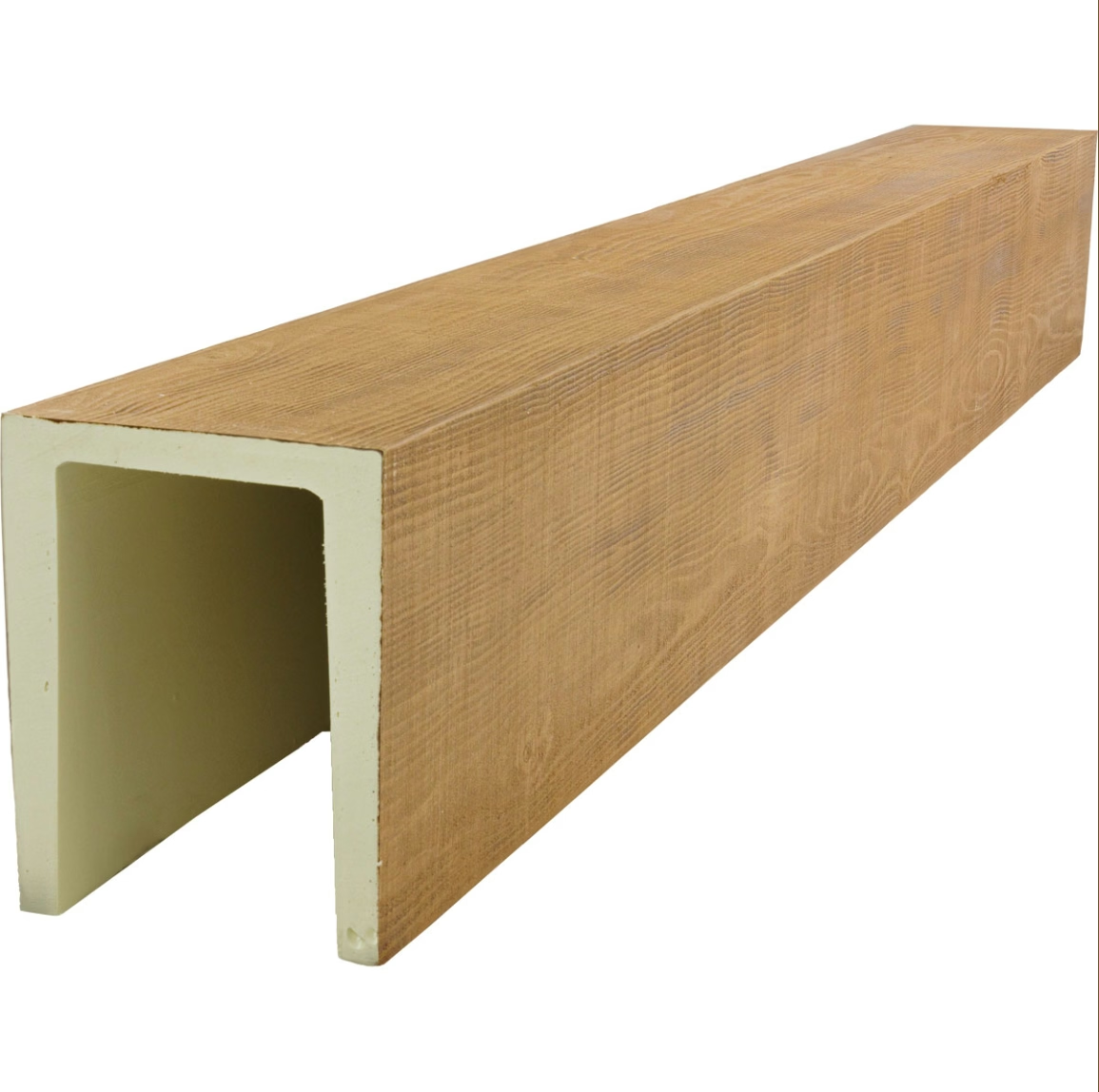
Profile shape influences perceived weight through surface area. Three-sided beams expose more surface to view than four-sided box beams of equivalent external dimensions, creating slightly greater visual presence. The shadow gaps in three-sided profiles also add to perceived depth and weight.
Strategic Placement for Balance
Where beams are positioned matters as much as which beams you select. Beams over lighter areas of a room help balance heavier elements elsewhere. A sparse corner gains visual presence when beams extend into that zone, drawing attention and adding weight. Conversely, beams over already-heavy furniture groupings can contribute to overload.
Wall versus ceiling placement affects weight distribution differently. Ceiling beams add overhead presence that balances floor-level weight but can also overwhelm low furniture arrangements. Wall-mounted beams address different balance concerns, often balancing tall furniture or architectural features like floor-to-ceiling windows.
Consider sight lines from primary seating and entry points. The first thing visible upon entering a room sets the weight baseline that other elements either reinforce or counterbalance. Beams positioned in these prominent locations contribute more significantly to overall weight perception.
Creating Balance Across Different Room Types
Living rooms typically contain multiple weight centers—the main seating area, entertainment system, fireplace—that need balancing. Beams can serve as unifying overhead element that draws these disparate areas together while providing weight where the ceiling plane needs presence. The goal is overhead interest that connects rather than competes with floor-level features.
Kitchens often have strong horizontal weight from cabinet runs and long counters. Beams add vertical counterweight that prevents the compressed feeling long horizontal runs can create. Strategic beam placement over islands or central workspaces creates visual anchors that organize the space.
Bedrooms should feel balanced for relaxation, with weight distribution that doesn't create unconscious tension. Heavy elements like large headboards need balancing weight elsewhere—perhaps beams over seating areas or dressers. The goal is symmetrical or flowing weight distribution that promotes calm.
Proportion Relationships
The relationship between beam size and room dimensions affects whether beams feel appropriate or overwhelming. Beams that seem bold in a small room might feel delicate in a large one. Scale selection should consider not just the room's total area but also its proportions—the relationship between width, length, and height.
Ceiling height influences appropriate beam scale. High ceilings can support larger beams without overwhelming; low ceilings require restraint to avoid compressing already-limited vertical space. A common guideline suggests beam depth approximately equal to one-twelfth of ceiling height, adjusted for aesthetic preference and style direction.
Furniture scale should relate to beam scale. Large, substantial furniture pieces can support correspondingly substantial beams overhead. Delicate furniture with small-scale elements might feel crowded by large beams, requiring more modest overhead treatment.
Color and Finish Weight Considerations
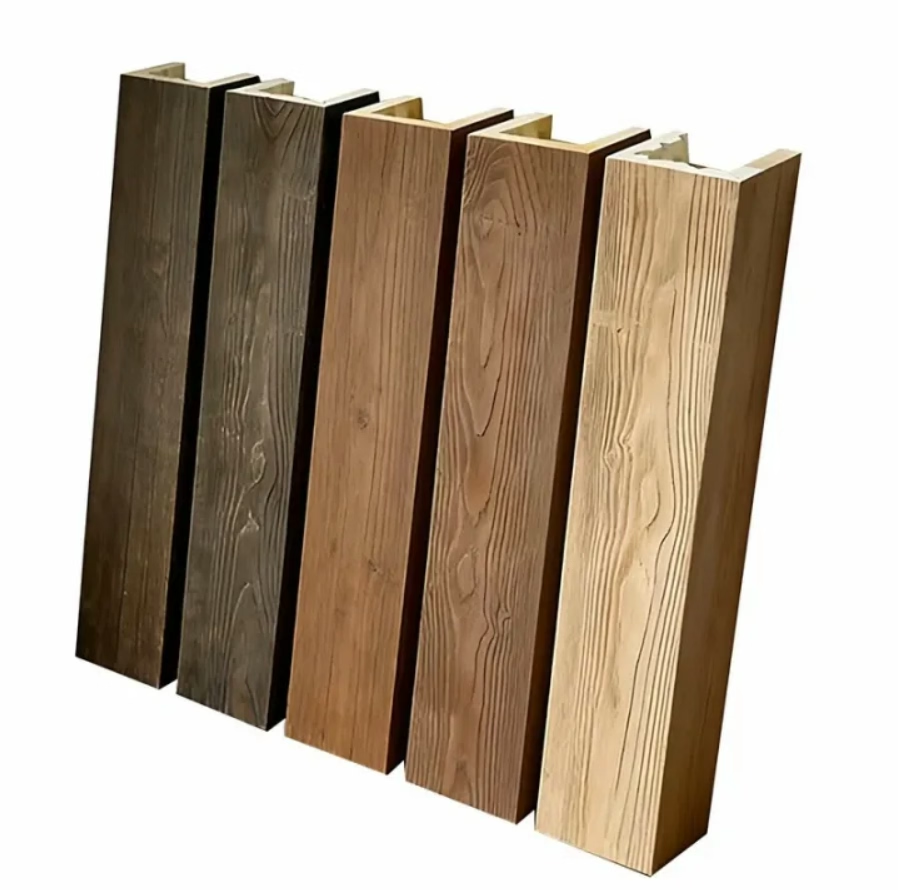
Light finishes minimize beam weight contribution, making them suitable for spaces that need texture without substantial visual mass. White-washed, natural oak, and blonde finishes all fall in this lighter category. Use these finishes when you want wood character without significant weight addition.
Mid-tone finishes provide balanced weight appropriate for most applications. Honey oak, medium walnut, and warm brown tones contribute moderate visual weight that balances without dominating. These versatile options work across most room types and existing color schemes.
Dark finishes create substantial weight that anchors spaces with strong presence. Deep espresso, charcoal, and almost-black stains add significant visual mass. Use these dramatic options when you need substantial overhead presence to counterbalance strong horizontal or dark elements elsewhere.
Balancing Multiple Design Elements
Complex rooms contain multiple weight sources that interact in ways that simple rules cannot fully address. A great room might have a fireplace, large windows, substantial seating, and architectural columns—all contributing weight that beams must either complement or counterbalance. In these situations, overall composition matters more than individual element rules.
Consider the room's functional zones and how weight distribution affects flow between them. Areas intended for active use—conversation, entertainment—benefit from balanced weight that doesn't draw attention away from activities. Zones for quiet focus might benefit from lighter overhead treatment that keeps attention on tasks.
Cohesion between overhead weight and other elements creates unified compositions rather than collections of competing weights. If beams are weathered oak, other wood elements should relate harmoniously. If beams are painted white, trim and other architectural elements should coordinate. These relationships create the sense that everything belongs together.

Adjusting Existing Imbalance
Rooms with existing imbalance can often be corrected through beam addition or modification. Adding beams to a sparse ceiling area adds weight where needed. Removing beams from overloaded areas—more complex but sometimes necessary—reduces excessive weight. The goal is adjustment toward balance rather than perfect mathematical compensation.
Beam finish modification provides another adjustment tool. Re-staining beams lighter or darker changes their weight contribution without structural modification. This approach works when beams already exist but their weight isn't optimal for current room configuration.
Beam removal might be necessary if initial installation misjudged weight requirements. This isn't failure—it's refinement as your understanding of the space develops. We've helped customers adjust beam installations that didn't achieve initial goals, and we're prepared to support similar refinement.
Achieving Lasting Balance
Balance isn't static; rooms evolve with changing furniture, decor, and use patterns. What feels balanced today might drift as your room changes. Periodic assessment—quarterly or annually—helps identify balance drift before it creates significant discomfort. Minor adjustments maintain harmony without major renovation.
Quality beams maintain their weight contribution consistently over time. Unlike real wood that might lighten or darken with age, polyurethane maintains factory appearance indefinitely. This consistency supports long-term balance planning, knowing that beam weight won't shift unexpectedly.
The investment in balanced design pays dividends in daily comfort. Rooms that feel right support the activities they were designed for, whether that's productive work, relaxed entertaining, or restful sleep. Beams contribute to this comfort when their visual weight is appropriate for their context.
Technical References
ASTM standards cited in every specification
Test Data
Lab results from internal testing program
Updated 2026
Reviewed against current product specs


