
Feature walls have experienced a design renaissance, evolving from bold paint experiments to sophisticated architectural treatments that genuinely enhance interior spaces. While painted accent walls can feel dated almost as soon as they're finished, wood-textured feature walls age gracefully, developing character alongside the rest of the room's design. Wall-mount PU faux wood beams provide the architectural depth and organic texture that transform a plain wall into a room-defining statement.
The appeal of beam-based feature walls extends beyond mere aesthetics. The three-dimensional presence that beams create adds tactile interest that flat surfaces cannot match. Light plays across textured surfaces differently throughout the day, creating living environments that reward attention. The investment in beam feature walls pays dividends in daily enjoyment that far exceeds the initial impact.
Why Feature Walls Work in Interior Design
Feature walls serve specific purposes that general wall decoration cannot. They create focal points that organize room arrangement and draw attention to intentional design choices. Without focal points, rooms can feel aimless, with eyes wandering without finding natural resting places. Beams on a wall create immediate visual anchors that establish design direction.
Scale relationships between walls and other elements shift with beam addition. A wall that felt proportional to the furniture below suddenly gains presence that elevates the entire room's design. This scale transformation happens without changing the room's actual dimensions—purely through visual manipulation that beams provide.
Material contrast between beam-textured walls and smooth adjacent surfaces creates visual interest through diversity. The textured surface draws attention while smooth surfaces provide visual rest. This contrast prevents either texture monotony or the visual chaos that too much variety creates.
Design Approaches for Beam Feature Walls
Full-wall coverage creates the most dramatic impact, covering the entire wall surface with beams arranged in parallel formation. This approach works best in larger rooms where the dramatic effect balances the substantial visual weight. Living rooms, dining areas, and master bedroom headboards benefit from this comprehensive treatment.
Partial-wall treatment focuses beams on a specific zone rather than complete coverage. A beam section above a fireplace, behind a bed, or framing a television creates focal impact without full commitment. This approach suits smaller spaces or design preferences that favor restraint over drama.
Asymmetrical arrangements challenge conventional expectations while creating dynamic visual interest. Offset beam placement, varied spacing, or non-uniform lengths prevent the static feeling that perfectly symmetrical arrangements sometimes produce. Contemporary and transitional interiors often embrace this asymmetric approach.
Selecting Beams for Wall Applications
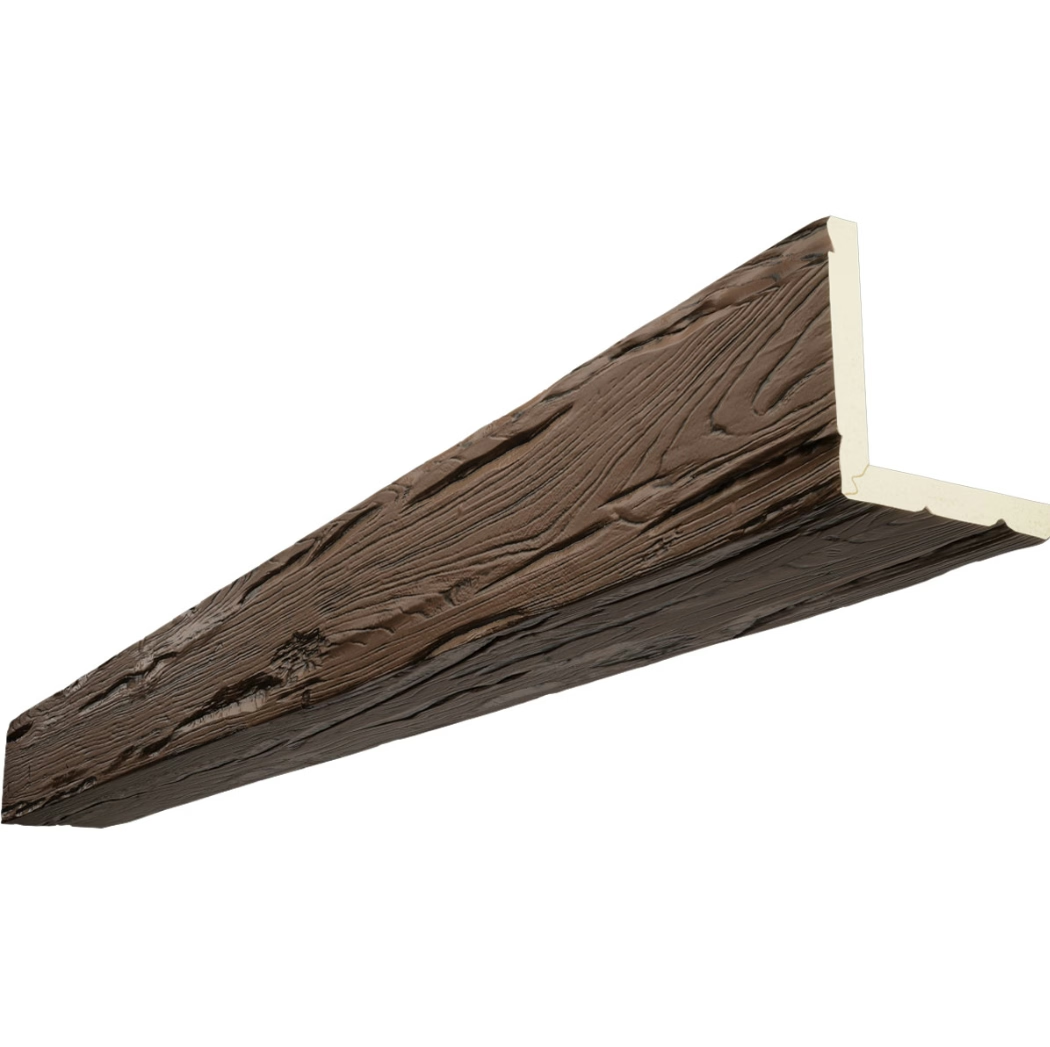
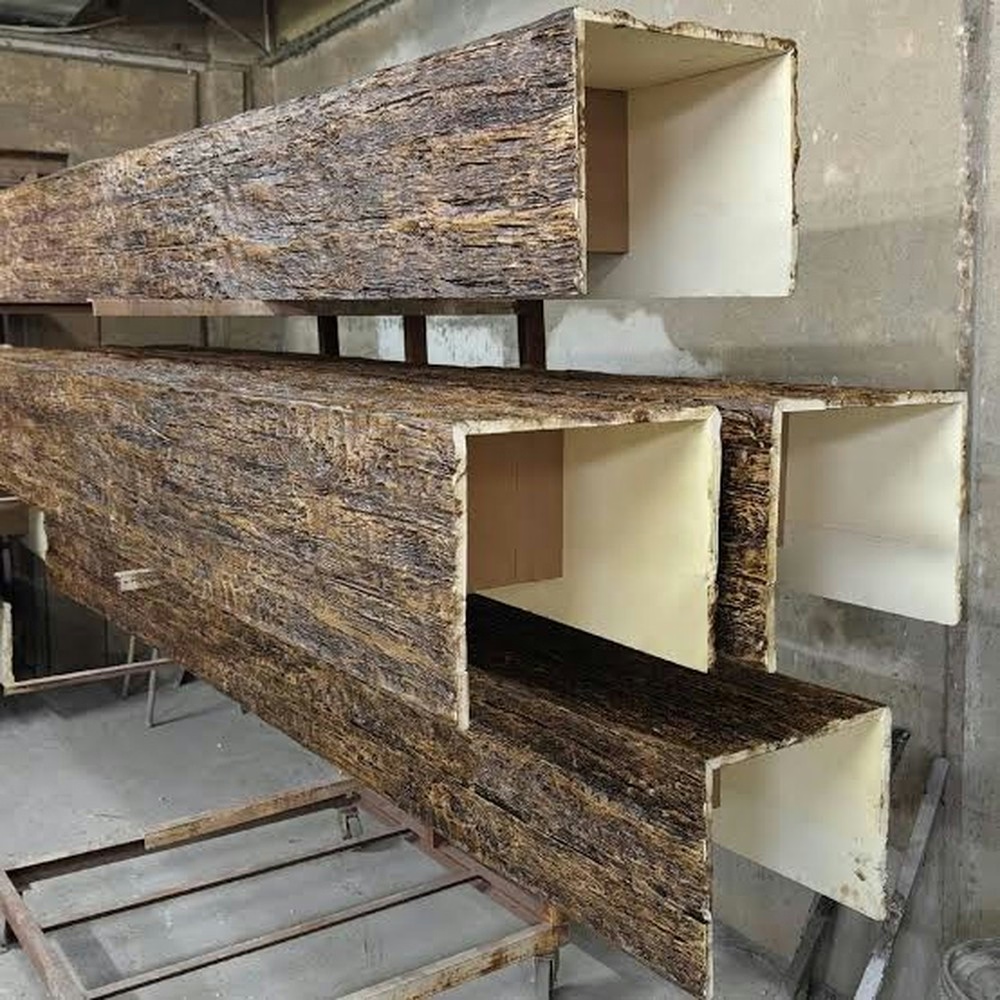
Profile choice affects the visual impact of wall-mounted beams significantly. Three-sided beams create stronger three-dimensional presence than four-sided box beams of equivalent external dimensions. The exposed sides catch light and cast shadows that enhance depth perception.
Width determines how much wall the beam covers and how substantial it appears. Wide beams make bold statements but can overwhelm smaller rooms. Narrow beams provide texture without commanding attention. Balance between beam width and wall dimensions guides appropriate selection.
Length affects both installation logistics and visual impact. Full-height beams create continuous vertical lines; shorter beams in horizontal arrangements create different patterns entirely. Consider both the visual effect and practical handling when selecting lengths.
Finish Selection for Design Coordination
Wood tones connect with natural elements throughout the room. Matching or complementing other wood finishes—flooring, furniture, trim—creates cohesion. Contrast between beam finish and wall color defines the beam edges and enhances three-dimensional presence.
Painted finishes—white, grey, or bold colors—create different effects than natural wood tones. These finishes work well in contemporary spaces where organic texture without wood color suits the design vocabulary. Painted beams still provide texture and depth while integrating differently with surrounding elements.
Weathered and distressed finishes add character that smooth surfaces cannot match. These treatments create the impression of aged materials with accumulated history, lending authenticity that newer-looking finishes might lack. Weathered finishes work particularly well in spaces with other vintage or reclaimed elements.
Mounting Techniques for Wall Stability
French cleat systems provide secure, adjustable mounting ideal for beam feature walls. The interlocking metal pieces—one mounted to the wall, one to the beam—create strong connection while allowing slight adjustment during installation. This approach handles the weight of larger beams well.
Direct mounting with construction adhesive and mechanical fasteners works for medium-weight installations. The combination provides immediate holding power from fasteners while adhesive fills gaps and provides supplementary bond. This approach requires careful layout since adjustment after adhesive application is limited.
Corridor hanging for very large or heavy beams might require additional structural consideration. Stud finding and appropriate anchor selection become critical when beam weight adds significant load. Consult with structural professionals if beam weight raises concerns.
Design Integration with Room Elements
Fireplace surrounds represent classic beam feature wall applications. Beams above, beside, or framing fireplaces create the rustic lodge atmosphere that associations between wood and fire naturally evoke. The heat exposure requires appropriate beam placement relative to heat sources.
Television placement requires consideration when beams are nearby. The reflective screen can create unwanted reflections from beam surfaces. Test viewing positions before committing to beam placement; slight adjustments often resolve reflection concerns.
Furniture placement should relate to beam arrangement rather than fighting it. Sofas, beds, and other major pieces should acknowledge beam positioning, either aligning with beam orientation or being deliberately set at angles that create intentional contrast.
Room-Specific Applications
Living room feature walls with beams establish design direction for the entire space. Position beams above the main seating area or behind the sofa to create the natural focal point that conversation areas require. The beams organize furniture arrangement while providing visual anchor.
Bedroom headboard treatment creates retreat-like atmosphere appropriate for sleeping spaces. Full-wall or partial-wall beam installation behind the bed replaces conventional headboard treatment with something more distinctive. The organic texture promotes the relaxed feeling bedrooms require.
Home office beam feature walls add warmth to spaces that might otherwise feel purely professional. Position beams where they'll be visible during video calls, providing background interest that photographs well while creating pleasant workspace atmosphere.
Lighting Enhancement of Beam Walls
Directional lighting emphasizes beam texture most effectively. Track lighting, adjustable recessed fixtures, or wall-mounted picture lights can be angled to highlight texture and create shadows that enhance depth. This lighting creates dramatic evening atmosphere that general room lighting cannot match.
Natural light interaction with beams changes throughout the day, providing variety without any effort beyond orientation awareness. South-facing walls show beams differently at each hour; north-facing walls maintain more consistent appearance. Understanding your room's light helps predict how beams will read in different conditions.
Layered lighting—combining ambient, task, and accent lighting—creates the most sophisticated beam wall presentation. Ambient lighting provides overall visibility; task lighting serves functional needs; accent lighting highlights the beam texture specifically. This layering creates flexibility that single-mode lighting cannot provide.
Budget Considerations and Value
Feature wall beam installations range from modest to substantial based on beam selection and coverage area. A few strategically placed beams can create impact without overwhelming budget; extensive coverage provides maximum drama at corresponding investment levels.
Quality differences significantly affect both appearance and longevity. Premium beams with superior texture and finish detail justify higher pricing through better results and longer service life. The appearance difference between quality levels is immediately apparent once beams are installed.
DIY installation saves labor costs that professional installation adds. The lightweight nature of polyurethane beams makes wall mounting manageable for experienced DIYers. Professional installation provides expertise and guarantee that DIY cannot match; the choice depends on confidence and budget.

Planning Your Beam Feature Wall Project
Measure the wall carefully, accounting for architectural features that affect beam placement. Windows, doors, outlets, and switches all require consideration. Decide whether beams will interrupt these elements or flow around them.
Consider the overall room design when selecting beam specifications. Colors, finishes, and proportions should coordinate with existing elements. Request samples to evaluate in your actual room with your specific lighting before committing to purchase.
Allow adequate time for the project. Rushed installation leads to errors that become increasingly difficult to correct. Professional installers complete these projects efficiently through experience; DIYers should plan realistic timelines that accommodate learning and adjustment.
Common Design Mistakes to Avoid
Choosing beams that are too small for the wall creates underwhelming results. When uncertain between sizes, err toward larger beams that make stronger statements. Small beams on large walls can look like afterthoughts rather than intentional design elements.
Inconsistent spacing disrupts the visual pattern that makes beam walls successful. Use consistent measurements throughout, even if that means some beams are slightly shorter to accommodate specific dimensions. The visual rhythm benefits outweigh any awkwardness from varied lengths.
Neglecting lighting planning means missing the full potential of beam feature walls. Beams look good under any lighting, but they look extraordinary under properly designed illumination. Include lighting in project planning rather than treating it as afterthought.
Long-Term Enjoyment
Quality beams maintain their appearance indefinitely with minimal care. Unlike real wood that might require periodic refinishing or can be damaged by impacts, polyurethane retains its factory finish through years of use.
The timeless nature of wood texture ensures that beam feature walls remain appealing regardless of changing trends. While specific paint colors might date, wood texture generally maintains broad appeal across design style evolution.
The initial investment in beam feature walls pays dividends in daily environment quality. Walking into a room with a striking beam feature wall creates the satisfaction that justifies the effort and expense of home improvement. That daily return on investment makes beam feature walls among the most rewarding design decisions.
Technical References
ASTM standards cited in every specification
Test Data
Lab results from internal testing program
Updated 2026
Reviewed against current product specs


