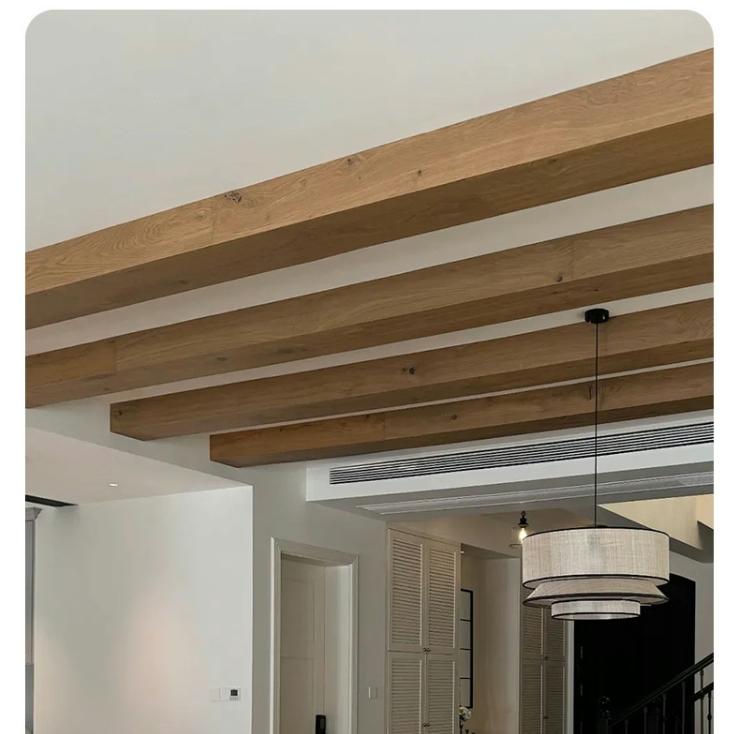
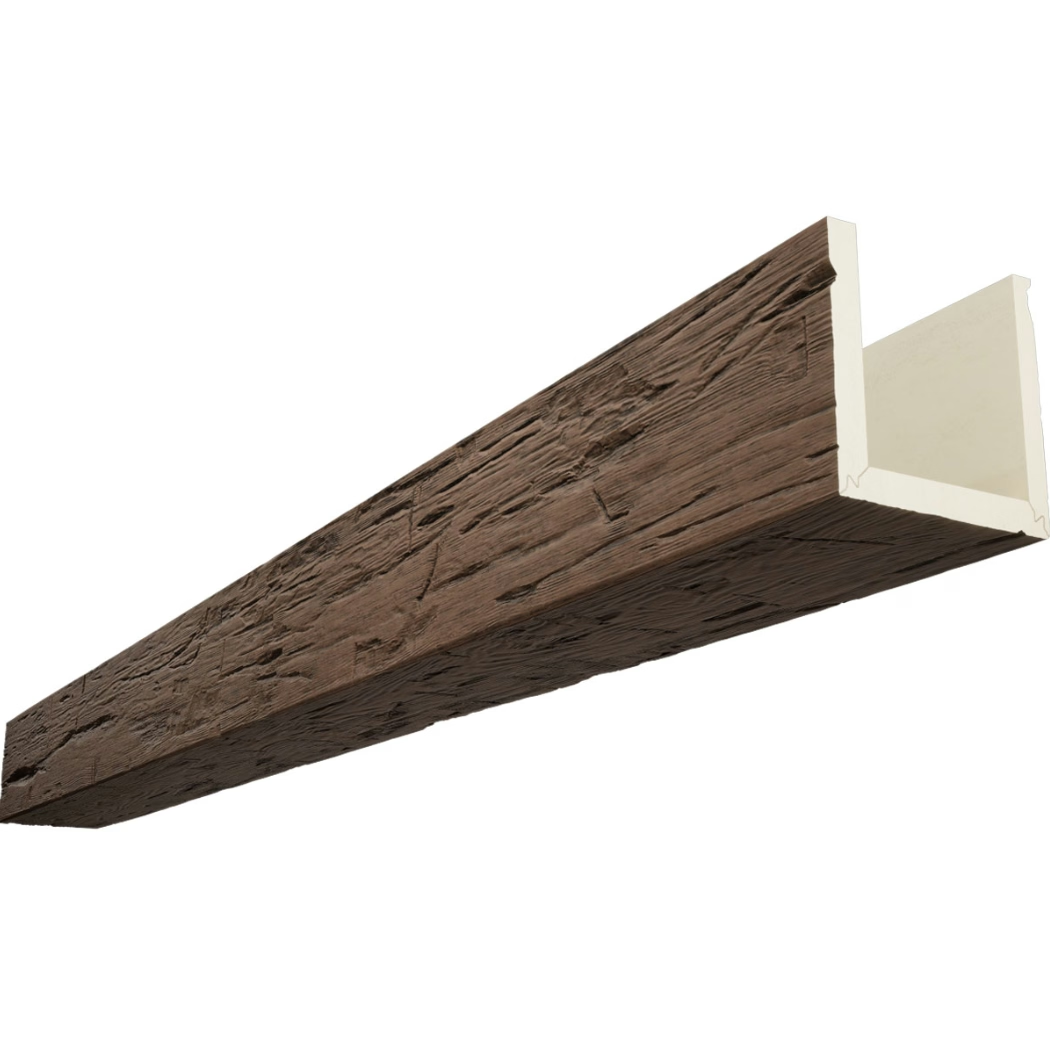
Bed and breakfast establishments compete in hospitality markets where differentiating experiences determines commercial success. Unlike chain hotels offering standardized rooms, B&Bs compete through distinctive character, personal service, and memorable atmospheres that guests cannot find elsewhere. Warm decorative faux timber beams contribute meaningfully to this differentiation, introducing architectural features that transform overnight accommodation into immersive experiences. Understanding how beams enhance guest perception and satisfaction helps B&B operators make informed investment decisions that translate into improved commercial performance.
Guest reviews consistently reveal that unique architectural features rank among the most frequently mentioned elements in positive assessments. Properties featuring exposed beams, fireplaces, and other distinctive treatments receive disproportionate praise for atmosphere and ambiance compared to more generic alternatives. This review pattern suggests that guests actively seek and appreciate spaces with genuine character, making architectural investments like beam installations directly relevant to online reputation management and marketing effectiveness.
The hospitality context introduces considerations that distinguish commercial applications from residential installations. Durability becomes paramount when numerous guests cycle through spaces annually, with each visitor potentially testing surfaces through luggage contact, careless maneuvering, or simple proximity. Polyurethane's resistance to impacts, moisture, and wear ensures that beam installations maintain their appearance despite commercial use patterns that would damage authentic timber alternatives. This durability translates directly into maintenance cost savings and sustained visual appeal.
Designing Guest Experiences Through Beam Integration
Guest room design in B&B contexts should balance distinctive character with practical functionality that accommodates diverse visitor needs. Beams contribute to atmosphere while respecting requirements for luggage storage, comfortable furniture arrangement, and accessibility for guests with mobility considerations. Successful designs incorporate beams as background elements that enhance without obstructing, creating visual interest that recedes appropriately when guests occupy the space with their belongings.
Common areas like dining rooms and sitting rooms benefit significantly from beam installations that create gathering spaces conducive to the social interactions B&Bs encourage. The informal intimacy that beams establish supports the guest-to-guest and guest-to-host conversations that distinguish B&B experiences from anonymous hotel stays. Beam-equipped common areas encourage lingering over breakfast, evening wine tastings, and shared travel story exchanges that create the community feeling guests seek.
Bathroom design might incorporate beams where ceiling conditions allow, extending the distinctive atmosphere throughout guest experiences. Even small beam details like exposed beam edges visible above shower areas create memorable moments that guests photograph and share on social media. These shareable elements generate organic marketing value that complements traditional advertising and review platform presence.
Practical Considerations for B&B Operations
Commercial cleaning protocols require consideration during beam material selection and installation. Polyurethane beams accept standard cleaning products without damage, allowing maintenance staff to work efficiently without specialized care procedures. The seamless surfaces resist dust accumulation and staining that might require professional attention, reducing ongoing operational costs compared to more delicate alternatives. This cleanability proves particularly valuable in food service areas where breakfast preparation might introduce grease or moisture to nearby beams.
Fire safety compliance in hospitality settings demands attention that polyurethane products address effectively. Quality manufacturers offer beams with appropriate fire ratings for commercial applications, meeting codes that regulate materials in public assembly spaces. B&B operators should verify compliance documentation before purchase, ensuring that installations meet insurance requirements and regulatory standards. This due diligence prevents costly remediation work that non-compliant installations might require.
Lighting design in B&B contexts should accommodate diverse guest preferences and activities. Overhead illumination for dressing and packing requires adequate brightness, while evening ambiance for relaxation calls for dimmer, warmer options. Adjustable systems with multiple scene settings allow staff to optimize lighting for different times and purposes, enhancing guest comfort while managing energy costs. Fixtures in warm metal finishes complement beam treatments while providing necessary illumination throughout guest spaces.
Marketing Beams as Signature Features
B&B marketing should highlight distinctive beam installations as signature features that differentiate properties from competitors. Professional photography emphasizing beam treatments captures the architectural character that online browsing guests respond to emotionally. Descriptive language in listings and promotional materials should reference beam features specifically, helping prospective guests visualize the atmospheric differences that distinguish one property from alternatives in their consideration set.
Social media content featuring beam installations generates engagement that translates into bookings. Guests frequently photograph and share images of distinctive architectural features, creating organic promotion that properties can amplify through responsive content strategies. Hashtag campaigns, guest photo reposting, and behind-the-scenes installation stories all contribute to marketing efforts that build brand recognition and trust.
The return on investment for beam installations in B&B contexts often exceeds residential applications due to the direct revenue implications of enhanced guest experiences. Properties reporting improved occupancy rates, higher average daily rates, and reduced marketing costs following beam installations demonstrate the commercial value of thoughtful design investments. For B&B operators seeking competitive advantages in crowded hospitality markets, warm decorative faux timber beams offer proven returns that justify initial capital expenditure.
Technical References
ASTM standards cited in every specification
Test Data
Lab results from internal testing program
Updated 2026
Reviewed against current product specs