Warranty Coverage Comparison: Material Defects vs. Installation Issues
Understanding warranty coverage distinctions between material defects and installation-related issues protects project investments and establishes clear responsibility boundaries. Comprehensive warranty knowledge enables proper claims management and realistic expectation setting.
Manufacturer Material Warranty Scope
Material warranties typically cover manufacturing defects including dimensional inaccuracy, structural failure, delamination, and finish defects present at time of delivery. Coverage duration ranges 5-25 years depending on product quality tier.
Installation Workmanship Coverage
Contractor workmanship warranties address installation errors including improper mounting, poor joint execution, and finish application defects. These warranties typically span 1-2 years from project completion.
Coverage Boundary Ambiguities
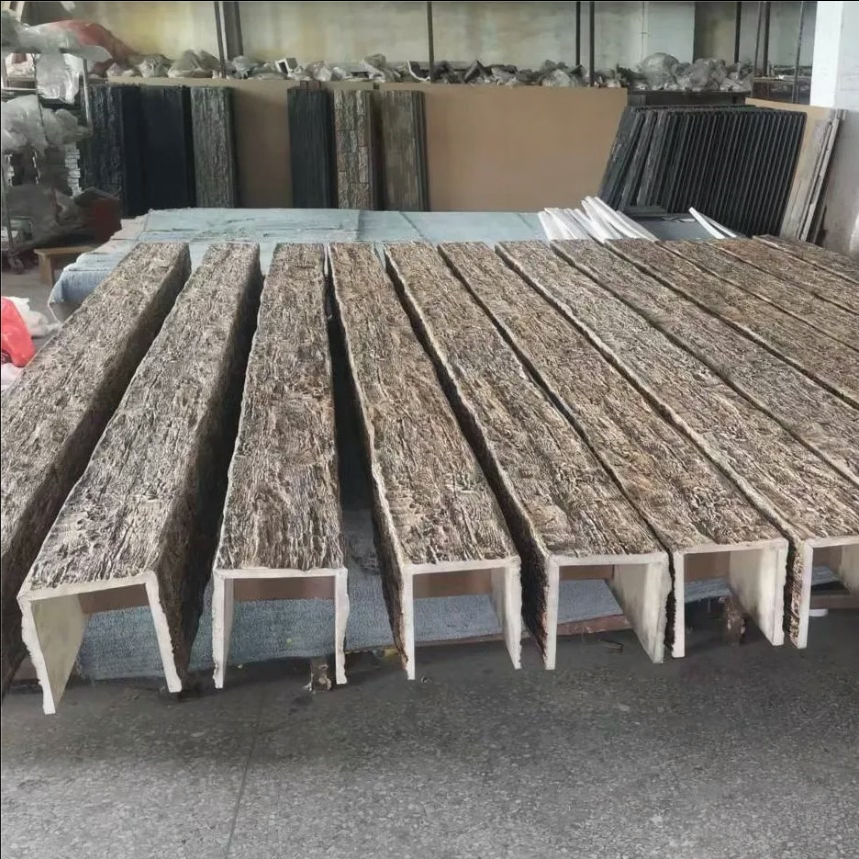
Distinguishing material defects from installation issues sometimes proves challenging. Beam warping may result from manufacturing defects or improper substrate attachment, requiring investigation to determine responsible party.
Documentation Requirements
Warranty claims require photographic documentation, purchase receipts, installation date verification, and defect description. Comprehensive documentation at installation and throughout service life supports claims processing.
Exclusions and Limitations
Warranties exclude damage from improper maintenance, environmental exposure exceeding material ratings, unauthorized modifications, or abuse. Understanding exclusions prevents unrealistic warranty expectations.
Prorated vs. Non-Prorated Coverage
Non-prorated warranties provide full replacement regardless of product age within warranty period. Prorated coverage reduces manufacturer obligation proportionally with time, shifting cost burden to property owners.
Transfer Provisions for Property Sales
Some warranties transfer to subsequent property owners while others terminate at original purchaser sale. Transferable warranties add property value and protect new owners from inherited defects.
Claims Process Timelines
Warranty claims require prompt notification within specified timeframes after defect discovery. Delayed reporting may void coverage regardless of defect legitimacy, making timely documentation critical.
Conclusion
Material and installation warranty coverage protect against different failure modes with distinct responsibility parties and timeframes. Understanding coverage scope, exclusions, documentation requirements, and claims processes ensures effective warranty utilization when defects occur.
Technical References
ASTM standards cited in every specification
Test Data
Lab results from internal testing program
Updated 2026
Reviewed against current product specs