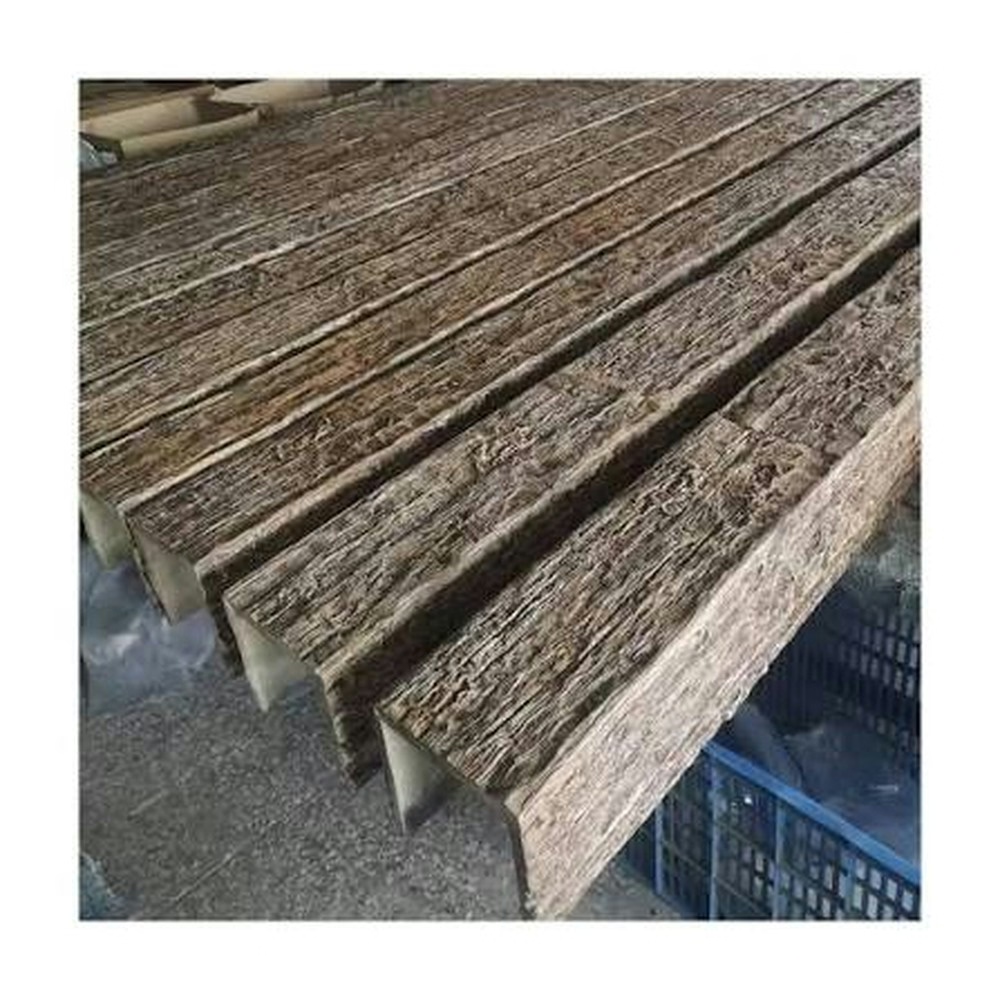
Water Conservation in Manufacturing: Closed-Loop System Implementation
Water-intensive faux beam manufacturing requires conservation strategies reducing environmental impact and operational costs. Strategic closed-loop systems through water recycling, treatment technologies, and process optimization minimize freshwater consumption while protecting local water resources and ensuring long-term sustainability.
Water Audit and Baseline
Measure current water consumption identifying major usage points and waste streams. Comprehensive auditing reveals conservation opportunities and establishes improvement metrics.
Closed-Loop Cooling Systems
Recirculate cooling water through heat exchangers eliminating discharge waste. Continuous reuse dramatically reduces freshwater requirements in temperature-controlled processes.

Process Water Recycling
Treat and reuse cleaning, rinsing, and production water multiple times. Multi-stage recycling extends water lifespan before final treatment or discharge.
Rainwater Harvesting Integration
Capture roof runoff for non-potable manufacturing applications reducing municipal demand. Natural collection supplements water supplies with minimal processing requirements.

Advanced Filtration Technologies
Install membrane or biological treatment enabling high-quality water recovery. Sophisticated purification allows repeated recycling approaching drinking water standards.
Dry Process Alternatives
Replace water-based procedures with mechanical or chemical methods where feasible. Process innovation eliminates water consumption at the source rather than managing waste.
Leak Detection and Prevention
Implement monitoring systems identifying and repairing water losses quickly. Proactive maintenance prevents waste from unnoticed pipe or valve failures.
Employee Training and Engagement
Educate workers about conservation importance and operational best practices. Cultural commitment amplifies technical improvements through daily behavioral choices.
Conclusion
Water conservation beam manufacturing requires water audits establishing baselines, closed-loop cooling systems, process water recycling, and rainwater harvesting integration. Strategic resource management achieves sustainability through advanced filtration technologies, dry process alternatives, leak detection prevention, and employee training creating efficient operations protecting freshwater resources with comprehensive conservation implementation.
Technical References
ASTM standards cited in every specification
Test Data
Lab results from internal testing program
Updated 2026
Reviewed against current product specs