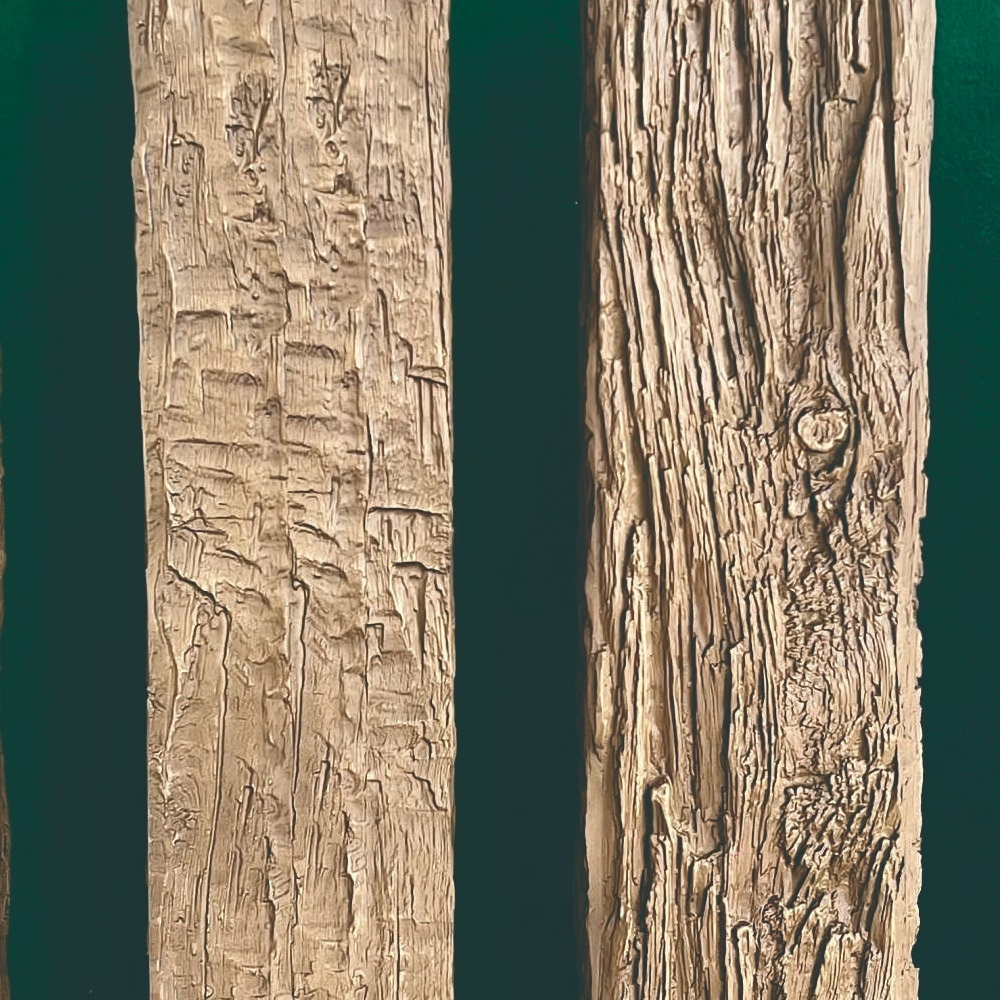
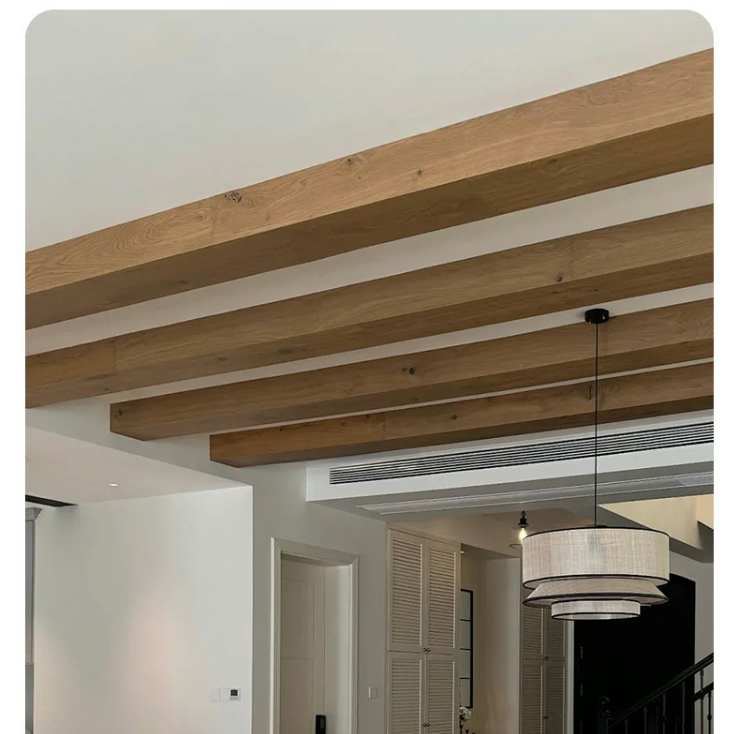
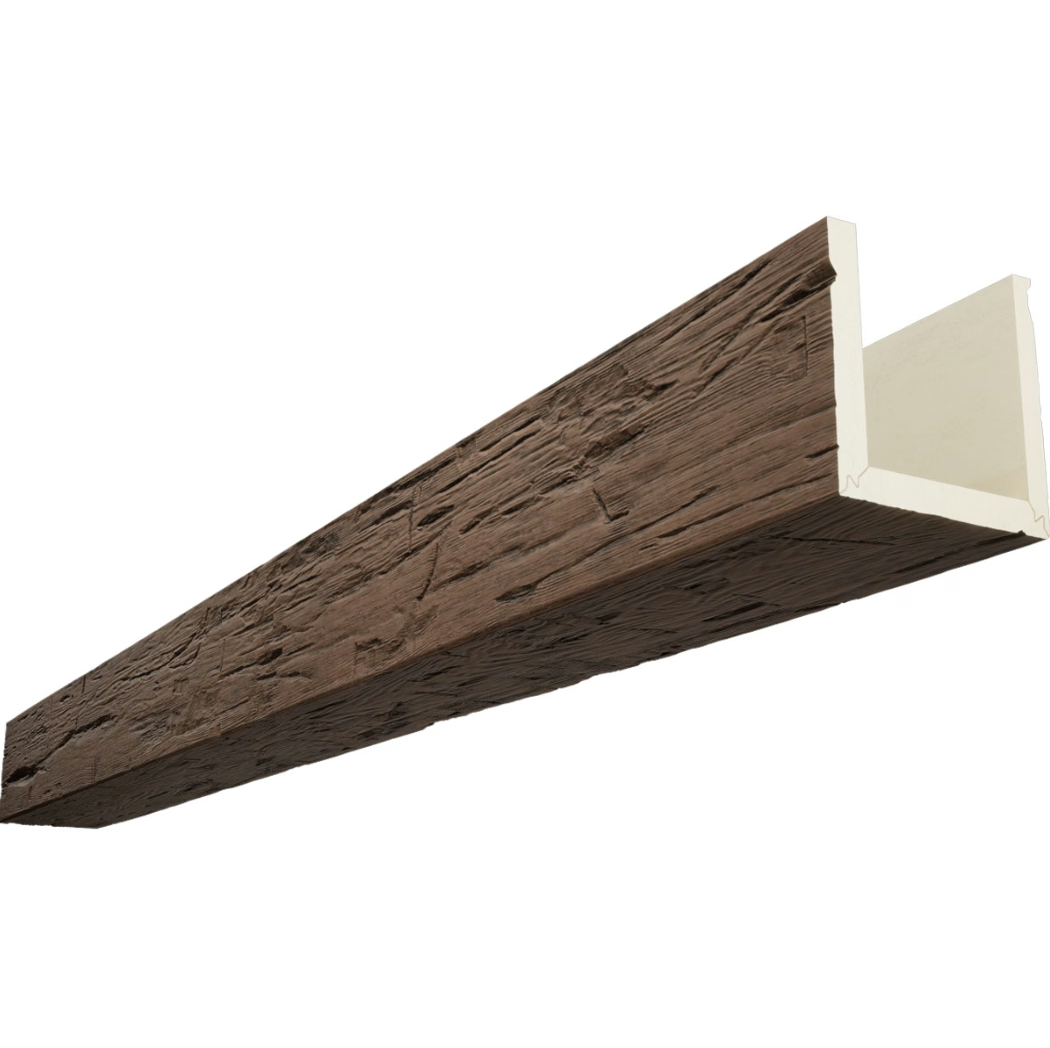
Bathrooms have evolved from purely functional spaces into personal retreats where homeowners seek the spa-like tranquility that promotes wellbeing. This transformation has elevated expectations for every surface and material, with ceiling treatments receiving particular attention because they establish the visual framework within which other design elements exist. Yet bathrooms present challenging conditions for ceiling materials: persistent humidity from bathing, temperature swings between hot showers and cooler ambient air, and regular exposure to water splashes and steam. Natural wood, despite its warmth and appeal, struggles with these conditions in ways that waterproof polyurethane faux beams simply refuse to acknowledge.
The bathroom environment creates moisture challenges through mechanisms that operate continuously rather than occasionally. Daily showers generate steam that saturates bathroom air, with humidity levels easily exceeding eighty percent during and immediately after bathing activities. This moisture-laden air contacts every surface in the room, including ceiling materials that may experience condensation as warm, moist air meets cooler overhead surfaces. Even well-ventilated bathrooms experience these humidity spikes repeatedly, accumulating moisture exposure that tests material limits over time.
Polyurethane's approach to bathroom humidity differs fundamentally from natural wood's response. Wood absorbs moisture from humid air, swelling slightly with each humidity cycle. When conditions dry—as ventilation removes moisture between uses—the wood releases absorbed water and shrinks. These repeated dimensional changes generate stress that eventually manifests as checking, cracking, or joint separation. Polyurethane absorbs no moisture regardless of humidity levels, maintaining exact dimensions through unlimited humidity cycling without any accumulation of stress or damage.
The aesthetic possibilities that waterproof bathroom beams unlock deserve exploration by anyone designing or renovating these important spaces. Spa-inspired designs that seek warmth and organic character can incorporate ceiling beams without the anxiety that natural wood would generate in humid conditions. Rustic farmhouse bathrooms with farmhouse sinks and vintage fixtures can feature timber beams overhead without compromising on authenticity. Contemporary minimalist bathrooms can add warmth through beams that soften stark modern lines without introducing materials inappropriate for wet environments.
Ventilation system coordination ensures that bathroom beam installations perform optimally in challenging conditions. Quality bathroom ventilation removes humid air efficiently, reducing the moisture exposure that all bathroom materials experience. The combination of effective ventilation and waterproof beam materials creates redundancy that provides protection exceeding what either approach alone could achieve. Homeowners who invest in both adequate ventilation and quality beam materials enjoy bathroom ceilings that remain beautiful indefinitely without demanding special attention or maintenance.
The psychological benefits of warm wood aesthetics in bathrooms connect to the relaxation function that these spaces increasingly serve. Bathrooms designed for spa-like retreat should feel warm, welcoming, and calming rather than clinical or institutional. The addition of ceiling beams transforms bathroom ceilings from plain painted surfaces into architectural features that establish the character of the entire space. Natural wood tones overhead create the visual comfort that supports relaxation, while polyurethane's perfect dimensional stability ensures that this comfort persists without the deterioration that would undermine the intended atmosphere.
Cleaning bathroom ceiling beams requires approaches appropriate for the moisture exposure these installations tolerate. Polyurethane surfaces accept cleaning with mild bathroom cleaners without risk of damage, allowing maintenance crews or homeowners to address accumulated dust, hair spray residue, or occasional splashes without concern. The same non-porous surface that prevents moisture absorption also prevents most common bathroom contaminants from penetrating below the surface where cleaning could not reach them. This cleanability simplifies bathroom maintenance while ensuring that beams continue looking fresh through years of demanding service.
Installation details in bathroom applications should address potential exposure to direct water contact. While ceiling positions generally protect beams from splashing, bathroom layouts with high shower heads, ceiling-mounted rain showerheads, or children who splash enthusiastically during bath time may occasionally wet beam surfaces directly. Polyurethane tolerates this direct water exposure without consequence, neither absorbing moisture nor developing water marks or stains. This resilience proves particularly valuable in family bathrooms where正常使用 encounters more abuse than idealized design scenarios might anticipate.

Color selection for bathroom beams should consider the impact of humidity on color perception in ways that differ from dry-space installations. Bathroom lighting often includes warmer color temperatures to promote relaxation, which affects how wood tones appear compared to brighter daylight conditions. Sample evaluation in actual bathroom lighting provides the most accurate color preview, accounting for the interaction between artificial lighting and beam finishes. This evaluation prevents surprises while helping homeowners select beam finishes that achieve their intended atmosphere under the specific lighting conditions that will characterize their finished bathrooms.
Adjacent material coordination ensures that bathroom beam installations integrate effectively with surrounding surfaces and fixtures. Tile selections, paint colors, vanity materials, and fixture finishes should all relate harmoniously to beam tones without creating visual competition or awkward contrasts. The neutral warmth that wood-look beams provide accommodates diverse companion materials while preventing bathrooms from feeling cold or institutional. This coordinating function simplifies finish selection throughout the bathroom, with beams providing a foundation that unifies disparate elements into cohesive design.
The investment perspective on bathroom beam installations considers both immediate impact and long-term value retention. Bathrooms rank among the highest-return spaces in residential properties, with quality improvements consistently generating returns exceeding those in other areas. The addition of ceiling beams contributes to this return while differentiating properties in competitive markets where standard builder finishes dominate. Polyurethane's durability ensures that this investment retains its value through years of service without the maintenance demands or eventual replacement that natural wood would require.
Guest bathrooms benefit particularly from beam installations because these spaces often receive less regular attention than master suites but must still impress visitors. Ceiling beams establish immediate impressions of quality and intentional design that elevate guest perceptions of the entire home. The waterproof characteristics of polyurethane ensure that guest bathrooms—which may experience extended periods between uses and inadequate ventilation between visits—maintain their fresh appearance regardless of how rarely the spaces undergo cleaning or humidity management.
Longevity expectations for bathroom beam installations should account for the demanding conditions these spaces present. Quality polyurethane beams installed in well-ventilated bathrooms should provide decades of service without intervention, maintaining their appearance and structural integrity throughout typical ownership periods. This longevity eliminates the anxiety that natural wood would generate in humid conditions, providing assurance that bathroom investments will remain attractive without the periodic attention that moisture-challenged materials inevitably demand.
Technical References
ASTM standards cited in every specification
Test Data
Lab results from internal testing program
Updated 2026
Reviewed against current product specs