Indoor pool environments present some of the most challenging conditions that any building material will encounter during its service life. The combination of persistent high humidity, chemically treated water, temperature differentials, and aggressive cleaning protocols would rapidly destroy most conventional ceiling materials. Natural wood, despite the warmth and character that might seem appropriate for these spaces, typically fails within years of installation regardless of protective treatment. Waterproof polyurethane faux beams have emerged as the practical solution for architects and facility managers who want the aesthetic benefits of wood ceilings without the maintenance burdens and premature failure that moisture inevitably brings to authentic timber.
Understanding why indoor pool environments are so demanding requires examining the specific mechanisms of degradation that pool conditions create. Water constantly evaporates from pool surfaces, adding moisture to air that may reach saturation levels. This humid air rises toward ceilings where it contacts cooler surfaces, forming condensation that drips onto and flows across everything overhead. The water itself contains chlorine or bromine sanitizers that create chemically aggressive conditions. Cleaning crews periodically apply strong chemicals to maintain sanitation standards. Temperature differences between warm pool water and cooler air create constant thermal stress. Each factor individually challenging; their combination overwhelms materials that might tolerate any single condition.
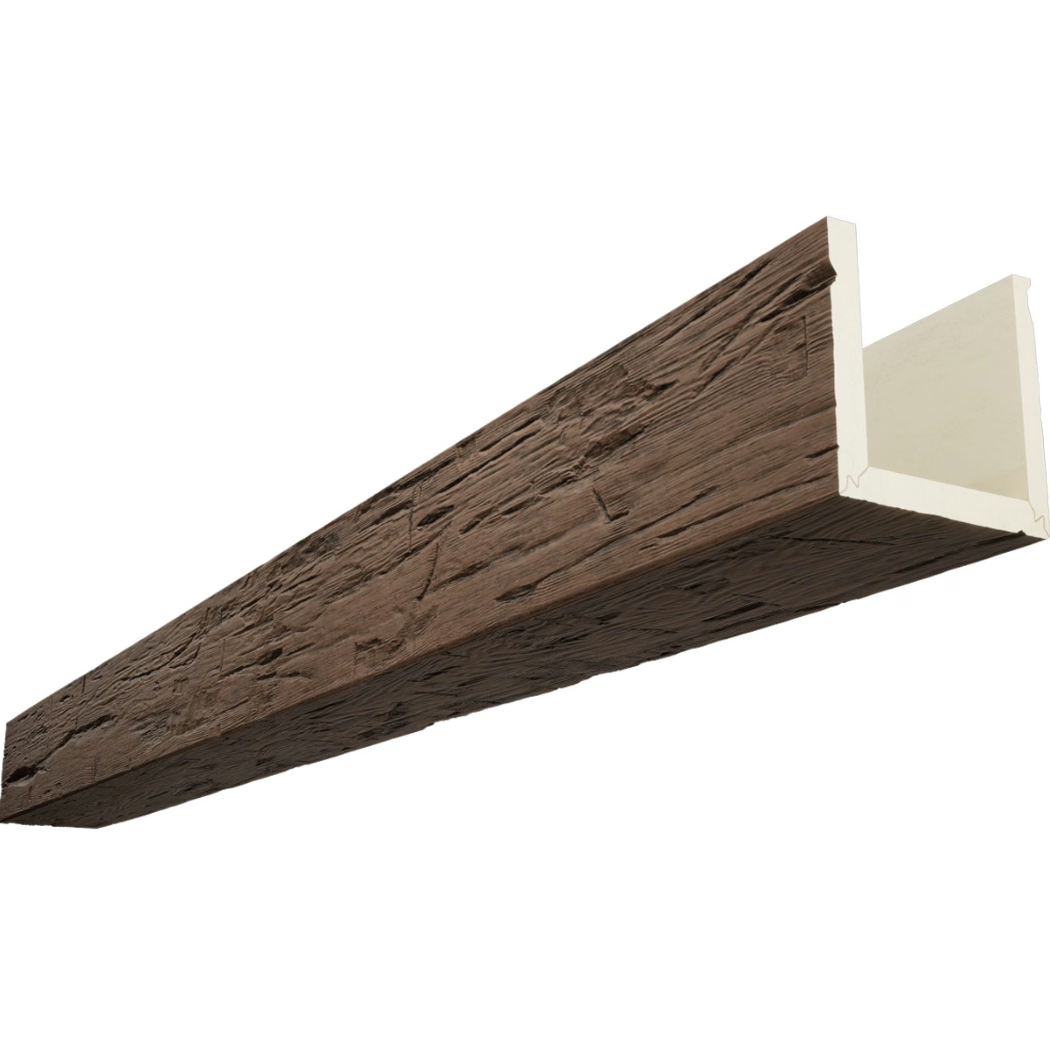
Polyurethane's response to these combined stressors demonstrates the material's remarkable engineering. The non-absorbent surface prevents water penetration regardless of humidity levels or condensation exposure. Chemical resistance protects against the chlorine compounds that would degrade natural wood fibers and finishes. Thermal stability prevents the dimensional stress that temperature cycling generates in materials with higher coefficients of expansion. These combined characteristics enable polyurethane beams to maintain their appearance and structural integrity through conditions that would destroy natural materials within seasons.
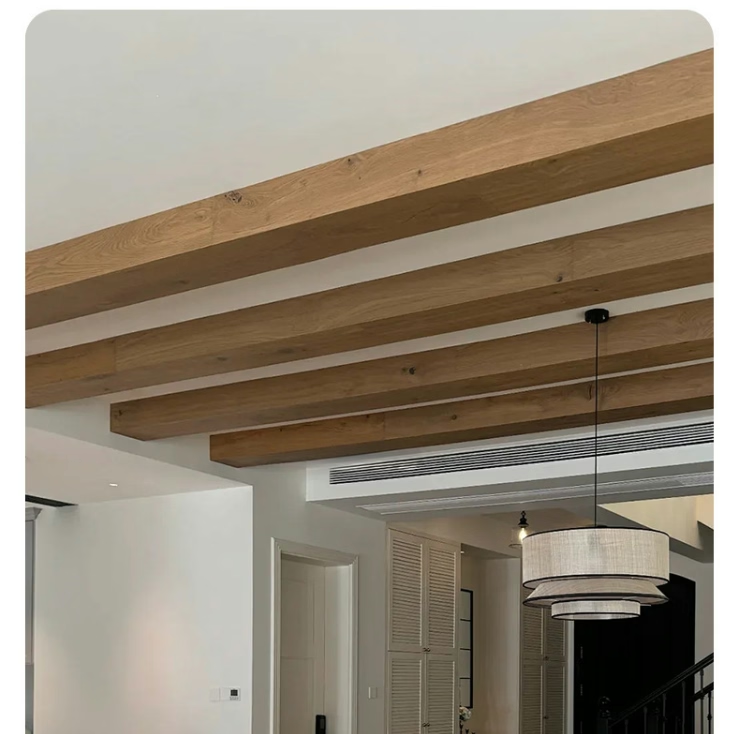
Architectural opportunities in indoor pool design expand significantly when reliable beam materials become available. Pool halls traditionally defaulted to utilitarian ceiling treatments—painted surfaces, suspended acoustic tiles, or exposed structure—because warmer aesthetic options could not survive the environment. Now, beams can introduce warmth and architectural character that transform pool halls from institutional spaces into impressive environments. This transformation affects how users perceive the facilities, with warm wood aesthetics promoting relaxation and positive mood that complements the swimming experience itself.
Dehumidification system integration with beam installations requires coordination to ensure optimal performance of both systems. Indoor pools depend on mechanical dehumidification to maintain humidity levels within acceptable ranges, protecting building structure and ensuring user comfort. Beam installations should not obstruct airflow patterns that dehumidification systems depend upon for efficient operation. Quality manufacturers and installers understand these integration requirements, ensuring that aesthetic goals and environmental systems work together rather than creating conflicts that compromise either function.
The acoustic treatment that pool environments require connects naturally to beam installation strategies. Hard surfaces throughout pool halls—water, tile, glass—create reverberation and echo that make spaces uncomfortable and speech communication difficult. Ceiling beams add mass and irregularity to overhead surfaces that disrupts sound reflection patterns, contributing to acoustic comfort without dedicated treatment systems. This acoustic benefit occurs naturally from beam installation, providing bonus value beyond the primary aesthetic contribution. The improved acoustics benefit facility users and staff alike, enhancing the overall experience of being in the space.
Maintenance expectations for polyurethane beams in pool environments differ dramatically from natural wood alternatives that these conditions would destroy. Polyurethane tolerates the cleaning chemicals, humidity exposure, and chemical atmosphere without degradation. Regular cleaning removes accumulated contaminants using standard facility maintenance protocols. No specialized treatments, no protective coatings requiring reapplication, no inspection schedules focused on detecting early decay. The maintenance simplicity that polyurethane provides translates directly into reduced operating costs while ensuring that facilities remain attractive throughout extended service lives.

Structural mounting in pool environments requires attention to corrosion resistance that less demanding applications might ignore. The chlorine atmosphere accelerates corrosion of metal components that would perform adequately in ordinary conditions. Stainless steel mounting hardware, properly coated fasteners, and materials selected specifically for aquatic environments ensure that beam installations remain secure indefinitely. Quality manufacturers specify appropriate hardware packages for pool applications, eliminating uncertainty about whether mounting systems will survive the demanding conditions.
Fire safety considerations influence material selection in pool environments where multiple hazards converge. Building codes often impose strict requirements on materials in natatoriums and aquatic facilities, with fire ratings mandatory in many jurisdictions. Polyurethane beam manufacturers offer fire-rated products that meet these requirements, with independent laboratory testing documenting compliance. Selecting appropriate fire-rated beams ensures code compliance while achieving the aesthetic warmth that distinguishes quality pool facilities from institutional competitors.
Design scale considerations recognize that pool halls often feature generous ceiling heights and large open spans. Beams in these spaces must read appropriately at considerable viewing distances, with proportions that provide visual impact despite the scale of surrounding architecture. Larger beam profiles, more dramatic spacing, and consideration of how beams relate to other overhead elements ensure that installations achieve their intended effect. Professional design input helps navigate these scale decisions, preventing undersized beams that disappear visually or oversized beams that overwhelm the architecture.
The investment analysis for pool facility beam installations considers both initial costs and lifetime operating expenses. Polyurethane beams typically cost more initially than commodity wood alternatives, but this premium compares favorably against the maintenance and replacement cycles that natural materials would require in equivalent conditions. Facilities that calculate true lifetime costs consistently find that polyurethane provides superior economics, particularly when the avoided disruption of repeated maintenance and replacement cycles enters the calculation.
User experience benefits from warm wood aesthetics in pool environments in ways that enhance the therapeutic value these facilities provide. Swimming and aquatic exercise offer proven benefits for physical health and mental wellbeing, benefits that the environment either supports or undermines. Warm, inviting pool halls encourage longer visits and more frequent use, while institutional-feeling spaces create psychological barriers that reduce the therapy's effectiveness. The investment in quality beam materials supports the facility's wellness mission while providing aesthetic pleasure that users appreciate throughout their time in the space.
Warranty coverage and expected service life should factor into purchasing decisions for pool facility applications. Quality polyurethane beams in properly ventilated pool environments should provide decades of service without intervention, with manufacturer warranties providing additional assurance against manufacturing defects. This warranty security reduces facility manager anxiety while ensuring that the substantial investment in quality beam installations provides returns throughout extended service periods. The combination of aesthetic value, practical performance, and warranty protection makes polyurethane the clear choice for demanding aquatic environments.
Technical References
ASTM standards cited in every specification
Test Data
Lab results from internal testing program
Updated 2026
Reviewed against current product specs