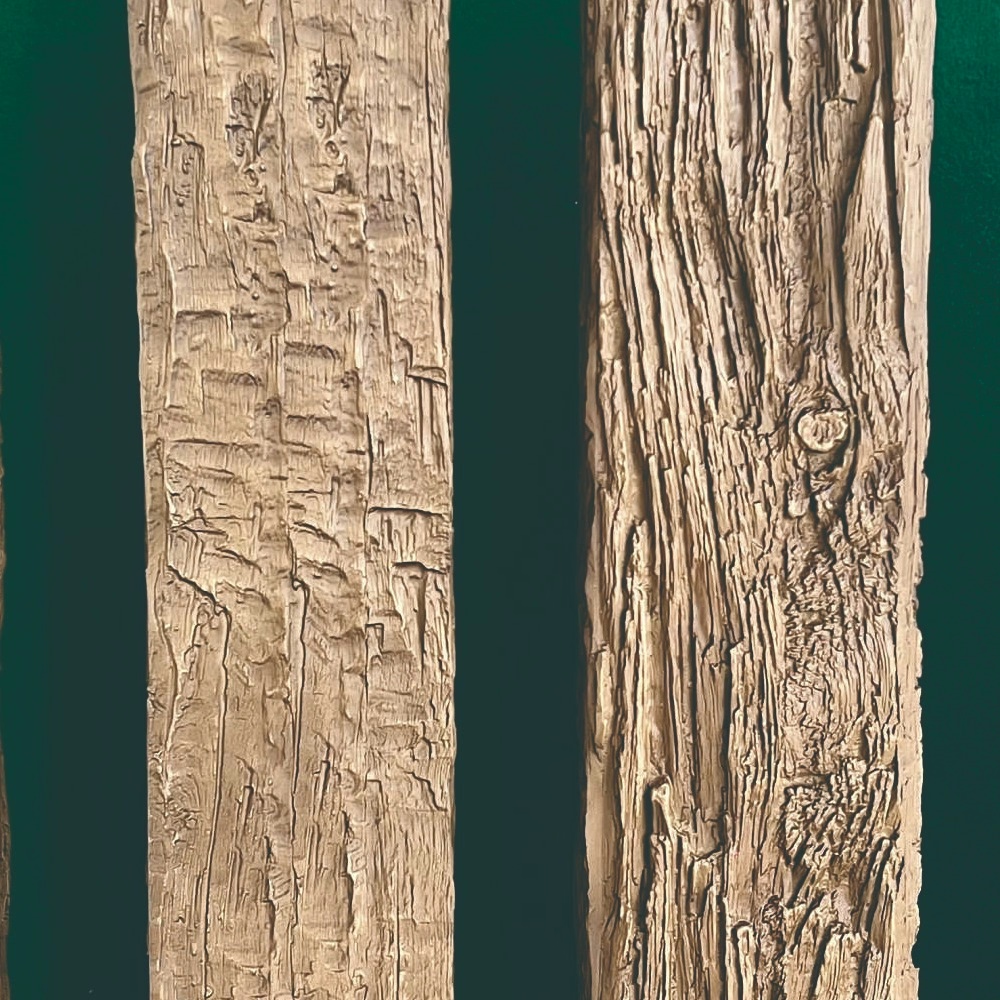
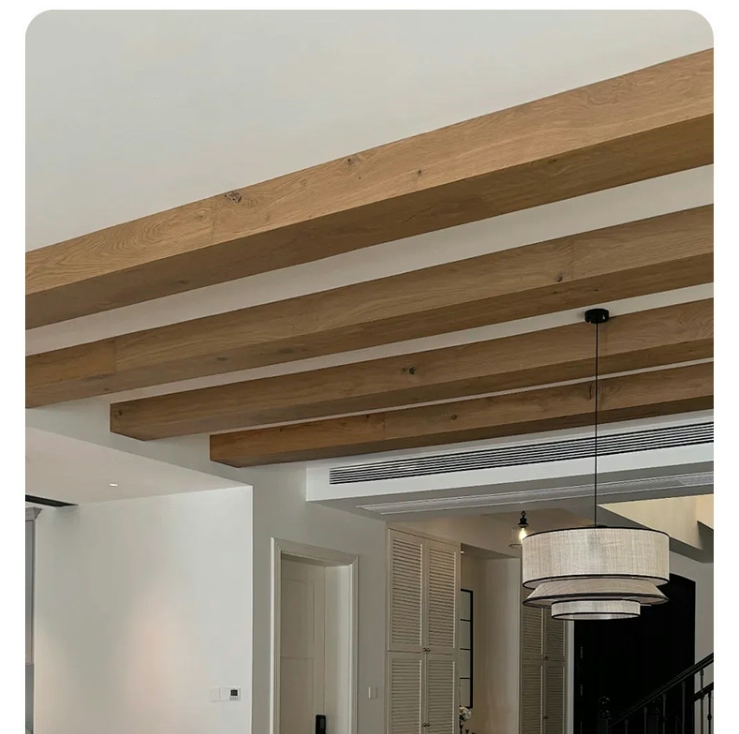
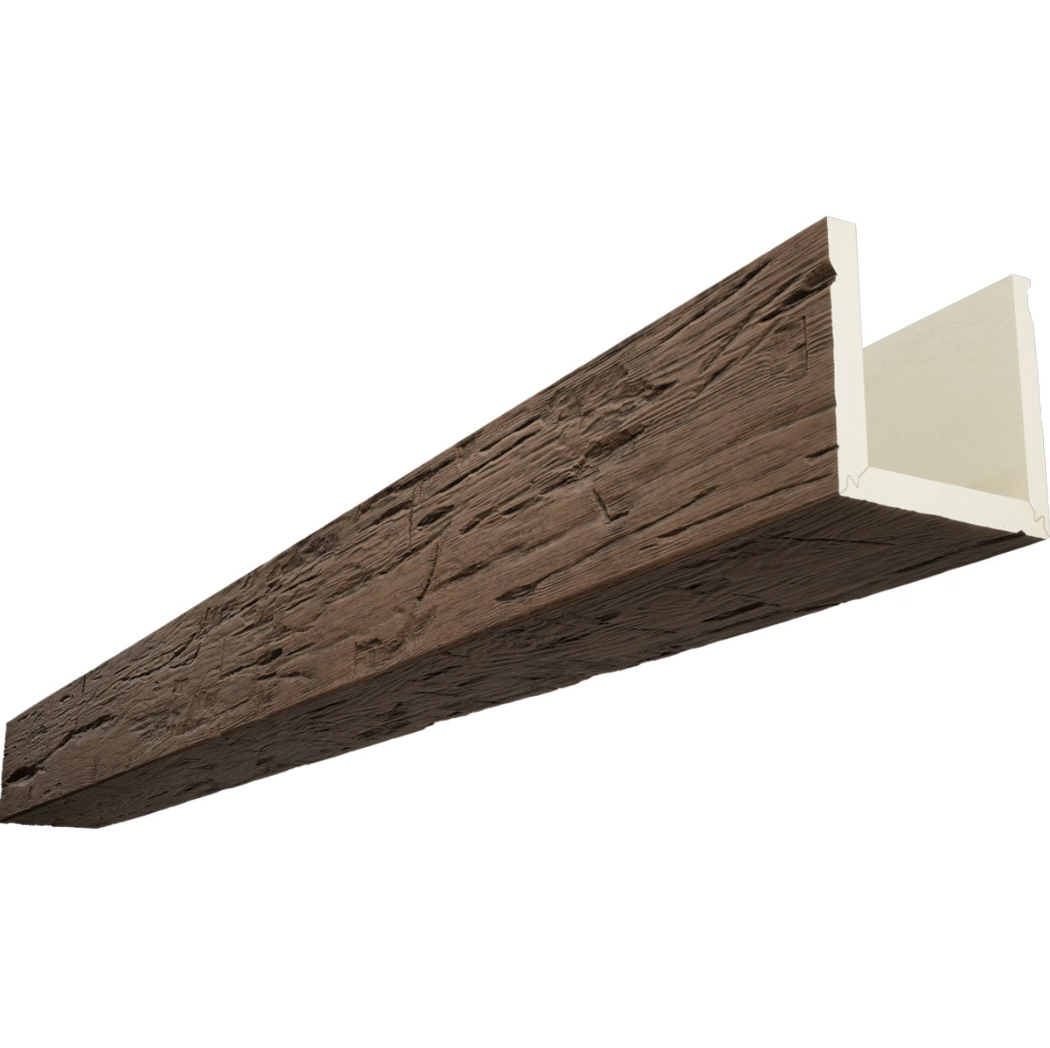
Swimming pool surrounds occupy transitional zones between the aquatic environment itself and the dry spaces that pool facilities include. These areas—where visitors transition from wet to dry, where lounge furniture invites relaxation, and where architectural design can establish the facility's character—deserve ceiling treatments as thoughtful as any interior space. Yet pool surrounds face environmental challenges that exceed typical interior conditions: persistent humidity from the adjacent pool, chemical exposure from water treatment compounds, temperature variations between wet and dry zones, and cleaning protocols that demand resilience from every surface. Waterproof polyurethane faux timber beams provide the aesthetic warmth that elevates pool surrounds without the vulnerability that makes natural wood impractical in these challenging conditions.
The humidity characteristics of pool surround environments deserve detailed understanding because they drive material selection decisions. Pool water constantly evaporates, adding moisture to air that may reach saturation levels, particularly in spaces with limited ventilation. This humid air rises toward ceilings where temperature differentials cause condensation to form on surfaces cooler than the surrounding air. In pool surrounds adjacent to large water surfaces, this humidity exposure can exceed what occurs in typical bathrooms, creating conditions that would rapidly deteriorate natural wood regardless of protective treatment. Polyurethane's complete moisture resistance eliminates this concern entirely, allowing beams to maintain their beauty indefinitely despite relentless humidity exposure.
Chemical exposure from pool water treatment compounds creates additional challenges that distinguish pool environments from ordinary high-humidity spaces. Chlorine and bromine-based sanitizers generate chemically active compounds that rise with evaporating water and contact ceiling surfaces. These compounds can degrade natural wood fibers, break down protective finishes, and promote the corrosion of metal fasteners. Polyurethane's chemical resistance extends to the chlorine compounds that pool environments generate, preventing the deterioration that would eventually compromise natural wood installations. This chemical resilience complements the moisture resistance that enables pool applications.
The aesthetic opportunities that pool surround beam installations unlock significantly expand design possibilities for these spaces. Without reliable beam materials, pool surrounds typically default to utilitarian ceiling treatments that provide little visual interest or warmth. The introduction of waterproof timber-look beams transforms these spaces, creating environments that feel luxurious and inviting rather than institutional. Lounge areas benefit from the warmth that wood aesthetics provide, encouraging extended relaxation that supports the therapeutic value of pool facilities. Changing areas, snack bars, and other support spaces gain architectural character that distinguishes quality facilities from budget competitors.
Lighting integration with pool surround beams creates opportunities for dramatic effects that enhance the overall facility experience. Recessed fixtures installed within or between beams provide ambient illumination that defines the space during evening hours. Accent lighting can highlight beam textures and create shadow patterns that add visual interest to overhead surfaces. The combination of warm wood aesthetics and thoughtful illumination transforms pool surrounds into spaces that invite lingering, supporting the social and recreational functions that pool facilities serve.
Maintenance considerations for pool surround beams reflect the demanding conditions these installations must tolerate. Unlike interior beams that might require cleaning only occasionally, pool surround ceilings experience continuous exposure to humidity, chemicals, and environmental contaminants. Polyurethane tolerates this exposure without degradation, allowing cleaning with standard facility maintenance products. The non-porous surface prevents contaminant penetration, ensuring that beams return to clean condition after appropriate maintenance rather than accumulating the permanent staining that affects natural wood in equivalent conditions.
Ventilation system design for pool surround areas should coordinate with beam installations to ensure optimal performance. Effective dehumidification reduces the moisture load that beams and other surfaces experience, extending already-long service lives while improving user comfort. Beam installations should not obstruct designed airflow patterns that ventilation systems depend upon for efficient operation. Quality installers understand these integration requirements and ensure that aesthetic improvements do not compromise functional systems.

Structural considerations for pool surround beam installations recognize the loads that these spaces may impose. Support structures for pool decks often differ from interior floor systems, with different deflection criteria and loading assumptions. Beam installations should not introduce loads that exceed design capacities, particularly in areas where pool equipment access or maintenance activities might require ceiling penetration. Coordination between designers, structural engineers, and installers ensures that beam installations meet aesthetic goals while satisfying structural requirements.
Fire safety regulations in pool facilities influence material selection significantly. Many jurisdictions impose strict requirements on materials used in natatoriums and aquatic facilities, with fire ratings mandatory for ceiling assemblies in many applications. Polyurethane beam manufacturers offer fire-rated products that meet these requirements, with independent testing documentation that satisfies building officials reviewing facility compliance. This compliance ensures that aesthetic investments do not create code violations that might require remediation or prevent facility operation.
User experience research in aquatic facilities consistently identifies environmental warmth and visual appeal as factors that influence visitor satisfaction and return visits. Institutional-feeling spaces with utilitarian finishes may provide functional swimming access but fail to create the positive associations that encourage ongoing facility use. Warm wood-look beams contribute to the overall atmosphere that makes pool visits pleasant rather than merely necessary. This contribution to user experience represents genuine value that complements the aesthetic pleasure beams provide.
The investment perspective on pool surround beam installations considers both initial costs and ongoing operating expenses. Quality waterproof polyurethane beams cost more initially than commodity wood alternatives but eliminate the maintenance, repair, and replacement cycles that natural materials would require in equivalent conditions. Facilities that calculate true lifetime costs consistently find polyurethane provides superior economics when all factors enter the calculation. The avoided disruption of repeated maintenance and replacement represents additional value beyond the direct cost savings.
Design scale relationships in pool surround applications require attention to the larger volumes these spaces typically occupy. Pool facilities often feature generous ceiling heights and substantial spans between supports, with architectural elements scaled accordingly. Beam installations should match this scale appropriately, with proportions that provide visual impact without appearing undersized relative to surrounding architecture. Professional design input helps navigate these scale decisions, ensuring that beam installations achieve their intended effect in the substantial volumes that characterize pool facilities.
Technical References
ASTM standards cited in every specification
Test Data
Lab results from internal testing program
Updated 2026
Reviewed against current product specs