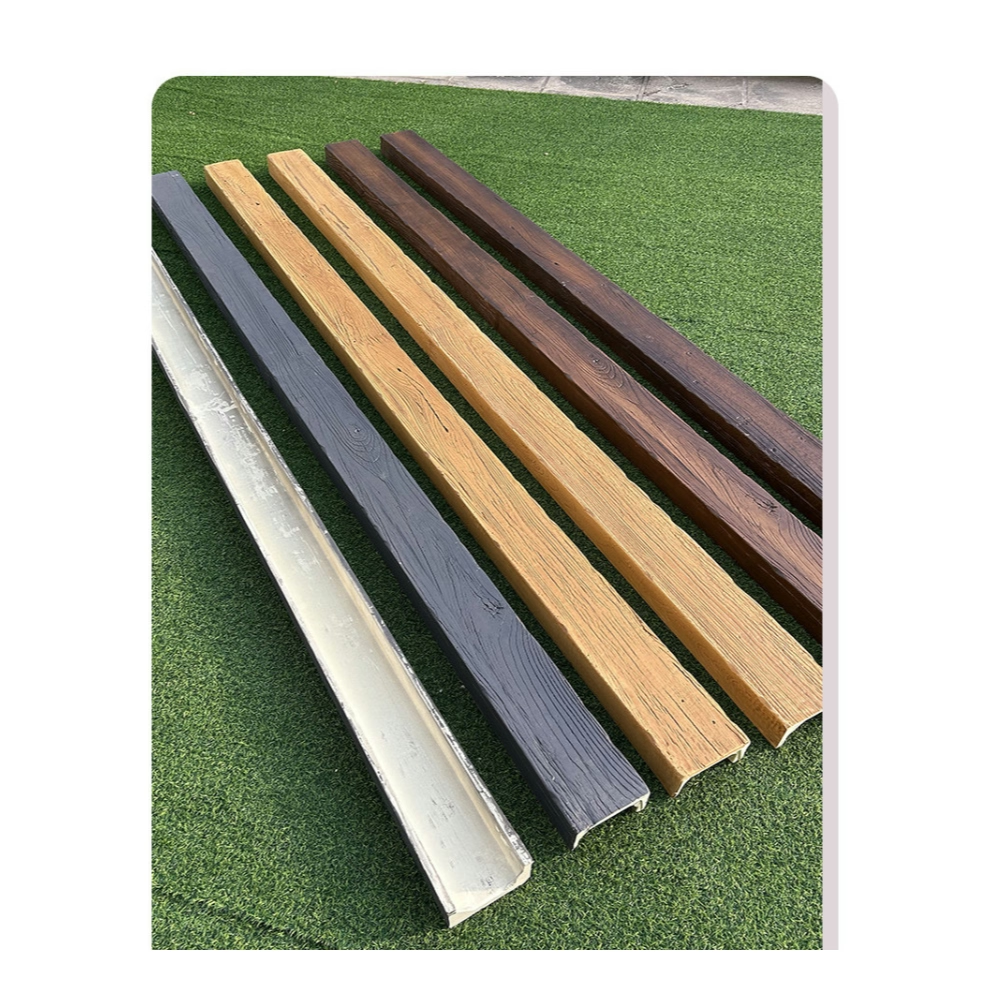
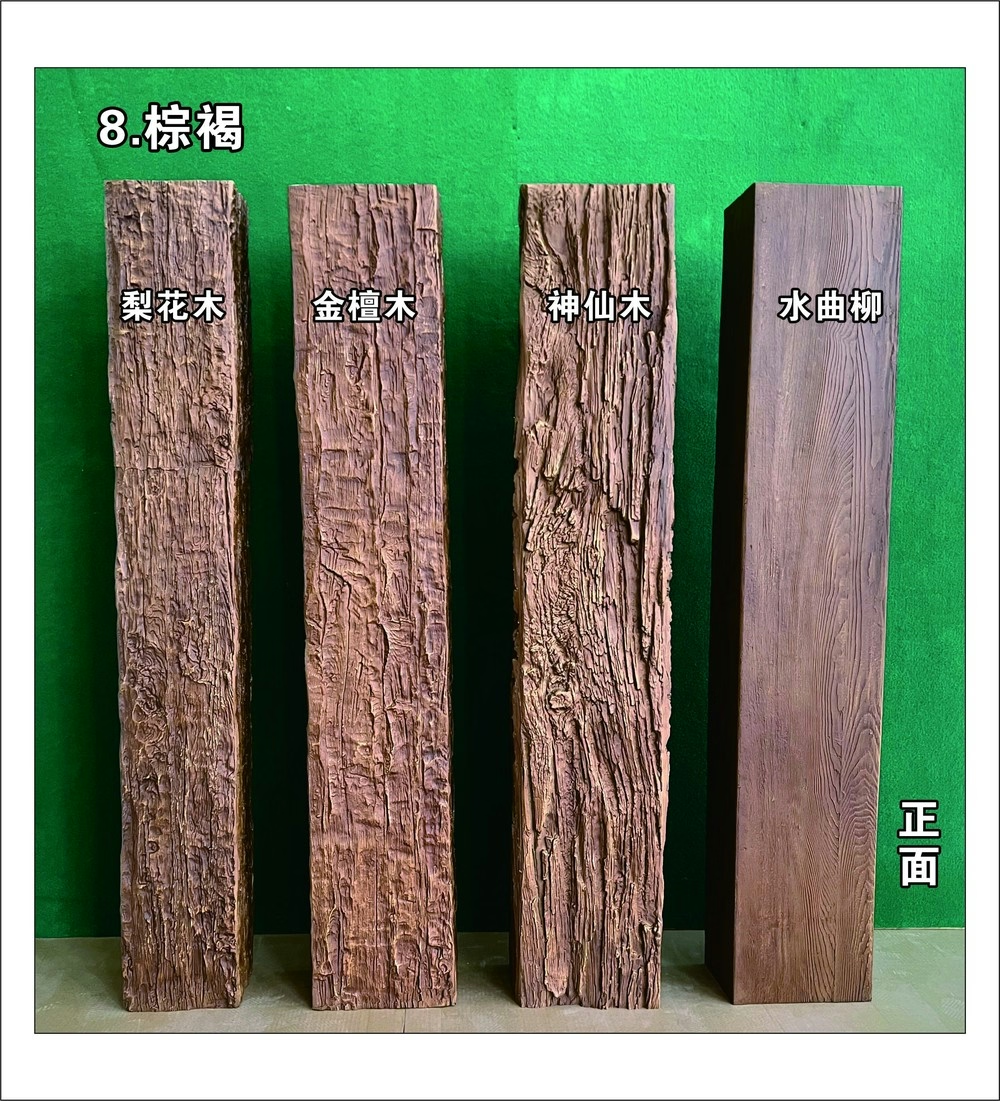
Bathrooms present challenging conditions for faux beam installations that require specialized techniques beyond standard mounting procedures. High humidity from hot showers, splashing near sinks and tubs, and condensation on cold surfaces all threaten installations that might perform perfectly in dry areas. Professional bathroom installers understand these challenges and apply techniques that ensure long-term performance despite moisture exposure.
Bathroom Environment Assessment
Understanding the specific moisture conditions in each bathroom guides installation approach. Master bathrooms with large shower enclosures face far more humidity than powder rooms with only occasional sink use. Ventilation system adequacy dramatically affects effective humidity exposure, as fans that remove moisture-laden air reduce sustained humidity levels.
Shower proximity determines splash exposure that affects installation approach. Walk-in showers without doors spray water throughout the bathroom during use, while enclosed showers with doors contain moisture more effectively. The presence or absence of exhaust ventilation and the duration of shower use all factor into exposure assessment.
Cold surfaces in unconditioned bathrooms may experience condensation when warm, humid air contacts them. Beams on exterior walls or near windows may drop below room temperature during winter, causing condensation that drips onto surfaces below. This condensation effect may be more damaging than direct splash exposure in some installations.
Ventilation Requirements
Continuous or high-capacity ventilation prevents the sustained high humidity that degrades materials over time. Building codes specify minimum ventilation rates for bathrooms, though these minimums may be inadequate for bathrooms with large showers or heavy use patterns. Professional assessment determines whether code-minimum ventilation suffices or enhanced ventilation is required.
Exhaust fans should vent directly to exterior rather than into attic spaces where moisture accumulates and causes other problems. Ductwork should be insulated in unconditioned spaces to prevent condensation within ducts. These installation details ensure that moisture removed from bathrooms actually exits the building rather than migrating elsewhere.
Timer switches or humidity-sensing controls ensure ventilation operates when needed rather than relying on occupant remembering to activate fans. Automatic operation based on humidity levels keeps bathroom moisture controlled even during extended showers. These controls represent modest investment that prevents substantial damage from uncontrolled humidity.
Moisture-Tolerant Materials
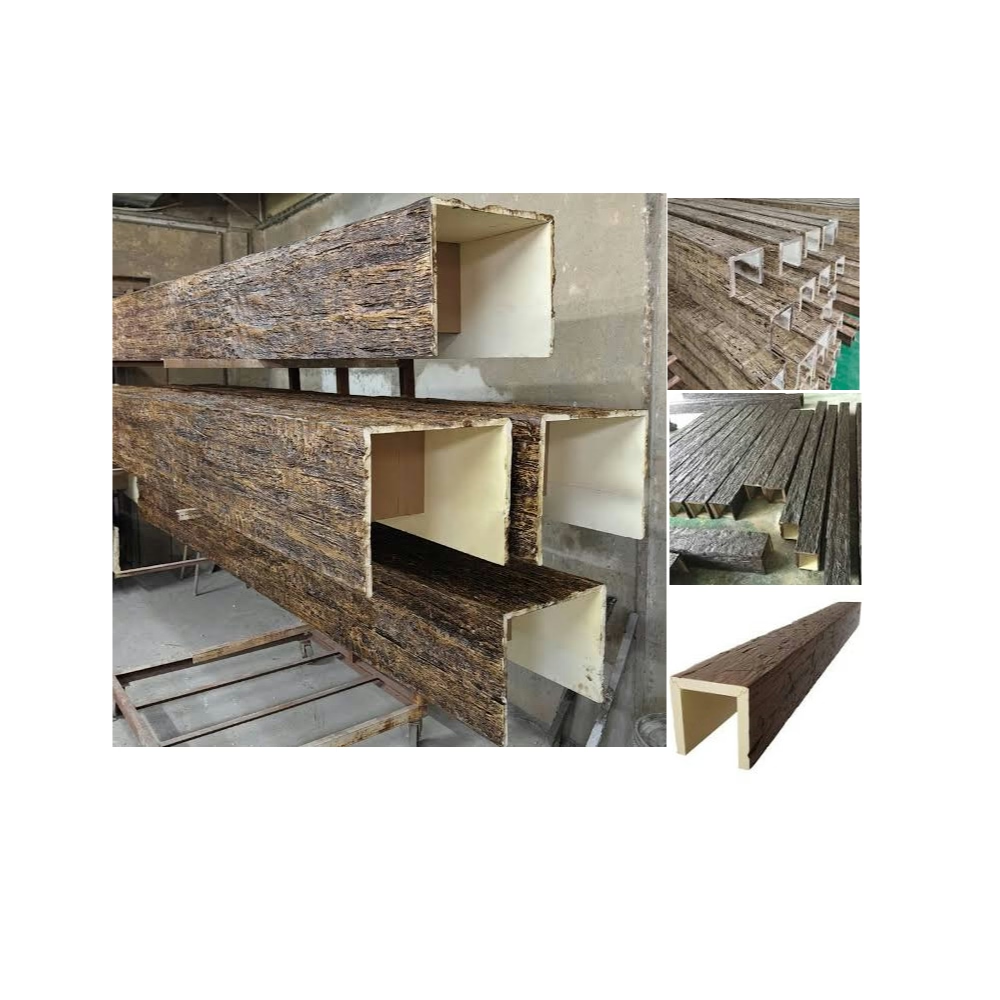
Adhesive selection for bathroom installations requires moisture-tolerant formulations that resist bond degradation in humid conditions. Standard construction adhesives may lose significant strength when exposed to sustained humidity, while premium moisture-resistant formulations maintain bond integrity. Manufacturer specifications should indicate suitability for wet area use.
Sealants for bathroom installations must resist biological growth as well as moisture. Mildew-resistant formulations contain fungicides that prevent the black staining that appears on standard sealants in humid environments. These premium sealants cost more but maintain appearance longer in bathroom conditions. Clear sealants particularly benefit from antimicrobial additives.
Fastener materials in wet areas should be stainless steel or other corrosion-resistant options. Standard steel fasteners will corrode in bathroom humidity, eventually failing and potentially staining beam surfaces with rust. The small additional cost of corrosion-resistant fasteners prevents later problems that replacement would cost far more to address.

Waterproofing Techniques
Waterproofing behind beams prevents moisture that contacts beam surfaces from reaching substrate materials or building structure. Liquid-applied membrane systems create seamless waterproof layers that accommodate building movement without cracking. These membranes install before beam mounting and extend beyond beam edges to catch any water that bypasses beam surfaces.
Sheet membrane systems provide consistent thickness and reliable waterproofing when properly installed. These membranes install with appropriate primers and seam sealing to create continuous coverage. Edge detailing around beam perimeters requires particular attention to ensure water cannot bypass membrane edges.
Penetration sealing at fastener locations prevents water entry along fastener shafts. Sealing washers under fastener heads create water-tight seals that prevent moisture tracking along fasteners into structural framing. These details may seem minor but represent the most common failure points in wet area installations.
Installation Positioning
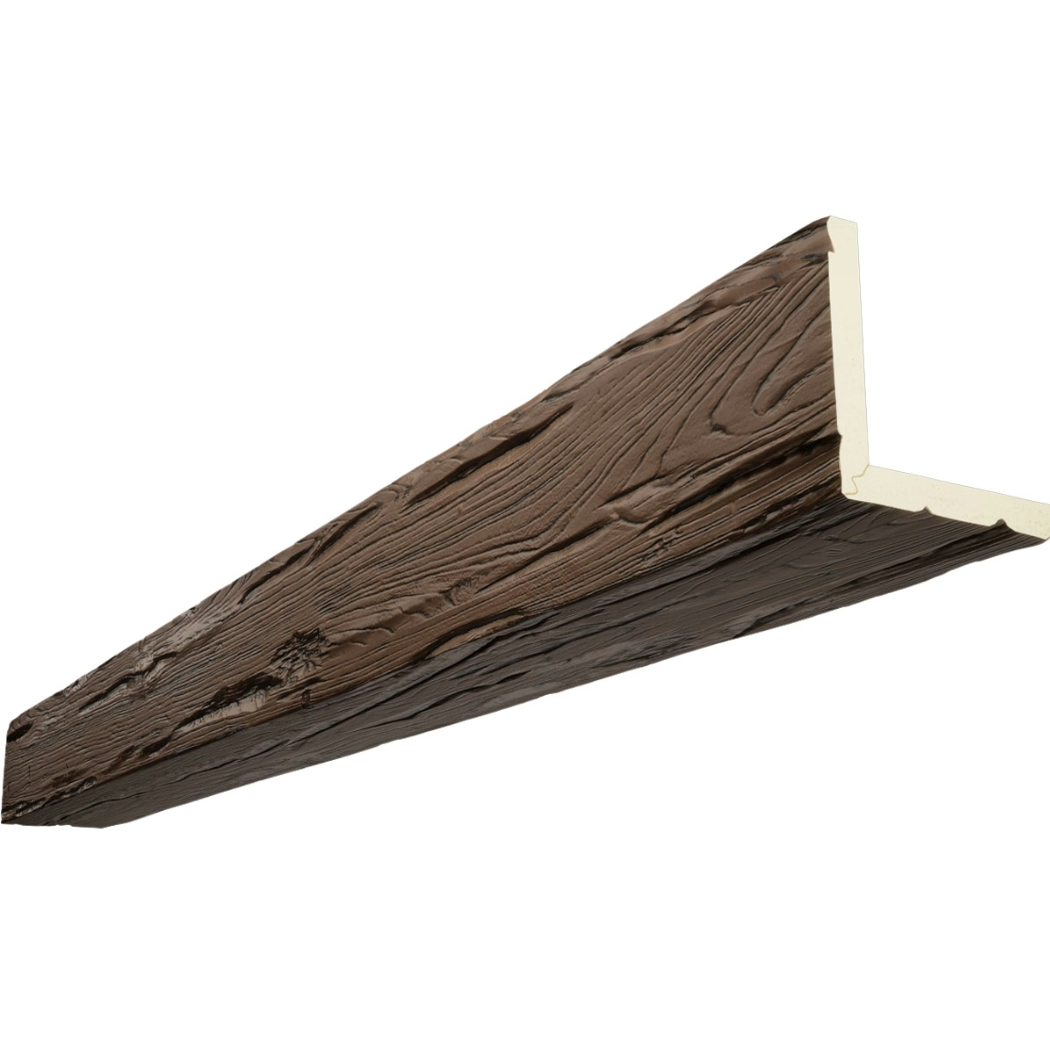
Beam positioning affects moisture exposure significantly. Beams mounted near shower enclosures experience far more direct moisture than beams mounted above vanity areas away from water sources. Design that locates beams in drier areas achieves longevity that placing beams directly over showers cannot match.
Height above floor affects both splash exposure and cleaning access. Higher mounting positions reduce splash exposure but may complicate cleaning and maintenance access. Standard mounting at typical ceiling heights provides reasonable protection for most bathroom configurations.
Orientation perpendicular to shower spray direction reduces direct moisture exposure. Beams parallel to shower spray receive less water than beams perpendicular to spray patterns. This positioning consideration costs nothing during design but significantly affects moisture exposure.
Shower Enclosure Integration
Beams installed around shower enclosures require careful integration with waterproofing systems that shower construction includes. Shower pans and enclosure waterproofing extend beyond shower boundaries, and beam mounting should not penetrate or compromise these systems. Coordination with shower enclosure installation ensures waterproofing integrity.
Clearance between beams and shower boundaries allows maintenance access while preventing water contact. Standard practice maintains at least 2 inches clearance between beam edges and shower enclosure boundaries. This clearance prevents direct water contact and allows drying air circulation around beam surfaces.
Decay or trim details at beam-shower intersections address both appearance and water management. Mitered returns that tuck behind enclosure trim prevent water entry into beam ends. These details require careful execution as they represent vulnerable points where water might otherwise infiltrate.

Maintenance Planning
Maintenance procedures for bathroom beams address the accelerated soiling that humid environments create. More frequent cleaning maintains appearance in conditions where biological growth occurs readily. Cleaning schedules should be more aggressive than for dry-area installations.
Mildew prevention through ventilation and surface treatment extends time between thorough cleanings. Surface treatments that inhibit biological growth reduce cleaning frequency requirements. These treatments should be appropriate for polyurethane surfaces and compatible with any existing finish.
Inspection frequency for bathroom installations exceeds that for dry-area installations. Checking sealant joints, verifying ventilation function, and examining for signs of moisture damage identifies problems early when correction remains straightforward. Annual inspection minimum becomes quarterly inspection for demanding bathroom conditions.
Professional bathroom beam installation combines moisture-tolerant materials, proper waterproofing, adequate ventilation, and realistic maintenance planning. This comprehensive approach produces installations that perform reliably despite challenging humid conditions. Understanding bathroom-specific requirements enables installers to offer this demanding application with confidence.
Technical References
ASTM standards cited in every specification
Test Data
Lab results from internal testing program
Updated 2026
Reviewed against current product specs