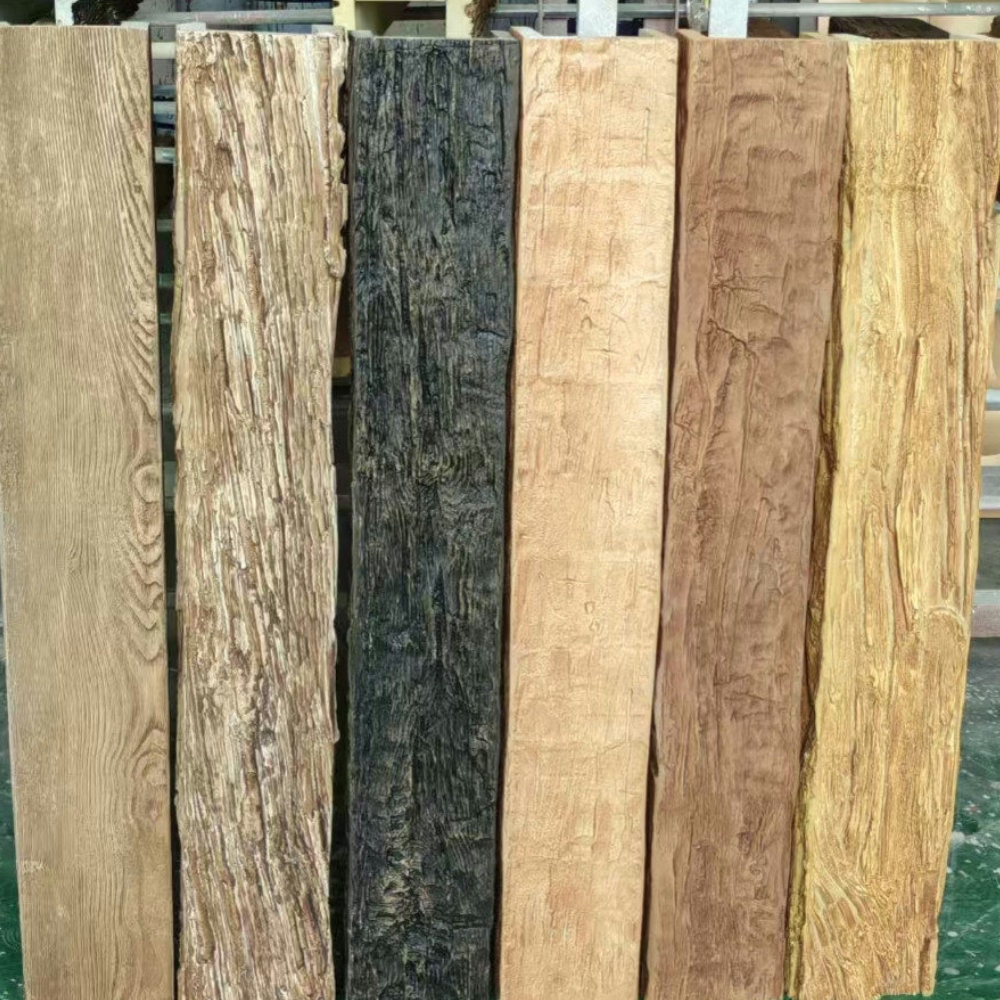
The ceiling often gets overlooked in interior design conversations, yet it represents one of the largest surfaces in any room. Architects and designers have long recognized that ceiling treatment dramatically influences how a space feels and functions. Among the options available, decorative beams stand out as a versatile enhancement capable of transforming平淡的 interiors into memorable environments. PU decorative ceiling faux beams represent the modern evolution of this timeless design element, offering benefits that natural materials simply cannot match.
Homeowners and professionals alike are discovering that the right ceiling beams can completely redefine a room's character. A kitchen with previously uninspiring flat ceilings becomes a showcase of rustic warmth. A bland office lobby transforms into an impressive space befitting a professional environment. These transformations begin with understanding why PU decorative beams have earned their place in contemporary design.

Instant Architectural Impact
Decorative ceiling beams add visual interest to spaces that might otherwise feel flat or unfinished. The vertical dimension that beams introduce creates a sense of structure and intentionality. Rooms feel more complete, more designed, more purposeful. This architectural enhancement works across diverse style preferences—from farmhouse aesthetics to modern minimalism, beams adapt to serve the overall design vision.
The textural contrast between beam surfaces and surrounding ceilings creates depth that draws the eye upward. This upward movement makes rooms feel taller and more spacious, a valuable perception in spaces with limited square footage. Property developers have long understood this trick, using ceiling beams to make rooms feel larger without expensive additions.
Beyond visual appeal, beams serve functional purposes in many designs. They can disguise structural elements, hide wiring or ductwork, and create visual zones within open floor plans. A long great room becomes more intimate when beams mark the boundary between seating and dining areas. The design flexibility these elements provide explains their enduring popularity across decades of architectural trends.
Design Versatility for Every Style
Natural wood beams carry inherent aesthetic limitations. Their appearance depends on the specific timber used, with grain patterns and coloration determined by botanical factors beyond human control. Achieving a specific design vision with wood often requires extensive searching, premium pricing for select-grade materials, and acceptance of inevitable variations.
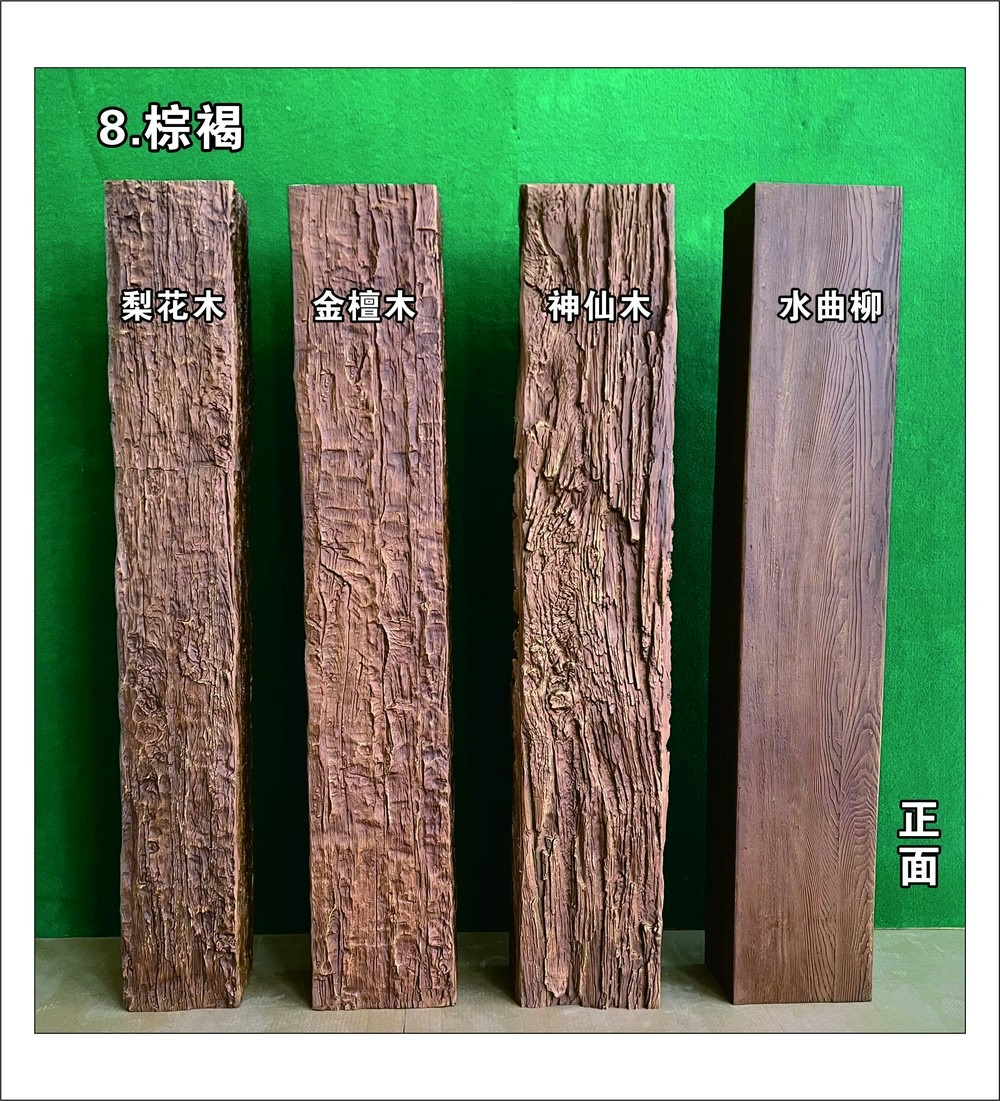
PU decorative beams free designers from these constraints. Manufacturing processes enable precise control over every visual aspect—profile shape, texture depth, color saturation, and surface character. Want beams that precisely match existing trim work? No problem. Need a specific shade of weathered gray that complements your color palette? Available. Require authentic-looking reclaimed wood texture? Achieved through careful mold design.
This versatility extends to structural configurations as well. PU beams work in virtually any ceiling application—flat ceilings, sloped ceilings, vaulted ceilings, curved surfaces. The material cuts and shapes easily, allowing custom installations that would challenge natural wood. Your imagination becomes the primary limiting factor rather than material capabilities.
Straightforward Installation Process
Traditional wood beam installation frequently requires professional help, specialized equipment, and significant construction time. The weight of solid timber necessitates structural calculations, potentially requiring ceiling reinforcement. Hanging heavy beams safely demands experience and proper hardware—mistakes can prove expensive or dangerous.
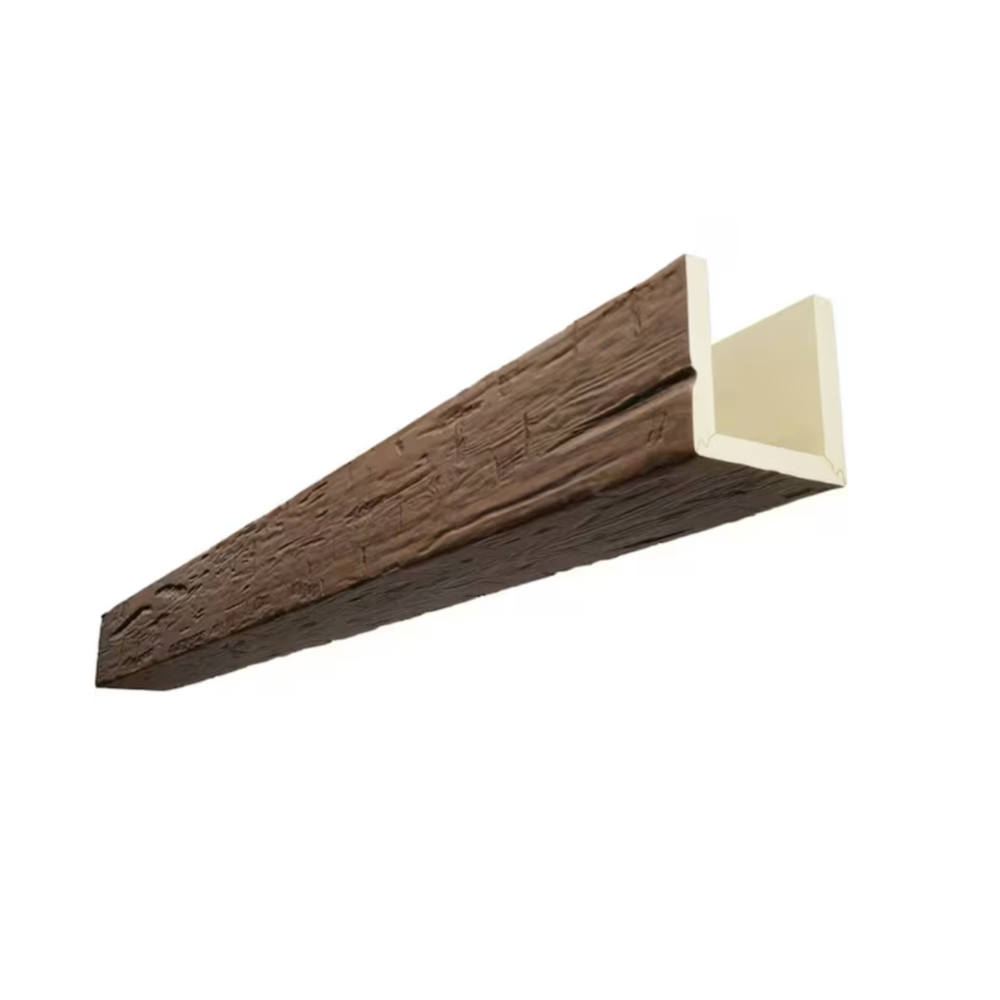
PU decorative beams change the installation equation dramatically. Their light weight means most installations proceed with basic tools and common hardware. DIY enthusiasts with moderate skills can successfully complete beam projects that would otherwise require contractors. Even professional installers appreciate the efficiency gains when working on multiple projects.
The installation methods themselves prove remarkably flexible. Some beams hang from concealed mounting systems, creating the appearance of weight-bearing structures. Others attach directly to ceiling surfaces using brackets or adhesive. The approach chosen depends on the desired visual effect and specific project conditions. Either way, the process remains accessible and manageable compared to traditional alternatives.
Long-Term Value Proposition
Initial material cost matters, but thoughtful buyers understand that value extends across a product's entire lifecycle. PU decorative beams offer compelling economics when evaluated comprehensively. The material itself resists the degradation that shortens natural wood's serviceable lifespan. No moisture damage, no insect activity, no UV deterioration—these beams maintain their appearance and structural integrity for decades.
Maintenance costs drop dramatically with PU beams. Natural wood requires periodic inspection, cleaning, and treatment to prevent damage and maintain appearance. These ongoing expenses accumulate significantly over time. PU beams need only occasional dusting or cleaning with mild soap solutions. The hours saved and chemical products avoided represent genuine value that compounds year after year.
The installation advantages discussed earlier translate directly to economic benefits. Faster installation means lower labor costs and earlier project completion. Lighter materials reduce or eliminate equipment rental expenses. Fewer workers needed per installation reduces coordination complexity and labor scheduling challenges. For commercial projects with multiple installations, these efficiencies multiply into substantial savings.
Climate adaptability
Natural wood responds dramatically to environmental conditions. Humidity changes cause expansion and contraction that stresses joints and fasteners. Temperature cycles create internal stresses that lead to cracking and splitting over time. Geographic location often determines which wood species can be used successfully, as humidity levels and temperature ranges vary regionally.
PU decorative beams ignore these environmental challenges. The material maintains dimensional stability regardless of humidity levels, eliminating the seasonal adjustments that wood beams sometimes require. Temperature fluctuations cause no damage or distortion. This resilience makes PU beams suitable for any climate—from arid desert regions to humid coastal areas.
The implications for building design prove significant. Projects in challenging environments can proceed with confidence that beam installations will perform reliably. Vacation homes that sit empty for months experience no ill effects from closed-up conditions. Spaces with variable occupancy and temperature control maintain beam integrity. Geographic limitations that constrained natural wood installations no longer apply.
Fire Performance Benefits
Building codes increasingly emphasize fire safety, particularly in commercial and multi-unit residential construction. Materials that resist ignition and limit flame spread protect building occupants and reduce property damage risk. Natural wood, being organic, burns readily—creating inherent fire concerns that may require additional safety measures or restricted applications.
Quality PU decorative beams often incorporate fire-retardant chemistry during manufacturing. These additives significantly improve the material's response to fire exposure, reducing flame spread and smoke development. Many products achieve Class A fire ratings—the highest classification available for building materials. This performance provides peace of mind and may satisfy code requirements that would complicate natural wood installations.
The consistency of fire performance across all PU beams in an installation also matters. Natural wood's fire characteristics vary with species, grain orientation, and moisture content. A manufactured product delivers predictable behavior throughout, enabling accurate safety assessments and reliable code compliance.
The decision to choose PU decorative ceiling faux beams reflects a sophisticated understanding of material performance and project economics. These products deliver the aesthetic impact designers seek while eliminating many limitations that constrain natural alternatives. From the initial installation through decades of service, PU beams offer advantages that benefit homeowners, contractors, and building designers alike.
Your next ceiling project deserves consideration of these modern materials. Whether updating a single room or designing a new construction, PU decorative beams provide options that simply weren't available to previous generations of builders and designers. The combination of visual appeal, practical performance, and economic sense explains their growing presence in contemporary architecture.
Technical References
ASTM standards cited in every specification
Test Data
Lab results from internal testing program
Updated 2026
Reviewed against current product specs