Wind Load Resistance Testing for Exterior Faux Wood Beam Installations
Exterior faux beam installations must resist wind loads based on geographic location and mounting configuration. Understanding testing protocols and design wind pressures ensures safe, code-compliant exterior applications.
Design Wind Pressure Fundamentals
Wind load calculations consider building height, exposure category, and regional wind speed data. Coastal and high-elevation installations face significantly higher design pressures than sheltered inland locations.
Surface Area Exposure
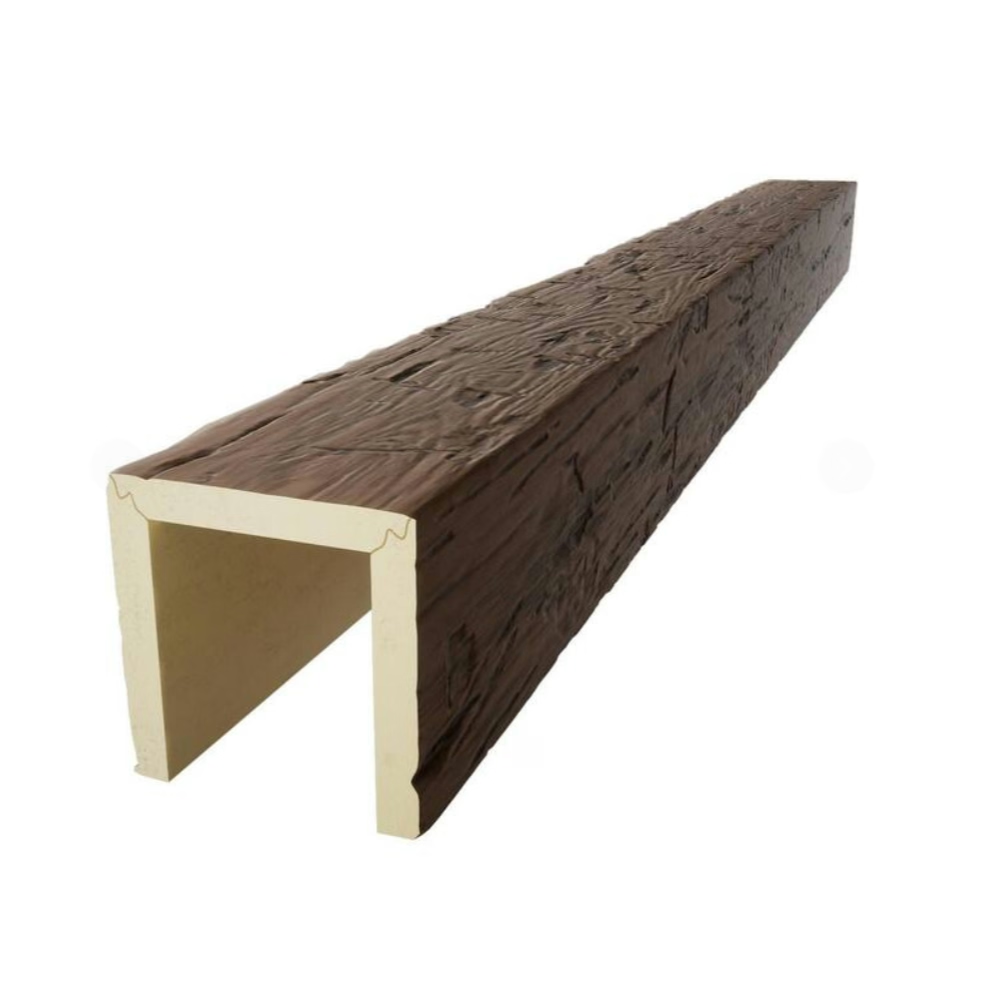
Beam profile dimensions and projection distance from mounting surface determine total wind load. Larger beam profiles (12x12 inches) experience proportionally higher loads than smaller profiles (6x6 inches) under identical wind conditions.
Mounting System Load Transfer
Proper mounting systems transfer wind loads from beam surface through attachment hardware into structural framing. Inadequate fastener spacing or substrate strength creates failure points under design wind events.
Testing Protocol Standards
ASTM E330 provides standardized wind load testing methodology for exterior building components. Third-party testing laboratories subject beam assemblies to positive and negative pressure cycles matching regional design requirements.
Safety Factor Requirements
Building codes typically require 1.5x safety factor above calculated design loads. Testing verification ensures installed assemblies maintain integrity under worst-case wind scenarios with appropriate safety margins.
Porch and Soffit Applications
Protected exterior locations like covered porches experience reduced wind exposure compared to fully exposed installations. Mounting requirements can be adjusted based on actual exposure conditions rather than maximum design pressures.
Coastal High-Wind Zones
Hurricane-prone regions require enhanced mounting specifications. Stainless steel fasteners, reduced fastener spacing, and structural engineer review may be mandatory for code compliance in these jurisdictions.
Post-Installation Verification
Periodic inspection of exterior beam installations identifies mounting hardware deterioration, fastener loosening, or substrate degradation that could compromise wind load resistance over time.
Conclusion
Wind load resistance for exterior faux beams depends on geographic location, exposure conditions, and proper mounting system design. Testing verification and code-compliant installation ensure long-term safety and performance in exterior applications.
Technical References
ASTM standards cited in every specification
Test Data
Lab results from internal testing program
Updated 2026
Reviewed against current product specs