Multi-beam installations succeed or fail based on visual unity that makes separate pieces appear as intentional design rather than accumulated components. Wood grain direction represents one of the most significant factors in this visual unity—beams with mismatched grain directions draw attention to individual pieces rather than the cohesive whole. Professional designers plan grain direction from the earliest design stages, ensuring that ordered materials create unified installations.
Understanding Grain Direction Impact
Polyurethane faux beams attempt to replicate the appearance of natural wood, including the characteristic grain patterns that wood displays. These grain patterns create visual rhythm and texture that draws the eye along beam lengths. When multiple beams share the same grain direction, this visual rhythm flows continuously across the installation. Mismatched directions create visual interruption that eye cannot ignore.
Grain direction affects perceived beam orientation even before viewers consciously notice the pattern itself. Beams with vertical grain orientation feel taller and more substantial, while horizontal grain creates width and mass. Mixing these orientations creates visual confusion rather than interest. Consistent orientation reinforces architectural intent, while inconsistency undermines it.
End grain visibility varies with viewing angle and lighting, sometimes making end grain more prominent than running grain. When adjacent beams show different end grain patterns, the mismatch becomes obvious at beam intersections. Planning grain direction eliminates this source of visual discord from the installation.
Planning Grain Direction Early
Design decisions about grain direction should occur during schematic design, not during installation when material selection constraints may prevent ideal execution. Early planning ensures that ordering specifications include grain direction requirements and that site conditions accommodate the intended approach. This proactive planning prevents costly corrections after materials arrive.
Floor plans should indicate grain direction requirements for each beam group using consistent notation. Directional arrows on beam symbols communicate requirements to material suppliers and installers without requiring lengthy written descriptions. This notation should appear on all drawings that show beam installation, including reflected ceiling plans and elevation views.
Material ordering should specify grain direction requirements explicitly. Suppliers who offer grain orientation choices can select materials that match directional requirements when this specification appears on purchase orders. Without explicit specification, suppliers typically ship materials with random grain directions, requiring sorting upon arrival that delays installation.

Standard Orientation Conventions
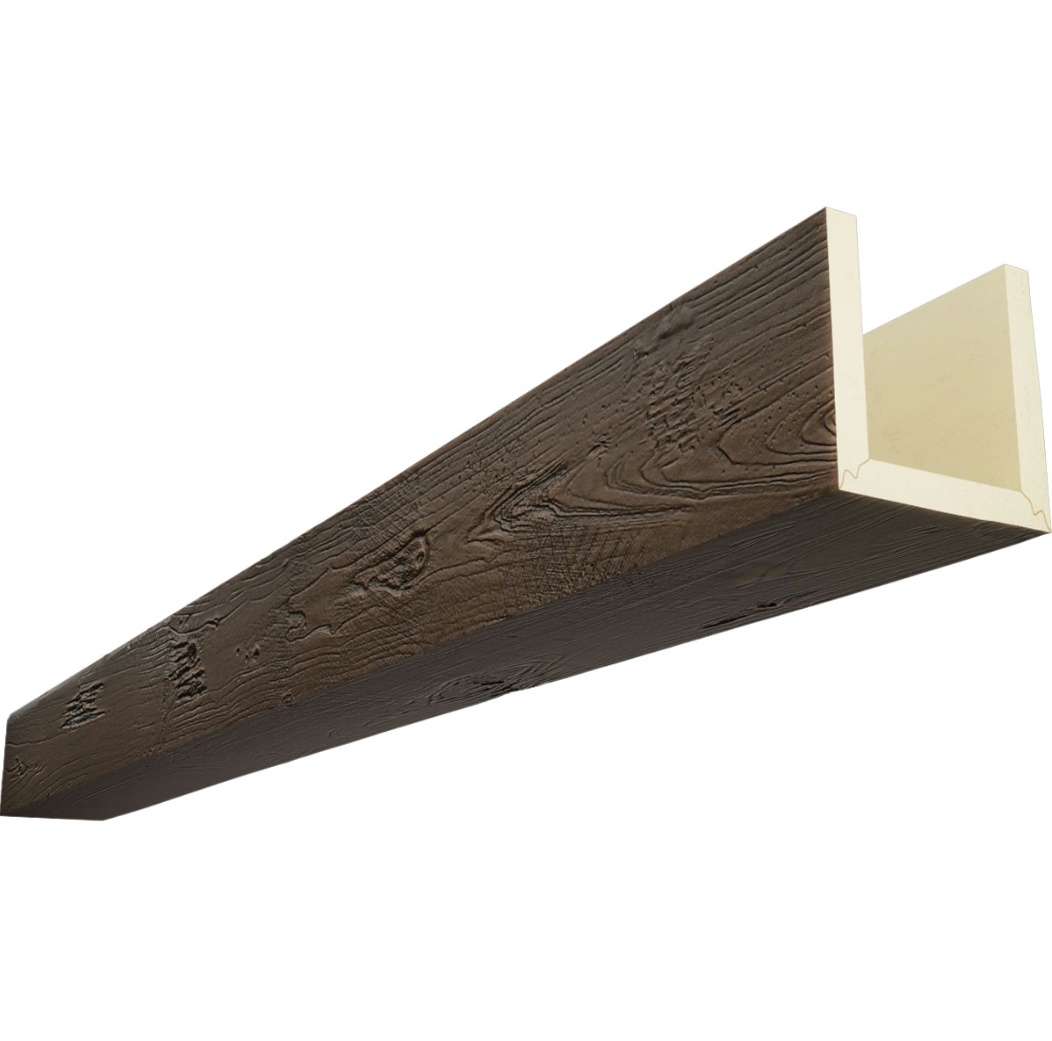
The most common convention orients grain running along beam length, creating the appearance of timber cut with grain parallel to the piece's length. This orientation suits most applications, particularly where beams replicate structural timber that would naturally have longitudinal grain. The convention requires no special explanation and meets expectations in most contexts.
Vertical grain orientation, with grain running around the beam circumference rather than along its length, creates a different appearance that some applications call for. This orientation makes beams appear more massive and shows more grain variation along their length. The effect suits rustic applications or designs seeking deliberately different aesthetics.
Mixed orientations can work when design intentionally contrasts grain direction for visual effect. This approach requires strong design rationale and confident execution, as mixed grain without clear purpose appears to be error rather than intention. Most professional work avoids mixed grain unless specific design goals demand it.
Managing Multiple Beam Orientations
Complex installations may require different grain directions for beams in different orientations. Horizontal beams might have longitudinal grain while diagonal beams have different orientations that read consistently within their orientation group. This approach maintains visual logic within beam orientation categories while accommodating geometric complexity.
Transition detailing at beam intersections should address grain direction changes between intersecting pieces. When beams of different grain orientations meet, the intersection becomes visually prominent. Coping details and return treatment should anticipate these intersections and handle them gracefully.
Field modification of grain direction is rarely possible with polyurethane beams. Unlike natural wood that can be re-surfaced to change grain direction, polyurethane grain is molded into the surface and cannot be altered without replacing the piece. Material selection must achieve grain direction requirements before installation.
Source Planning for Consistent Materials
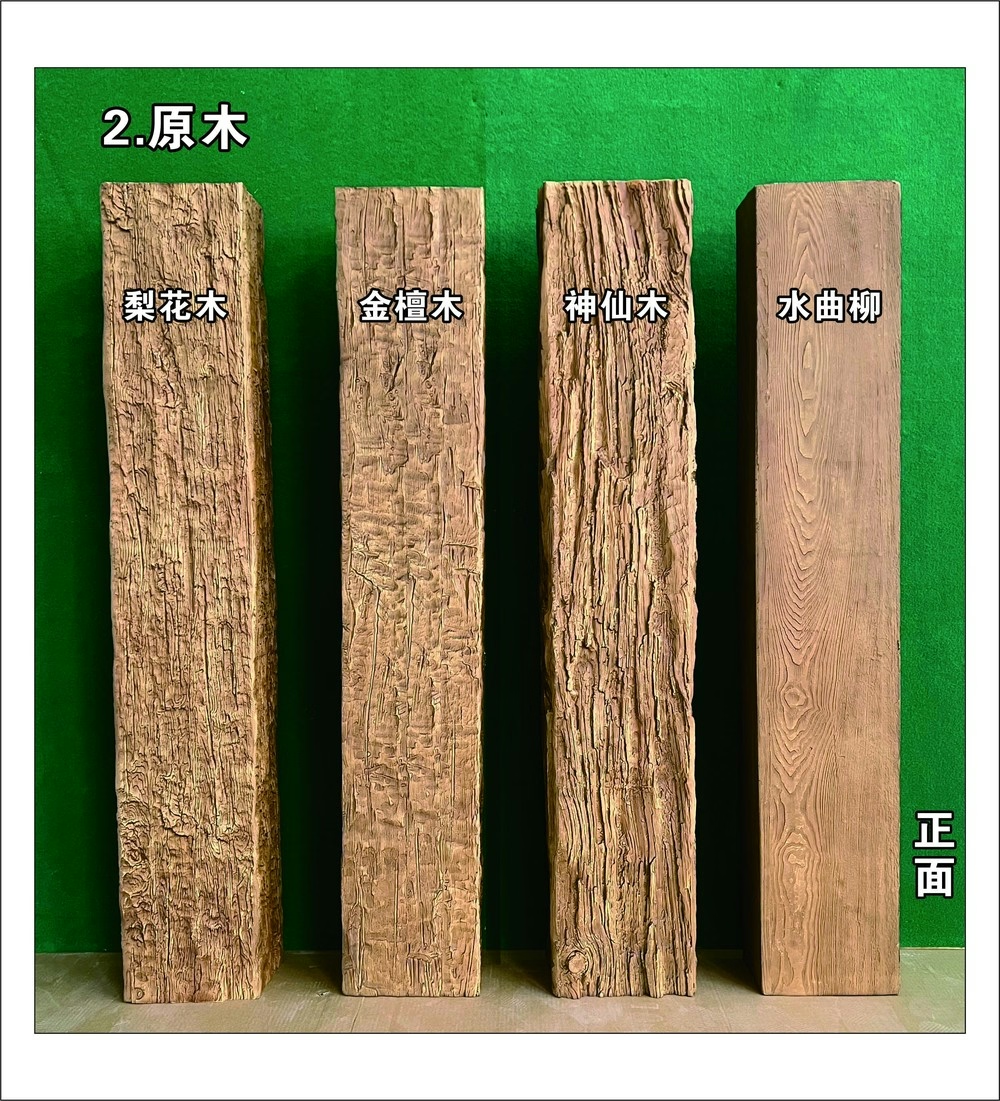
Materials from the same production batch share consistent grain patterns because they come from the same mold cavity with identical texture surfaces. Ordering all beams for a project from the same batch minimizes grain pattern variation. When ordering spans multiple batches, grain pattern differences may become visible in the completed installation.
Supplier selection affects grain consistency as much as batch timing. Different manufacturers use different grain texture patterns that never quite match even when technical specifications align. Selecting one supplier and ordering all materials together improves consistency compared to combining materials from multiple sources.
Material storage before installation should maintain consistent orientation. Beams stored in mixed orientations may develop slight surface variations from uneven light exposure or handling that affects appearance. Keeping beams in consistent orientation until installation prevents these acquired inconsistencies.

Site Handling and Installation Sequence
Installation sequence should consider grain direction orientation from the first piece placed. Starting with a reference beam that establishes grain direction for the installation provides orientation standard for subsequent pieces. This reference beam should be positioned where orientation is most visible, typically the most prominent location in the installation.
Handling practices should maintain consistent grain orientation throughout installation. Beams that flip or rotate during handling may end up with grain facing the wrong direction. Careful handling prevents orientation errors that would require uninstallation and reinstallation to correct.
Quality verification before installation confirms grain direction matches requirements. Checking grain orientation before applying adhesive prevents the frustration of discovering orientation errors after bonding. This check takes only moments and prevents substantial rework.
Communication with Installers
Clear communication about grain direction requirements reaches installers through drawings, specifications, and physical samples. Drawings should indicate direction using standard notation that installers understand. Specifications should reinforce drawing requirements with explicit language about orientation expectations.
Physical samples showing intended grain direction eliminate ambiguity that drawings cannot resolve. Samples that show both correct orientation and incorrect orientation help installers recognize what correct looks like versus common errors. These samples become reference tools for quality verification.
On-site orientation verification should occur before adhesive application. Installers should confirm grain direction matches specifications for each beam before proceeding with permanent mounting. This verification step takes minimal time and prevents costly corrections.
Professional wood grain direction planning creates multi-beam installations with unified, intentional appearance. The coordinated grain direction that planning enables distinguishes professional work from amateur installations where random orientation creates visual discord. This attention to detail reflects the care that quality faux beam work requires throughout the design and installation process.
Technical References
ASTM standards cited in every specification
Test Data
Lab results from internal testing program
Updated 2026
Reviewed against current product specs


