The most technically perfect faux beam installation can appear amateur if joints show visible grain breaks that interrupt the wood pattern. Conversely, carefully matched grain creates the impression of continuous timber that justifies the investment in quality materials and professional installation. Grain matching represents a craft skill that distinguishes installations where beams merely occupy space from installations where beams enhance architecture.
Understanding Grain Matching Challenges
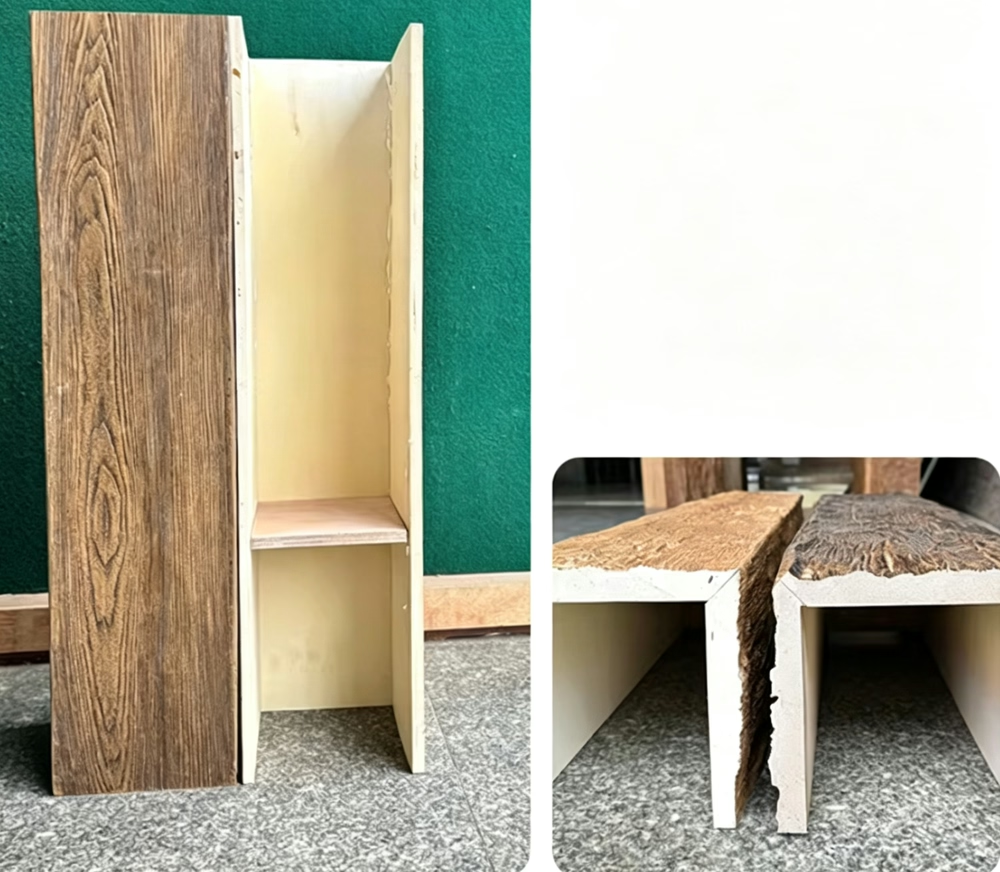
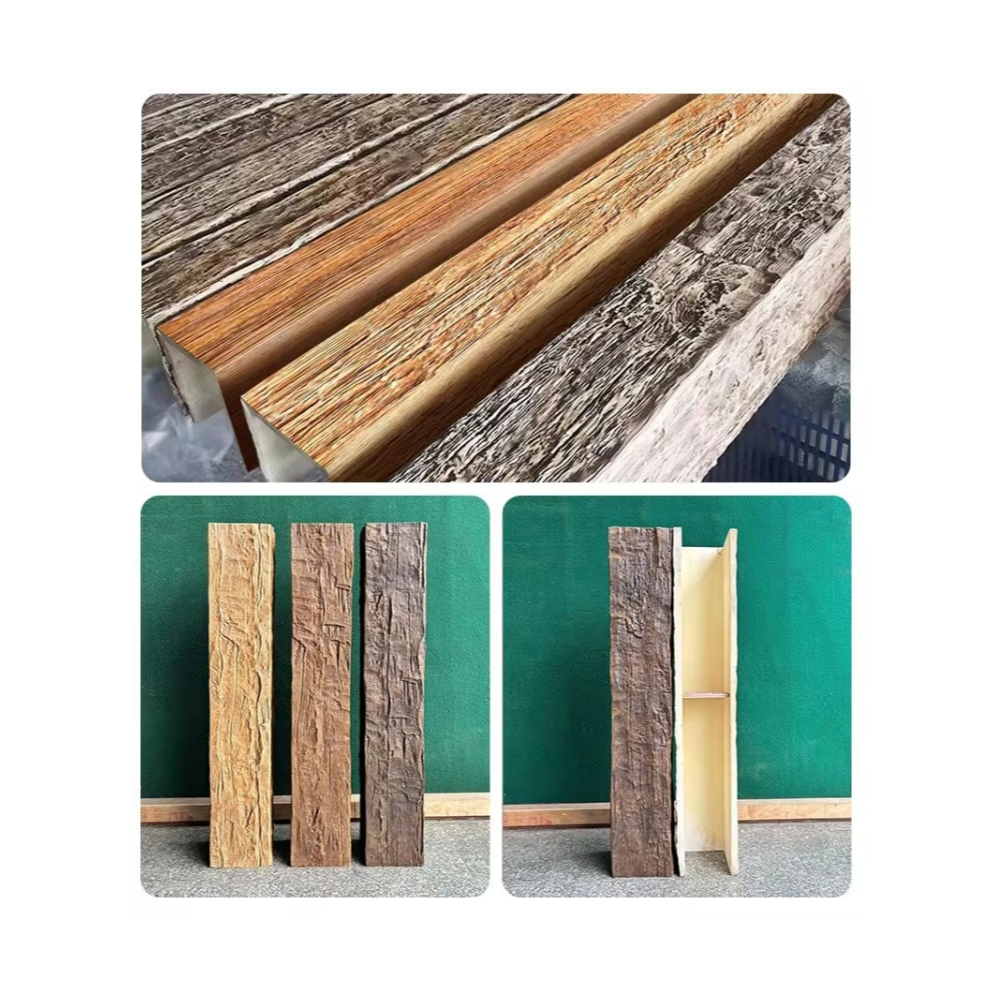
Polyurethane faux beams replicate wood grain through surface texture that manufacturers mold into beam profiles. Unlike natural wood that displays continuous grain throughout a single piece, manufactured beams may show grain pattern discontinuities at joints where separate pieces meet. The goal of grain matching is to minimize or eliminate these discontinuities.
Grain texture on manufactured beams typically repeats within a pattern length, though exact repetition varies by manufacturer and quality level. Premium manufacturers design grain patterns that minimize visible repetition, while economy products may show obvious pattern repeats. Understanding the products being installed guides matching expectations and techniques.
Lighting conditions affect grain matching visibility significantly. Raking light across beam surfaces emphasizes texture variations that flat lighting conceals. North-facing windows and artificial lighting from consistent angles create different visibility than variable natural light. Matching decisions should anticipate the lighting conditions the installation will actually face.
Material Selection for Matching
Ordering materials specifically for grain matching requires advance planning that most purchasing does not include. When projects require seamless joints, ordering should specify that all beams for the installation come from the same production batch. Production batches share identical mold conditions and texture patterns that facilitate matching.
Manufacturers who understand professional requirements can often select materials from inventory that share similar grain characteristics. Communicating matching requirements before ordering enables supplier assistance in material selection. The additional time this coordination requires pays returns in installation appearance.
When batch-matched materials are unavailable, larger quantities of material from the same manufacturer increase the statistical likelihood of finding matching pieces. Ordering 20% extra material for a critical installation allows sorting for the best grain matches before installation begins. This buffer material costs only the price of pieces that go unused, while enabling matches that otherwise would be impossible.

Sorting and Matching Procedure
Material receipt begins the matching process with systematic sorting that identifies best matches. Unpacking and arranging beams with grain patterns visible enables comparison that determines which pieces join together best. This sorting should occur in good lighting that reveals grain characteristics accurately.
Side-by-side comparison of adjacent beam ends identifies matches that work versus those that do not. Matching requires both pieces to be present, so sorting should identify which pieces will join before any installation begins. Temporary dry-fit arrangements confirm matches before adhesive application.
Match quality assessment considers both pattern alignment and color consistency. Grain pattern should flow continuously across the joint, with pattern elements appearing to continue from one piece into the next. Color should be consistent across both pieces, as pattern alignment cannot compensate for visible color differences.
Joint Preparation for Matching
Clean joint surfaces enable accurate matching assessment. Any surface contamination including dust, fingerprints, or shipping residue affects how light reflects from surfaces, potentially masking true grain pattern. Clean surfaces with appropriate cleaners and allow complete drying before assessment.
Proper cutting technique creates clean ends that facilitate accurate grain matching. Saw cuts should be perpendicular to beam length for square joints, with clean surfaces that reveal true grain pattern without saw marks or burn marks that distort appearance. The saw cut quality affects how well matching succeeds.
Sample fitting before adhesive application confirms that chosen pieces actually match when positioned together. This dry fit verification prevents adhesive waste on pieces that turn out not to match as expected. Minor adjustment by selecting different pieces is possible before adhesive cures; adjustment after adhesive application requires destructive removal.
Field Matching Techniques
Field grain matching addresses situations where material selection cannot guarantee perfect matches. These techniques work with available materials to create the best possible appearance without requiring special-order materials or extended coordination.
Rotating one piece relative to the other changes how grain patterns align at the joint. Small rotations of 5-10 degrees can significantly improve pattern continuity without noticeably changing beam orientation. This technique works best with irregular grain patterns that tolerate rotation without appearing crooked.
Position adjustment within the beam run can place the best matches at the most visible locations while accepting lesser matches at concealed locations. Careful layout planning reserves premium match locations for prominent positions while using less critical locations for more challenging matches.
Staggered joints avoid placing mismatched grain at single visible locations. Rather than one obvious joint, staggered installation creates multiple joints that distribute matching challenges. This approach works particularly well when grain patterns have directional elements that benefit from staggering.

Finishing Adjustments
Minor grain differences that cannot be eliminated may be reduced through finishing techniques. Staining can adjust color balance between pieces to reduce visible differences. This approach requires skill to achieve uniform color across multiple pieces while matching to surrounding beams.
Grain filling treatments can reduce texture contrast at joints by filling surface texture that catches light and emphasizes discontinuities. Grain filler applied to both pieces before installation creates more uniform surface that matches better than unfilled surfaces.
Clear coats can unify appearance by creating consistent surface sheen across multiple pieces. Differential sheen between pieces emphasizes differences, while consistent sheen minimizes them. Finish application technique affects sheen uniformity significantly.
Quality Standards and Expectations
Professional grain matching aims for seamless appearance under normal viewing conditions. Perfect invisibility under all lighting conditions is rarely achievable with manufactured materials, but achieving invisibility under typical conditions represents achievable professional standard. This standard means that casual observers should not notice joint locations.
Acceptable matching may show slight discontinuity under close inspection or unusual lighting. This level of matching accepts minor imperfections that are not visible from normal viewing distances. The distinction between professional matching and amateur work is whether joints are visible at normal viewing distance, not whether they can be detected under scrutiny.
Complete concealment requires either perfect material matching or trim details that hide joints entirely. Trim-based concealment uses return details, end caps, or decorative elements to place joints in locations where they cannot be seen. This approach trades joint visibility for trim complexity and should be chosen based on design intent.
Professional wood-grain matching elevates faux beam installations from acceptable to excellent. The extra effort that matching requires distinguishes work that appears continuous from work that obviously consists of separate pieces. Understanding matching techniques and planning for matching implementation enables the seamless appearance that clients expect from professional installation work.
Technical References
ASTM standards cited in every specification
Test Data
Lab results from internal testing program
Updated 2026
Reviewed against current product specs


