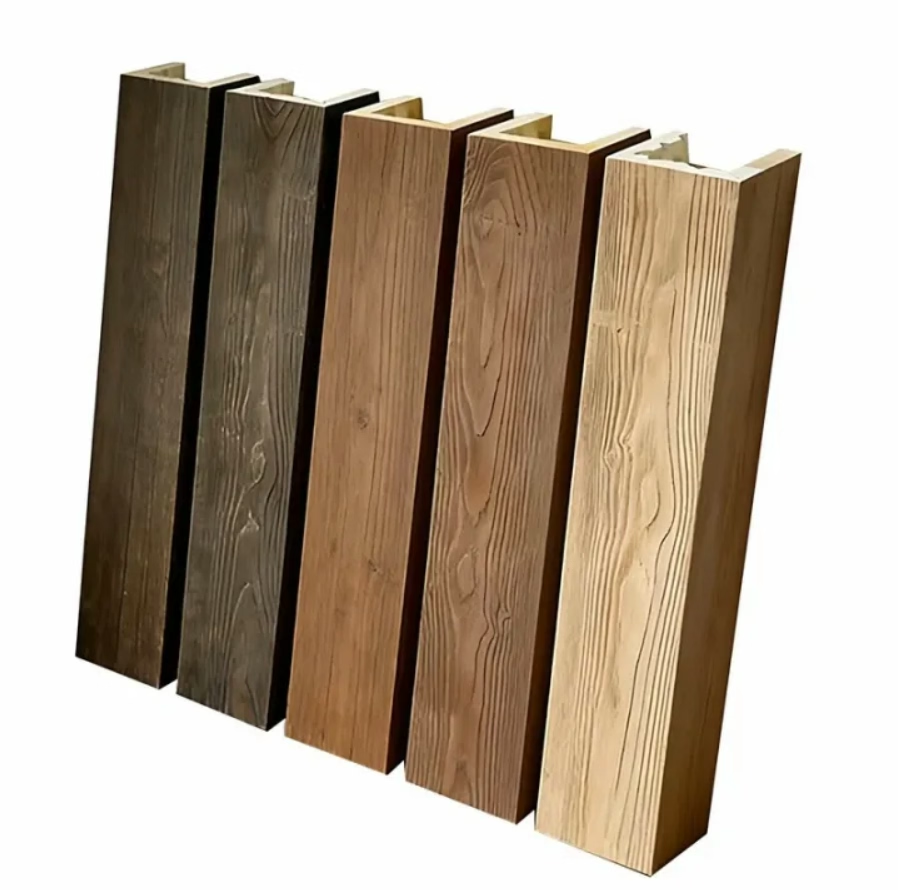
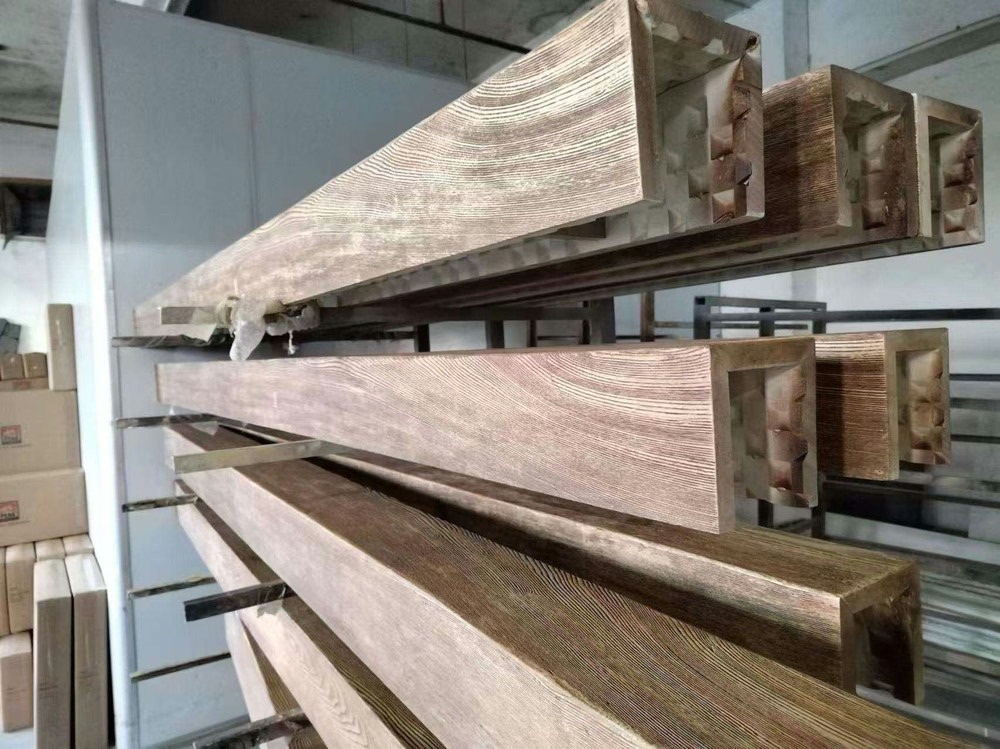
Take real timber outdoors and moisture wins. It always does, given enough time. Even pressure-treated lumber, rated for ground contact, eventually surrenders to fungal decay and structural failure. This is why architects and builders increasingly specify exterior grade polyurethane for visible beam elements in outdoor spaces. The material simply does not absorb water, which means humidity cannot degrade it the way it degrades organic alternatives.
Exterior grade PU faux beams deliver the timber aesthetic in locations where timber cannot survive. Pergolas, covered patios, outdoor kitchens, pool enclosures, and resort signage all benefit from humidity-proof formulations that maintain appearance through years of weather exposure.
Understanding exterior grade classification
Not all polyurethane beams suit outdoor use. The designation matters:
Standard interior grade — formulated for controlled environments, may yellow under UV exposure, not designed for moisture contact
Exterior grade — UV stabilizers added, moisture resistant by design, formulated for temperature extremes, tested for outdoor durability
Premium exterior grade — maximum UV protection, enhanced impact resistance, proven long-term outdoor performance, often includes extended warranties
When your project involves any outdoor exposure, exterior grade specification is non-negotiable. The price premium over interior grade is modest; the performance gap is substantial.
How humidity-proof PU performs outdoors
The material properties create inherent weather resistance:
Closed-cell structure — water molecules cannot penetrate the polymer matrix
No hygroscopic absorption — unlike wood, PU absorbs zero moisture
UV-resistant pigments — colorants formulated for sun exposure resist fading
Thermal stability — expansion and contraction stays within elastic limits
Biological indifference — insects, mold, and fungi cannot affect polyurethane
These characteristics mean exterior grade beams installed in full sun, partial shade, or covered outdoor spaces all perform reliably. Rain falling on the surface, humidity in the air, morning dew accumulation — none of these create problems the way they would with timber.

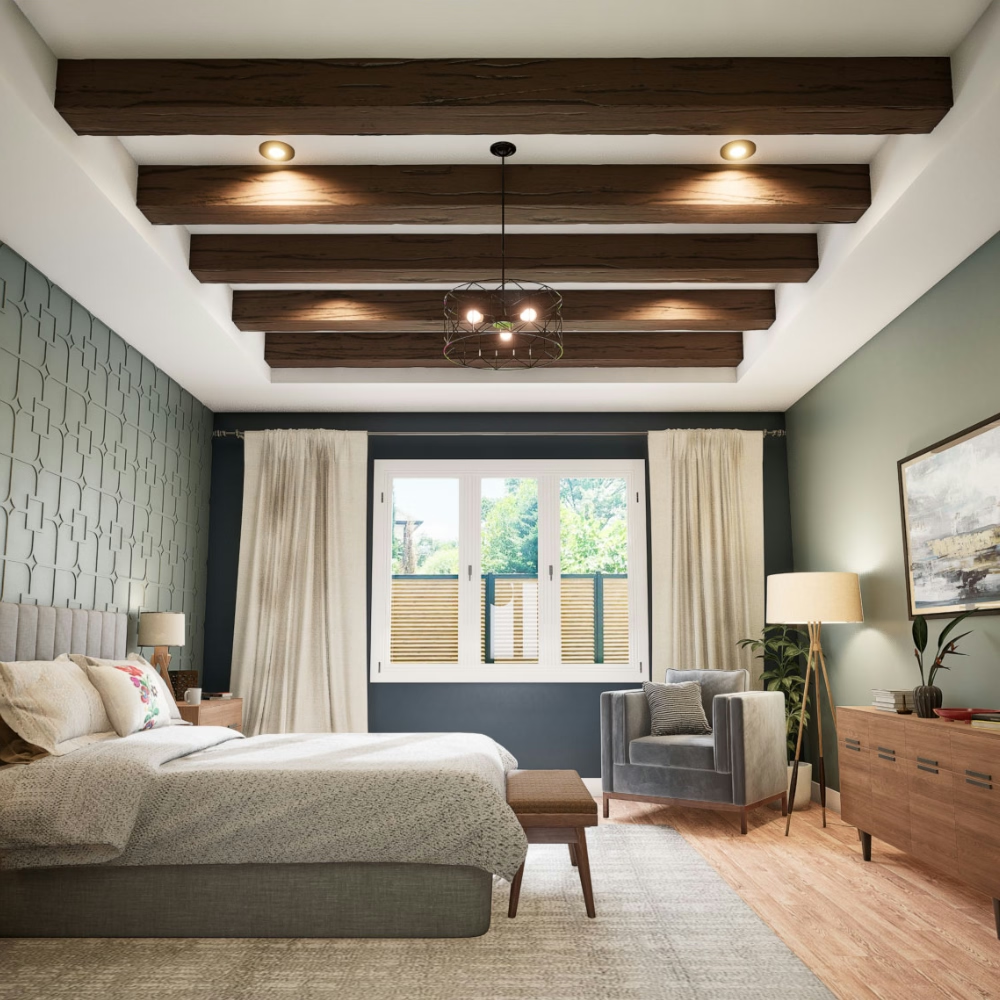
Outdoor application scenarios
Exterior grade beams serve diverse architectural situations:
Covered patio structures
Overhead beams in covered outdoor rooms face indirect weather exposure:
- Indirect rain splash
- Condensation from temperature swings
- Ambient humidity from landscaping irrigation
- Windborne moisture
These conditions would slowly degrade untreated timber. Exterior grade PU maintains appearance indefinitely.
Pool and spa enclosures
High-humidity outdoor environments demand moisture-proof materials:
- Constant splash exposure
- Chlorinated atmosphere
- Salt air in coastal locations
- Heavy rainfall in tropical climates
The humidity-proof formulation handles all these conditions without special treatment or ongoing maintenance.
Outdoor kitchen overhead
Kitchen installations face grease, heat, and moisture simultaneously:
- Cooking steam and vapor
- Cleaning water spray
- Temperature extremes from grills and appliances
- Food and beverage spills
Exterior grade beams clean easily and show no moisture damage from any of these exposures.
Resort and hospitality signage
Commercial outdoor applications require minimal maintenance:
- Wayfinding beam structures
- Entry monumentation
- Themed architectural elements
- Covered walkway treatments
Property managers appreciate beams that look perpetually maintained without actual maintenance requirements.
Comparing exterior beam materials
For outdoor use, several options exist with different performance characteristics:
| Material | Humidity Resistance | UV Stability | Maintenance | Lifespan |
|---|---|---|---|---|
| Real Timber | Poor | Poor | High | 5-15 years |
| Pressure Treated | Good | Poor | Medium | 10-20 years |
| Composite | Excellent | Good | Low | 15-25 years |
| Exterior PU | Excellent | Excellent | Minimal | 25+ years |
Exterior grade polyurethane offers the best combination of aesthetics and durability for visible architectural elements. Composites perform well structurally but lack the authentic timber appearance that PU achieves.
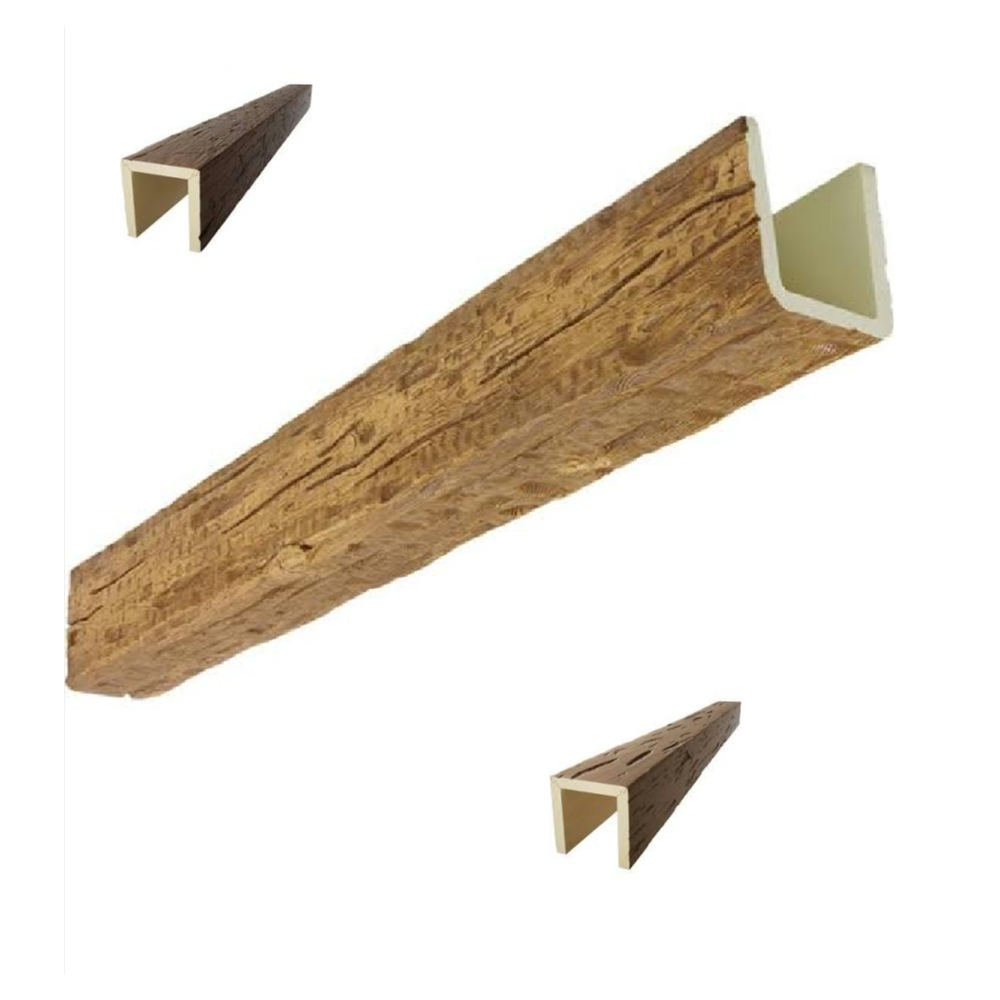
Installation considerations outdoors
Outdoor mounting requires attention to detail:
Fastener selection — use stainless steel or coated hardware to prevent galvanic reaction with the beam surface
Ventilation gaps — allow air circulation behind beams to prevent moisture accumulation against backing surfaces
Sealant at joints — waterproof any joints or connections to prevent water infiltration behind beams
Slope considerations — orient beam ends to shed water rather than trap it
These standard practices ensure outdoor installations perform as expected.
A practical choice for outdoor beauty
100% humidity-proof exterior grade polyurethane faux wood beams solve the fundamental problem of outdoor timber aesthetics. Where real wood eventually fails, PU persists. Where composites look artificial, PU looks authentic. For architects, builders, and homeowners seeking lasting beauty in outdoor spaces, this material specification removes the anxiety of material degradation.
Specify exterior grade for any project with outdoor exposure, and accept only manufacturer documentation verifying UV stability and moisture resistance.
Technical References
ASTM standards cited in every specification
Test Data
Lab results from internal testing program
Updated 2026
Reviewed against current product specs