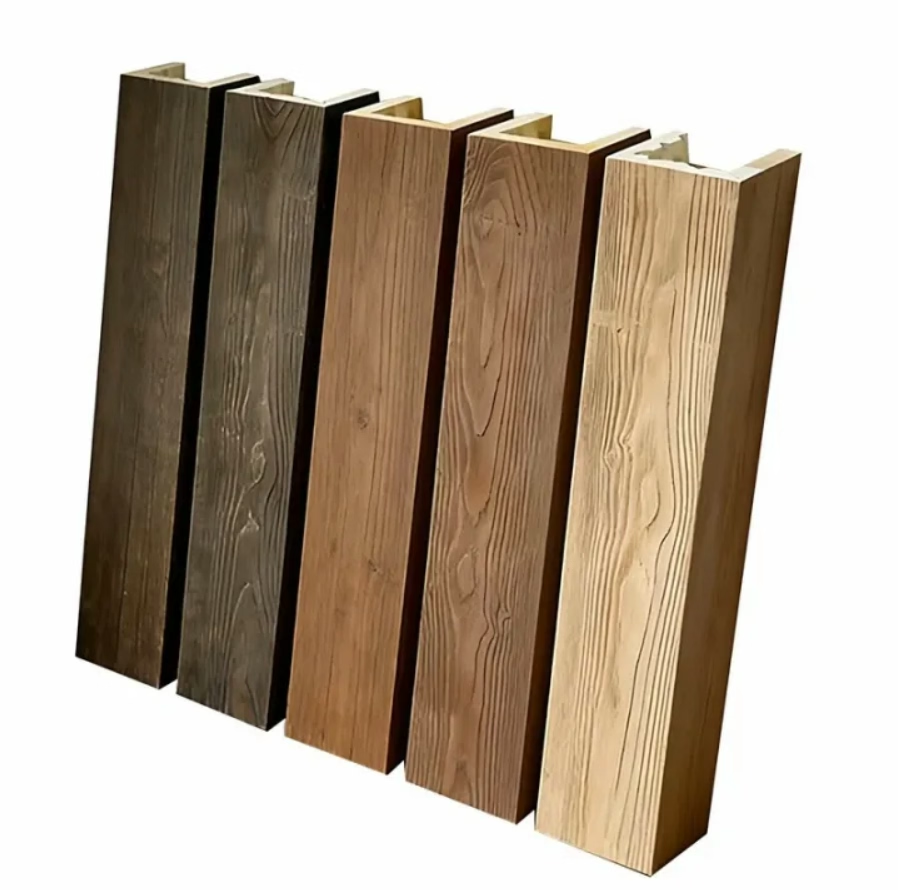
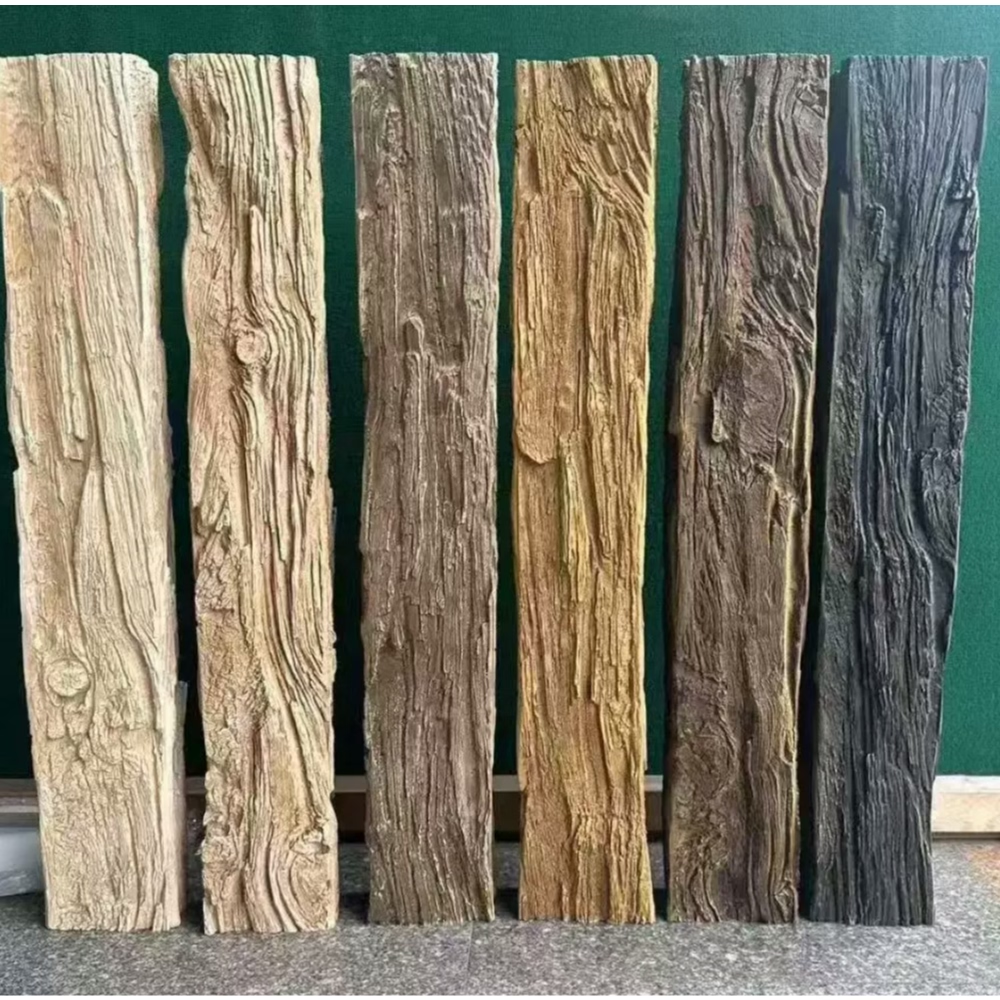
Outdoor spaces deserve the same design attention as interiors. Yet many homeowners neglect landscape architectural elements, accepting plain pergolas, basic garden structures, and utilitarian outdoor features. Polyurethane faux wood beams change this dynamic, delivering timber aesthetics in environments where real timber cannot survive. The result is landscape architecture with the warmth and character that timber provides, maintained through years of weather exposure.
Exterior grade polyurethane formulations handle UV exposure, moisture, temperature extremes, and biological challenges that destroy organic materials. Landscape installations using these beams maintain appearance through seasons that would devastate real timber, providing consistent visual quality across years of service.
Landscape applications for outdoor beams
Multiple landscape scenarios benefit from faux timber beams:
Pergola structures
Garden and patio pergolas:
- Primary structural beams
- Cross-beam lattice elements
- Decorative end details
- Climbing plant support structures
Pergolas gain architectural definition from timber-look beams.
Garden structure features
Decorative landscape elements:
- Arbor entries
- Garden gate surrounds
- Trellis frames
- Decorative screens
Garden structures benefit from consistent timber character.
Outdoor kitchen structures
Covered cooking and dining areas:
- Pergola covers
- Bar structure elements
- Ceiling beam treatments
- Decorative supports
Outdoor kitchens feel complete with overhead beam treatments.
Pool area features
Pool and spa surroundings:
- Pergola covers over pool equipment
- Shade structure elements
- Privacy screen frames
- Decorative architectural features
Pool areas gain resort-quality character with timber beams.
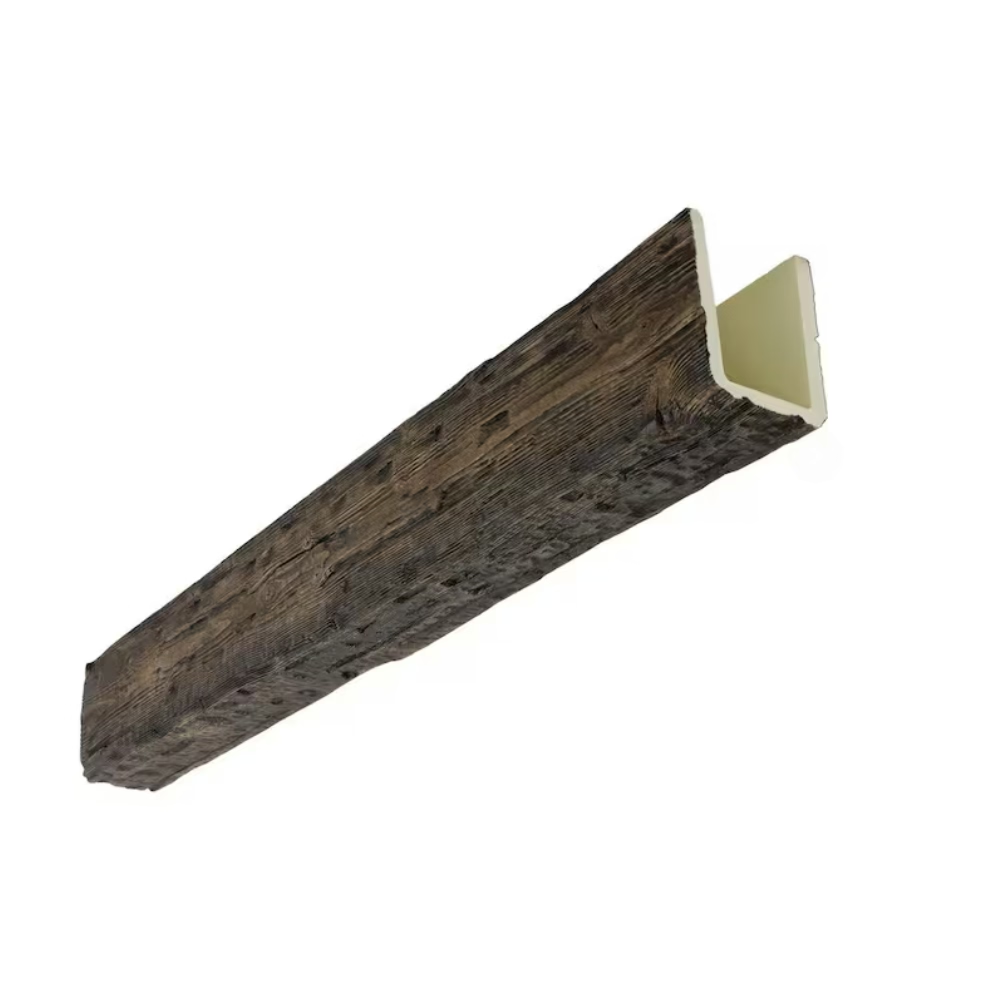
Exterior grade specifications
Outdoor beam installation requires specific material properties:
UV resistance
Sun exposure demands UV-stable formulations:
- Color-stable pigments resist fading
- UV inhibitors prevent polymer degradation
- Tested for years of direct sunlight exposure
- Maintains appearance through seasonal cycles
UV resistance separates exterior grade from interior products.
Moisture immunity
Water exposure cannot damage exterior grade:
- Closed-cell structure prevents water penetration
- No swelling, warping, or dimensional change
- No biological decay support
- Performs through rain, snow, and humidity
Moisture immunity enables uncovered outdoor installation.
Temperature tolerance
Extreme temperatures don't compromise exterior grade:
- Functional from -30°F to +120°F
- No brittleness at low temperatures
- No softening at high temperatures
- Dimensional stability across temperature range
Temperature tolerance ensures year-round performance.
Biological resistance
Organic threats cannot attack exterior grade:
- No food source for insects
- No support for mold or mildew
- No fungal decay pathways
- Resistant to bird and rodent damage
Biological resistance protects landscape investments.
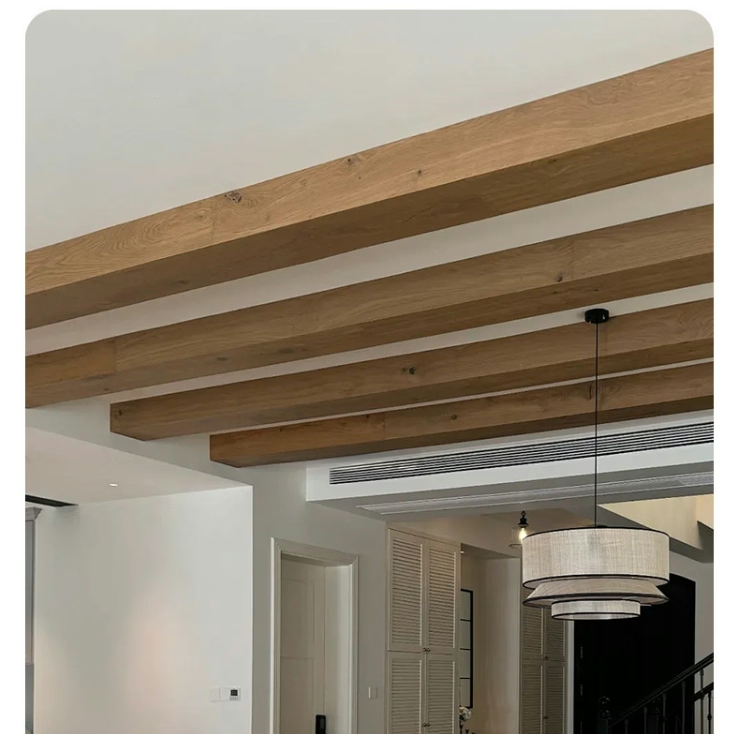
Landscape design considerations
Outdoor beam placement serves landscape design goals:
Define outdoor rooms
Beams create outdoor room definition:
- Pergola-covered seating areas
- Outdoor dining enclosures
- Garden reading nooks
- Conversation area boundaries
Beam structures create sense of room in outdoor environments.
Provide scale reference
Beams add human scale to landscape:
- Mark transition from intimate to expansive spaces
- Provide reference points within larger gardens
- Create proportional relationships
- Establish architectural scale outdoors
Scale-appropriate beams make landscapes feel intentional.
Coordinate with plantings
Beam structures relate to garden plantings:
- Climbing plant support
- Visual counterpoint to foliage
- Seasonal interest complement
- Year-round structure versus plant cycles
Beams and plantings create layered landscape composition.
Frame landscape views
Beams emphasize specific views:
- Garden focal point framing
- Distant landscape emphasis
- Entry perspective definition
- Visual journey markers
Framing elements enhance landscape experience.
Installation in landscape settings
Outdoor beam installation involves specific considerations:
Mounting surface preparation
Verify adequate structural support:
- Post installation for pergola structures
- Existing structure attachment points
- Foundation requirements for vertical elements
- Bracing for wind and snow loads
Structural preparation determines installation success.
Fastener selection
Exterior applications require appropriate hardware:
- Stainless steel or coated fasteners
- Hot-dipped galvanized options
- Corrosion-resistant brackets
- Marine-grade hardware for extreme exposure
Fastener selection prevents premature failure.
Drainage and ventilation
Prevent moisture accumulation:
- Allow air circulation around beams
- Slope horizontal surfaces for drainage
- Vent enclosed beam cavities
- Avoid moisture-trapping configurations
Proper drainage prevents moisture-related problems.
Expansion considerations
Thermal movement requires accommodation:
- Allow expansion gaps at terminations
- Use slotted connections where needed
- Avoid rigid long-span constraints
- Plan for seasonal dimensional change
Expansion accommodation prevents stress damage.

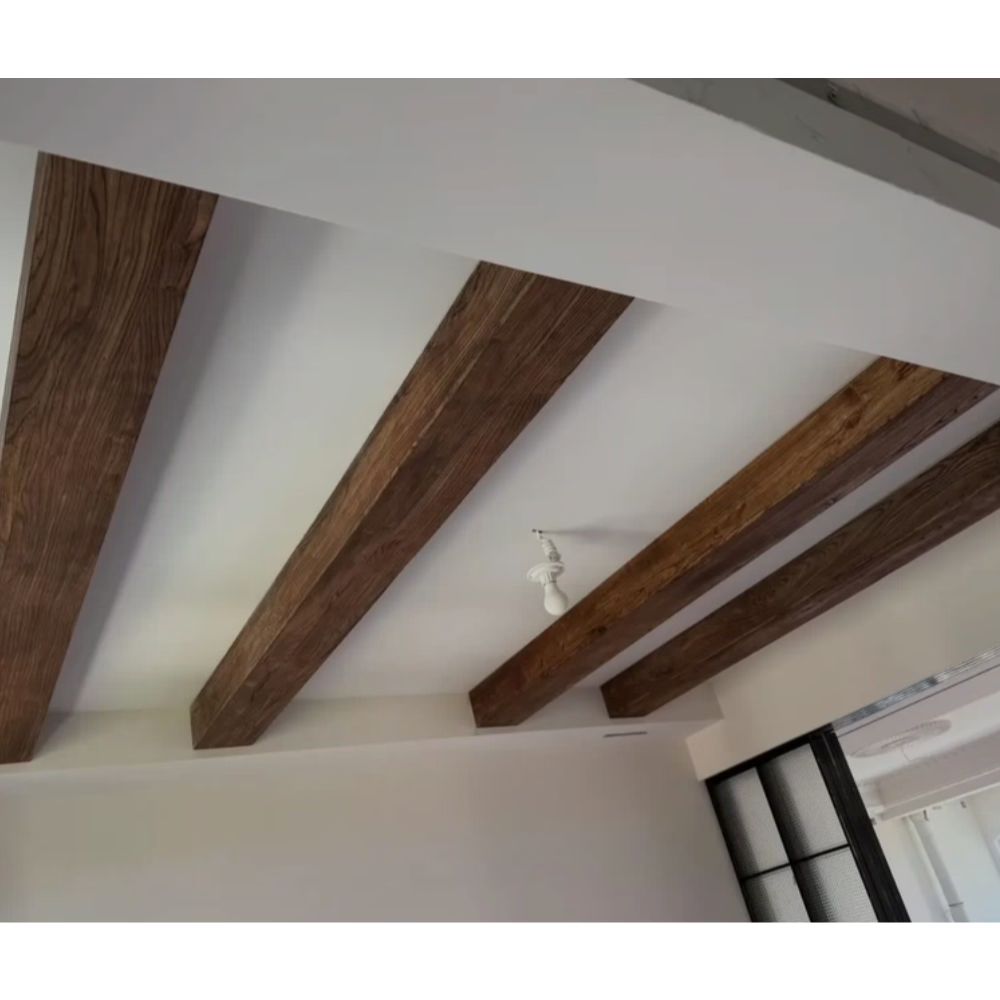
Climate-specific considerations
Different climates present different challenges:
Hot desert climates
Extreme heat and intense sun:
- Maximum UV protection required
- Light colors to minimize heat absorption
- Heat-resistant formulations
- Extra UV-stable pigments
Desert installations require premium UV specifications.
Cold winter climates
Freeze-thaw cycles and snow loads:
- Cold-flex formulations prevent cracking
- Snow load capacity verification
- Ice damage resistance
- Freeze-thaw cycle testing
Cold climate installations need freeze-resistant specifications.
Coastal environments
Salt air and high humidity:
- Maximum corrosion resistance
- Salt-spray tested materials
- Marine-grade fasteners
- Enhanced moisture protection
Coastal installations demand marine-grade specifications.
Tropical climates
Persistent heat and humidity:
- Mold and mildew resistance
- Maximum UV protection
- Constant humidity tolerance
- Insect resistance
Tropical installations need comprehensive protection.
Maintenance advantages
Exterior grade polyurethane offers significant maintenance benefits:
No refinishing required — color remains stable without periodic treatment
No replacement cycles — indefinite service life versus timber replacement every 10-20 years
No pest treatment — no termite or carpenter ant concerns
No rot repair — decay cannot occur in polyurethane
No seasonal adjustments — beams maintain position without annual tightening
The maintenance advantage compounds over years of ownership.
Cost versus timber comparison
Outdoor polyurethane beams cost more initially than untreated lumber but provide superior long-term value:
Initial cost — 2-3x pressure-treated lumber, comparable to premium hardwoods
Service life — 25+ years versus 10-15 years for treated lumber
Maintenance cost — minimal versus annual treatment requirements
Replacement frequency — none versus periodic replacement of decayed elements
Total 20-year cost — typically 50-70% less than timber alternatives
The investment case favors polyurethane for most landscape applications.
Landscape timber character
Accent polyurethane faux wood beams deliver the timber character that landscape design deserves, without the maintenance obligations and replacement cycles that real timber requires. From pergolas to garden structures, outdoor kitchens to pool features, exterior grade beams enable landscape architecture with lasting beauty. For projects seeking landscape sophistication that withstands weather and time, polyurethane beams offer practical solutions.
Choose exterior grade polyurethane beams for any landscape application where timber aesthetics matter and ongoing maintenance would be problematic.
Technical References
ASTM standards cited in every specification
Test Data
Lab results from internal testing program
Updated 2026
Reviewed against current product specs