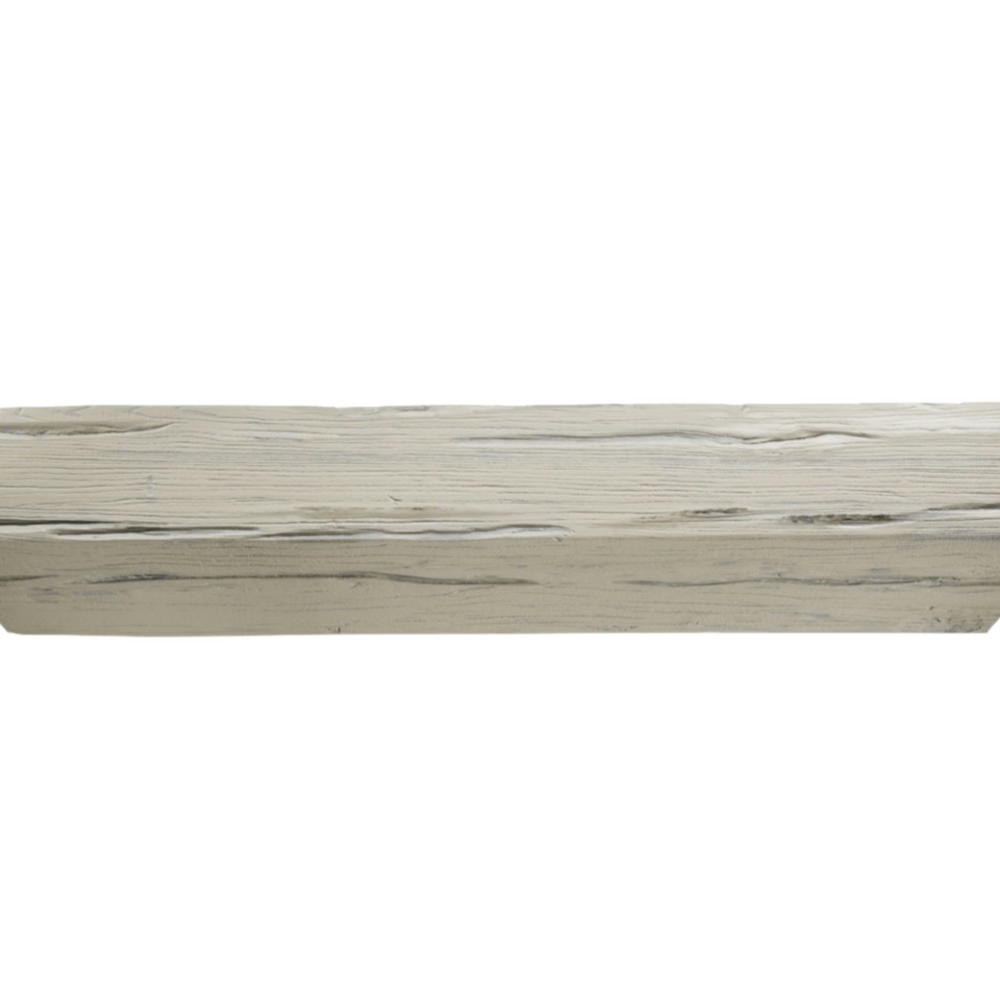
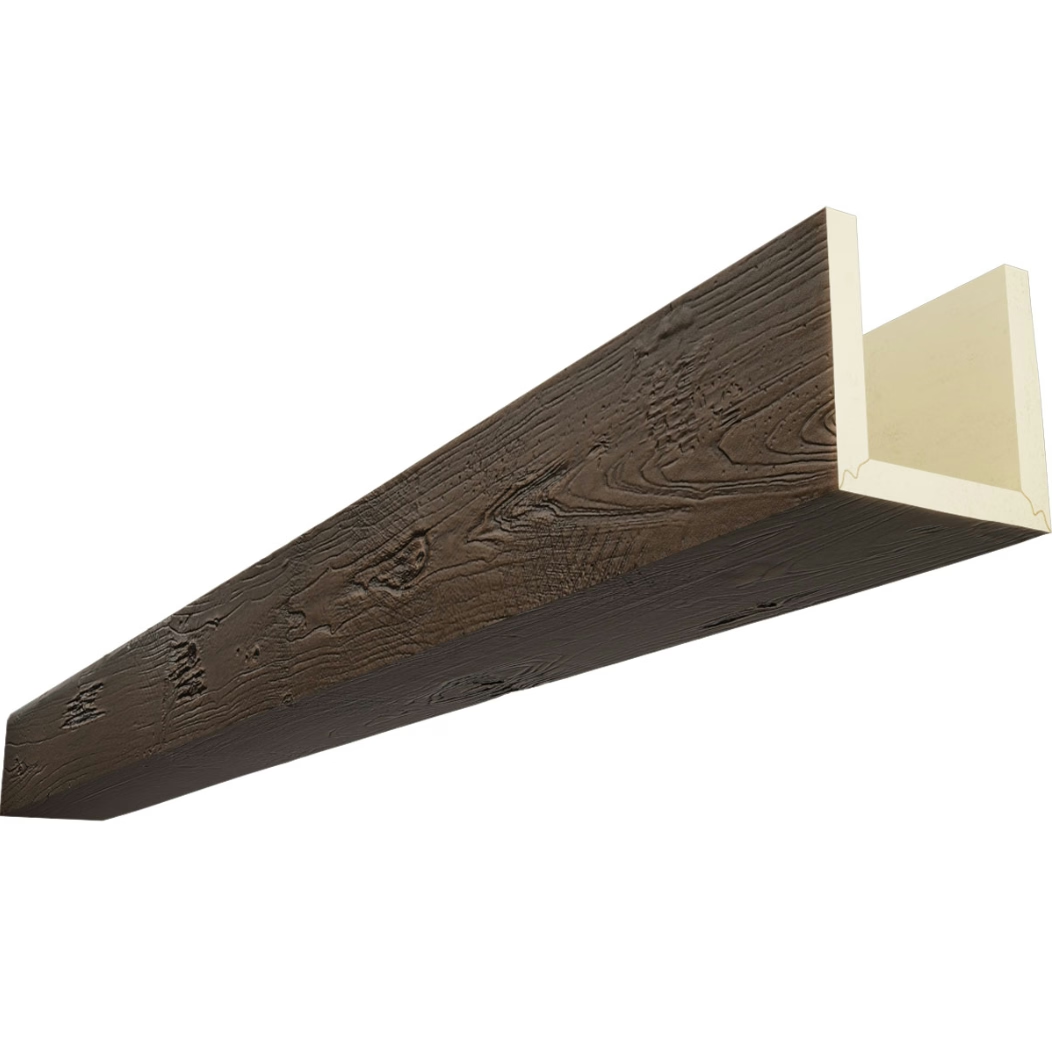
European home renovations carry distinct design sensibilities reflecting centuries of architectural tradition adapted to contemporary living. The 2026 trending ceiling beam designs for European renovations blend this heritage with current aesthetic directions, creating installations that feel both rooted in tradition and current in execution. Understanding these trends helps in specifying beam treatments appropriate to continental residential projects.
European design tends toward restraint, quality, and timelessness rather than trend-chasing. The 2026 trends reflect this sensibility — favoring refined execution, quality materials, and enduring character over trendy effects. Faux beam specifications serve European renovation trends particularly well by delivering traditional timber aesthetics with contemporary installation advantages.
European design context
European renovations operate within specific contexts:
Historic building stock — older properties with traditional proportions
Conservation considerations — heritage protection requirements in many areas
Traditional craft values — appreciation for skilled execution
Quality over quantity emphasis — willingness to invest in fewer, better elements
Timeless aesthetic preference — design choices that age well
Climate considerations — heating efficiency and thermal performance matter
These contexts shape appropriate beam specification approaches.
2026 European beam trend directions
Several specific trends define the current European renovation landscape:
Refined traditional
Classic European character with contemporary precision:
- Traditional profiles with refined execution
- Authentic texture without heavy distressing
- Classic color palette with modern sophistication
- Quality craftsmanship emphasis
- Timeless rather than trendy character
Refined traditional suits most European renovation applications.
Modern European minimalism
Contemporary restraint with European sensibility:
- Clean-lined profiles
- Minimal texture and ornament
- Sophisticated neutral palettes
- Quality material emphasis
- Architectural precision
Modern European minimalism serves contemporary continental interiors.
Nordic-influenced light
Scandinavian lightness adapted for broader Europe:
- Pale wood tones
- Light, airy aesthetics
- Refined natural character
- Minimal ornamentation
- Bright space enhancement
Nordic influence shapes lighter European beam specifications.
Industrial European
Continental industrial aesthetic applications:
- Substantial beam profiles
- Authentic aged character
- Industrial-modern coordination
- Urban residential applications
- Mixed material combinations
Industrial European suits urban renovation contexts.
Profile preferences for European renovations
Profile selections for continental applications:
Substantial traditional profiles — 8x8 and larger for primary features
Refined moderate profiles — 6x6 to 8x8 for most applications
Narrow contemporary profiles — 4x6 to 6x6 for minimalist designs
Elongated proportions — 6x8, 6x10 for distinctive character
Avoid oversized American-style profiles — proportions should match European sensibilities
Profile selection should match European architectural proportions.
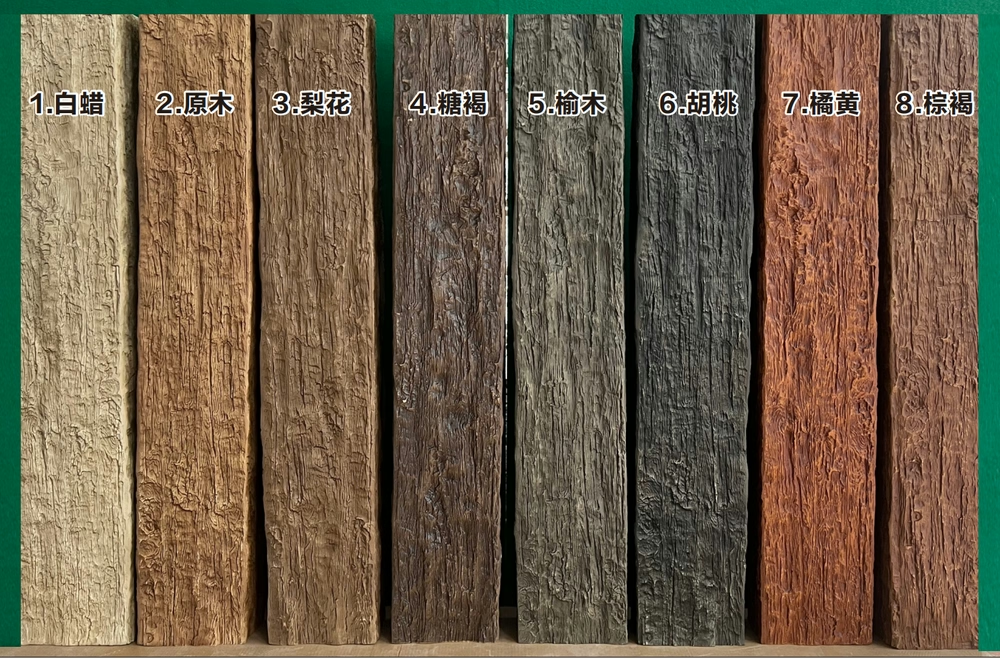
Finish trends for European applications
Current finish directions for continental beam installations:
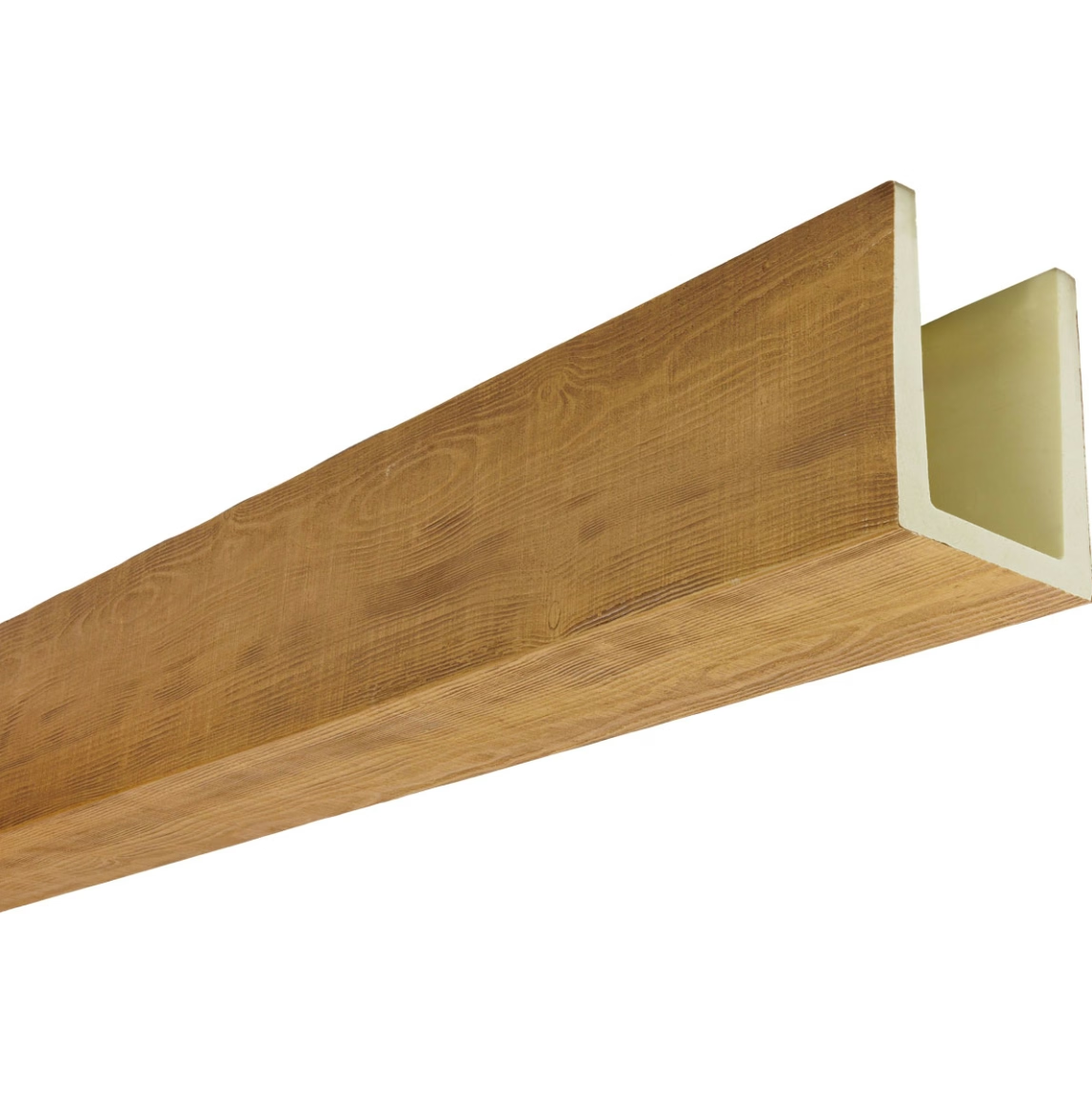
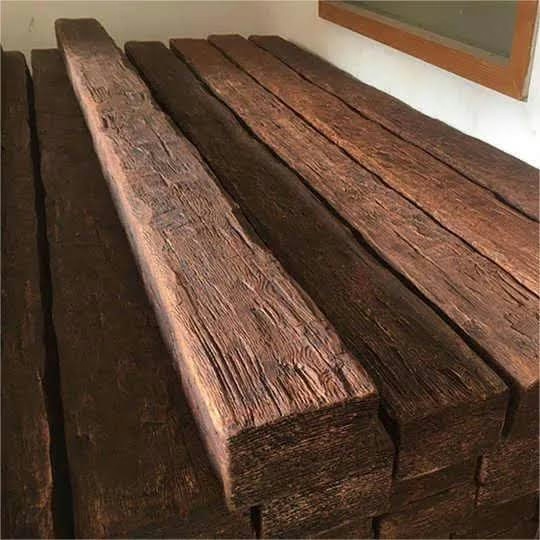
Natural oak tones — light to medium oak with refined finishing
Limed oak effects — European-influenced pale finishes
Weathered grays — sophisticated aged appearance
Natural pine character — light wood with subtle warmth
Whitewashed treatments — bright finishes for light space enhancement
These finish directions reflect European design preferences.
Color palette coordination
Beam colors work within European palettes:
Warm whites — creamy whites rather than stark whites
Soft grays — gray tones with warm undertones
Natural wood tones — honest timber coloration
Earthy accents — muted colors supporting neutral bases
Stone-inspired neutrals — colors complementing masonry and stone
These palettes coordinate with beam specifications.
Architectural integration approaches
European renovations integrate beams with existing architecture:
Historic building integration
Beams within historic properties:
- Matching original beam character where surviving
- Period-appropriate proportions
- Traditional installation methods when feasible
- Conservation requirement compliance
- Authentic material appearance
Historic integration requires sensitivity to existing character.
Modern building integration
Beams within contemporary construction:
- Clean architectural lines
- Modern installation methods
- Contemporary proportion preferences
- Current finish trends
- Sophisticated material quality
Modern integration follows current design directions.
Transitional building integration
Beams within mixed-era properties:
- Bridging traditional and contemporary
- Flexible design approaches
- Versatile specification choices
- Harmonizing different elements
- Creating design continuity
Transitional integration requires flexible approaches.
Room-by-room European applications
Different rooms feature different European beam approaches:
Living rooms
European living room beam character:
- Substantial proportions for primary features
- Natural timber tones
- Refined traditional finishes
- Architectural focal point creation
- Classical proportions
Living rooms anchor European renovation aesthetics.
Dining rooms
European dining room beam applications:
- Statement beams over dining areas
- Traditional character with contemporary execution
- Sophisticated finish quality
- Architectural room definition
- Classic European dining atmosphere
Dining rooms benefit from traditional beam character.
Kitchens
European kitchen beam treatments:
- Substantial proportions above islands
- Natural material character
- Contemporary execution
- Functional and aesthetic integration
- Quality material specification
Kitchens benefit from substantial traditional beam character.
Bedrooms
European bedroom beam applications:
- Vaulted ceiling treatments
- Lighter tones for bedroom atmosphere
- Refined traditional character
- Architectural bedroom features
- Quality finish specifications
Bedrooms benefit from lighter, refined beam applications.
Studies and libraries
European study beam character:
- Traditional substantial proportions
- Dark stained timber tones
- Classic architectural character
- Scholarly atmosphere creation
- Heritage-inspired finishes
Studies benefit from substantial traditional beam character.
Conservation area considerations
Many European renovations occur in conservation areas:
Material approval requirements — specified materials may need approval
Traditional appearance preferences — conservation officers favor traditional appearance
Installation method restrictions — some methods may require approval
Color and finish limitations — specified finishes may need approval
Reversibility considerations — installations may need to be reversible
These considerations affect specification and installation approaches.
Climate and thermal performance
European climate considerations affect beam applications:
Heating efficiency — beams should not interfere with heating distribution
Thermal bridging — installation methods should minimize thermal bridging
Insulation coordination — beam installation should coordinate with insulation
Moisture management — vapor barriers and ventilation considerations
Energy performance — overall building energy performance impact
Climate considerations affect both specification and installation approach.
Sustainability alignment
European sustainability values affect material choices:
Environmental certification — products with environmental credentials preferred
Long service life — durability supports sustainability goals
Local sourcing preference — regionally manufactured products valued
Recyclability consideration — end-of-life material recovery
Carbon footprint awareness — manufacturing and transportation impact
Sustainability values align with quality faux beam specifications.
Specification recommendations for European renovations
For European renovation beam projects:
Quality prioritization — invest in premium specifications reflecting European values
Traditional proportions — select profiles matching European architectural sensibility
Refined finishes — choose sophisticated finish treatments
Conservation compliance — verify approval requirements before specification
Professional installation — quality installation reflects European craft values
Sustainability alignment — select products supporting environmental values
These recommendations support successful European renovation implementations.
European specification achievement
2026 trending ceiling beam designs for European home renovations reflect continental sensibilities favoring quality, refinement, and timeless character. The combination of traditional aesthetic alignment, quality specification emphasis, and contemporary execution makes faux beam specifications particularly appropriate for European renovation projects. When projects require beam treatments reflecting European design values, faux beam specifications deliver appropriate results.
Choose faux beam specifications aligned with European design trends for renovations requiring refined traditional character with contemporary execution quality.
Technical References
ASTM standards cited in every specification
Test Data
Lab results from internal testing program
Updated 2026
Reviewed against current product specs