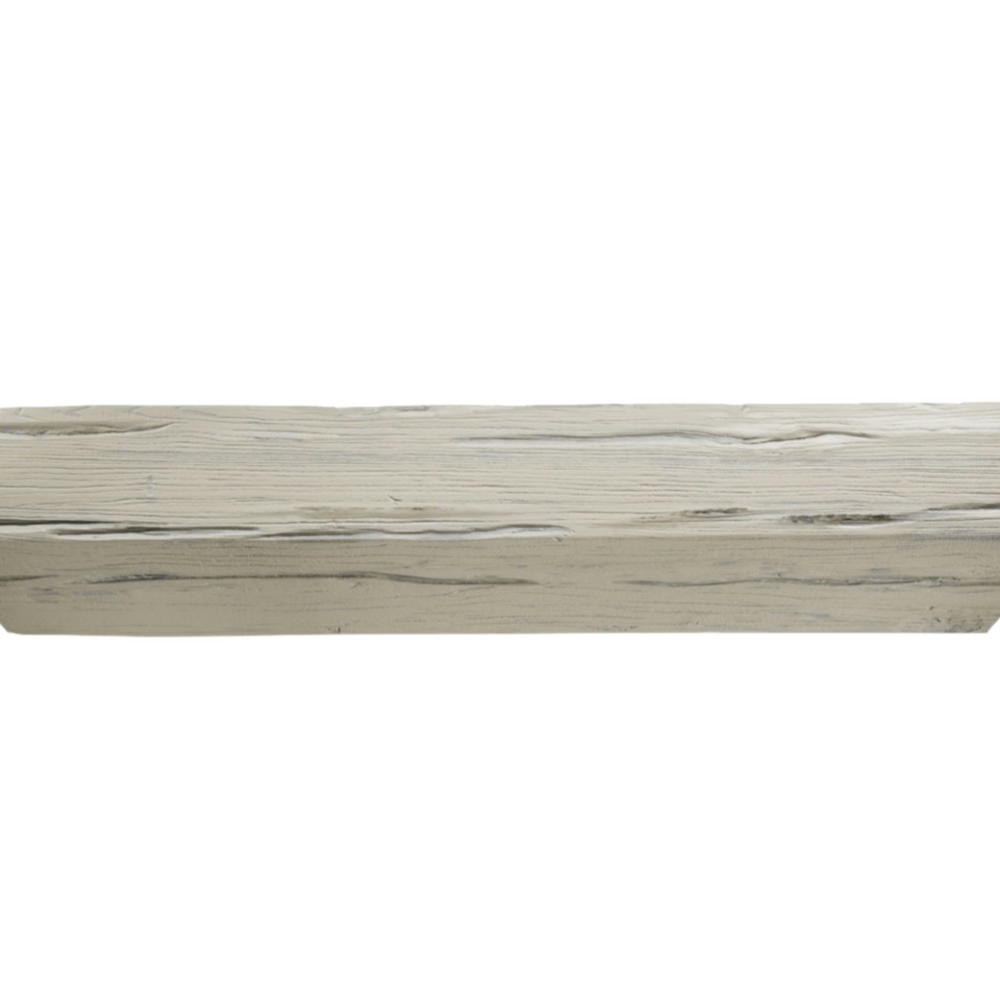
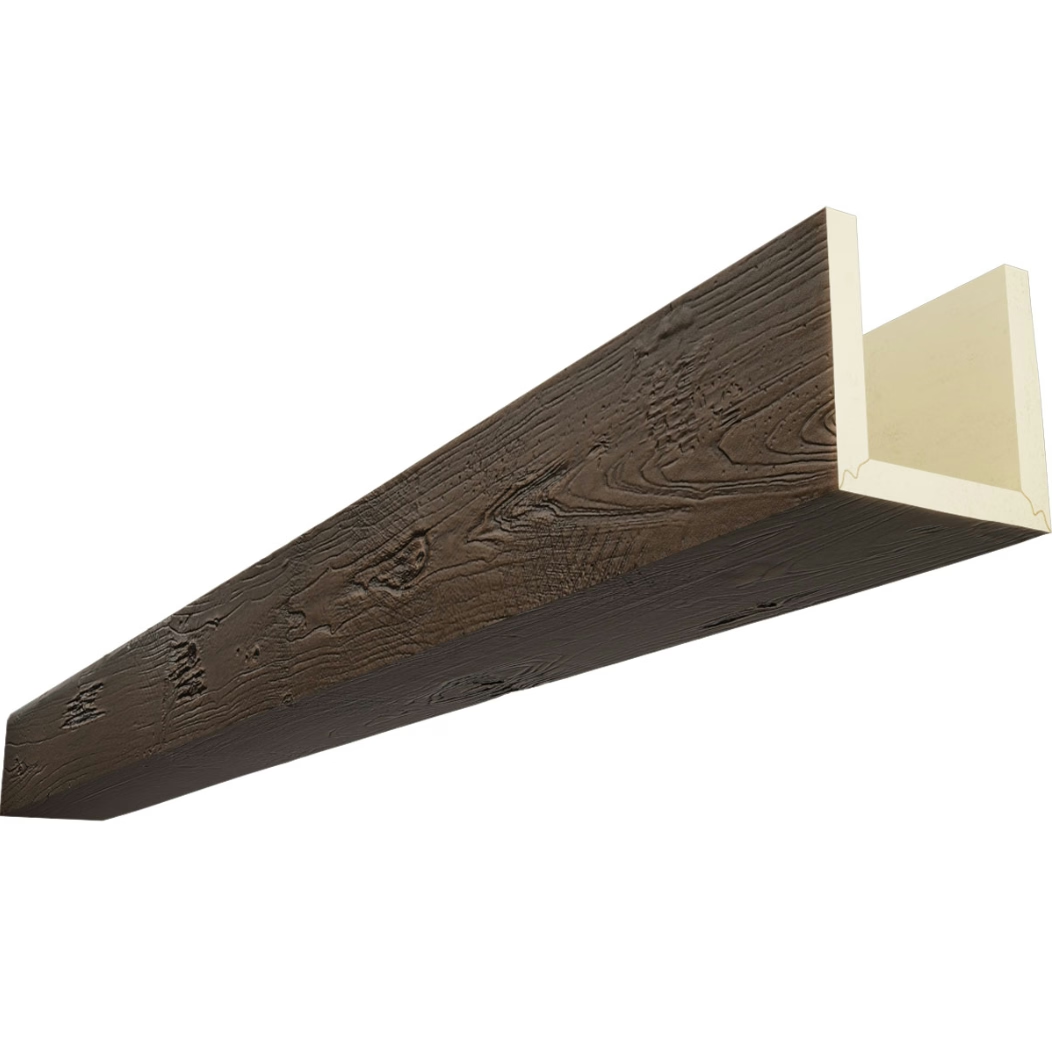
Decorative beam elements serve as architectural jewelry in European interiors — providing ornament, character, and visual interest that elevates plain spaces into designed environments. The 2026 trending decorative beam elements for European homes reflect the continental preference for refined ornament, quality materials, and timeless character. Understanding these trends helps in specifying decorative beam treatments appropriate to European residential interiors.
European decorative traditions value restraint, craftsmanship, and enduring quality over trendy effects. The 2026 trends honor these values while incorporating contemporary execution methods. Faux beam decorative elements serve European trends particularly well by providing traditional character with practical advantages unavailable from genuine timber in many applications.
Decorative element categories
Decorative beam elements fall into several categories:
Structural-appearing elements
Beams suggesting structural purpose:
- Primary beam elements with structural appearance
- Load-bearing appearance without actual function
- Authentic proportions matching structural timber
- Refined execution suggesting structural importance
Structural-appearing elements anchor European interior character.
Decorative trim elements
Beam elements as architectural ornament:
- Smaller decorative beam applications
- Trim and accent features
- Detail elements within larger compositions
- Sophisticated decorative touches
Trim elements provide ornamental detail and refinement.
Functional decorative elements
Beams serving both decorative and practical purposes:
- Lighting integration with decorative beam character
- Concealment functions with decorative appearance
- Organizational elements with aesthetic character
- Multi-purpose elements combining function and beauty
Functional decorative elements maximize value through dual purposes.
2026 European decorative trend directions
Several specific trends define current European decorative beam applications:
Refined traditional ornament
Classic European decorative character:
- Traditional decorative profiles
- Refined ornamental details
- Authentic period character
- Contemporary execution precision
- Timeless decorative appeal
Refined traditional ornament suits classic European interiors.
Modern decorative restraint
Contemporary decorative sensibility:
- Minimal decorative detail
- Sophisticated geometric elements
- Quality material emphasis
- Architectural precision
- Modern aesthetic alignment
Modern restraint serves contemporary European interiors.
Mixed-era decorative fusion
Combining decorative elements across periods:
- Traditional and contemporary decorative integration
- Versatile decorative approaches
- Period-appropriate with modern sensibility
- Harmonizing different decorative eras
- Creating design continuity
Mixed-era fusion enables flexible decorative approaches.
Natural material emphasis
Decorative elements highlighting natural materials:
- Authentic timber character emphasis
- Natural finish preferences
- Material honesty in decorative applications
- Sustainable material values
- Honest decorative expression
Natural material emphasis reflects European values.
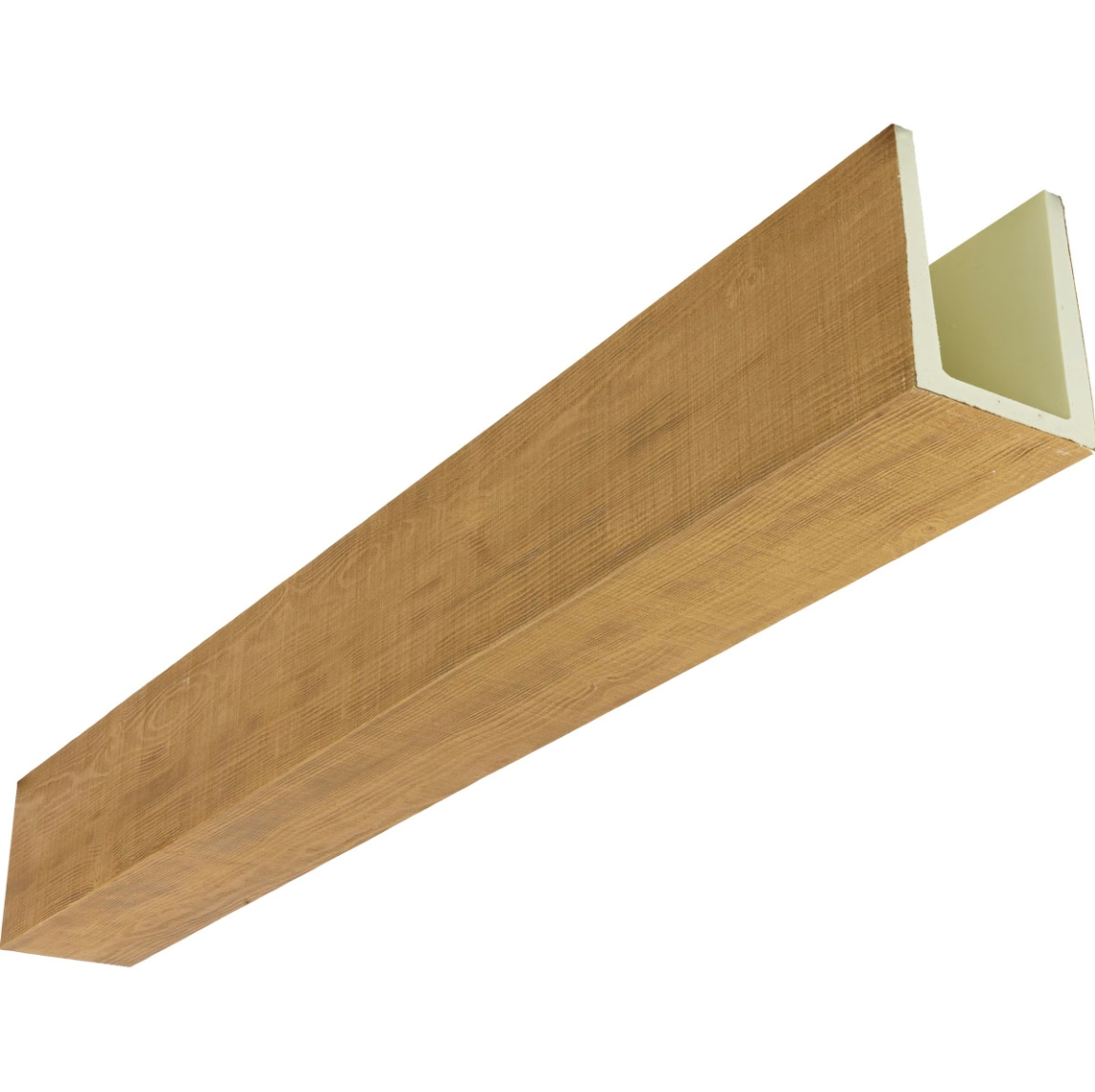
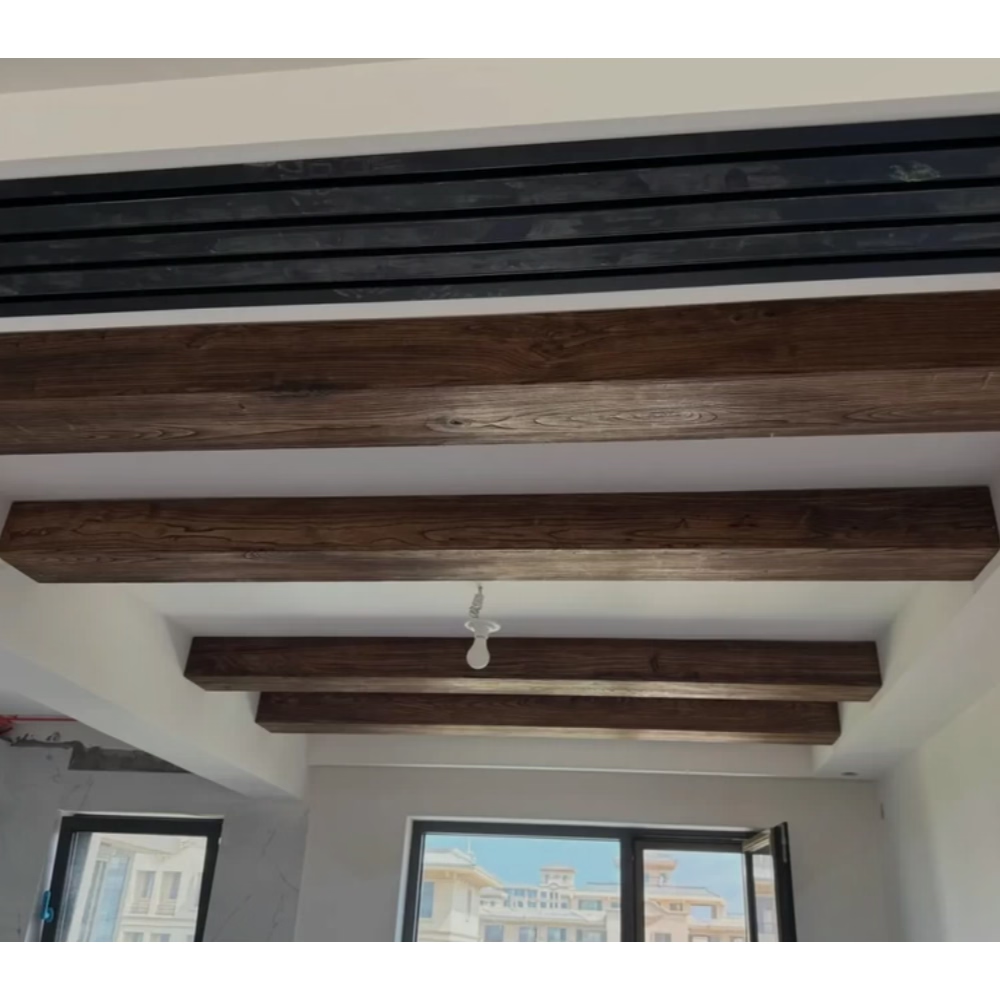
Specific decorative element types
Several decorative element types show current trend strength:
Beam end treatments
Decorative beam terminations:
- Corbel details at beam ends
- Returned beam ends into walls
- Decorative end profiles
- Period-appropriate terminations
- Custom end treatments
End treatments add decorative detail to beam applications.
Beam intersections
Decorative treatment of beam crossings:
- Decorative joinery details
- Crossing beam configurations
- Coffered intersection patterns
- Traditional joinery aesthetic
- Custom intersection details
Intersection treatments add visual interest to beam compositions.
Beam surrounds
Decorative framing around beams:
- Crown molding integration
- Trim details at beam edges
- Decorative panel integration
- Surrounding architectural elements
- Custom surround details
Beam surrounds add decorative sophistication.
Coffered details
Decorative coffered patterns:
- Traditional coffered patterns
- Modern coffered interpretations
- Custom coffered designs
- Geometric coffered variations
- Mixed coffered approaches
Coffered details provide decorative ceiling sophistication.
Room-specific decorative element applications
Different rooms feature different decorative element approaches:
Entrance halls and foyers
Decorative beam applications:
- Substantial decorative beam elements
- Statement beam features
- Architectural arrival impressions
- Traditional decorative character
- Refined European entry character
Entrance halls anchor European home decorative character.
Formal living rooms
Decorative beam treatments:
- Classical decorative proportions
- Statement beam elements
- Refined traditional character
- Sophisticated finish quality
- Architectural living room definition
Formal living rooms benefit from substantial decorative beams.
Dining rooms
Decorative dining beam applications:
- Atmospheric beam treatments
- Traditional decorative character
- Chandelier beam coordination
- Architectural dining definition
- Classic European dining atmosphere
Dining rooms benefit from atmospheric decorative beams.
Studies and libraries
Decorative beam applications:
- Traditional substantial proportions
- Dark stained timber character
- Scholarly decorative atmosphere
- Heritage-inspired elements
- Classic European study character
Studies benefit from traditional substantial decorative elements.
Master bedrooms
Decorative beam treatments:
- Refined lighter proportions
- Subtle decorative character
- Bed canopy beam applications
- Vaulted ceiling treatments
- Romantic European bedroom atmosphere
Master bedrooms benefit from refined decorative beam character.
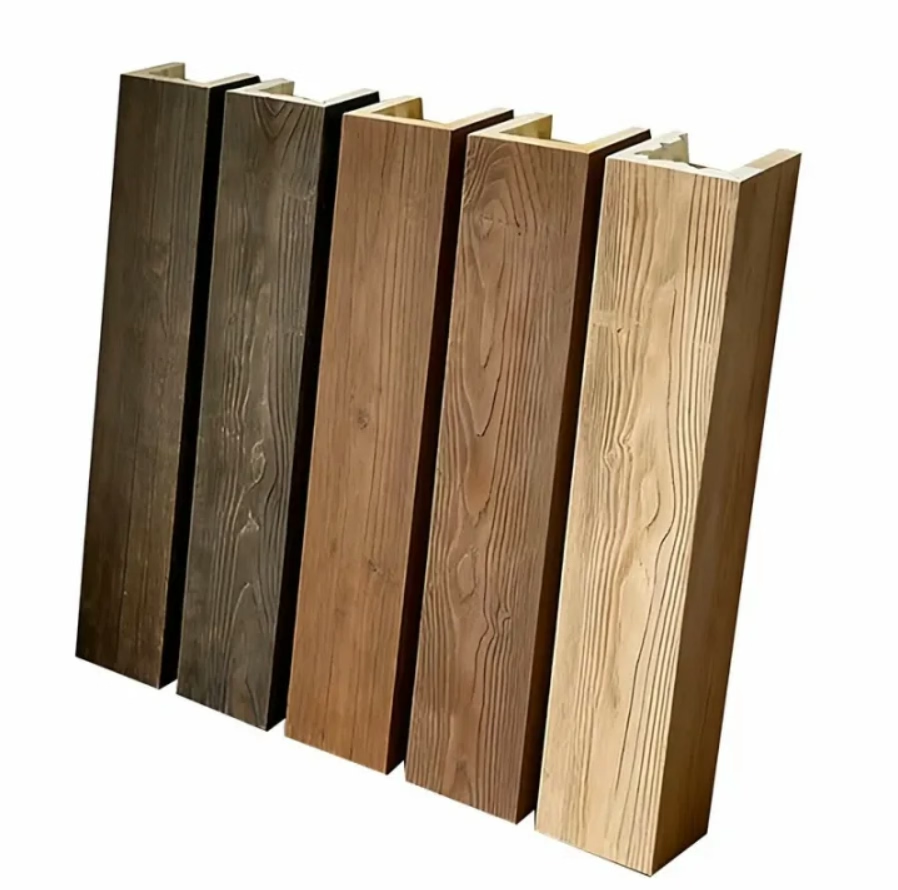
Finish approaches for decorative elements
Decorative elements use various finish approaches:
Highlighting finishes
Decorative finish emphasis:
- Multi-step finishing processes
- Highlighted grain details
- Decorative finish techniques
- Premium appearance quality
- Refined decorative character
Highlighting finishes emphasize decorative element quality.
Specialty finish techniques
Distinctive decorative treatments:
- Glazed finishes for depth
- Distressed character for age
- Limed effects for European character
- Specialty stain combinations
- Custom decorative techniques
Specialty techniques create distinctive decorative appearance.
Traditional European finishes
Classic continental finish approaches:
- Natural oak and walnut tones
- Limed oak treatments
- Traditional European staining
- Period-appropriate finishes
- Classic continental character
Traditional finishes honor European decorative heritage.
Integration with other decorative elements
Decorative beams coordinate with other European interior elements:
Stone fireplaces — beam and stone combinations create European character
Wrought iron details — metal and timber combinations add decorative sophistication
Plaster moldings — ceiling moldings and beams create traditional decorative compositions
Tile work — Mediterranean and continental tile coordination with beams
Textile elements — fabric and beam combinations soften decorative compositions
These combinations create comprehensive European decorative environments.
Decorative element specifications
When specifying decorative beam elements:
Quality prioritization — decorative elements require quality to justify their role
Appropriate proportion — decorative elements should match their context
Finish coordination — decorative finishes should coordinate with overall design
Installation precision — decorative elements show installation quality clearly
Custom consideration — decorative elements often warrant custom specification
These considerations support successful decorative beam specifications.
Conservation and heritage considerations
European decorative elements often involve heritage contexts:
Period-appropriate specification — decorative elements should match period requirements
Conservation approval — heritage contexts may require approval processes
Traditional craftsmanship — quality execution supports heritage values
Reversibility considerations — some contexts require reversible installations
Material authenticity — heritage contexts often value authentic-appearing materials
These considerations affect European decorative specifications.
Scale and proportion for European applications
Decorative beam proportions in European contexts:
Substantial profiles — 8x8 and larger for primary decorative elements
Moderate profiles — 6x6 to 8x8 for most decorative applications
Narrow profiles — 4x6 to 6x6 for secondary decorative elements
Traditional proportions — match historic beam proportions where context requires
Avoid American-scale profiles — European sensibilities favor different proportion ranges
Profile selection should match European proportion expectations.
Quality expectations for European decorative elements
European decorative beam elements demand quality:
Material quality — premium materials justify decorative investment
Finish quality — sophisticated finishing processes
Installation quality — precise installation reflecting craft values
Detail quality — careful attention to decorative details
Longevity quality — durability supporting lasting decorative character
Quality expectations align with premium specification choices.
European decorative trend summary
The 2026 trending decorative interior faux beam elements for European homes reflect continental preferences for refined ornament, quality materials, and timeless character. The combination of traditional decorative alignment, quality specification emphasis, and contemporary execution makes faux beam decorative elements particularly appropriate for European residential interiors. When projects require decorative beam treatments reflecting European design values, faux beam specifications deliver appropriate results.
Choose faux beam decorative elements aligned with 2026 European trends for projects requiring refined traditional character with contemporary execution quality.
Technical References
ASTM standards cited in every specification
Test Data
Lab results from internal testing program
Updated 2026
Reviewed against current product specs