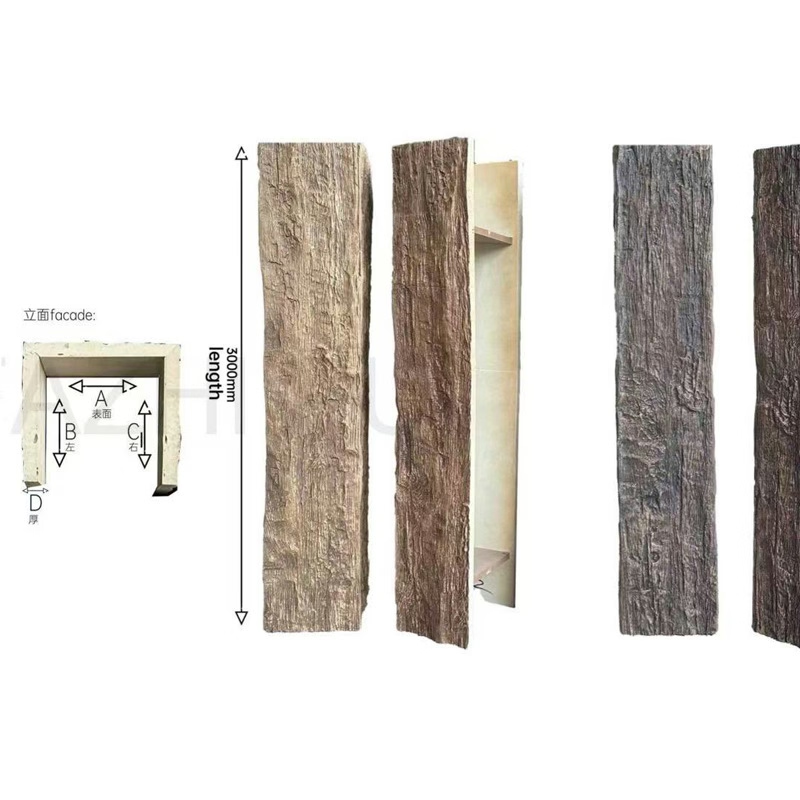
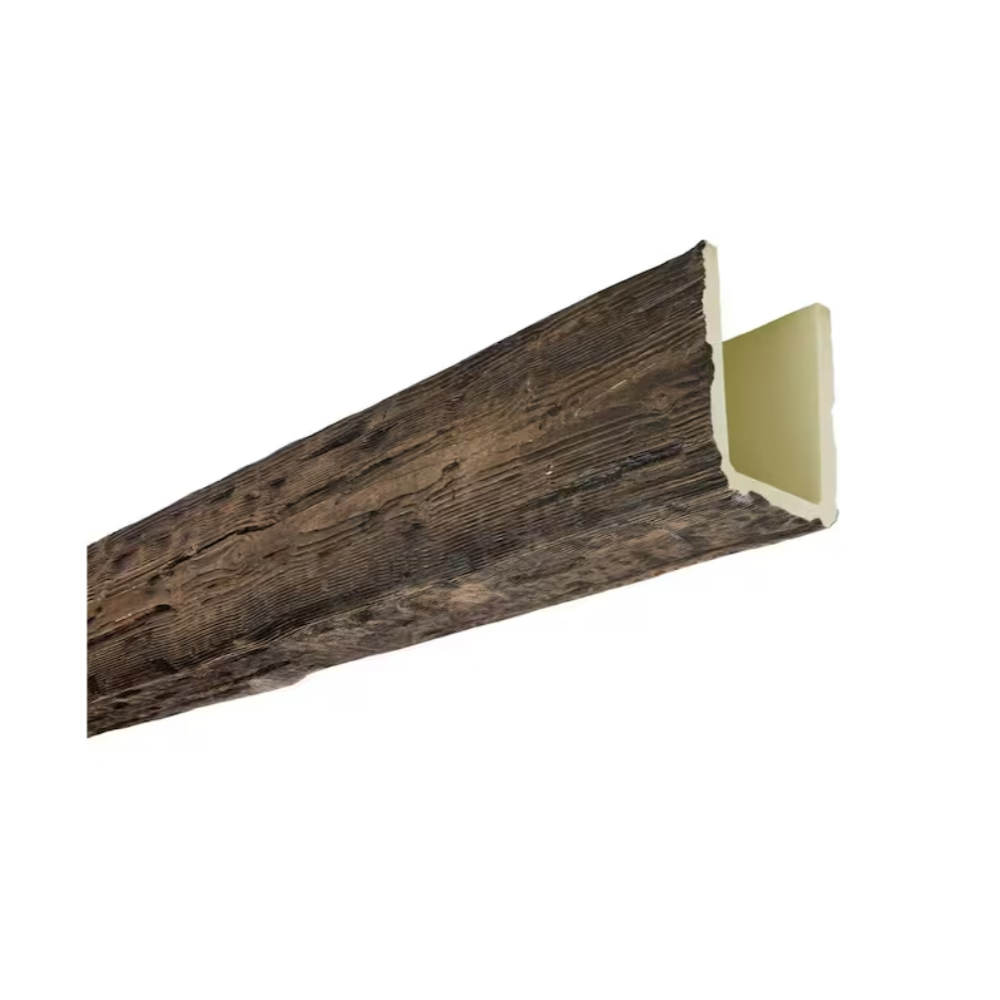
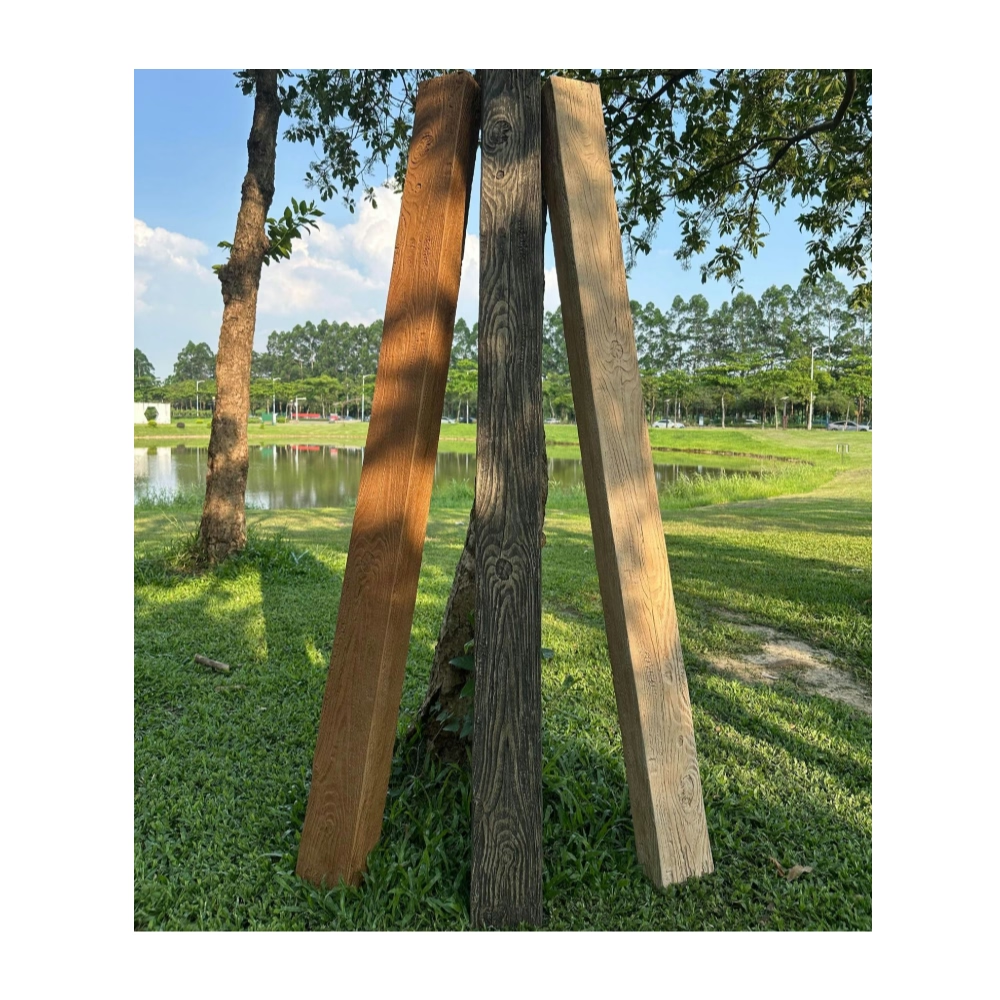
A 2-foot faux timber beam sounds almost too small to bother with. But in the right application, mini beams do something full-size beams can't: they handle accent details, compact spaces, and decorative trim work that would look overwrought with longer stock.
Mini beams have a specific role. Knowing when to use them is what separates thoughtful design from arbitrary sizing.
What mini beams actually do
Mini beams (typically 2 to 4 feet in length) serve several specific functions:
Accent details — small beam segments used as decorative elements rather than primary ceiling features. Examples include short beam sections mounted as mantel decorations, kitchen range hood accents, or shelving supports.
Trim and transition details — short beam sections that transition between full-size beams and other architectural elements. Used at beam-to-wall terminations, ceiling-to-beam transitions, or beam-to-feature-wall junctions.
Small space applications — beams in powder rooms, small bathrooms, hallways, mudrooms, and compact offices where full-size beams would overwhelm.
Display and prop applications — beams used in retail displays, exhibition booths, or showroom vignettes where portability matters.
Mock-ups and samples — short beam sections used by designers, contractors, and homeowners for visualizing installations or evaluating finishes before committing to full-size orders.
The mini beam isn't a substitute for full-size beams in primary applications. It's a complementary product for specific uses.
Where 2-foot mini beams work
Small room ceiling accents
The most common application: small room ceiling accents where a full-size beam would dominate the space.
A 2-foot beam in a powder room, small bathroom, or compact entryway provides architectural detail without overwhelming. Specifications:
- 2-foot length at 4x6 or 6x6 profile
- Single beam at a focal point (over the sink, mirror, or entry console)
- Light to medium finish matching the room's other wood elements
- Mounted flush to ceiling or with minimal drop
Decorative mantel applications
Short beam sections used as decorative mantel elements:
- 2-foot or 4-foot beam mounted above a fireplace as a faux mantel
- Pairs with the fireplace surround finish
- Often used in modern and Scandinavian interiors where traditional mantels feel too heavy
- Provides shelf surface for small decorative objects
Kitchen range hood accents
Beam sections used to frame or accent kitchen range hoods:
- Short beam sections above or beside the range hood
- Coordinates with kitchen cabinetry
- Common in modern farmhouse and transitional kitchens
- Creates a deliberate architectural moment
Hallway and entry ceiling details
Beams in narrow hallways and entries:
- Short beam segments as ceiling accents
- Often perpendicular to the hallway direction
- Light finishes to keep the narrow space feeling open
- Provides architectural detail in spaces that often lack it
Display and retail applications
Mini beams in commercial display:
- Showroom vignettes demonstrating beam installations
- Trade show booth construction
- Retail display elements (props, signage supports, product display framing)
- Pop-up shop and temporary installation
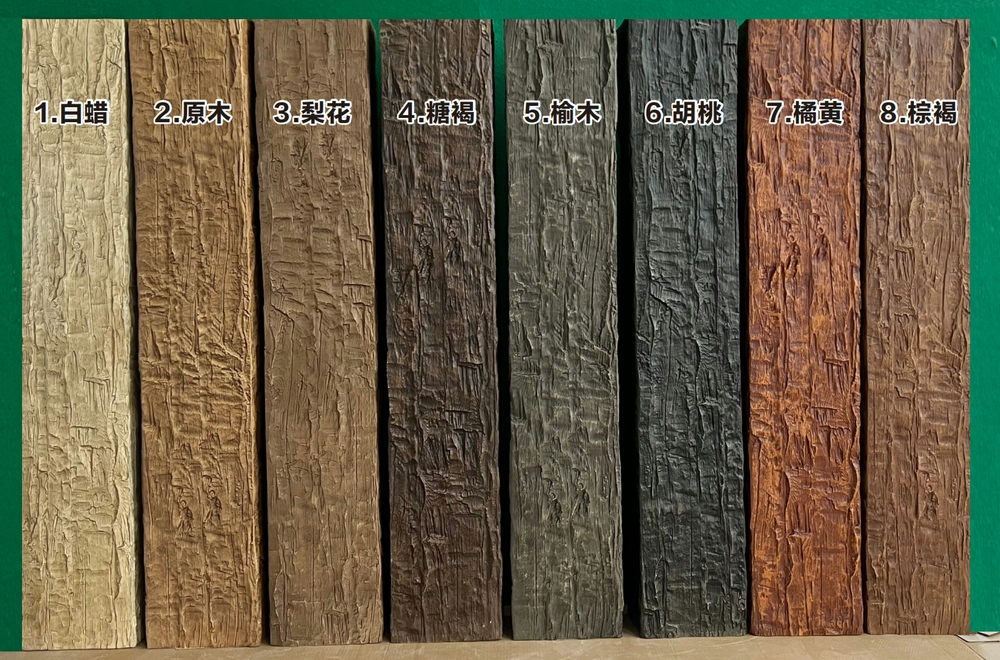
Profile and finish selection for mini beams
Mini beams typically use smaller profiles than full-size beams:
- 4x6 — smallest standard profile, used for delicate applications
- 6x6 — versatile mini profile, the most common mini beam size
- 6x8 — larger mini profile, for applications needing more visual weight
Larger profiles (8x8 and above) are usually unnecessary at 2-foot lengths because the beam starts to look proportionally wrong.
Finish considerations
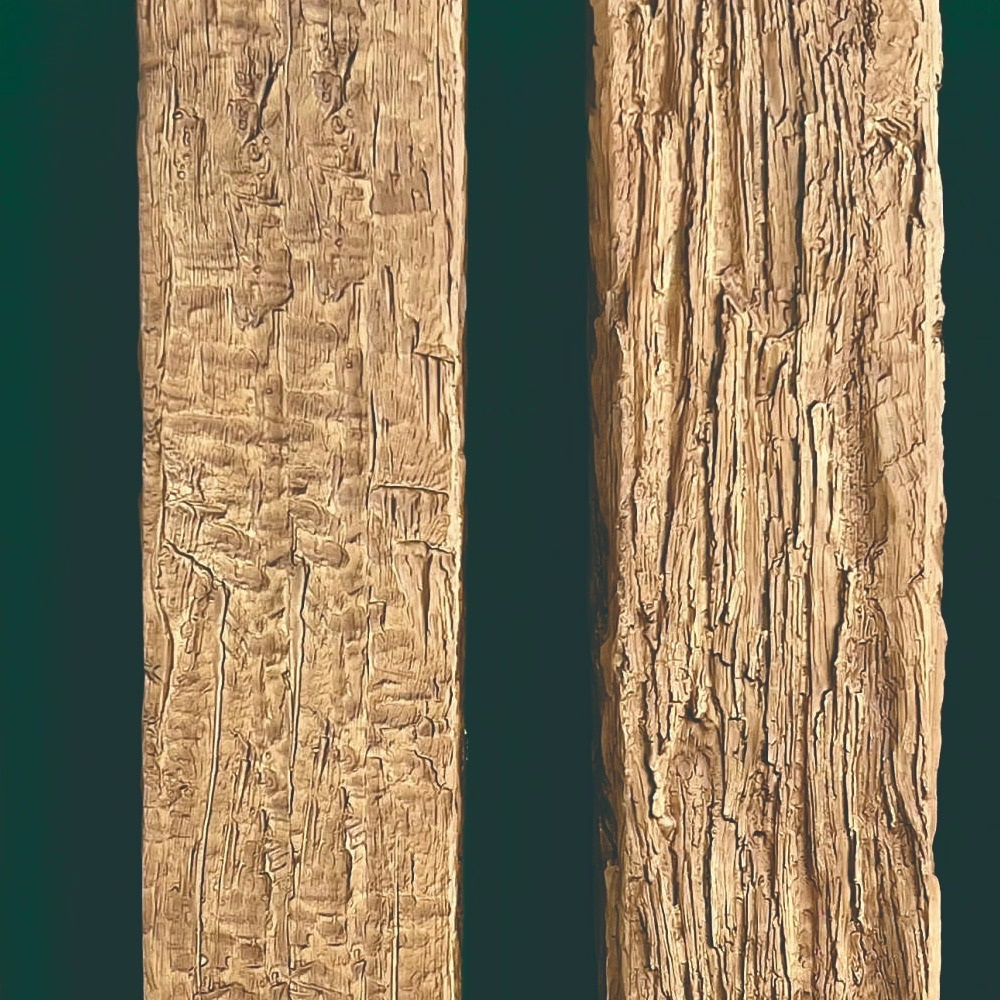
Mini beams typically use lighter finishes and smoother textures than full-size beams:
- Light oak, natural pine, whitewashed finishes for Scandinavian and modern applications
- Light to medium walnut for transitional applications
- Smooth or light-grain texture rather than heavy hand-hewn (heavy texture on a small beam looks forced)
The finish should match or coordinate with the room's other wood elements. A mini beam with a different finish than the surrounding millwork or furniture looks like an afterthought.
Mounting mini beams
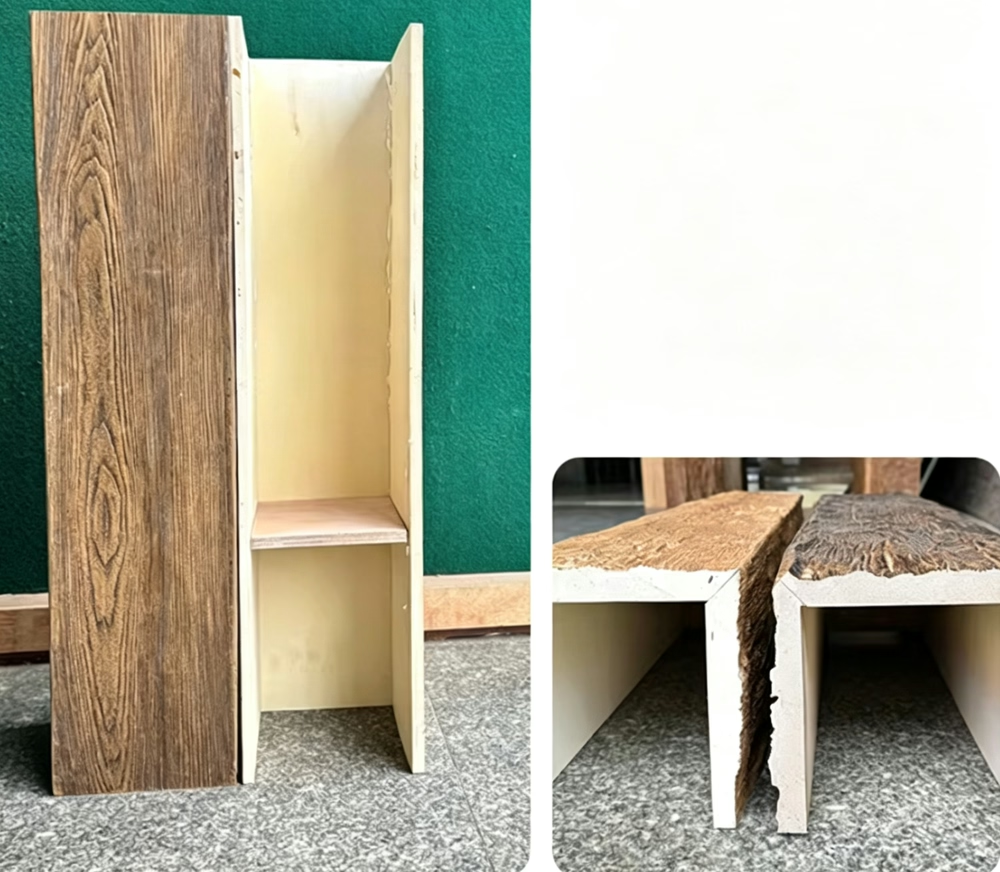
Mini beams install similarly to full-size beams but with simpler requirements:
- 2-foot beams are typically one-person installations (under 5 pounds for most profiles)
- Construction adhesive in a continuous bead is usually sufficient (mechanical fasteners optional for very small beams)
- No special backing required for most applications — the adhesive provides adequate bond on drywall, plaster, or wood surfaces
- Cure time: standard 24 to 48 hours before loading
The simplicity of installation makes mini beams accessible for DIY projects and weekend renovations.
Common mini beam projects
Powder room upgrade
A 2-foot 4x6 beam mounted above the powder room mirror or sink adds architectural detail to a space that usually lacks it. Pair with a coordinated mirror frame and vanity cabinet finish.
Small bathroom ceiling detail
A single mini beam at the ceiling center, perpendicular to the room's long axis, breaks up the flat ceiling plane. Use moisture-resistant finishes and proper ventilation to prevent any concerns in humid environments.
Kitchen hood accent
Two short beam sections flanking a stainless steel or custom range hood create a deliberate architectural frame. Coordinate with cabinet finish and counter material.
Hallway ceiling rhythm
Multiple short beam segments at regular intervals down a long hallway create a ceiling rhythm without the cost or installation complexity of full-length beams.
Bookshelf or display accent
Short beam sections mounted above built-in bookshelves, display cabinets, or entertainment centers. Provides visual weight above the millwork.
Where mini beams don't work
Mini beams aren't appropriate for primary ceiling applications. They look wrong when:
- Used as the main ceiling feature in a regular room — a single 2-foot beam in a 12x14 bedroom looks like a mistake
- Specified at full-size profiles (8x10 and above) — the proportions look wrong at short lengths
- Combined with heavy texture — deep hand-hewn looks forced on a small beam
- Mixed with full-size beams at the same profile — the proportions clash unless carefully coordinated
For primary ceiling applications, use full-size beams. Mini beams complement, they don't substitute.
Trade and sourcing notes
For distributors and contractors:
- Mini beams (2 to 4 feet) are typically stocked as standard SKUs at most manufacturers
- Often sold in bundles of 4 to 10 pieces for accent applications
- Lead time: 5 to 10 days from Asian factories; 2 to 4 days from US/EU warehouses
- Per-piece pricing is higher per linear foot than longer stock (setup costs spread over less material)
- Common SKUs: 2-foot and 4-foot at 4x6 and 6x6 profiles in standard finishes
For project planning, mini beams are often specified alongside full-size beams as accent and detail elements. Coordinated ordering ensures finish matching.
A practical rule
A 2-foot mini PU faux timber beam is the right call for accent details, small space applications, and decorative trim work where full-size beams would be wrong. The mini beam handles specific functions that complement, not replace, full-size beam installations. Specify mini beams when the application calls for delicate detail work; specify full-size beams for primary ceiling features.
Technical References
ASTM standards cited in every specification
Test Data
Lab results from internal testing program
Updated 2026
Reviewed against current product specs