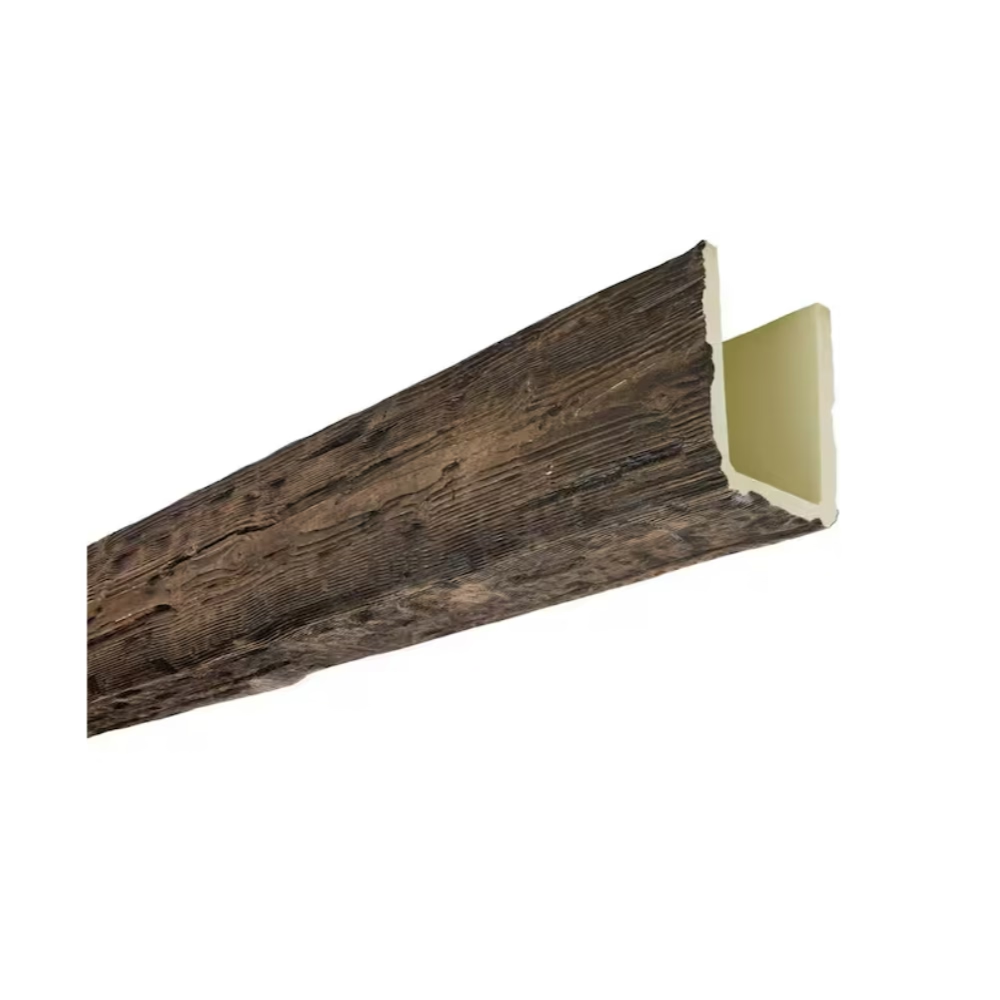
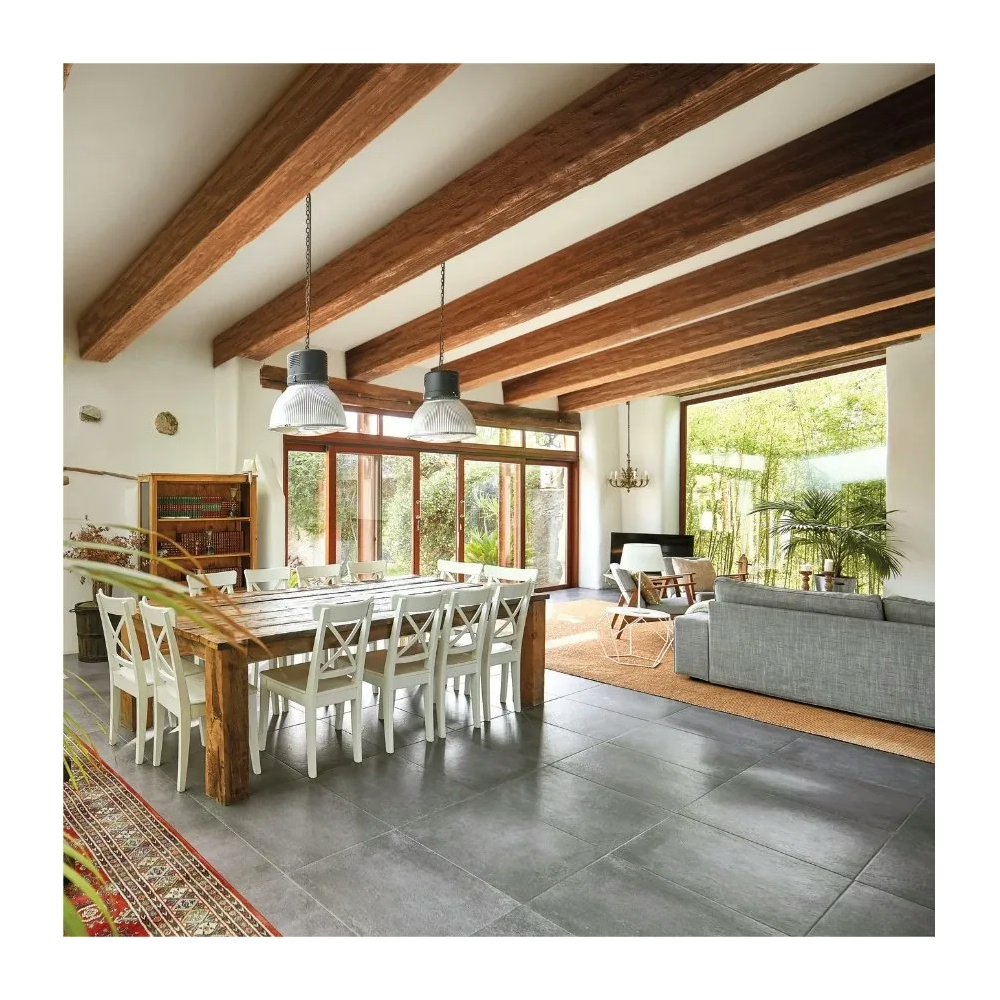
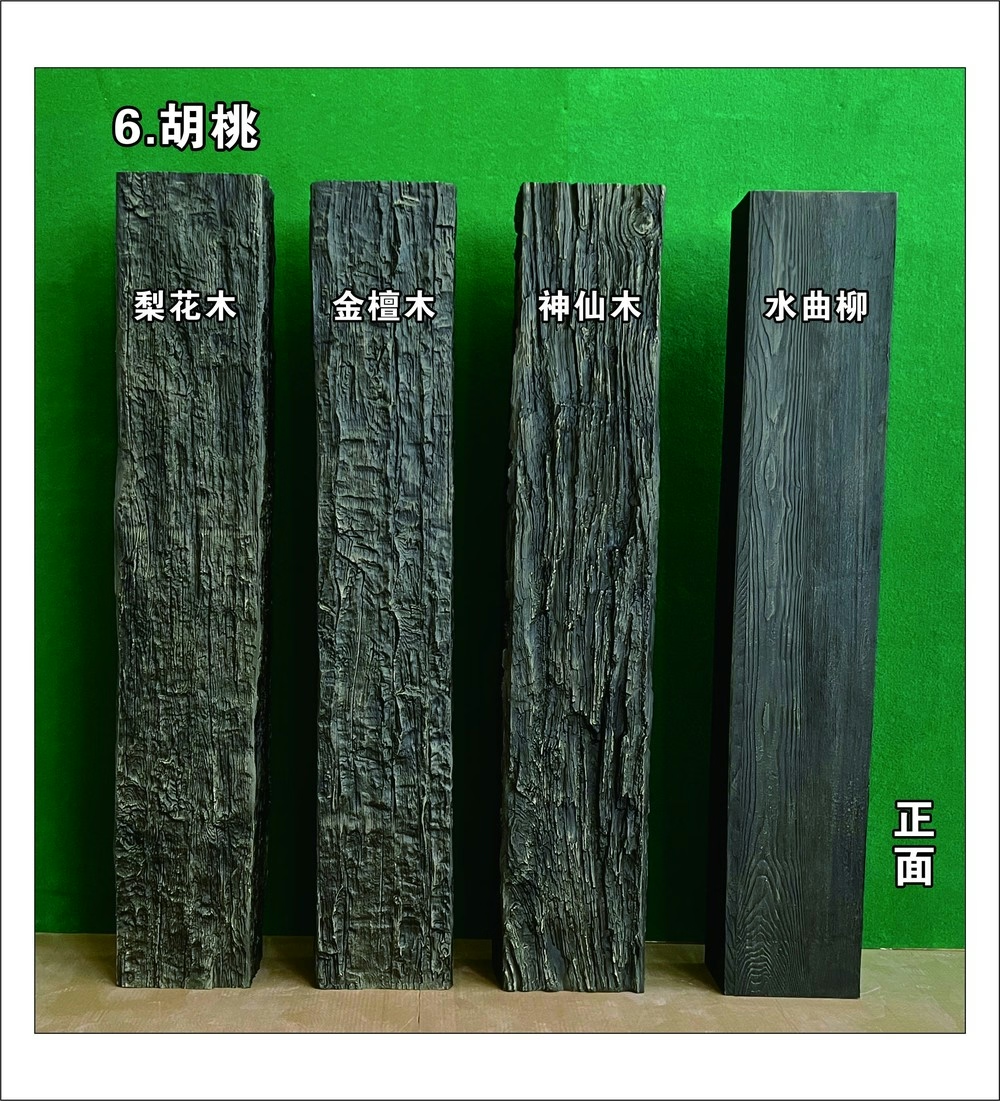
The difference between faux beams that look like plastic and beams that look like timber comes down to texture realism. Surface appearance determines whether observers see authentic timber character or obvious imitation. Capturing and reproducing that authentic appearance requires sophisticated technology that goes far beyond simple mold-making. Premium manufacturers invest substantially in texture development, and the results are visible in every beam.
High-fidelity texture reproduction involves capturing genuine wood surfaces with precision, translating that capture into mold tooling with accuracy, and reproducing the texture consistently across production. Each step requires specialized technology and expertise. Understanding the process helps explain why premium beams cost more and why the visual difference is worth paying for.
Wood texture characteristics
Authentic wood surfaces contain complex visual information:
Grain patterns — growth ring patterns unique to each piece of timber
Surface topography — raised and recessed areas from sawing, planing, and weathering
Color variation — natural tone differences across growth rings and between heartwood and sapwood
Incised features — tool marks from saw blades, planer knives, and hand tools
Character marks — knots, checks, and other natural features that convey age and authenticity
Capturing all these characteristics with fidelity requires sophisticated acquisition technology.
Texture acquisition methods
Premium manufacturers use advanced capture systems:
High-resolution scanning
Digital scanning preserves surface characteristics:
- Resolution of 600-1200 DPI captures fine grain details
- Photogrammetry creates 3D surface maps
- Color accuracy matching calibrated wood samples
- Complete documentation of texture features
Scanning preserves texture data that can be reproduced indefinitely.
silicone rubber molding
Traditional molding captures full surface detail:
- Food-grade silicone captures minute surface variations
- Multiple mold sections allow complex geometry
- Proper venting preserves fine detail
- Durable materials withstand production use
Premium molds capture details that simpler methods miss.
Master pattern creation
Original surfaces guide mold creation:
- Real reclaimed timber provides authentic character
- Hand-finished patterns ensure consistency
- Aged wood from demolition projects offers period authenticity
- Composite masters combine best features from multiple sources
The quality of the original pattern determines ultimate texture fidelity.
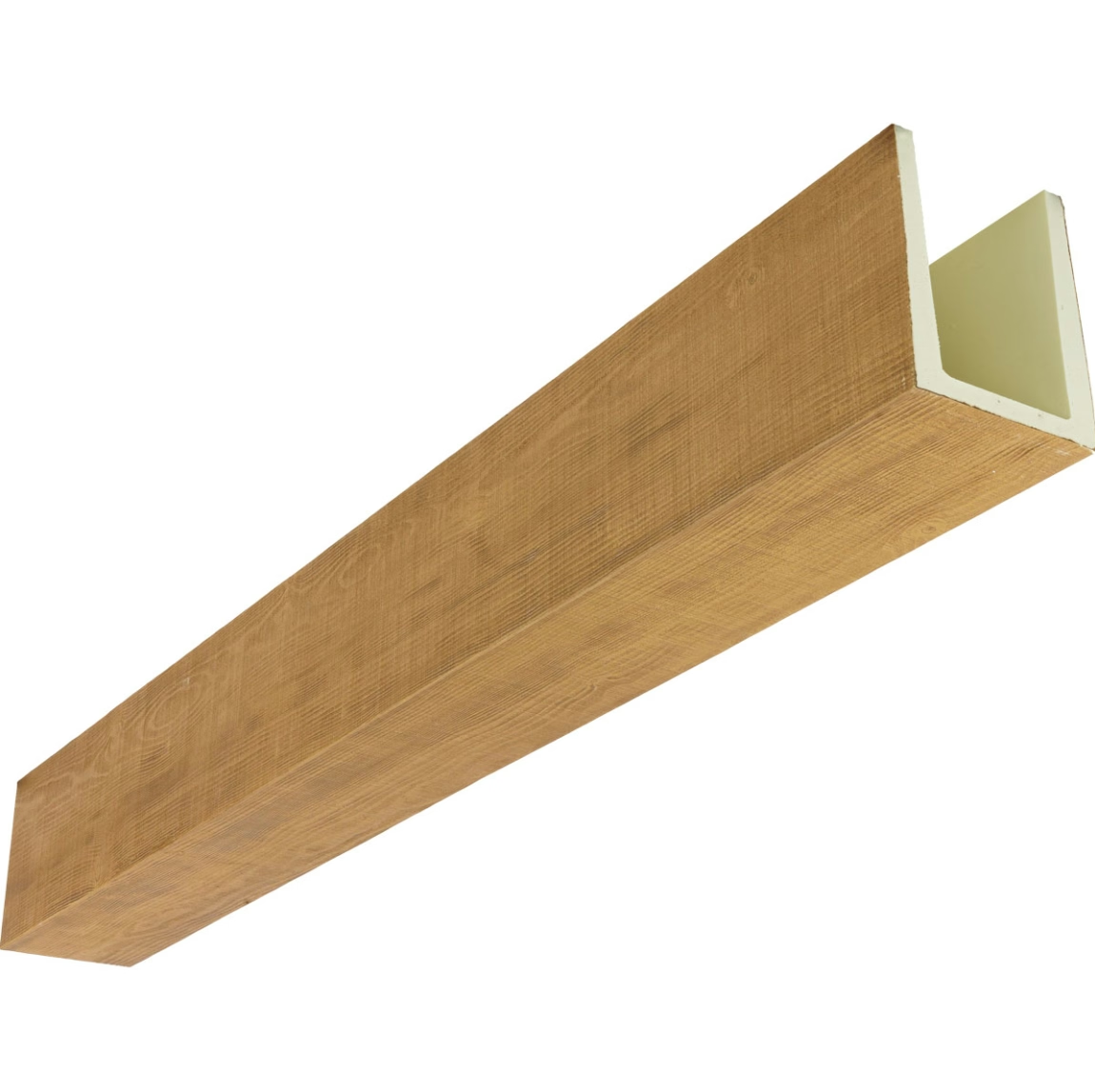

Mold manufacturing precision
Texture capture requires equally precise mold production:
CNC machining of mold surfaces
Complex geometries require computer-controlled tooling:
- Multi-axis machining centers produce accurate mold geometry
- Ball-end mills create organic surface contours
- Precision control maintains texture detail through tool path
- Tool wear monitoring prevents quality degradation
CNC production ensures consistency across mold sections and production runs.
Hand finishing by specialists
Some detail requires human skill:
- Expert finishers refine machined surfaces
- Natural variations added to synthetic patterns
- Wear patterns enhanced for authenticity
- Edge definition refined for realism
The combination of machine precision and human artistry produces optimal results.
Texture mapping technology
Digital textures enable advanced production:
- Texture files applied to CAD model surfaces
- Optimized for production process constraints
- Consistent reproduction across multiple molds
- Continuous improvement through texture updates
Digital texture management enables rapid iteration and improvement.
Surface finishing processes
Post-molding treatment enhances realism:
Multi-stage painting
Layered finish creates depth:
- Base coat establishes color foundation
- Grain highlighting adds visual complexity
- Wash coat fills texture valleys
- Top coat seals and protects
Each layer contributes to the convincing appearance of authentic timber.
Texture enhancement
Additional treatment improves surface:
- Hand-staining highlights specific features
- Selective distressing adds age character
- Edge darkening suggests natural weathering
- Seal coat application protects the finish
These treatments transform molded surfaces into believable timber.
Quality verification
Texture fidelity requires systematic evaluation:
- Comparison against reference samples
- Photography under standardized lighting
- Expert panel review for authenticity
- Field feedback integration for improvement
Continuous quality monitoring maintains texture standards.

Texture classifications
Different texture levels match different applications:
Standard texture — basic wood grain pattern, suitable for budget projects and paint-grade applications
Premium texture — detailed grain with authentic character marks, suitable for most residential and commercial applications
Ultra-realistic texture — maximum fidelity reproduction of specific wood species, suitable for high-end projects requiring exact appearance matching
Custom texture — client-specified appearance matched from samples or photographs
Premium projects warrant premium texture investment.
Technology investment returns
High-fidelity molding requires significant capital:
Scanning equipment — professional systems cost $50,000-200,000
Mold manufacturing — premium molds require $20,000-100,000 per design
Finishing facilities — spray equipment, booths, and curing systems
Expert personnel — skilled finishers require years of training
These investments separate premium texture from commodity appearance.
Choosing authentic texture
When texture authenticity matters:
- Request texture samples before ordering
- Compare samples under project lighting conditions
- Ask about texture capture and manufacturing methods
- Consider viewing installed projects
Premium texture commands premium pricing but delivers premium appearance. For projects where visual quality determines success, high-fidelity texture is worth the investment.
Technical References
ASTM standards cited in every specification
Test Data
Lab results from internal testing program
Updated 2026
Reviewed against current product specs