The Gallery Challenge
Art galleries face a fundamental tension: the space should disappear, letting art dominate. Yet galleries need character that distinguishes them from generic white boxes.
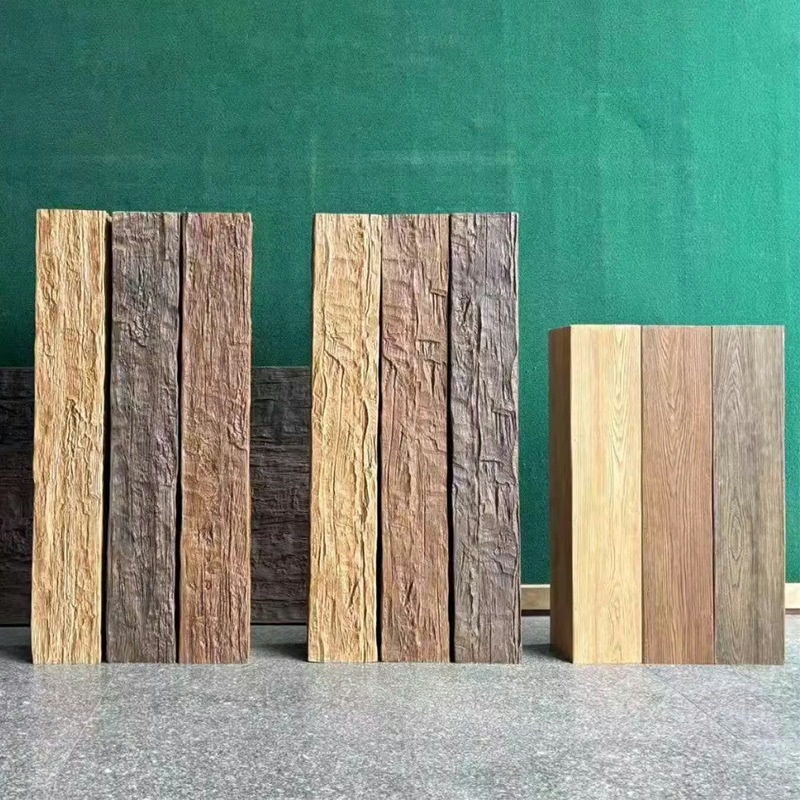
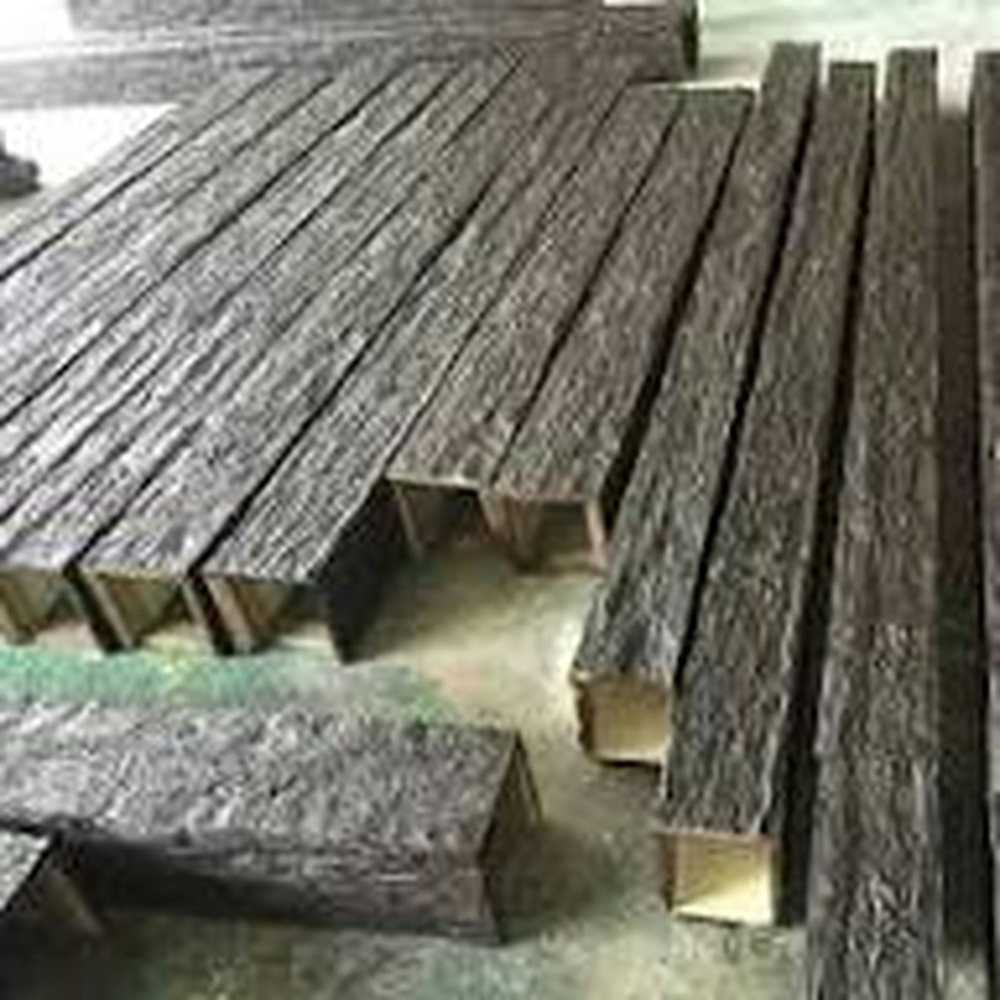
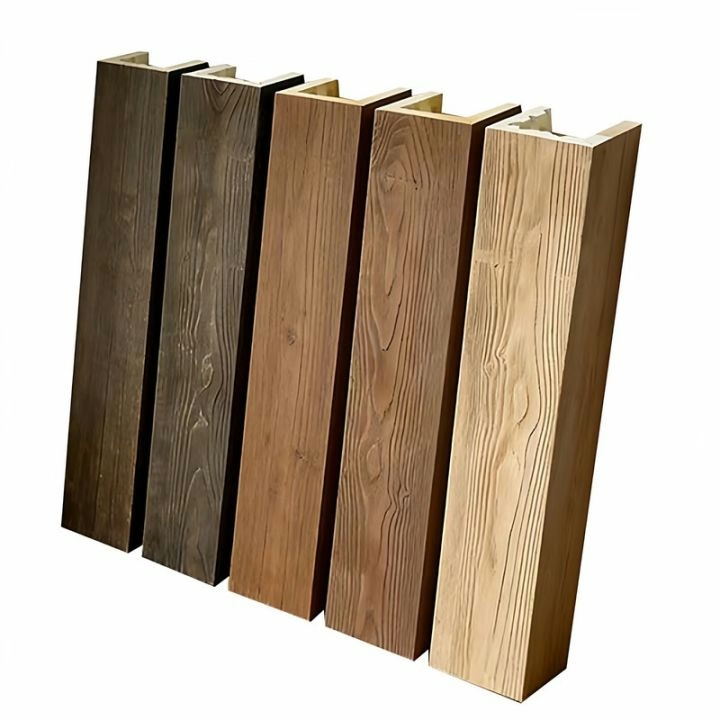
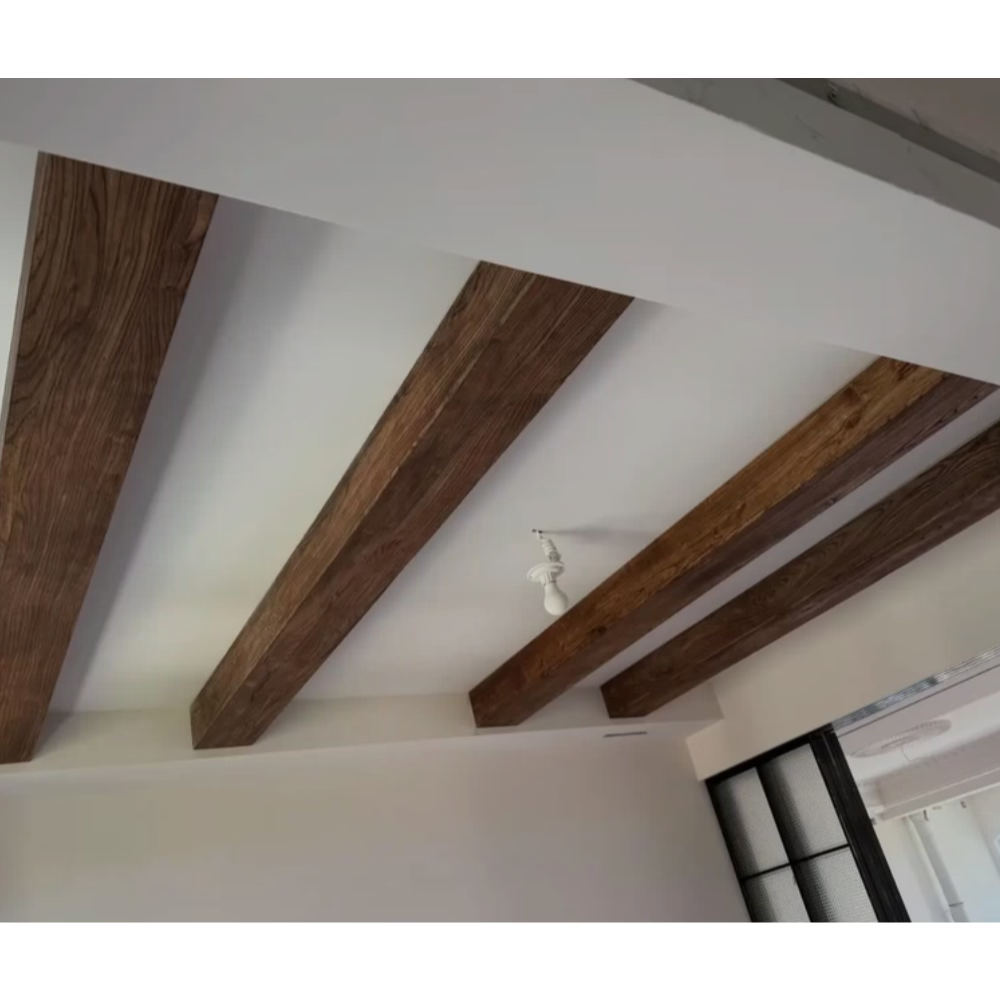
Faux wood beams offer a solution that provides warmth without competing.
Gallery Design Philosophy
Hierarchy Principle
In galleries, art comes first:
- Architecture supports, doesn't dominate
- Ceiling elements add warmth, not distraction
- Visual weight enhances, doesn't overwhelm
- The space frames without calling attention
This hierarchy guides every decision.
Warmth Without Competition
Galleries can feel clinical:
- White walls, polished floors, fluorescent lighting
- Necessary for art display but uncomfortable
- Wood elements add organic warmth
- Beams provide this without consuming wall space
The ceiling becomes the warmth source.
Beam Selection for Galleries
Subtle Profiles
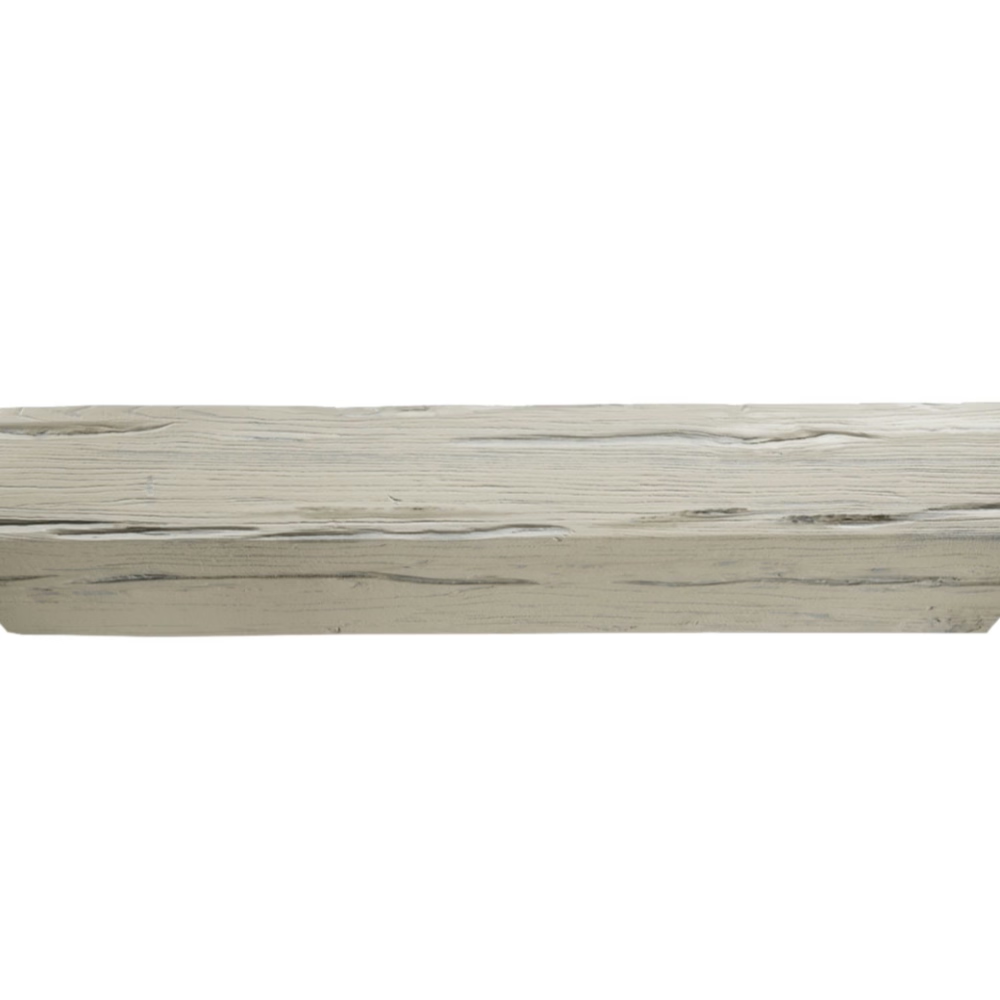
Gallery beams should be understated:
- Smaller profiles work better than dramatic
- Clean lines, minimal texture
- Natural tones that recede
- Simple geometric arrangements
Bigger isn't better in galleries.
Finish Considerations
Finish affects art perception:
- Natural wood tones photograph neutrally
- Painted beams can create color casts
- Consistent finish prevents distraction
- Matte surfaces reduce reflection issues
Test under gallery lighting conditions.
Spacing Philosophy
Galleries benefit from rhythm:
- Regular spacing creates subtle structure
- Too dense creates visual noise
- Too sparse provides no benefit
- Balance creates atmosphere without pattern
This spacing serves architecture.
Installation Approaches
Structural Integration
Beam placement should follow structure:
- Align with existing ceiling structure
- Coordinate with lighting positions
- Respect HVAC and sprinkler requirements
- Integrate rather than impose
Integration creates coherent design.
Access Considerations
Galleries need flexibility:
- Lighting positions change for exhibitions
- Beams shouldn't obstruct rigging
- Track lighting integration helps
- Minimal treatment maximizes adaptability
Plan for exhibition flexibility.
Art Type Considerations
Contemporary Art
Modern art demands restraint:
- Beams should be nearly invisible
- Simple profiles, neutral finishes
- The art provides visual interest
- Architecture recedes
Contemporary galleries benefit from subtlety.
Traditional Art
Classical art accepts more character:
- Period-appropriate finishes work
- More substantial beams appropriate
- Traditional styling complements art
- Historical accuracy may matter
Traditional galleries allow more expression.
Photography Exhibits
Photography has specific needs:
- Neutral backgrounds for color accuracy
- Consistent lighting interaction
- Matte finishes prevent reflection
- Flexibility for different exhibitions
Photography galleries prioritize neutrality.
Lighting Integration
Track Lighting Coordination
Beam placement affects lighting:
- Track runs between beams
- Fixtures mount without obstruction
- Light falls appropriately on art
- Shadows don't compete with work
Coordinate before installation.
Ambient Consideration
Gallery lighting sets mood:
- Warm wood adds to atmosphere
- Diffused natural light ideal
- Artificial lighting should complement
- Beams should support, not complicate
Consider overall lighting design.
Art gallery beams create warm backdrops that serve art display. The key is restraint—understated profiles, subtle finishes, and integration with architecture. When beams disappear into supportive roles, galleries achieve the character that makes art memorable.
Technical References
ASTM standards cited in every specification
Test Data
Lab results from internal testing program
Updated 2026
Reviewed against current product specs