The Spa Environment
Spas exist to promote relaxation. Every design decision either supports or undermines this goal.
Ceiling treatment significantly affects spa atmosphere.
Relaxation Principles
Visual Calm
Spa visuals should soothe:
- Warm natural materials
- Soft, organic textures
- Gentle, consistent patterns
- Uncluttered surfaces
Calm promotes relaxation.
Acoustic Comfort
Spas need quiet:
- Sound absorbs, not echoes
- Soft materials throughout
- Noise from adjacent areas managed
- Internal sounds contained
Beams contribute to acoustic environment.
Psychological Warmth
Humans feel warmth in wood:
- Biophilic response to natural materials
- Organic quality calms nervous system
- Connection to natural environments
- Sense of being welcomed
Wood surfaces support psychology.
Design Approaches
Japanese Minimalism
Zen-inspired spa design:
- Clean, simple beams
- Light natural wood tones
- Minimal texture
- Generous negative space
This approach maximizes calm.
Organic Naturalism
Nature-inspired spa:
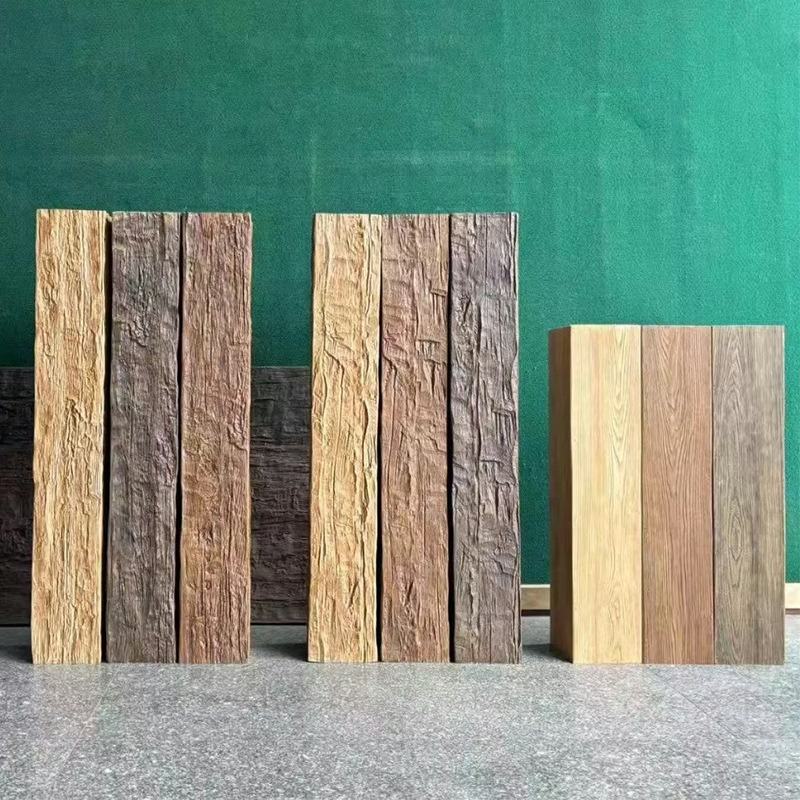
- Substantial beams with character
- Heavy grain textures
- Warm wood tones
- Earthy, grounded feeling
Beams suggest forest shelter.
Modern Wellness
Contemporary spa aesthetic:
- Clean-profile beams
- Neutral finishes
- Simple geometric arrangements
- Sophisticated simplicity
Modern wellness balances minimalism with warmth.
Material Considerations
Moisture Resistance
Spa environments involve humidity:
- Steam rooms and pools nearby
- High moisture in air
- Ventilation varies
- Polyurethane handles humidity well
Material selection matters.
Cleanability
Spas require hygiene:
- Surfaces clean easily
- No texture traps bacteria
- Mold resistance important
- Professional cleaning possible
Smooth finishes clean easier.
Durability
Spa traffic demands durability:
- Commercial use levels
- Cleaning frequency
- Chemical exposure
- Long-term appearance
Quality materials last.
Lighting Integration
Warm Illumination
Spa lighting should feel warm:
- Warm-toned LEDs complement wood
- Dimmable for flexibility
- No harsh fluorescent
- Soft, diffuse lighting
Light enhances wood tones.
Ambient Lighting
Integrated ambient solutions:
- Lights within beam patterns
- Uplighting for warmth
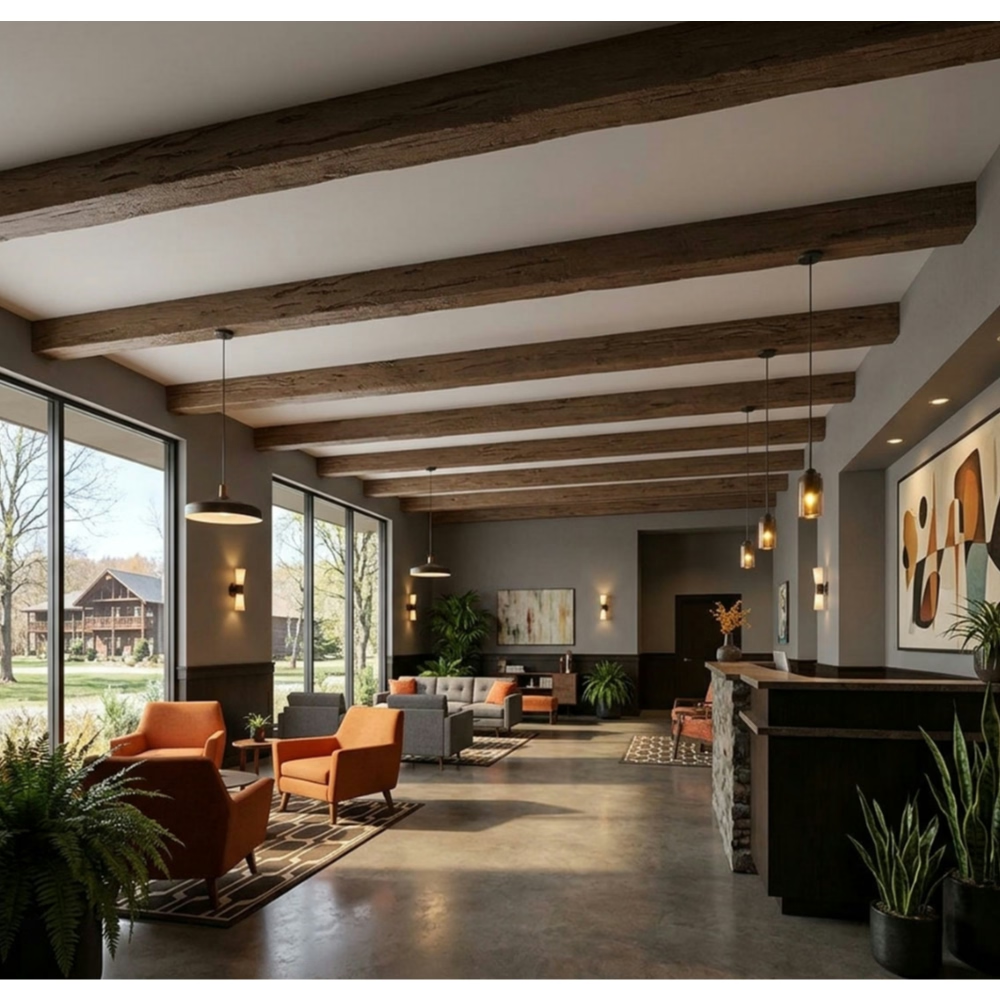
- Pendant fixtures between beams
- Layered illumination
Lighting creates atmosphere.
Treatment Area Design
Sauna Environments
Saunas have specific needs:
- High temperature tolerance
- Wood aesthetic expected
- Cedar traditionally used
- Polyurethane alternatives available
Specialized products required.
Steam Rooms
Steam rooms present challenges:
- High humidity constant
- Chemical cleaning required
- Slip-resistant surfaces
- Specialized materials needed
Standard beams unsuitable.
Treatment Rooms
Massage and treatment spaces:
- Normal humidity levels
- Standard cleaning protocols
- Relaxing atmosphere needed
- Standard beams appropriate
Most spa areas need standard treatment.
Color Psychology
Warm Wood Tones
Psychological warmth:
- Reduces anxiety
- Promotes relaxation
- Creates welcoming feeling
- Supports wellness goals
Warm tones support spa mission.
Neutral Finishes
Flexible neutrality:
- Matches diverse décor
- Works with earth tones
- Accommodates brand colors
- Provides backdrop, not distraction
Neutral supports flexibility.
White and Light
Clean, pure feeling:
- Creates sense of cleanliness
- Supports hygiene perception
- Provides blank canvas
- Allows décor flexibility
White beams offer cleanliness.
Spa design with faux wood beams creates environments that support wellness. The key is understanding spa psychology: visual calm, acoustic comfort, and psychological warmth. When beams serve these purposes, they become essential elements in spaces designed for relaxation.
Technical References
ASTM standards cited in every specification
Test Data
Lab results from internal testing program
Updated 2026
Reviewed against current product specs