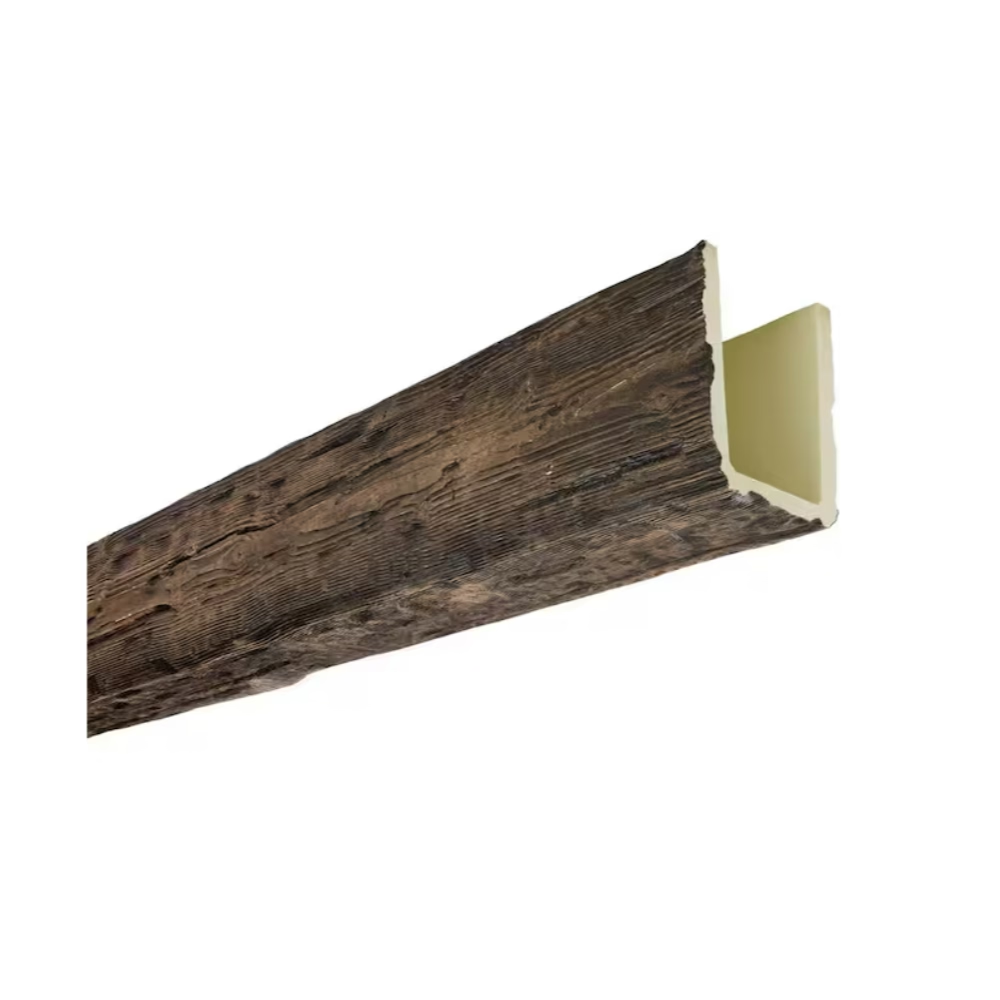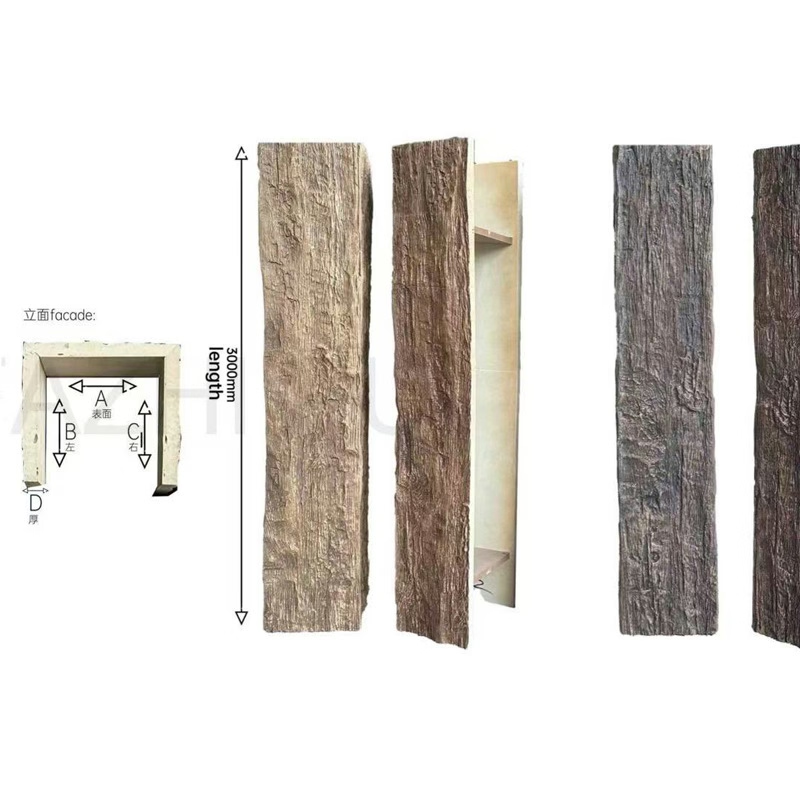
The remote worker's converted spare bedroom measured only ten by twelve feet, with standard eight-foot ceilings that left no room for elaborate architectural features. She wanted the warmth and visual interest of exposed beam ceilings but worried about overwhelming the small space with heavy timber elements. Compact polyurethane beams measuring 150 millimeters wide by 100 millimeters deep provided the perfect solution, adding architectural character while maintaining the spatial proportions that made the room functional for daily work. The finished ceiling transformed a forgettable bedroom into an inspiring home office that supported productive work while expressing her design sensibility.
Home offices represent a unique category of residential space that demands both functional workspace characteristics and the aesthetic refinement of living areas. Compact beam installations satisfy both requirements by adding visual interest without overwhelming limited spatial dimensions.
Scale Considerations for Home Offices
Home office spaces typically range from converted bedrooms measuring ten by ten feet to dedicated additions exceeding two hundred square feet. Beam scale should respond to room dimensions rather than applying commercial-scale profiles that overwhelm smaller residential proportions.
Ceiling height determines how much vertical space beams can occupy without creating oppressive overhead conditions. Standard eight-foot ceilings limit beam depth to approximately 150 millimeters, while nine or ten-foot ceilings accommodate beams up to 250 millimeters deep without compressing the space perceptibly.
Room proportions affect beam spacing and orientation. Long, narrow home offices benefit from beams running across the short dimension to reduce apparent length, while square rooms accept beams in any orientation. Beam spacing of 600 to 900 millimeters provides visual rhythm without creating excessive ceiling complexity.
Furniture scale and arrangement influence beam selection because beams and furniture must coexist without creating conflicts. Home offices with large desks, bookshelves, or conference tables require beams that don't compete with these elements, while simpler furniture arrangements allow beams to become primary visual features.
Modern Styling Approaches
Modern home office design embraces clean lines, minimal ornamentation, and carefully curated material selections. Beam installations should complement these design principles rather than introducing traditional or rustic elements that conflict with modern aesthetics.
Beam profiles in modern home offices favor clean rectangular cross-sections without the hand-hewn textures or distressed finishes associated with traditional or rustic styles. Crisp edges, consistent dimensions, and smooth finishes create the refined appearance that modern design demands.
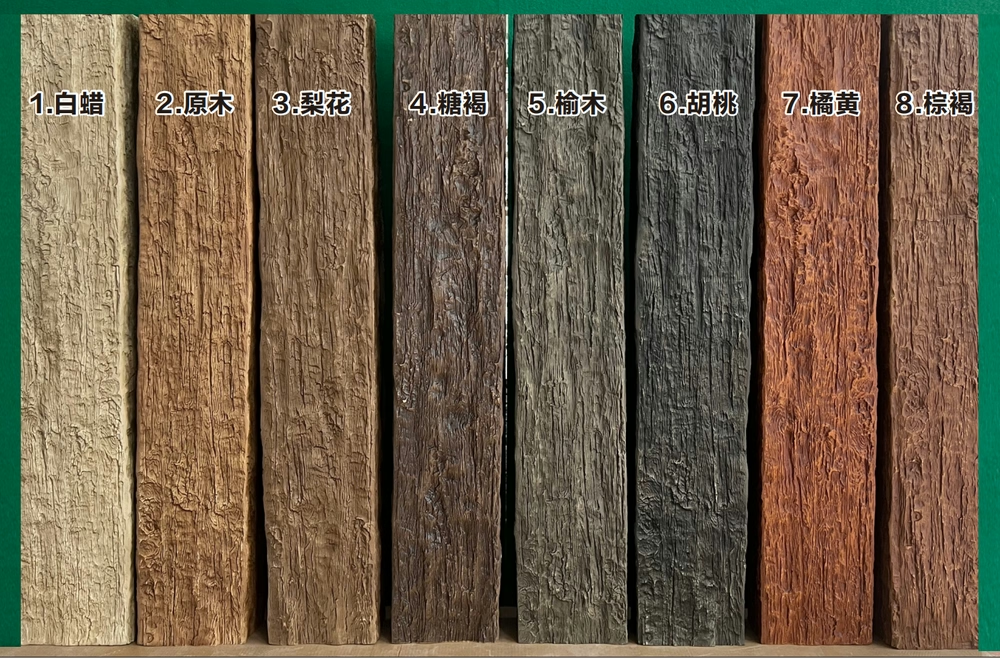
Color palettes for modern home office beams typically favor warm neutrals, light wood tones, or matte finishes that integrate with surrounding materials. Stark white beams create contemporary minimalism in some design schemes, while natural wood tones provide warmth that softens the clinical feel of purely white interiors.
Finish quality matters particularly in modern applications where surface imperfections become more visible against clean surrounding elements. Matte or low-sheen finishes hide minor surface variations while satin finishes provide subtle refinement that suits professional home office environments. High-gloss finishes may overwhelm residential office proportions despite their modern appeal.
Practical Benefits for Home Work
Beam installations in home offices provide functional benefits beyond pure aesthetics. The structural appearance of beams creates psychological separation between work and living space even within the same home, supporting the mental transition that productive remote work requires.
Acoustic performance improves with beam installations that include appropriate backing materials. Home offices often suffer from poor acoustics due to flat parallel surfaces that create flutter echo and standing waves. Beam installations with absorptive backing reduce these acoustic problems while adding visual interest.
Cable management benefits from beam installations that conceal wiring for lighting, networking, and electronic equipment. Surface-mounted cable raceways behind or within beams organize the connectivity requirements that modern home offices demand while maintaining clean visual appearance.
Lighting integration enables sophisticated illumination schemes that support both work tasks and ambient atmosphere. Linear lighting within beam cavities provides indirect illumination that reduces screen glare, while adjustable fixtures mounted to beams enable task lighting that adapts to specific work activities.
Installation Considerations for Residential Spaces
Residential beam installations face different challenges than commercial work, including structural limitations, aesthetic sensitivity, and occupant considerations. Successful home office installations address these factors through careful planning and appropriate execution.
Structural assessment before installation should verify that ceiling joists can support beam weight plus any additional loads from integrated lighting, fixtures, or storage. Most residential ceilings accommodate beam installations with standard blocking techniques, but older homes or unusual construction may require additional structural considerations.
Occupant scheduling affects installation timing in home offices where work cannot be interrupted. Some installers work around work schedules by installing during off-hours or staging installation across multiple short sessions that allow work to continue between sessions.
Dust and debris management becomes critical in home offices containing electronics, documents, and personal items that cannot tolerate construction contamination. Thorough room preparation with sealed barriers and careful work practices prevents damage to contents during installation.
Design Integration with Surrounding Spaces
Home offices often connect visually to other residential spaces through open floor plans or partial walls. Beam installations should coordinate with adjacent spaces rather than creating isolated effects that disconnect the home office from broader home aesthetics.
Visible beam portions from adjacent rooms require careful consideration of how beams appear from multiple viewpoints. Beams that work perfectly from within the home office may look awkward from neighboring spaces if profiles, colors, or proportions conflict with those spaces' design language.
Transition details between home office beam installations and adjacent ceiling conditions require attention to avoid abrupt terminations or mismatched appearance. Beam ends can terminate at walls, transition gradually to flat ceilings, or connect with other architectural elements that provide natural termination points.
Lighting and Technology Integration
Modern home offices depend on technology infrastructure that supports video conferencing, computer work, and communication requirements. Beam installations can integrate technology requirements while maintaining aesthetic quality.
Concealed wiring within beams provides clean appearance while supporting the connectivity that home offices require. Power outlets, network cables, and audiovisual wiring can be routed through beam cavities or behind mounted beams, with junction boxes located at accessible points for future modifications.
Smart home integration enables lighting, climate, and audiovisual controls that beam installations can house or conceal. Sensors, speakers, and control interfaces can be integrated into beam installations during construction, creating technology environments that don't compromise aesthetic refinement.
Video conferencing lighting requirements benefit from beam installations that provide mounting positions for key lights, fill lights, and background illumination. Proper lighting position improves video call quality significantly, and beams provide convenient mounting locations that integrate with overall ceiling design.
Cost-Effective Design Strategies
Home office beam installations should deliver maximum aesthetic and functional benefit within typical residential renovation budgets. Polyurethane beams provide inherent value through reduced material and labor costs compared to alternatives.
Phased installation strategies allow home office beams to be added over time rather than requiring comprehensive renovation at once. Initial beam installations can address primary visual impact, with subsequent additions completing the design vision as budget allows.
DIY-friendly installation characteristics of polyurethane beams enable cost savings for homeowners with appropriate skills and tools. However, electrical integration, structural modifications, or complex configurations may warrant professional installation despite higher costs.
Technical References
ASTM standards cited in every specification
Test Data
Lab results from internal testing program
Updated 2026
Reviewed against current product specs