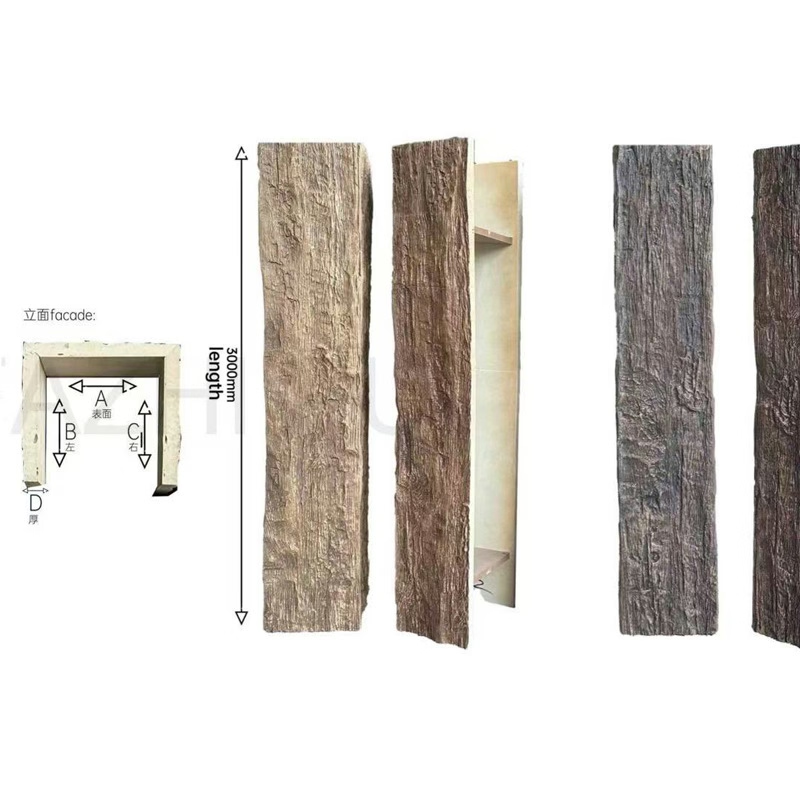
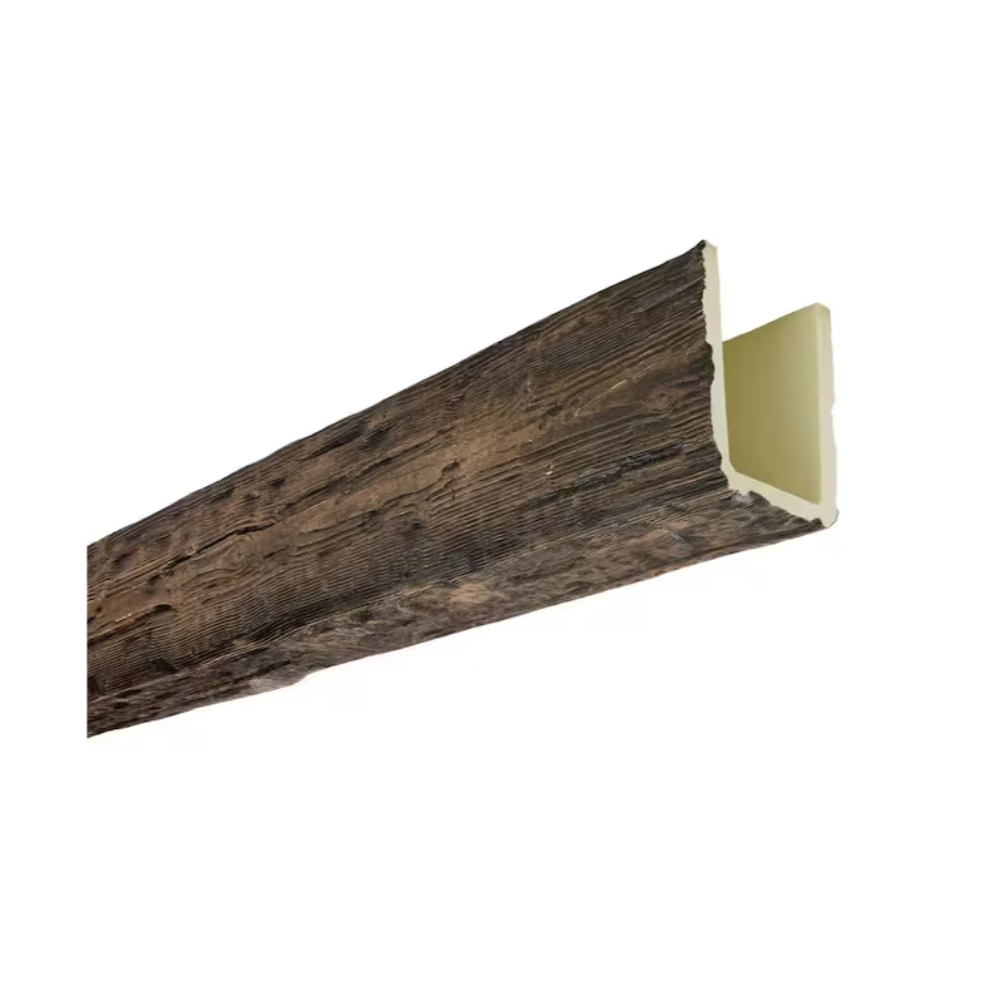
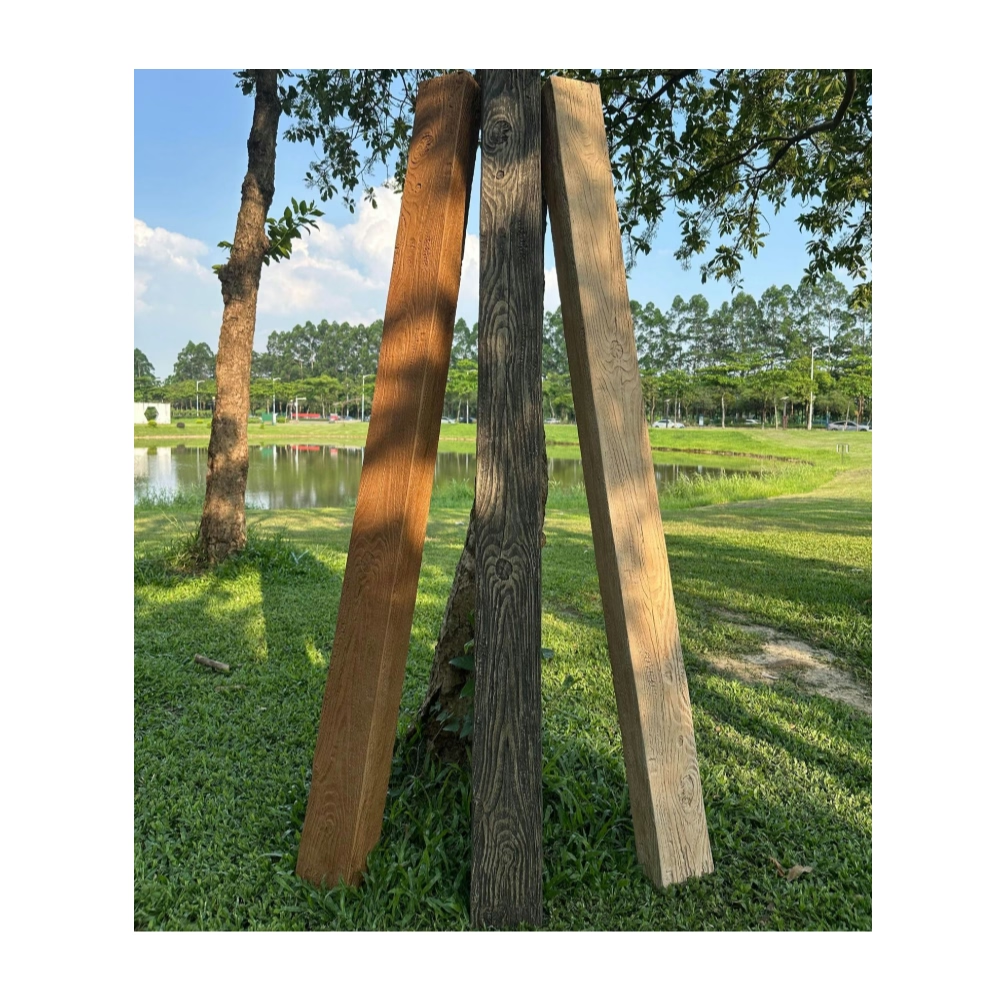
The Craftsman bungalow represents one of America's most enduring residential architectural traditions. Developed in the early twentieth century through the influence of Gustav Stickley and the Arts and Crafts movement, these homes emphasized honest craftsmanship, natural materials, and thoughtful integration of built form with human scale. Ceiling beams constituted a defining element of this aesthetic, providing both structural expression and visual warmth that continues to resonate with homeowners today.
The Craftsman Aesthetic and Its Ceiling Beam Heritage
Original Craftsman homes drew heavily on exposed structural elements to communicate their design philosophy. Douglas fir beams with visible mortise and tenon joinery expressed the beauty of wood through honest presentation of its natural grain and the evidence of skilled handwork. These beams were never decorative afterthoughts—they formed an integral part of the architectural narrative.
The proportions of authentic Craftsman beams reflected this philosophical commitment. Beams typically measured substantial relative to room dimensions, with depths equal to or greater than their width. Tapered corbels and knee braces, when present, added visual interest while echoing the load path from beam to support. The result was a ceiling that felt grounded and substantial, never delicate or fussy.
Restoring these original elements presents significant challenges in contemporary contexts. After a century of service, original beams often show accumulated damage—checking, surface wear, and sometimes structural compromise from long-term loading or moisture exposure. Replacement with matching timber adds cost that strains renovation budgets, while the continued maintenance requirements of natural wood create ongoing obligations that many homeowners find burdensome.
Matching Period-Appropriate Beam Profiles
Contemporary PU faux beams designed for Craftsman applications capture the essential characteristics that define authentic period aesthetics. The key lies in understanding which elements are critical for visual authenticity versus which represent artifacts of original construction methods that need not be replicated.
Beam depth-to-width proportions constitute the most important dimension for Craftsman authenticity. Original beams typically presented a substantial appearance, with depths running from 8 to 12 inches and widths from 6 to 10 inches, depending on span requirements. Faux beams that appear too thin or shallow will read as incorrectly scaled regardless of surface detail quality.
Knee brace and corbel details add period-appropriate character when correctly proportioned. These supports should feature simple, rectilinear geometry without elaborate carved ornamentation that would be more appropriate to Victorian interiors. The corbels typically extend one-third to one-half of the beam depth and maintain consistent taper throughout their height.
Surface texture deserves careful consideration. Original Douglas fir beams often showed pronounced grain patterns with visible annual ring curves where exposed to direct viewing. However, the actual surface condition of well-maintained original beams frequently showed accumulated varnish and paint layers that moderated these natural variations. A surface that reads as authentic depends on understanding the appearance of beams after decades of care rather than the initial appearance of freshly milled lumber.


Color and Finish Selection for Craftsman Interiors
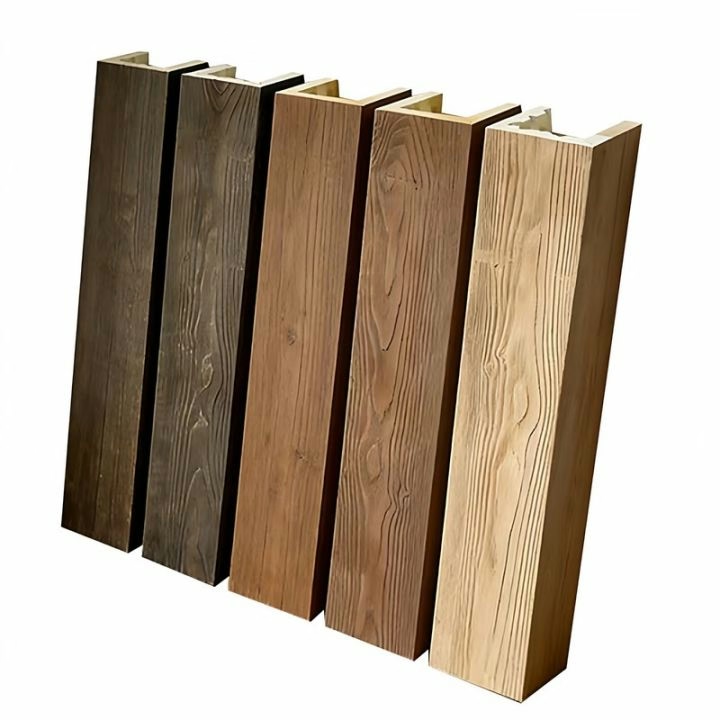
The color palette of original Craftsman interiors drew from earth tones and natural wood hues that complemented the movement's emphasis on organic connection. Golden oak, warm honey tones, and occasionally darker walnut stains characterized successful period interiors. Understanding these palette conventions helps ensure that beam selections support rather than conflict with the overall design intent.
Modern PU faux beams accommodate a wide range of finish options, from factory-applied stains that match specific wood species to primed surfaces ready for custom finishing. For homeowners committed to historical accuracy, several manufacturers offer stain formulations specifically developed to replicate the aged appearance of century-old Douglas fir and oak timbers.
The finish sheen level affects perceived authenticity. Original beams typically carried varnish or shellac finishes that provided some gloss while allowing wood grain to remain visible. Modern water-based finishes can achieve comparable appearance with improved durability and lower VOC content, supporting both environmental objectives and indoor air quality in completed projects.
In cases where beams are being installed as part of comprehensive renovation involving other woodwork, consistency of finish across all elements creates visual harmony. Kitchen cabinetry, built-in bookshelves, and exposed structural elements should all read as part of a cohesive design rather than a collection of unrelated components.
Installation Approaches for Renovations
The lightweight nature of PU faux beams compared to natural timber enables installation approaches that would be impractical or impossible with heavy wood members. This practical advantage often determines whether authentic Craftsman beam installation is feasible at all in renovation contexts.
Suspended mounting systems allow beam installation in spaces where the original structural configuration cannot support direct attachment. These systems use concealed hardware to create the appearance of direct beam-to-wall connection while transferring loads to structural ceiling elements. The result is visually indistinguishable from traditional installation while requiring only standard ceiling joist or substrate for support.
When installing over existing ceiling surfaces, backers must be placed to provide reliable attachment points. In renovations where ceiling surfaces are being renewed anyway, adding blocking between joists during the finishing phase creates ideal conditions for beam installation. For installations over existing ceilings, surface-mounted backers or adhesive attachment to properly prepared substrates provides adequate security.
Electrical integration often concerns renovators seeking to add lighting to beam installations. The hollow cores available in many PU beam profiles accommodate recessed fixture housing and wiring runs that would be far more complex to incorporate in solid timber. This practical advantage makes PU beams particularly suitable for renovation projects where lighting upgrades are planned alongside aesthetic improvements.
Cost Considerations for Renovation Projects
Budget planning for Craftsman beam installation involves several distinct cost categories that renovators should understand before committing to specific approaches. Material costs represent only one component, with mounting hardware, finishing products, and labor constituting the remainder.
For professional installation, anticipate that labor costs will typically equal or exceed material costs for complete beam installation including finishing. The complexity of creating authentic period appearances, including corbel detail matching and finish application, requires skilled tradespeople with appropriate experience. However, the reduced weight of PU beams versus natural timber speeds installation and reduces labor hours compared to equivalent timber installation.
Material cost variations reflect profile complexity and finish level. Simple rectangular beams with minimal detail fall at the lower end of the cost spectrum, while beams with corbels, end caps, and textured surfaces command premium pricing. The most economical approach involves selecting profiles that achieve authentic appearance without unnecessary complexity.

Maintaining the Craftsman Look Long-Term
Unlike natural timber that requires ongoing attention to maintain its appearance, quality PU faux beams preserve their look with minimal intervention. This characteristic proves particularly valuable in occupied homes where disruption from maintenance activities creates significant inconvenience.
The non-porous surface of polyurethane resists staining and soil accumulation that can discolor natural wood over time. Cooking grease, dust, and airborne contaminants that would penetrate wood fibers and require aggressive cleaning simply wipe from PU surfaces with mild detergent solution. This cleanability supports the long-term appearance of beams in kitchens and other challenging environments.
Color stability under interior lighting conditions ensures that beams maintain their original appearance indefinitely. Unlike natural wood that may yellow or darken with age, quality PU formulations resist photodegradation from standard interior lighting. The beam color at installation remains essentially unchanged after years of service.
Physical durability handles the minor impacts that occur in normal household use. Furniture moving, children's activities, and routine home maintenance occasionally bring objects into contact with ceiling beams. PU beams absorb these impacts without showing the dents, scratches, or gouges that would require repair on softer natural wood species.
Complementary Design Elements
Authentic Craftsman interiors typically incorporate multiple wood elements that work together to create cohesive environments. Beam installation often initiates broader renovation plans that extend these design principles throughout the living space.
Built-in cabinetry with similar finish and proportion creates logical visual connections with ceiling beams. The same wood tone used for bookcases, window seats, and fireplace surrounds should complement rather than compete with beam appearance. Careful coordination of these elements prevents the fragmented appearance that results from uncoordinated selection.
Arts and Crafts lighting fixtures, particularly those featuring Mica panels or geometric glass patterns, complement Craftsman beam installations with period-appropriate styling. The warm light transmitted through these fixtures creates intimate ambient conditions that highlight beam texture while providing practical illumination.
Textile choices, including upholstery fabrics, drapery materials, and floor coverings, should respect the earth-tone palette established by beam and woodwork finishes. Overly contemporary or brightly colored elements can create visual tension that undermines the cohesive effect that makes Craftsman interiors successful.
For homeowners undertaking Craftsman bungalow renovation, PU faux wood beams offer a practical path to authentic period appearance with modern material advantages. The combination of visual accuracy, installation flexibility, and maintenance-free service makes these elements increasingly popular among both renovators and design professionals seeking successful traditional outcomes.
Technical References
ASTM standards cited in every specification
Test Data
Lab results from internal testing program
Updated 2026
Reviewed against current product specs