Luxury residential design demands attention to every detail, with no element too small to escape careful consideration. Ceiling beams in high-end homes must do more than add warmth—they must establish and reinforce the sophisticated atmosphere that distinguishes exceptional interiors. Designer-grade options offer the refined aesthetics, superior materials, and impeccable craftsmanship that luxury clients expect and that standard products cannot deliver.
What Distinguishes Designer Grade
The term "designer grade" encompasses several characteristics that elevate products above standard alternatives. Understanding these distinctions helps professionals specify appropriately and communicate value to clients.
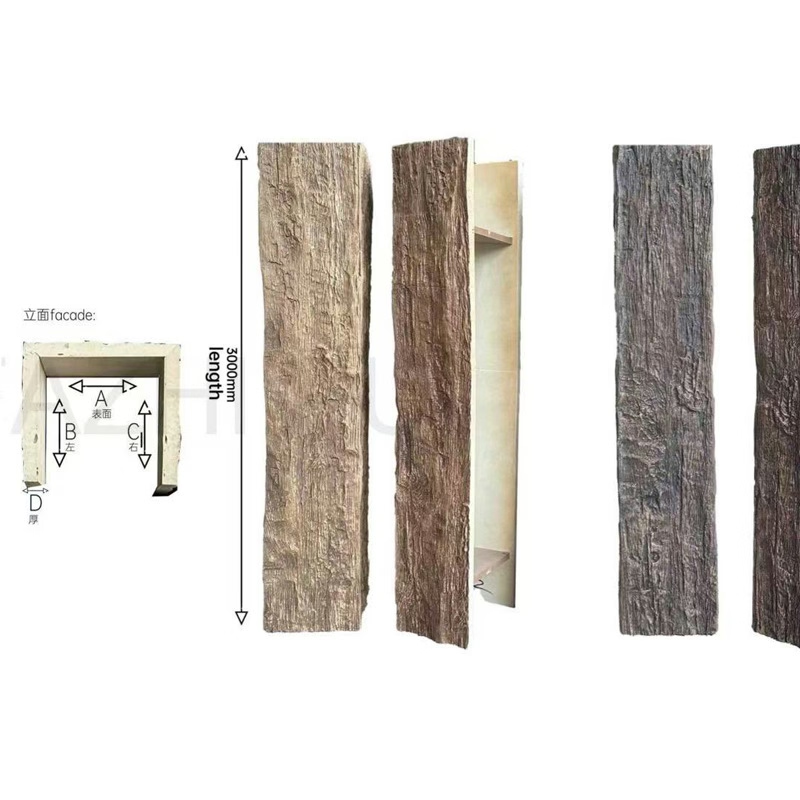
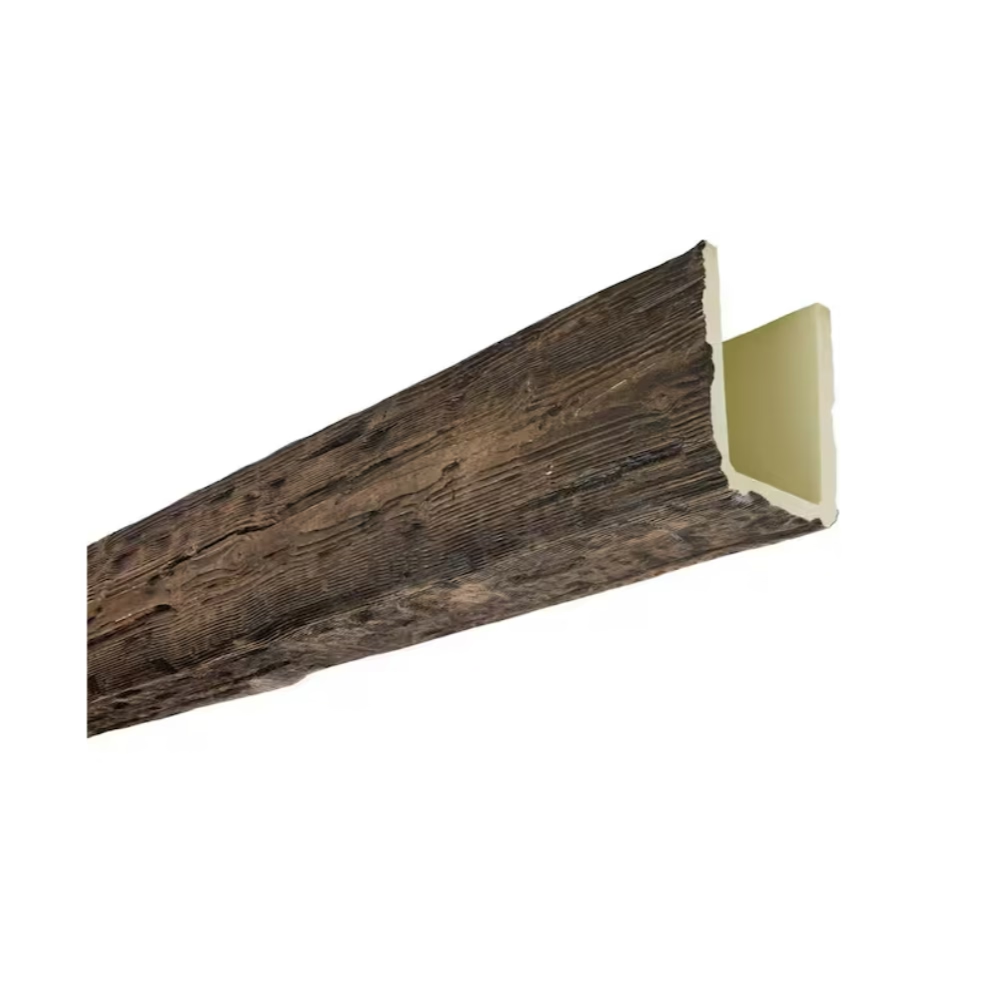
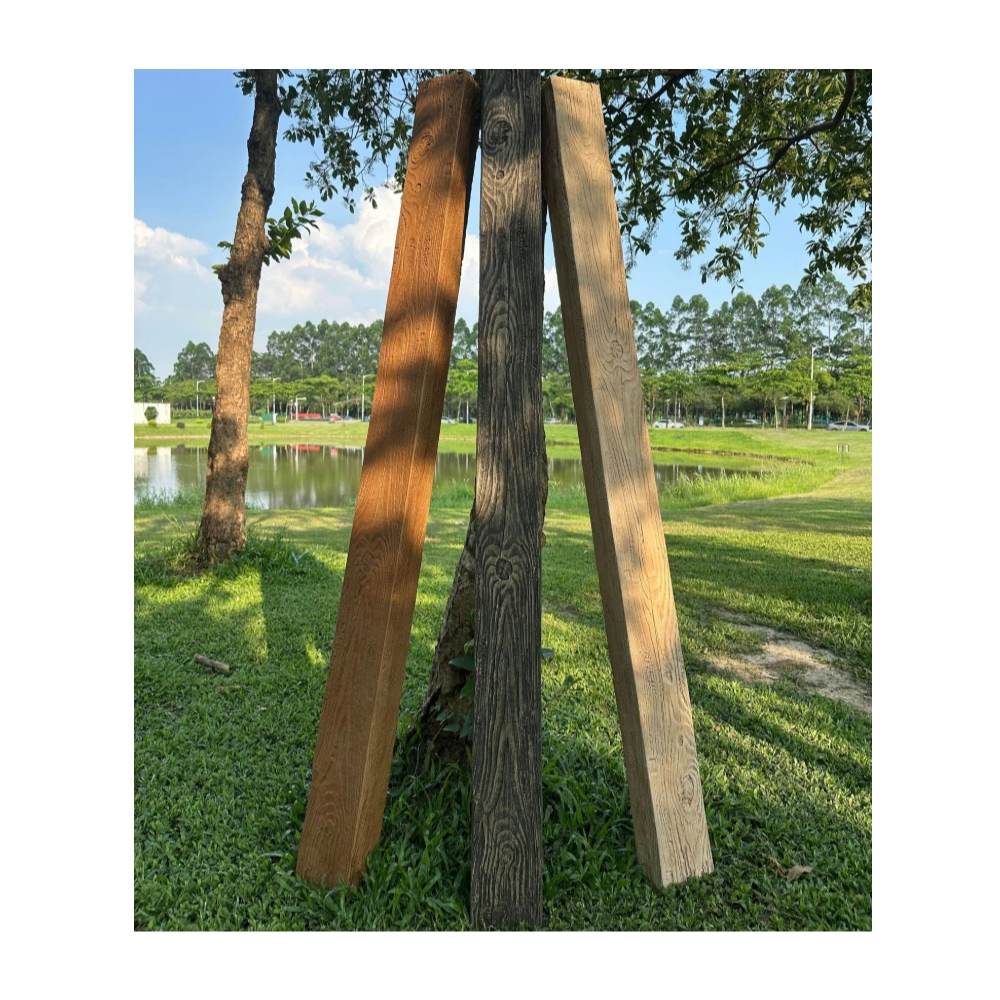
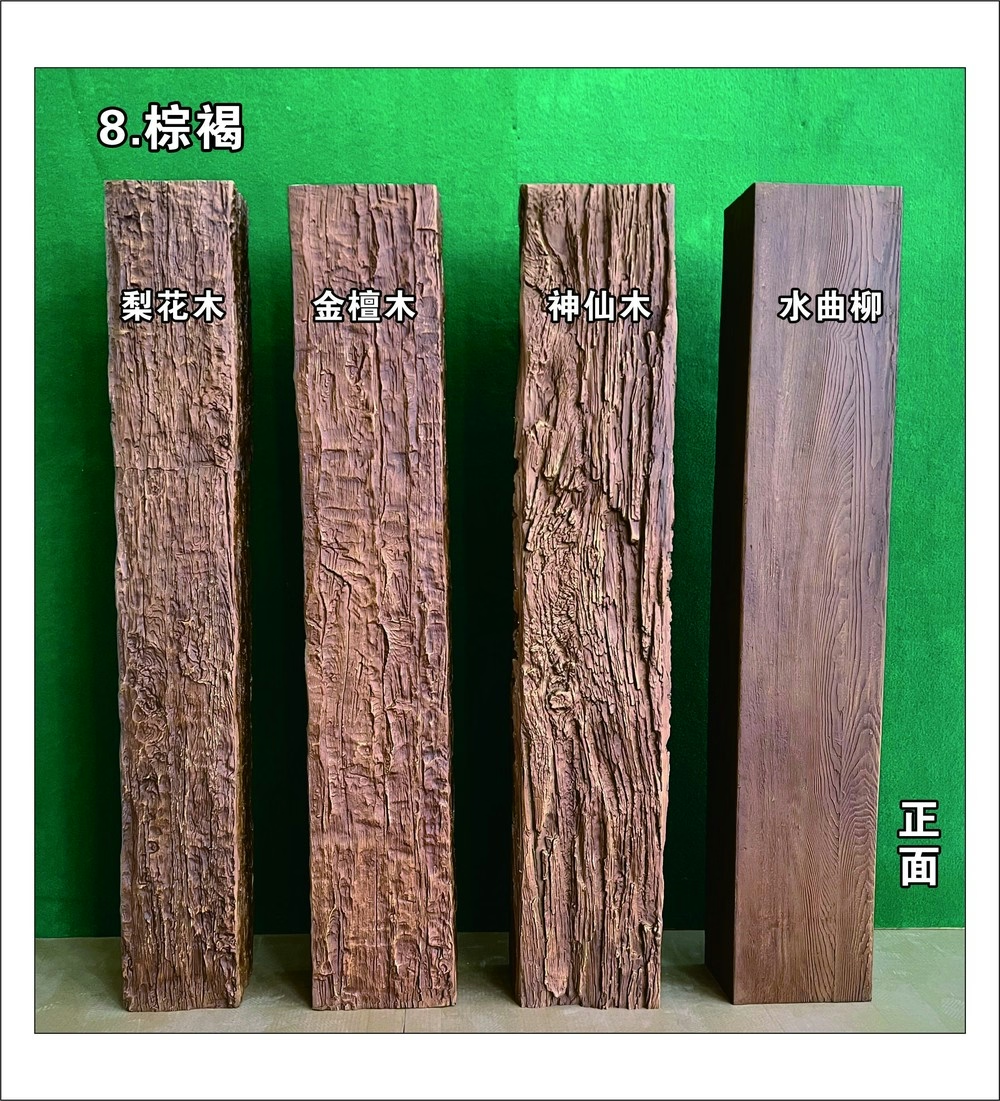
Premium surface treatment defines designer-grade appearance. Wood grain textures exhibit natural variation rather than mechanical repetition, with individual growth rings, knots, and color gradients that mirror natural timber character. The depth and subtlety of texture engages viewers at close range while reading appropriately from across spacious rooms.
Refined proportions contribute to sophisticated appearance. Designer-grade beams avoid both the chunky heaviness of rustic alternatives and the thinness of budget options, achieving balanced dimensions that feel substantial without overwhelming. Edge details, including chamfers, v-grooves, and decorative profiles, exhibit crispness that budget products cannot match.
Consistent quality across beam runs ensures coherent installation appearance. Designer-grade manufacturing produces matching elements that align seamlessly at joints and intersections. This consistency reflects both superior production methods and rigorous quality control that eliminates the variability common in standard products.
Curated Style Collections for Luxury Interiors
Several distinct style categories address different luxury interior aesthetics. Each offers characteristic proportions, details, and finish options suited to specific design approaches.
Modern luxury interiors favor clean-lined beams with minimal ornamentation. Profiles feature sharp edges, subtle v-groove detailing, and smooth or lightly textured surfaces. Finishes range from natural wood tones to painted whites and grays that align with contemporary color palettes. These beams contribute warmth without introducing traditional ornamentation that conflicts with contemporary aesthetics.
Traditional luxury embraces classical proportions with refined detailing that references historical craftsmanship. Corbel elements exhibit hand-crafted character, while end treatments incorporate traditional detailing. Rich wood tones in walnut, mahogany, and aged oak establish warmth that supports formal traditional interiors. These beams complement classical architecture and antique furnishings.
Transitional luxury bridges traditional and contemporary aesthetics with balanced approach. Proportions lean toward contemporary simplicity while selected details reference classical tradition. Finishes in warm neutrals—honey, wheat, and soft maple—work across design approaches as spaces evolve over time. These versatile options suit clients who appreciate traditional warmth without committing to period-specific aesthetics.

Premium Material Considerations
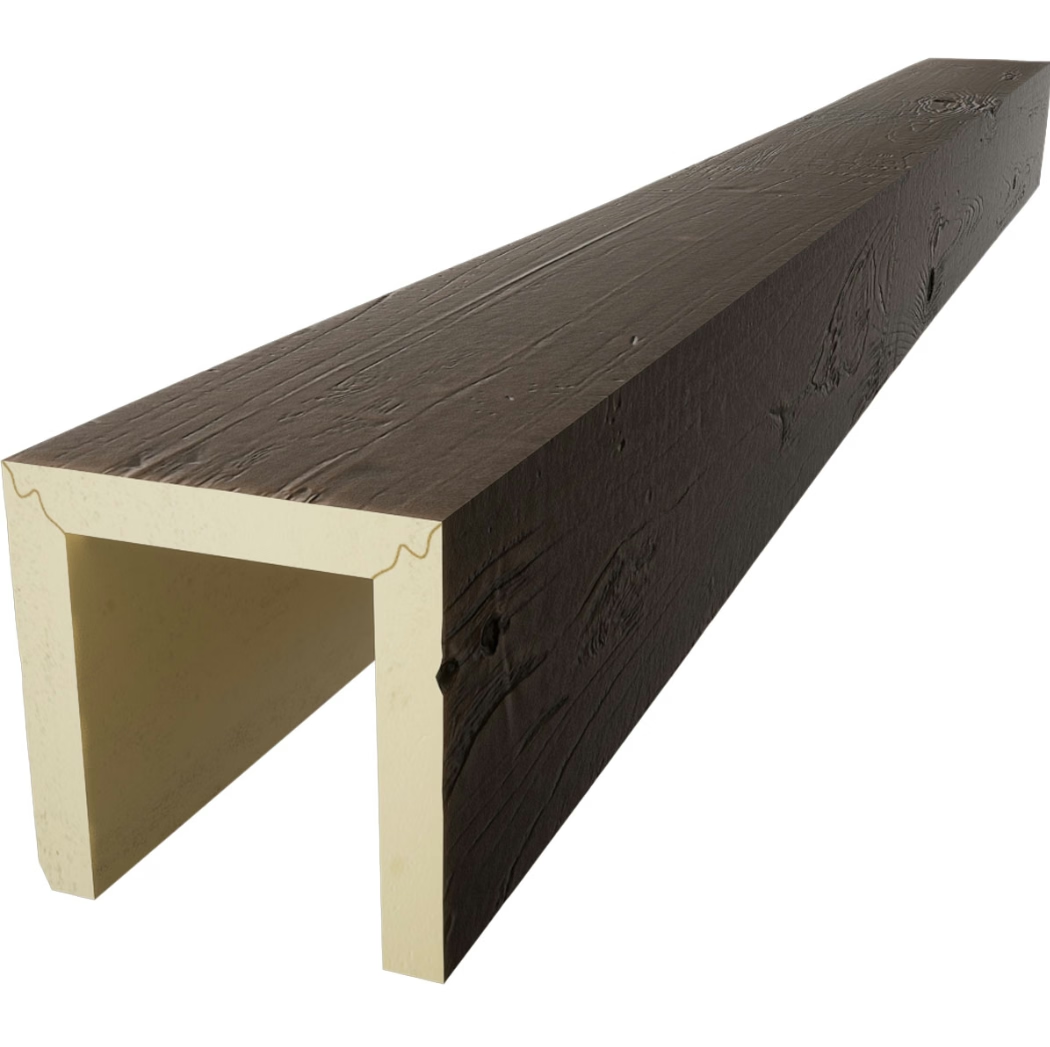
Designer-grade polyurethane formulations achieve densities and properties that support refined appearance and lasting performance. These material characteristics justify premium pricing while delivering corresponding value.
Density ranges between 35 and 45 kilograms per cubic meter provide optimal balance between authenticity and performance. Lower densities may feel insubstantial or appear to have thin walls, while higher densities add weight without proportional benefit. Premium manufacturers maintain tight density tolerances that ensure consistent appearance across beam runs.
Impact resistance protects refined surfaces from the minor damage that can compromise luxury appearance. Designer-grade formulations absorb accidental contact without showing dents, scratches, or gouges that would require repair. This durability proves particularly valuable in homes with active families or frequent entertaining.
UV stability prevents the yellowing and surface degradation that can affect lower-quality formulations under natural lighting. Designer-grade products maintain original appearance indefinitely under typical interior conditions, protecting investment in luxury finishes that would be expensive to restore.
Custom Profile Development
Luxury projects often require beam profiles not available in standard catalogs. Custom profile development enables exact matching to architectural requirements while maintaining premium quality standards.
Architectural coordination identifies profile requirements early in design development. Custom mold creation for unique proportions or decorative elements adds lead time and tooling costs but enables precise achievement of design intent. This investment is appropriate when standard profiles cannot deliver required appearance.
Finish customization develops colors and textures specific to project palettes. Designer-grade manufacturers can match existing wood tones, develop custom stains, or create painted finishes that align with interior color schemes. This customization ensures coherent appearance throughout luxury interiors where sample-based specification would introduce unacceptable variation.
Custom fitting development addresses unique intersection conditions that standard accessories cannot address. Curved beam connections, complex mitered joints, and specialty transitions require custom-fabricated fittings that maintain design continuity through challenging details. These specialized components ensure that even the most complex installations achieve seamless appearance.
Project Scale Management for Large Residences
Large luxury residences present coordination challenges that designer-grade installations must address systematically. Multi-room and whole-house beam installations require careful planning and execution to ensure consistent quality throughout.
Phased implementation allows designer-grade beam installation to proceed across multiple construction stages. Initial phases establish quality benchmarks and refine finishing procedures, while subsequent phases benefit from lessons learned. This approach ensures consistent quality throughout extended projects while accommodating construction schedules that may span months or years.
Sample room verification through pilot installations in selected spaces confirms that specified products and installation methods achieve intended results before committing to full project scope. This verification investment prevents costly corrections that full-project commitment would amplify. Sample rooms also provide reference standards against which subsequent installations are compared.
Trade coordination ensures that beam installations integrate properly with other finish work. Painter schedules, lighting installation, and millwork placement all interact with beam installations in ways that require careful sequencing and communication. Professional project management coordinates these dependencies to prevent conflicts that could compromise quality or delay schedules.

Finish Excellence for Designer Applications
The finish system applied to designer-grade beams significantly affects both initial appearance and long-term performance. Premium finish systems address both aesthetic and practical considerations.
Multi-step finishing processes create depth and richness that single-coat systems cannot achieve. Premium beams may receive stain application, toner coats, glaze layers, and protective topcoats that build dimensional appearance. Each layer contributes to final visual effect while providing protection that extends finish life.
Hand-finishing by skilled craftspeople addresses variation that automated processes cannot accommodate. Subtle adjustments to stain concentration, glaze accumulation, and topcoat sheen ensure that each beam achieves optimal appearance within established parameters. This human attention distinguishes designer-grade from mass-produced alternatives.
Consistent quality across beams ensures that finish appearance matches throughout installations. Premium manufacturers maintain process controls that minimize variation between production batches, enabling confident specification of multiple beams without concern for visible differences in appearance.
Installation Excellence for Luxury Results
Even the finest designer-grade beams fail to deliver intended results without installation quality matching manufacturing quality. Luxury installations require attention to details that standard practices might overlook.
Precision layout ensures that beam positions achieve intended geometric relationships. Designer-grade cross layouts, radial patterns, and complex intersections require accurate measurement and marking that prevents cumulative errors from accumulating across beam runs. Professional installers use sophisticated layout techniques that guarantee alignment.
Concealed attachment maintains clean appearance throughout installations. Premium beams deserve attachment methods that leave no visible evidence of fastening. Careful fastener placement, appropriate hardware selection, and thorough finish touch-up ensure that completed installations appear to float without visible support.
Joint excellence addresses the intersections where beams meet. Clean mitered joints with tight gaps, perfectly aligned v-grooves, and seamless end treatments require skill and patience that standard installation practice may not provide. Luxury installation often involves custom fitting and field adjustment that achieves results mass-market installation cannot match.
Specifying for Luxury Projects
Professional specification of designer-grade beams requires attention to documentation and communication that protects both the designer's intent and the client's expectations.
Detailed product specifications should include exact profile designations, finish specifications, and quality standards. Reference to manufacturer product data sheets, finish samples, and quality certifications establishes clear requirements that ensure appropriate products are delivered and installed.
Sample approval processes verify that specified products will achieve intended appearance before full production. Initial samples should be reviewed under actual project lighting conditions by all stakeholders before production proceeds. This investment prevents expensive corrections after installation.
Installation requirements should be documented in project specifications and communicated to installing contractors. Manufacturer-recommended methods, support spacing, and finishing requirements should be explicit to ensure that installation quality matches product quality.
Long-Term Value and Investment Protection
Designer-grade specification delivers returns that extend beyond initial installation through lasting appearance and reduced maintenance burden. These long-term benefits justify premium pricing for clients who understand total cost of ownership.
Resale value enhancement through quality architectural elements appeals to sophisticated buyers who recognize genuine craftsmanship. Designer-grade beam installations differentiate properties in competitive luxury markets, supporting premium pricing and faster sales cycles. The architectural investment becomes a measurable asset rather than merely a design expense.
Adaptation flexibility enables beam reinstallation in different configurations should future renovations change spatial layouts. Quality beams removed carefully can be repurposed in new locations, protecting the original investment while supporting evolving design visions. This reusability contrasts sharply with lower-quality alternatives that cannot survive reinstallation.
Replacement availability from established manufacturers ensures that damaged or lost beams can be replaced with matching elements years after initial installation. This long-term support differentiates designer-grade suppliers from catalog-focused alternatives that may discontinue products or lack production capability for older specifications.
For architects and interior designers working on luxury residential projects, designer-grade PU faux wood beams offer the refined aesthetics and premium quality that discerning clients expect. The investment in designer-grade products and professional installation delivers returns through interiors that distinguish themselves through attention to every detail.
Technical References
ASTM standards cited in every specification
Test Data
Lab results from internal testing program
Updated 2026
Reviewed against current product specs