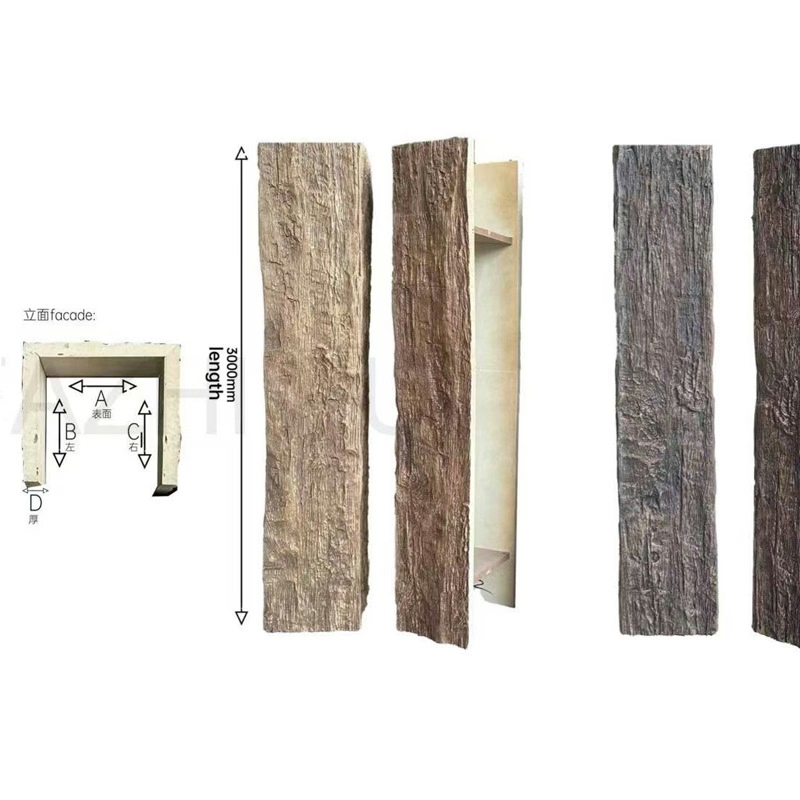
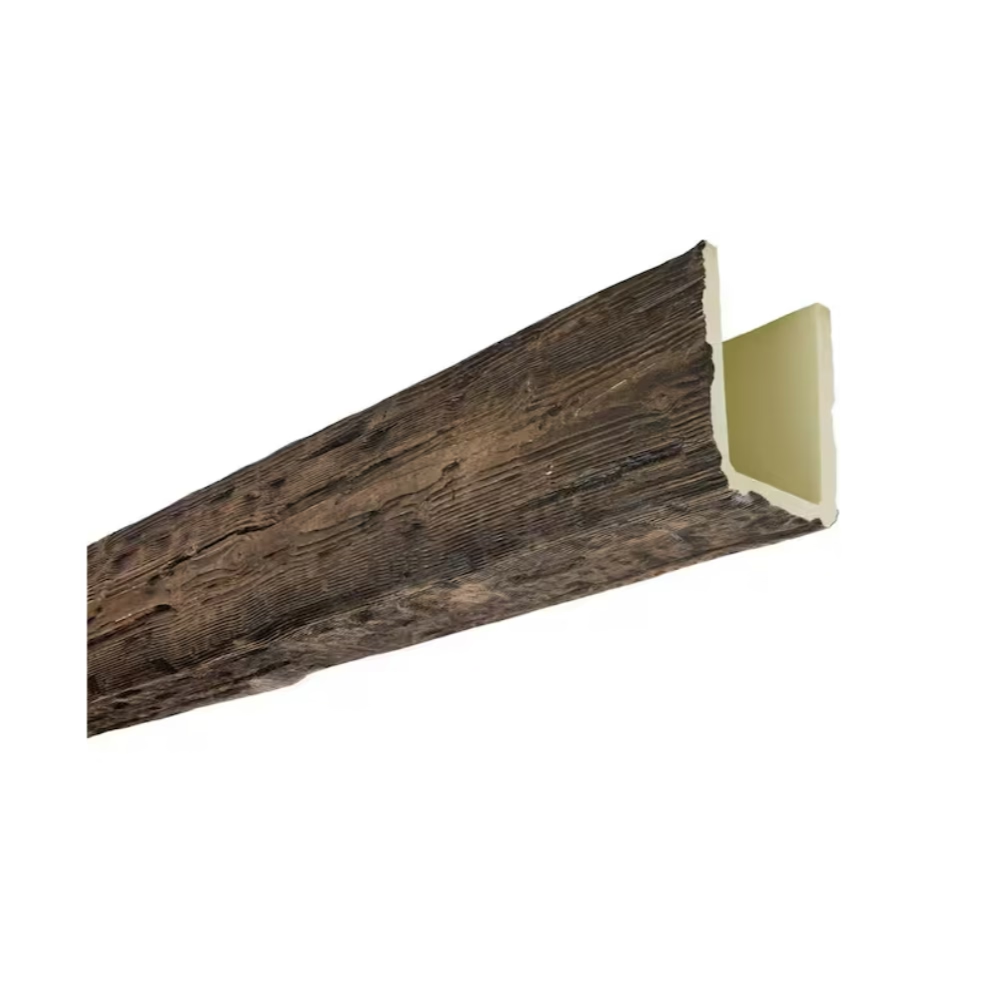
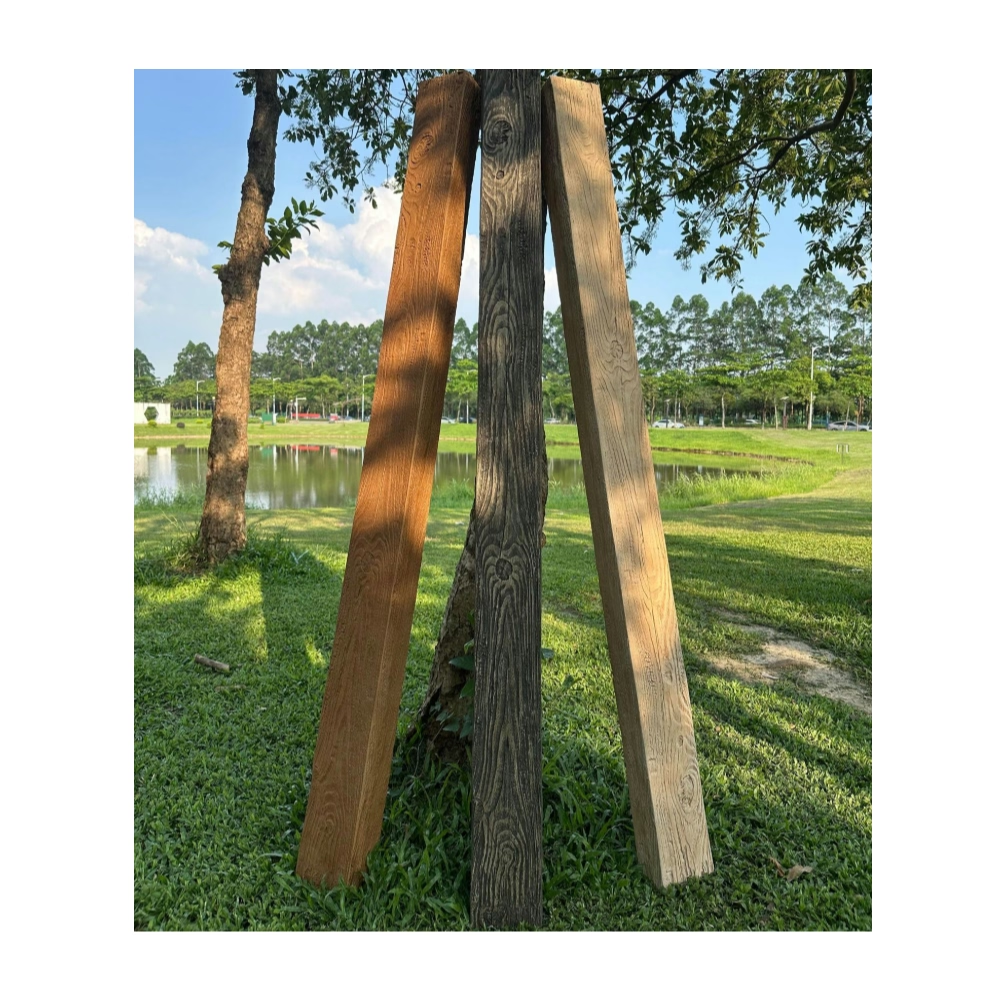
The color of a beam is not always a simple question of wood stain. Sometimes the design requires a finish that no stain can produce: a whitewash with subtle gray undertones, a layered glaze that shifts in different light, a painted beam that matches an upholstered wall panel exactly, or a two-tone treatment that combines painted surfaces with stained reveals. These finishes require a different manufacturing approach, and the answer is hand-painting.
Hand-painted faux timber beams are produced by skilled finish artisans working with the same techniques used in fine furniture finishing. The base surface is prepared, the base coat is applied, and the decorative treatment is built up in layers using brushes, sponges, rags, and specialized tools. The result is a surface that has the depth and variation of a genuinely hand-finished piece rather than the flat, uniform appearance of a factory spray finish.
What Hand-Painting Adds
Standard factory stain produces a consistent, even color across the beam surface. This is appropriate for most projects, and the consistency is actually an advantage when multiple beams are installed in the same space. But for projects where the design intent calls for something more layered, more nuanced, or more closely matched to an existing hand-finished element, hand-painting is the only practical approach.
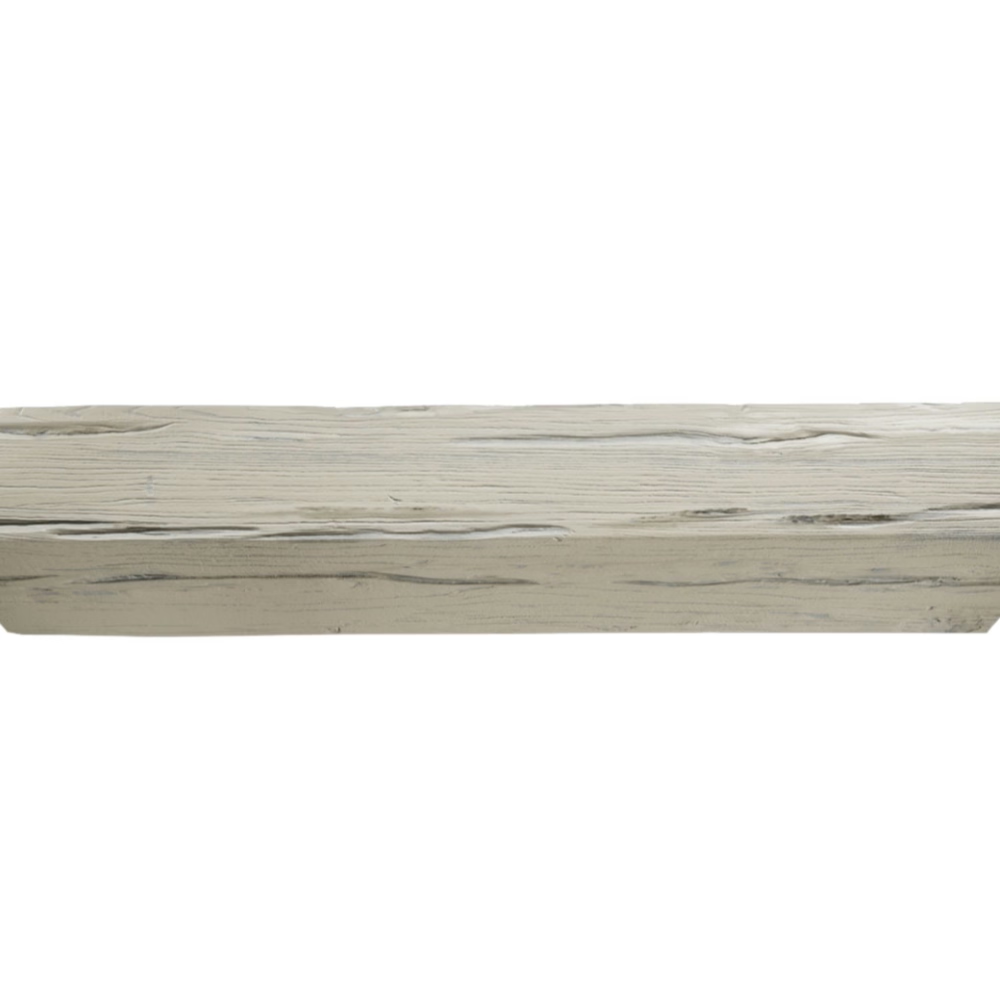
Hand-painted finishes can reproduce the appearance of limed oak, pickled wood, and whitewashed timber with a depth that spray application cannot match. The liming effect, where white paste is worked into the grain to create contrast, requires multiple passes by hand to build up the proper depth in the deepest grain lines while keeping the surface relatively clean on the flatter areas.
Glazed finishes are another specialty of hand-painted beams. A glaze layer applied over a base stain creates a subtle color shift that changes the apparent tone of the wood in different lighting conditions. In north-facing rooms with cool daylight, the glaze reads one way; under warm interior lighting, it reads another. This kind of visual complexity is impossible to achieve with a single stain application.
Two-tone finishes, where the beam face is painted one color and the end grain or the reveals are stained or glazed in a contrasting tone, are popular in transitional and contemporary interiors. The hand-painting process allows the finish artisan to control exactly where each color appears and how sharply the transitions are defined.
The Design Applications That Benefit Most
High-end residential projects are the primary home for hand-painted beam finishes. Design-forward homeowners who are working with architects and interior designers on a fully bespoke interior often want the beams to be part of the overall design language rather than a separate architectural element. If the living room has hand-painted wall paneling, custom plasterwork, or upholstered ceilings, the beams should participate in that same level of finish detail.
Boutique hospitality projects also use hand-painted beams to distinguish their interiors from the competition. A small luxury hotel or a chef-driven restaurant that cannot compete on scale can compete on craft, and hand-painted beams signal that the project has invested in materials that require skill and time to produce. Guests who notice the beam finish and appreciate it become part of the word-of-mouth story.
Retail environments that want to communicate craftsmanship and authenticity use hand-painted beams to reinforce that narrative. A specialty food market, a vintage furniture showroom, or an independent bookshop benefits from an interior that feels curated rather than purchased. Hand-painted beams contribute to that feeling in a way that standard off-the-shelf beams cannot.
Theatrical and set design applications sometimes require hand-painted beams for authenticity. A restaurant themed around a specific historical period, a hotel lobby designed around a particular craft tradition, or a retail space that wants to evoke an antique market all benefit from the specificity that hand-painting provides.
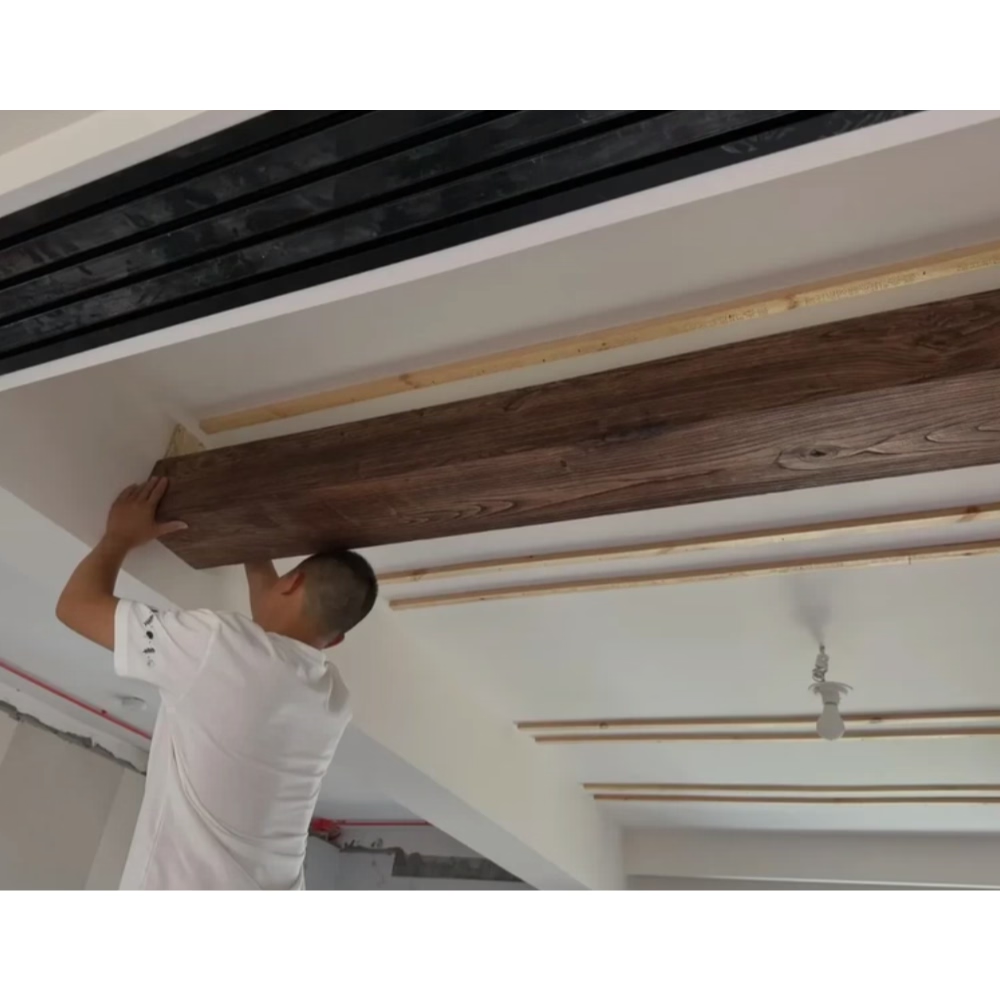
Specifying and Approving Hand-Painted Beams
Hand-painted beams require a more detailed specification and approval process than standard stained beams, because the finish is more subjective and the range of acceptable variation is narrower.
The specification should include a reference sample or a finish schedule that describes the treatment in sufficient detail for the manufacturer to reproduce it consistently. This might include a photograph of a hand-painted beam from a previous project, a description of the technique ("limed white oak with gray base, soft white top coat, light distressing at edges"), or a physical swatch of the target finish on a different substrate.
The approval process for hand-painted beams typically involves multiple rounds. The first round produces sample pieces that demonstrate the finish approach. The designer reviews these pieces and requests adjustments to the color, the technique, or the distress level. The second round incorporates those adjustments. Approval is granted on the third round in most cases, though some projects require additional iterations to hit an exact visual target.
The time required for the hand-painting process adds to the overall production schedule. A standard stained beam might take four weeks from drawing approval to ready-to-ship. A hand-painted beam with a complex finish might take six to eight weeks. Projects that specify hand-painted beams should build this additional time into the procurement schedule from the start.
Coordinating Hand-Painted Beams with Other Finishes
Hand-painted beams rarely exist in isolation. They are part of a larger finish package that includes wall finishes, millwork, upholstery, and lighting. The beam finish should be developed in coordination with those other elements, not independently.
The most common coordination issue is the wall finish. If the beam is mounted against or near a painted wall, the paint color on the wall should be finalized before the beam finish is approved. A beam that matches the wall paint exactly when viewed separately may look too similar or too different when seen in context. The designer should view the beam sample against the actual wall finish in the actual lighting conditions before final approval.
Lighting is the other critical coordination element. Hand-painted finishes are designed to respond to light in a specific way, and the manufacturer should understand the lighting specification before the finish is developed. A finish designed for warm halogen lighting will look different under cool LED, and that difference can be significant enough to require adjusting the recipe.
Working with a Manufacturer on Hand-Painted Finishes
Not all PU beam manufacturers offer hand-painted finishes. The capability requires skilled finish artisans on staff, which is a significant investment in labor and training. When evaluating manufacturers for a hand-painted beam project, ask to see examples of previous work, inquire about the number of finish rounds typically required to reach approval, and confirm the lead time calculation.
A manufacturer with a strong hand-painting capability will have a dedicated finishing department, a library of finish recipes, and a process for matching finishes from reference samples. They should be able to explain their quality control process for hand-applied finishes and show you how they ensure consistency across multiple beams in the same order.
The pricing for hand-painted beams reflects the additional labor involved. The premium over standard stained beams varies by finish complexity and by manufacturer, but designers should expect to pay meaningfully more for hand-painted work. The premium is justified when the alternative is a standard finish that does not meet the design intent.
Technical References
ASTM standards cited in every specification
Test Data
Lab results from internal testing program
Updated 2026
Reviewed against current product specs