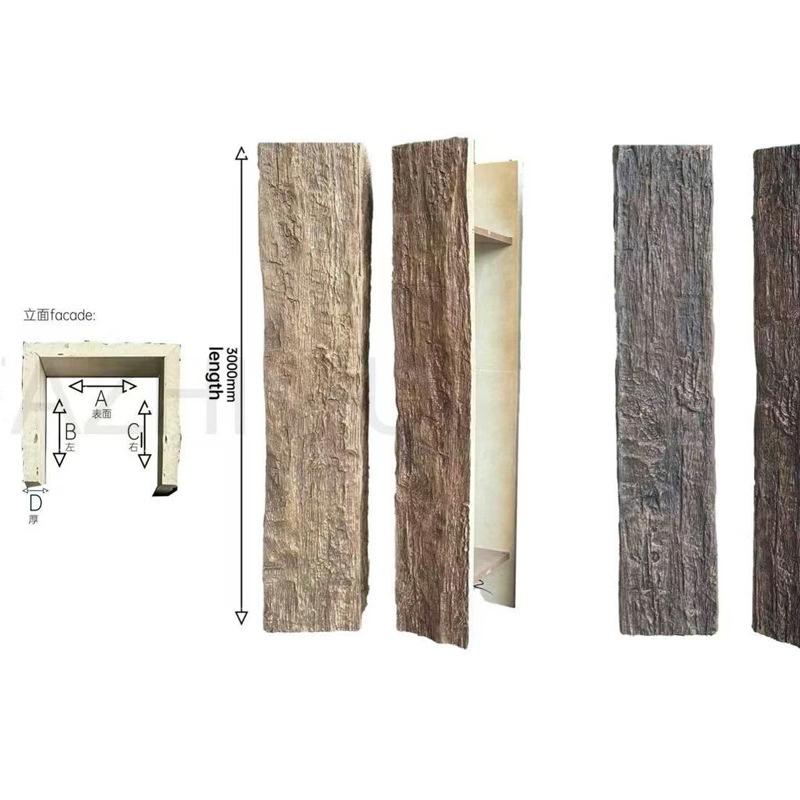
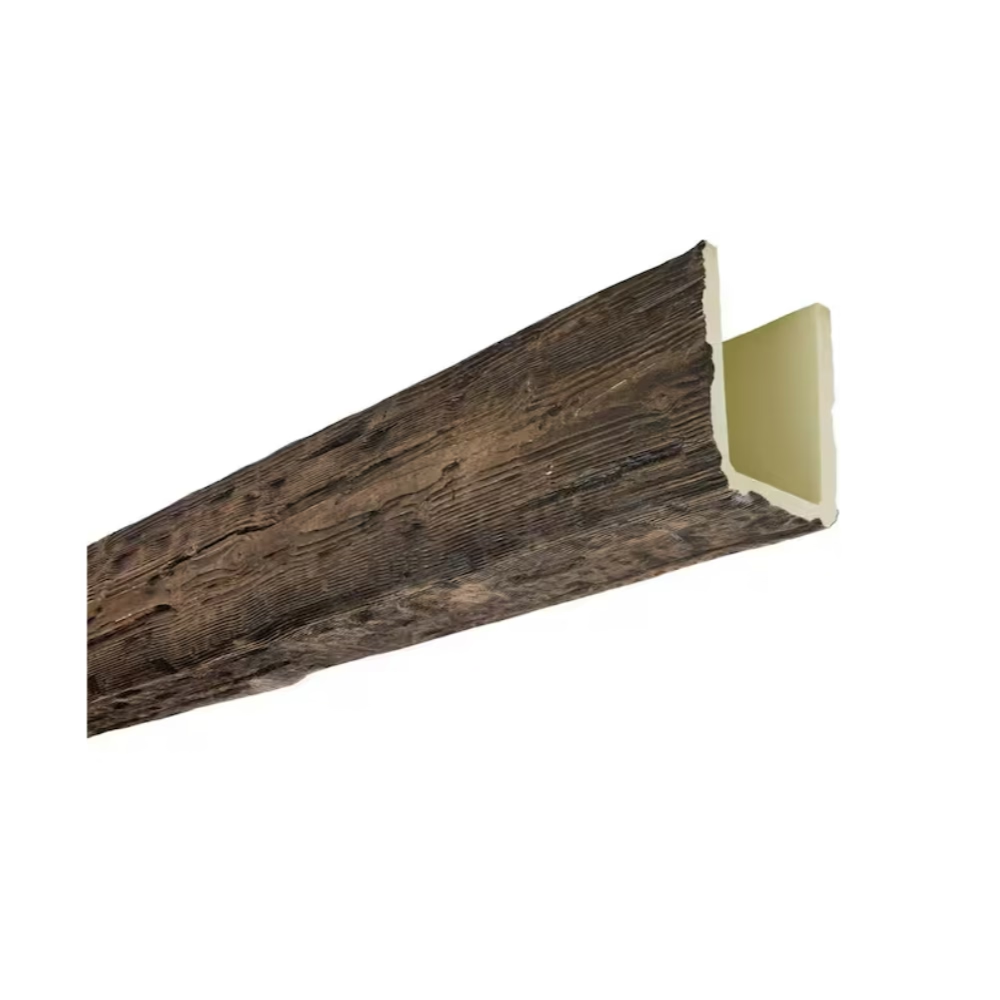
Modern residential architecture and decorative beams are not natural allies. Modern design tends toward simplicity, clean lines, and the elimination of ornament. Beams, as decorative elements with visible grain and traditional associations, can feel like a contradiction in a contemporary space. But the contradiction resolves when the beam is designed with the same restraint and intentionality as the rest of the room.
The key is understanding what "modern" means in the context of beam design: clean profiles, restrained finishes, precise installation, and a sense that the beam belongs to the room's design vocabulary rather than being imported from a different aesthetic tradition.
Modern design principles for beams
Modern residential design is characterized by several qualities that should inform the beam specification:
Simplicity of profile — Modern rooms favor simple, clean beam profiles over ornate or rustic ones. A square or rectangular cross-section with sharp edges, a simple chamfer, or a single cove detail is more appropriate than a multi-layered moulding profile or a distressed rough-sawn texture.
Restrained finish — The finish should be consistent and controlled. A uniform wood grain, a single-tone stain, or a clean matte paint is more modern than a heavily multi-toned, distressed, or variegated finish. The finish should suggest precision rather than age.
Intentional placement — Modern design avoids decoration for its own sake. Every element in a modern room should earn its place. A beam in a modern room should be positioned to serve a clear purpose — to define a zone, to add scale, to create a visual anchor — rather than simply to decorate.
Integration with other materials — Modern rooms often combine several materials: glass, steel, concrete, wood. The beam should be one element in a material palette that includes other elements, not a solitary feature.
Profile selection for modern interiors
The profile choices for modern interiors are narrower than for traditional interiors. The options that work well:
Square profile — A beam with equal height and width (6x6, 8x8) creates a strong, bold form that reads well against the clean lines of modern architecture. The square profile is the most structurally honest — it makes no attempt to look like anything other than what it is.
Rectangular, thin profile — A beam that is taller than it is deep (8x4, 10x4) creates a more refined, horizontal line. This profile is appropriate when the beam is meant to read as a line across the ceiling rather than as a substantial form.
Chamfered profile — A square profile with 45-degree angle cuts on the visible edges. The chamfer softens the sharp corner and adds a subtle detail that catches light differently throughout the day.
Single-cove profile — A beam with a concave detail along one or both bottom edges. The cove adds a hint of traditional beam character while maintaining the modern overall effect.
Profiles to avoid in modern interiors: heavily distressed finishes, multiple moulding layers, complex decorative edges, and any profile that tries to replicate a historical beam style.
Finish options for modern rooms
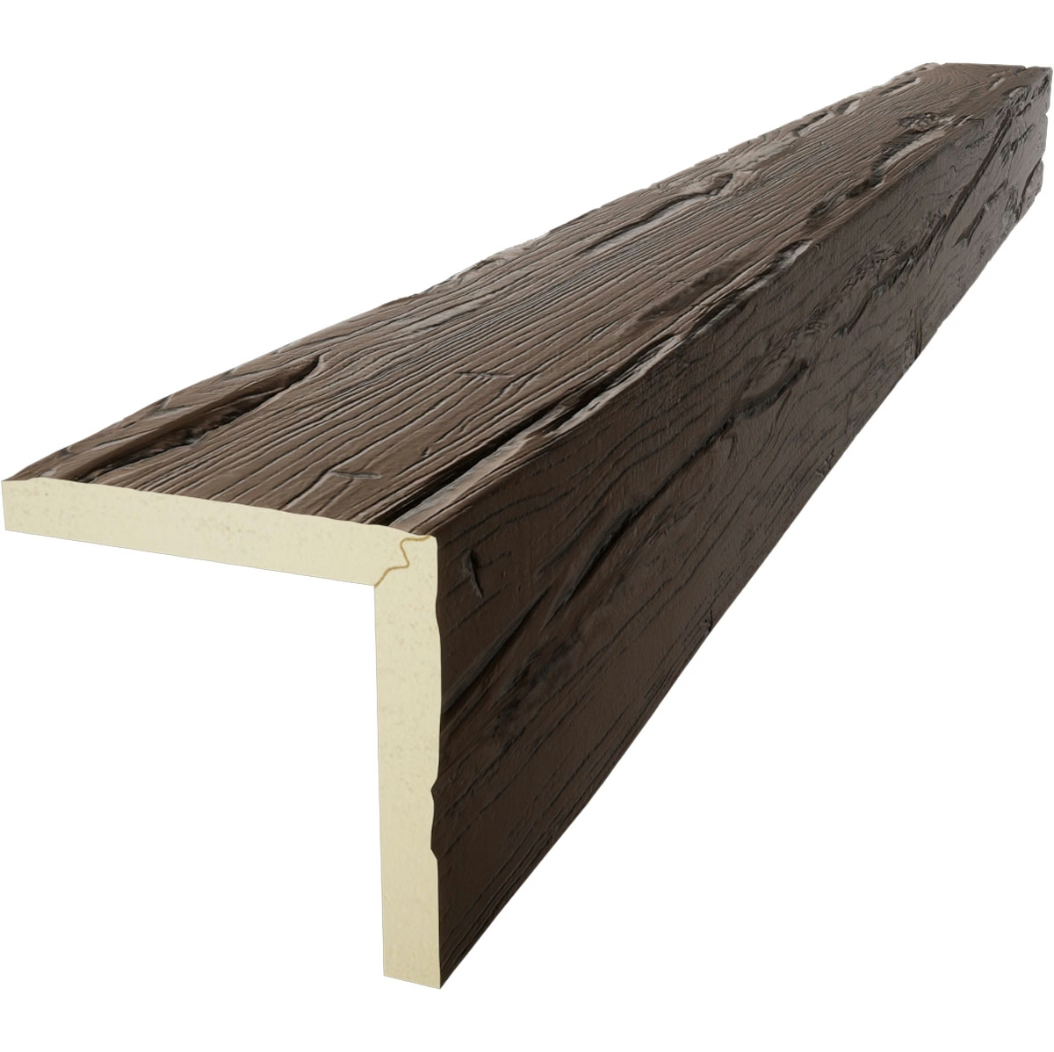
The finish on a modern beam should be chosen to complement the room's material palette, not to dominate it.
White or off-white — The most common modern beam finish. A white beam on a white or light gray ceiling creates the illusion of depth without the visual weight of a wood-tone beam. The beam reads as a shadow or a line rather than as a distinct object.
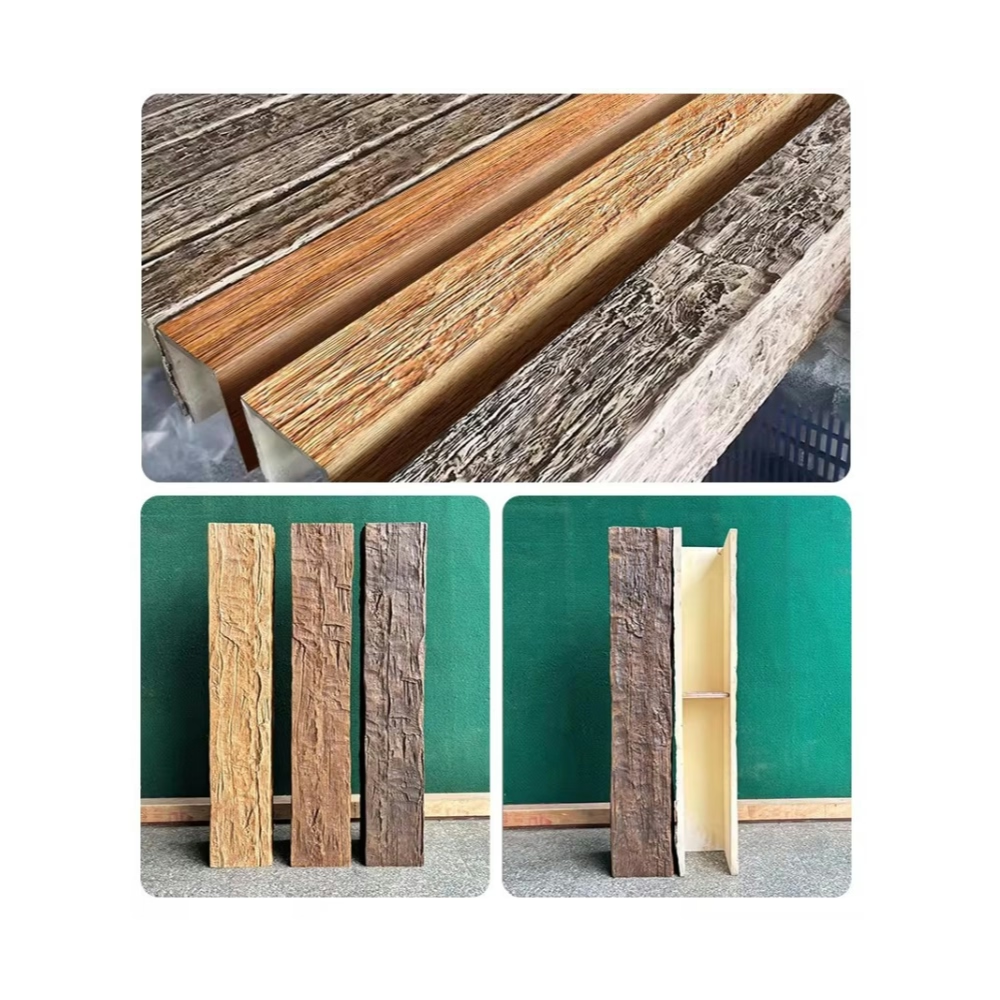
Light oak or natural pine — For rooms with wood floors or wood accent walls, a light wood beam provides material continuity. The grain should be subtle and uniform — a light oak with fine grain rather than a bold, knotty pine.
Dark walnut or ebony — For high-contrast modern interiors, a dark beam against light walls creates a dramatic statement. This is most effective in larger rooms with high ceilings where the darkness can breathe.
Raw concrete tone — A gray-toned finish that mimics the appearance of raw concrete. This is a niche option used in industrial-modern interiors where the beam should blend with concrete walls and floors.
Integration with modern architectural elements
Modern residential buildings often include other architectural elements that the beam must relate to: exposed steel beams or columns, large windows, concrete surfaces, and minimal trim.
Exposed steel — In homes with visible steel beams or columns, a wood-tone faux beam in a similar profile creates a material contrast. The warmth of the wood balances the coldness of the steel. The beam and the steel can be the same profile (both square, both rectangular) but in different materials, creating a deliberate material dialogue.
Large windows — In modern homes with floor-to-ceiling windows, the beam should not compete with the window for attention. A light-colored beam on a light ceiling, or a single accent beam that aligns with the window, is more appropriate than a full parallel installation that creates visual competition.
Minimal trim — Modern homes often have minimal door casings, baseboards, and window frames. The beam's trim detail should match this restraint: no decorative returns, no fancy end caps, just a clean termination.
New construction vs. renovation
The installation approach differs between new construction and renovation.
In new construction, the builder can coordinate the beam installation with the ceiling finishing, installing blocking and preparing the ceiling plane before the drywall goes up. The result is cleaner: the beam meets the ceiling with a minimal gap, and the joint is concealed by the beam's shadow.
In renovation, the existing ceiling must be accommodated. The beam may need to be installed over the existing ceiling surface, which can create a slightly thicker joint at the ceiling line. This is manageable with proper preparation and caulking, but it requires more attention to detail than new construction.
For both contexts, the modern approach favors minimal visual interruption: fewer beams, simpler profiles, and clean lines rather than elaborate installations.
Technical References
ASTM standards cited in every specification
Test Data
Lab results from internal testing program
Updated 2026
Reviewed against current product specs