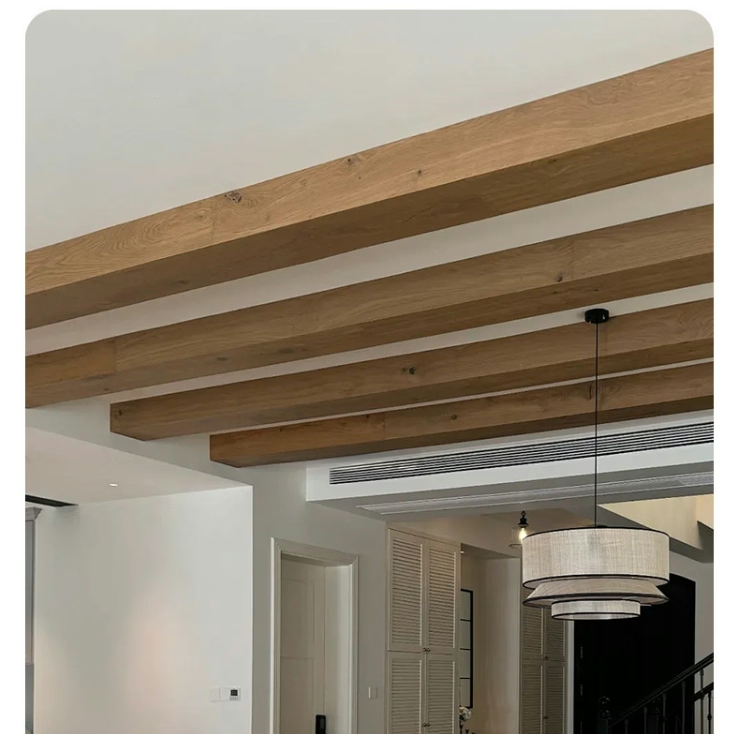
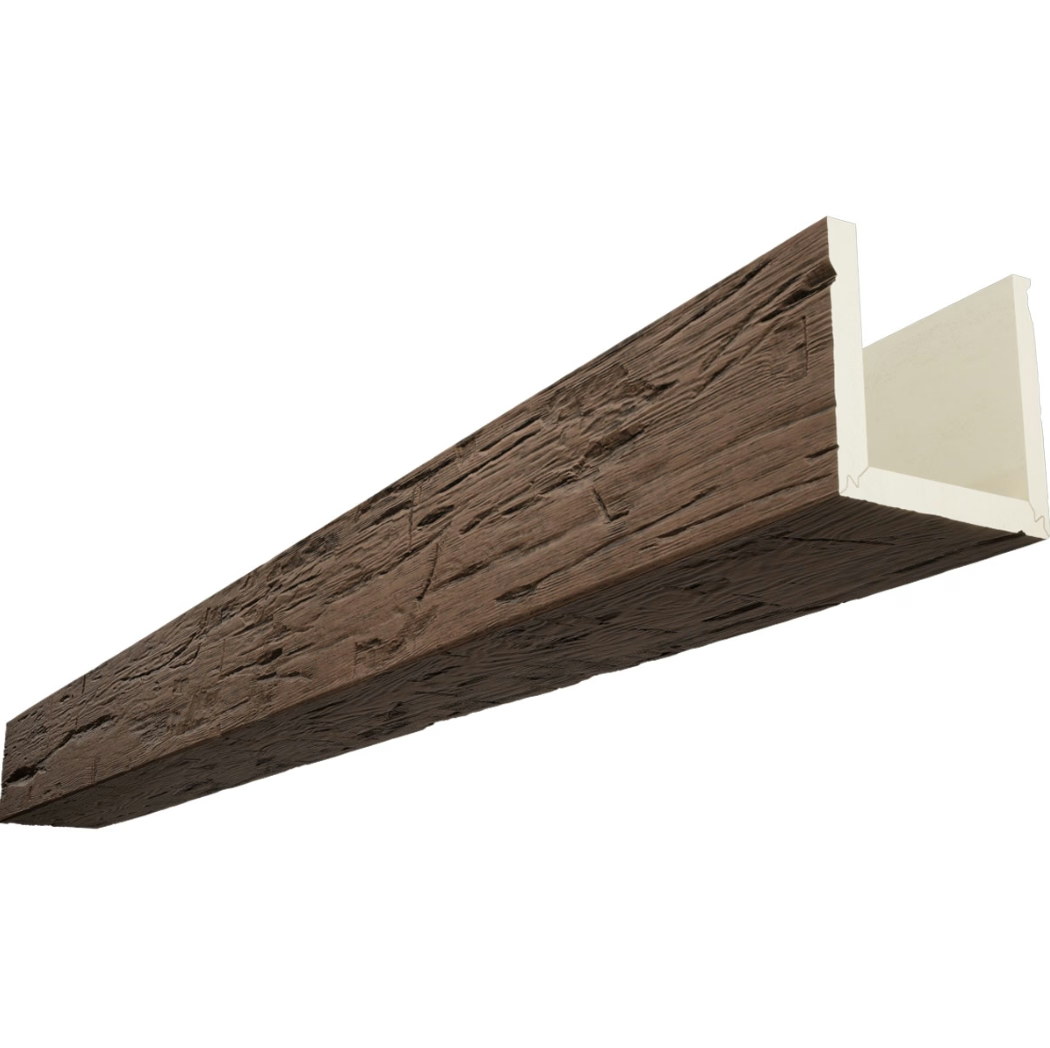
The hotel restaurant has evolved from a utilitarian amenity into a destination in its own right. Modern travelers choose hotels partly based on the quality of their dining options, which means the restaurant interior is now a core part of the property's brand identity and marketing strategy.
A well-designed hotel restaurant ceiling does more than look good in photographs. It creates acoustic comfort for diners having conversations, provides visual warmth that makes the food feel more appealing, and signals the quality level of the property to every guest who walks through the door. Decorative faux wood beams are one of the most effective tools for achieving all three of these goals simultaneously.
Why Hotel Restaurants Are Ideal Candidates for Faux Beams
Hotel restaurants face a unique combination of requirements that make faux beams the logical choice. The ceiling must be visually distinctive enough to justify a separate design budget from the guest rooms. It must be durable enough to handle the humidity and temperature swings of a commercial kitchen environment. It must install quickly because hotel restaurants cannot afford long closures during renovation. And it must photograph well because the restaurant's images will appear on the hotel's website, in travel reviews, and across social media platforms.
Each of these requirements points toward faux beams. The factory finish is more durable than site-applied stain. The installation goes faster than any system that requires on-site finishing. And the consistent grain pattern and color reads beautifully in photographs at any resolution.
Matching the Restaurant Concept to the Beam Design
Every hotel restaurant has a food and beverage concept that drives its design language. The beam treatment should reinforce that concept rather than fight it.
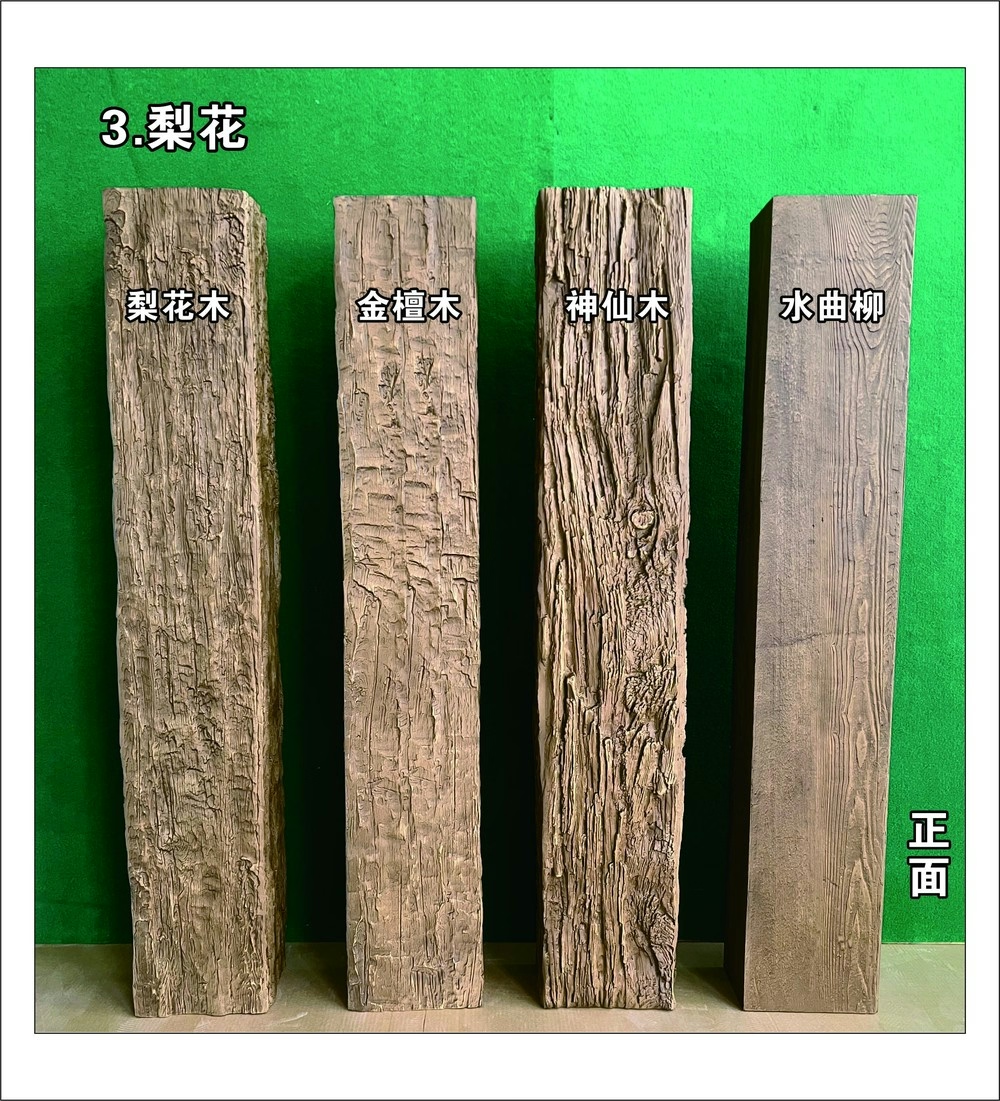
A farm-to-table restaurant with locally sourced ingredients works well with warm-toned beams, rustic hardware details, and a beam layout that suggests a working barn or farmhouse. The beams should feel handcrafted and honest, with visible grain and slight variations in tone that suggest the imperfections of real timber.
A contemporary steakhouse with dark wood paneling and leather banquettes calls for cooler, more refined beams with a clean profile and minimal hardware. The beams should feel like architectural elements rather than rustic details, supporting the upscale positioning of the concept.
A coastal seafood restaurant with whitewashed walls and blue accents pairs well with driftwood-look beams in a washed gray or pale brown tone. The beams should feel weathered and natural, as if they have been exposed to salt air for decades.
A rooftop or poolside restaurant should use lighter-toned beams that reflect heat and complement the outdoor surroundings. Pale oak or natural pine tones work better than dark espresso or walnut finishes in these applications.
Acoustic Design for Dining Spaces
Dining is a social activity that depends on conversation, and the acoustic environment of the restaurant directly affects the guest experience. A room that is too reverberant makes it impossible to have a private conversation, while a room that is too absorptive feels dead and uncomfortable.
Beams contribute positively to acoustic performance in most dining environments because they break up the parallel planes of the floor and ceiling, reducing standing wave reflections. In a room with a beam ceiling, the sound field is more diffuse, which improves speech intelligibility and creates a more comfortable ambient level.
For very large hotel ballrooms and function spaces that are also used for dining, the acoustic treatment should go beyond beams alone. Acoustic panels can be installed in the ceiling bays between beams to provide additional sound absorption without compromising the visual design.
Coordination with Kitchen and Exhaust Systems
Hotel restaurants are complex mechanical environments. The kitchen produces heat, steam, grease-laden vapors, and strong exhaust airflows that all affect the ceiling treatment. The beams must be designed to handle these conditions without deterioration.
Quality faux beams made from high-density polyurethane are inherently resistant to moisture and do not absorb water, which means they will not warp, cup, or develop mold in a humid kitchen environment. The factory-applied finish should be verified for grease resistance, especially in restaurants where cooking methods produce significant airborne grease.
The exhaust hood and make-up air systems in a commercial kitchen affect the air pressure in the dining room, which can push and pull air through the ceiling plenum. The beam mounting system should be designed to handle these pressure differentials without shifting or loosening.
Lighting the Restaurant Beam Ceiling
Restaurant lighting is a critical element of the guest experience and the brand identity. The beam layout must work with the lighting design, not against it.
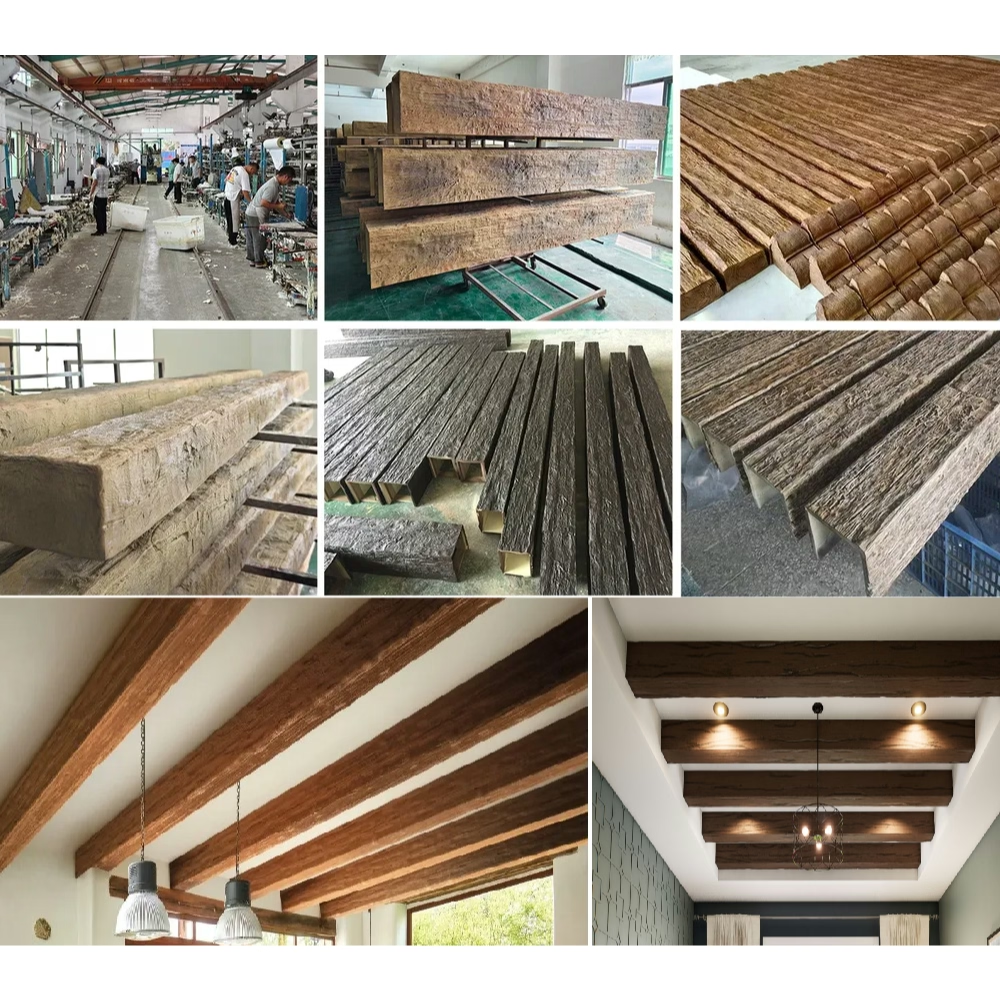
For table-service restaurants, pendant lighting over each table creates intimacy and focus. The beams should be positioned to provide structural-looking mounting points for the pendants without interfering with the sightlines between tables. A pendant hung between two beams is ideal; a pendant that needs to be mounted to the face of a beam creates an awkward visual relationship.
For buffet and casual dining restaurants, general illumination from recessed fixtures or cove lighting provides even coverage without creating the focal points that pendants create. In these spaces, the beams provide visual texture rather than structural support for lighting.
For restaurants with a show kitchen or an open flame, the beam positions should account for the heat plume rising from the cooking equipment. Beams directly above a open-flame grill will experience higher temperatures than the rest of the ceiling and may require a modified finish or mounting system to handle the thermal stress.
Fast Installation for Renovation Projects
Hotel restaurant renovations typically happen during low-occupancy periods or as a fast-track project that must be completed while the rest of the property remains open. The installation speed of faux beams is a significant advantage in these situations.
A complete beam ceiling for a medium-sized hotel restaurant can be installed in three to five days by a two-person crew. The work is relatively quiet and produces minimal dust, which means the adjacent areas of the hotel can continue operating without disruption.
For restaurants that are undergoing a refresh rather than a full renovation, individual beams or beam sections can be installed as accent elements without treating the entire ceiling. A single statement beam over the host stand or the bar area creates a focal point at a fraction of the cost of a full ceiling treatment.
Menu and Tableware Coordination
The restaurant's menu, tableware, and signage should all be visually compatible with the beam ceiling. A restaurant with artisanal ceramic plates and hand-thrown pottery should not have a ceiling that looks industrial or machine-made. The warmth and texture of the beams should extend from the ceiling down to the smallest detail on the table.
This level of coordination requires the interior designer to review the complete design package before specifying the beam finish. A sample board that includes the beam finish, the tableware, the linens, and the menu design ensures that all elements work together as a unified whole.
Brand Consistency Across Multiple Properties
Hotel brands with multiple properties need their restaurant interiors to maintain brand consistency while adapting to the local market. Faux beams support this goal because the same beam profile and finish can be specified at every property, while the restaurant layout and lighting adapt to the local architecture.
A brand standard that includes the beam profile, the hardware finish, the stain color, and the mounting method makes it easy for franchisees and management companies to execute the design consistently. The specification can be accompanied by a full-scale sample panel that shows the beam against the standard wall finish and flooring material, so that any local variation can be identified and corrected before production begins.
What GMs and Owners Should Budget
Hotel general managers and owners should budget between sixty and one hundred twenty dollars per square foot for a complete faux beam ceiling in a restaurant application. This figure includes the beams, the mounting hardware, the finish, and the installation labor.
For a five-hundred-square-foot restaurant dining room, the total beam budget falls between thirty thousand and sixty thousand dollars. This is a meaningful investment, but it is one that generates measurable returns through higher check averages, increased covers, and positive online reviews that mention the atmosphere.
The return on investment should be tracked over the lease or management term, not just the first year. A beam ceiling that lasts fifteen years without requiring refinishing delivers a much better return than one that needs maintenance every three years.
Long-Term Maintenance for Hotel Environments
Hotel restaurant staff need simple, repeatable maintenance procedures for every surface in the dining room. Faux beam maintenance is straightforward: a monthly dusting with a soft brush attachment and an occasional wipe-down with a damp cloth is sufficient for most environments.
In restaurants with high grease loads or smoke, a quarterly degreasing with a mild detergent restores the beam finish without damaging the factory coating. The maintenance procedure should be documented in the restaurant's standard operating procedures and included in the staff training for new employees.
Damage Repair and Replacement
In a high-traffic commercial environment, occasional damage to the beams is inevitable. A serving tray caught on a beam, a high-backed chair bumped during a rush, or a maintenance technician accessing the ceiling plenum can all result in damage to a beam surface.
For this reason, hotel operators should maintain a small inventory of spare beams in the property's maintenance storage. A spare beam that matches the installed beams exactly can be swapped out quickly if damage occurs, restoring the restaurant to perfect condition without a lengthy repair process.
Quality faux beam manufacturers can produce replacement beams that match an existing installation based on a sample or a photograph, but the lead time for a custom replacement is typically four to six weeks. Maintaining a local inventory of standard profiles eliminates this waiting period.
Frequently Asked Questions About Hotel Restaurant Faux Beams
Why choose faux beams instead of real wood for hotel restaurants?
Faux beams install 3-5× faster than real timber—critical when restaurants can't afford extended closures during renovation. Factory finishes eliminate on-site staining and its associated odor, dust, and drying time. Polyurethane beams resist moisture, grease, and temperature swings from commercial kitchens without warping or developing mold. They photograph consistently for marketing materials and maintain appearance 15+ years without refinishing.
How do beams improve restaurant acoustics?
Beams break up parallel floor-ceiling planes, reducing standing wave reflections that create reverberant, noisy dining rooms. The diffuse sound field improves speech intelligibility, letting guests converse comfortably without shouting. For very large ballrooms and function spaces, combine beams with acoustic panels in ceiling bays for additional absorption while preserving visual design.
What beam style matches different restaurant concepts?
Farm-to-table restaurants: warm rustic beams with visible grain suggest working barns. Contemporary steakhouses: refined beams with clean profiles and minimal hardware feel architectural. Coastal seafood: driftwood-gray weathered beams complement whitewashed walls. Rooftop restaurants: lighter oak or pine tones reflect heat and suit outdoor surroundings.
How fast can you install beams during hotel renovations?
Complete beam ceiling for medium-sized hotel restaurants installs in 3-5 days with a two-person crew. Work produces minimal dust and relatively low noise, so adjacent hotel areas continue operating. For refresh projects versus full renovations, install individual accent beams over host stands or bar areas as focal points at a fraction of full-ceiling costs.
Do beams interfere with kitchen exhaust and HVAC systems?
High-density polyurethane beams resist moisture inherently—no warping, cupping, or mold in humid kitchen environments. Factory finishes resist grease accumulation. Beam mounting systems handle air pressure differentials from exhaust hoods and make-up air without shifting. Coordinate beam layout with hood clearance and avoid positioning beams directly above open-flame equipment.
How do you integrate pendant lighting with beam ceilings?
Position beams to provide structural-looking mounting points for pendants without interfering with table sightlines. Pendants hung between two beams create ideal relationships; mounting directly to beam faces feels awkward. For buffet restaurants, use general illumination from recessed fixtures or cove lighting where beams provide visual texture rather than structural support for lighting.
What's the ROI on restaurant beam ceiling investment?
Budget $60-120 per square foot including materials and installation. A 500 sq ft dining room costs $30,000-60,000. Track returns over lease/management terms (15+ years), not just first year. Measurable benefits: higher check averages, increased covers, positive atmosphere-focused reviews, and no refinishing costs for 15+ years versus real wood requiring maintenance every 3 years.
How do you maintain brand consistency across multiple hotel properties?
Specify identical beam profile, hardware finish, stain color, and mounting method as brand standards. Provide full-scale sample panels showing beams against standard wall finishes and flooring for franchisees and management companies. This ensures consistent execution while allowing restaurant layout and lighting to adapt to local architecture—critical for brand identity.
What ongoing maintenance do hotel staff need to perform?
Monthly dusting with soft brush attachment and occasional damp-cloth wipe-down suffices for most environments. High-grease restaurants need quarterly degreasing with mild detergent. Document procedures in standard operating procedures and include in new employee training. Maintain spare beam inventory for quick damage repair—spare beams enable immediate replacement versus 4-6 week custom orders.
Technical References
ASTM standards cited in every specification
Test Data
Lab results from internal testing program
Updated 2026
Reviewed against current product specs