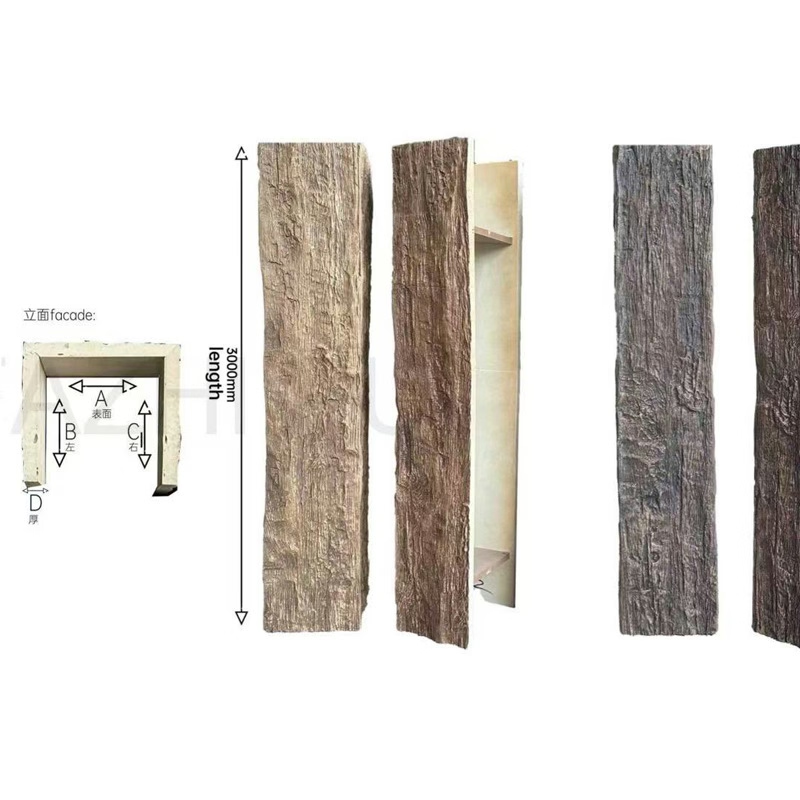
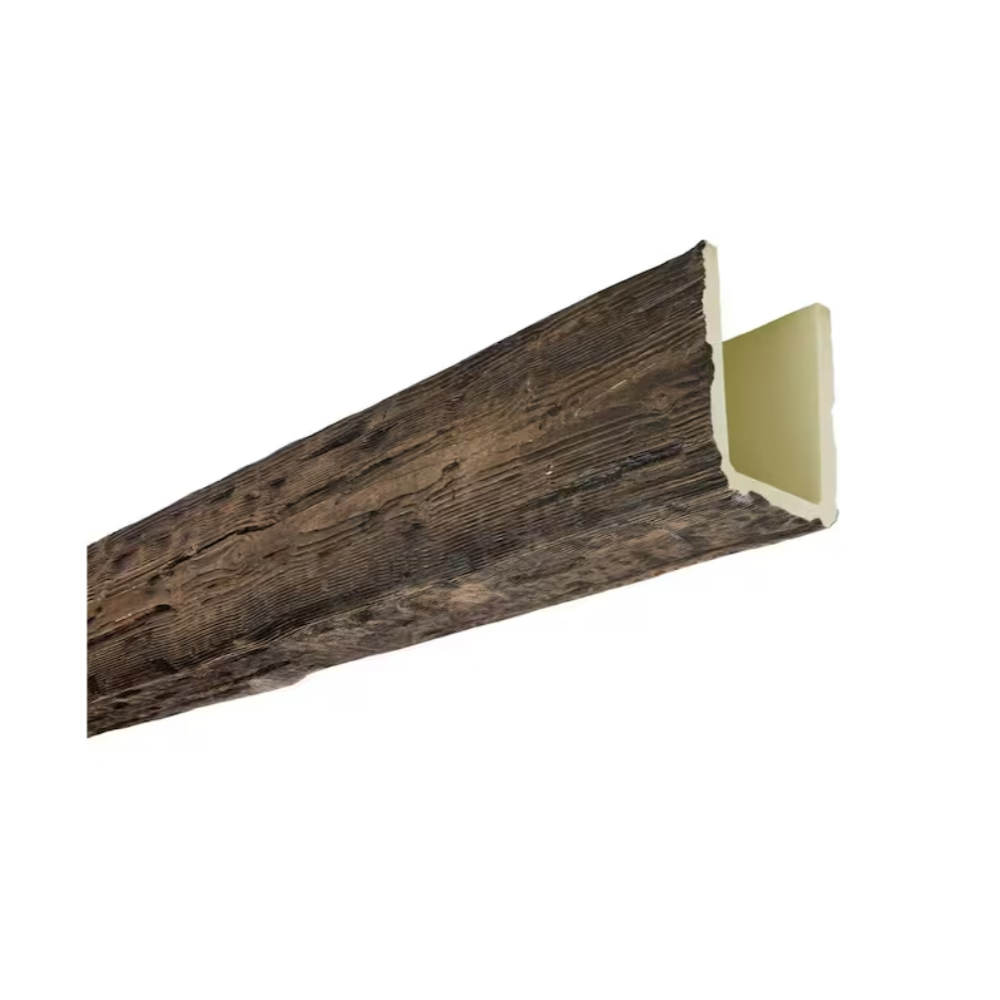
The entry foyer is the threshold between the outside world and the interior world. It is where shoes come off and coats are hung, but it is also where the first judgment of the space is formed. A guest who walks into a foyer with a beautiful beam ceiling enters the rest of the home already impressed, while a guest who walks into a foyer with a plain painted ceiling is starting from neutral.
For designers working on both residential and commercial projects, the foyer is one of the highest-value spaces to treat with decorative beams because the return on the investment in visual impact is immediate and powerful.
Why the Foyer Is the Right Place for Beams
The foyer is typically one of the smaller rooms in a home or commercial building, which means the beam installation is more affordable than it would be in a large great room or living space. At the same time, the foyer is one of the most visible rooms because every visitor passes through it.
This combination of low cost and high visibility makes the foyer an ideal candidate for a beam ceiling upgrade. The investment is manageable, but the impact on the overall impression of the space is outsized.
For commercial buildings, the foyer or lobby is often the space where brand identity is most visible. A beam ceiling in a hotel lobby, an office building entrance, or a retail store entry sets the tone for the entire customer experience.
Profile Selection for Entry Foyers
The beam profile for a foyer should be selected based on the ceiling height and the overall architectural style of the building.
For foyer's with standard eight-foot ceilings, a shallow wide beam is the most appropriate choice. A beam that is four to six inches deep and eight to twelve inches wide adds visual interest without overwhelming the space. A single beam running the length of the foyer, or a pair of parallel beams, creates a simple architectural feature that anchors the ceiling.
For foyer's with taller ceilings, deeper beams can be used to create a more dramatic entrance. A beam that is eight to ten inches deep with decorative corbels or chamfered edges creates a sense of arrival that signals the quality of the space beyond.
For contemporary foyer's with minimalist aesthetics, a clean rectangular beam with a flat bottom edge and minimal detail works better than a profiled traditional beam. The modern aesthetic favors restraint, and the beam should support that restraint rather than fight it.
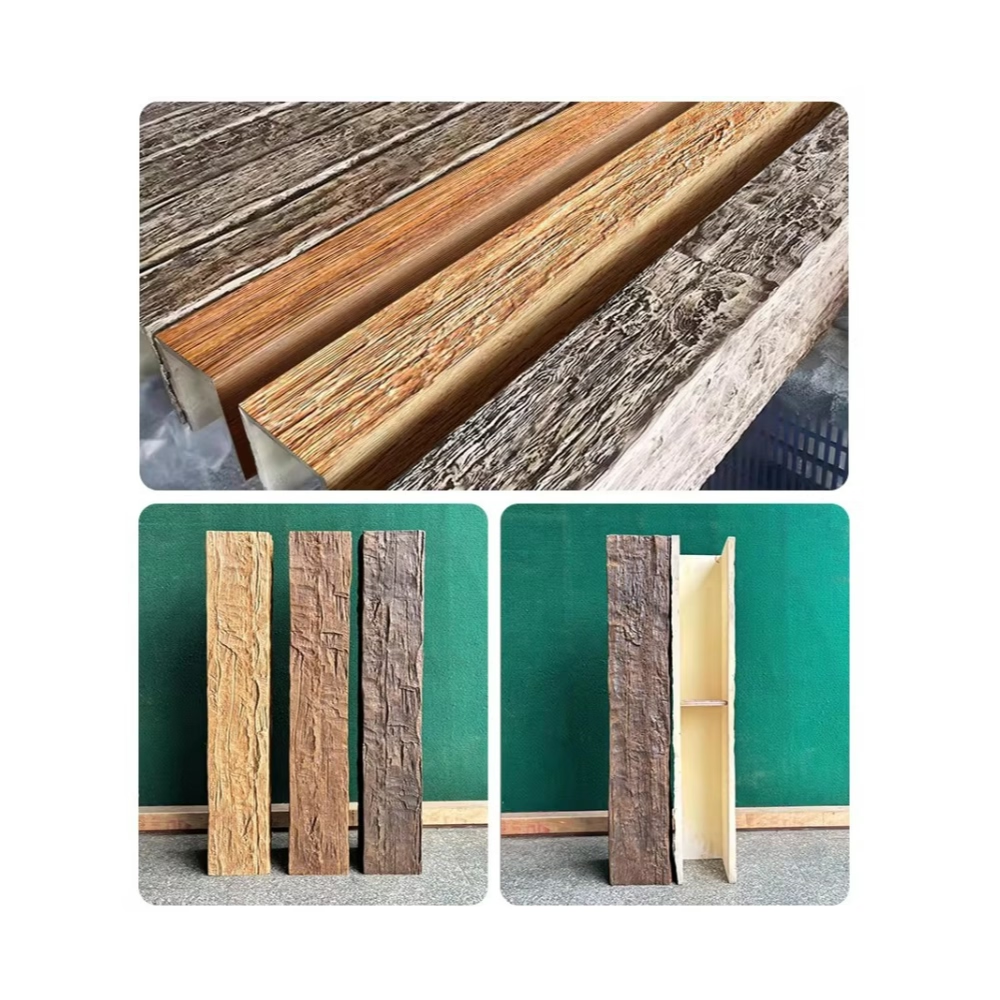
Finishing the Foyer Beam Ceiling
The finish on a foyer beam should be selected to coordinate with the other finishes in the entry space. The floor material, the wall finish, and the furniture in the foyer should all be considered when choosing the beam stain or paint color.
A warm honey or butterscotch tone is versatile and works with a wide range of companion materials. It complements stone, tile, painted drywall, and wood paneling without creating strong color clashes.
A darker espresso or walnut tone works well in foyer's with a formal or traditional aesthetic. It provides visual weight and anchors the ceiling in spaces where the other finishes are lighter and more reflective.
A light natural finish in pale oak or ash works well in foyer's with a Scandinavian or coastal aesthetic. It keeps the space feeling open and bright while still providing the warmth that wood delivers.
Layout Options for Different Foyer Shapes
The beam layout in a foyer should follow the shape of the room and the position of the entry door.
For a rectangular foyer with the entry door on one of the short walls, a single beam running the length of the room draws the eye from the door toward the interior. Two parallel beams create a more substantial presence that divides the ceiling into two distinct zones.
For a square foyer with the entry door on one wall, a single beam running perpendicular to the door wall creates a visual frame for the entrance. The beam becomes a threshold element that marks the transition from outside to inside.
For a foyer with an arched or barrel-vaulted ceiling, beams running along the sides of the arch create a sense of structure that reinforces the architectural form. The beams follow the curve of the arch, adding warmth to a shape that might otherwise feel cold.

Lighting the Foyer Beam Ceiling
Lighting is critical in a foyer because the space often serves as the main light source for the rest of the home or building when the door is open. The beam layout should work with the lighting design to create a welcoming atmosphere.
A pendant fixture is the most common lighting choice for a foyer with a beam ceiling. The pendant hangs from the beam or from a ceiling medallion mounted to the beam, providing focused light on the floor below while the beam provides ambient illumination at the ceiling plane.
For foyer's with a cove or niche, cove lighting installed behind the beam or in the ceiling above the beam creates a warm glow that emphasizes the architectural detail. The cove lighting is especially effective in the evening when the interior lighting is softer.
Wall sconces on either side of the entry door can be used to supplement the pendant fixture. The sconces should be positioned to avoid interference with the beam ends, which means the beam layout should be planned before the electrical rough-in.
Coordinating with the Staircase
In many homes, the foyer opens directly to a staircase that leads to the upper floors. The beam layout should be coordinated with the staircase to create a cohesive visual experience.
A beam that runs from the foyer into the upper hallway creates continuity between the two spaces. The beam end at the top of the stairs should be detailed with a corbel or a decorative end cap that provides a visual termination.
For foyer's with open staircases, the beams can be used to frame the opening. Two beams parallel to the staircase stringers create a visual boundary between the foyer and the stairwell without using a physical partition.
Material Coordination in the Entry
The foyer often features a mix of materials: a tile or stone floor, a painted or papered wall, a wood or metal staircase, and a variety of furniture and accessories. The beam finish should tie these materials together rather than competing with them.
A beam in a warm honey tone complements the natural warmth of wood stairs and furniture while providing contrast against cool-toned stone or tile floors. A beam in a neutral gray or white tone works better in foyer's where the other materials are predominantly light and warm.
The hardware on the entry door should also be considered. A brass or bronze door handle pairs well with a warm-toned beam finish, while a nickel or chrome handle pairs well with a cooler-toned finish.
Quick Installation for Renovation Projects
Foyer beam installations are quick enough to complete in a single day for most residential foyer's, which makes them practical for renovation projects with tight timelines. The installation can often be scheduled to minimize disruption to the household.
For commercial foyer's, the installation can typically be completed over a weekend, allowing the building to resume normal operations on Monday morning.
Budget Considerations
A foyer beam ceiling installation typically costs between two thousand and eight thousand dollars for a residential application, depending on the beam profile, the finish quality, and the complexity of the layout. This is a modest investment relative to the visual impact it delivers.
For commercial foyer's, the budget scales with the size of the space but remains a high-value investment relative to the customer experience it creates.
What Homeowners and Designers Should Know
The foyer beam ceiling is one of the most cost-effective upgrades available in residential and commercial design. The small size of the space keeps the material and labor costs manageable, while the high visibility ensures that every visitor notices and appreciates the treatment.
For homeowners considering selling their property, a foyer beam ceiling is a distinctive feature that differentiates the home from the competition. Real estate agents consistently report that architectural details like beam ceilings generate buyer interest and support higher asking prices.
Technical References
ASTM standards cited in every specification
Test Data
Lab results from internal testing program
Updated 2026
Reviewed against current product specs