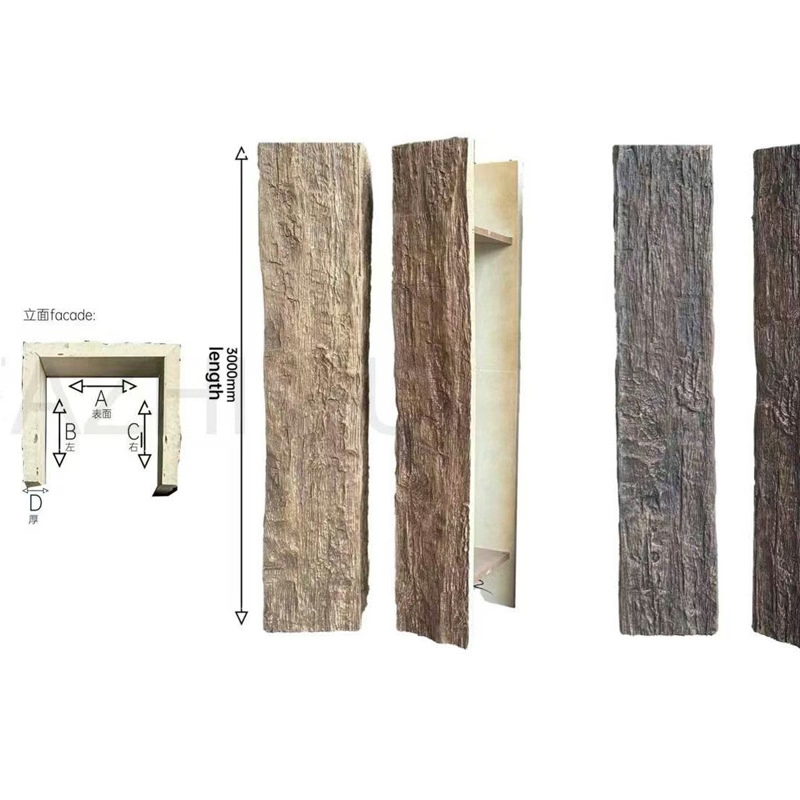
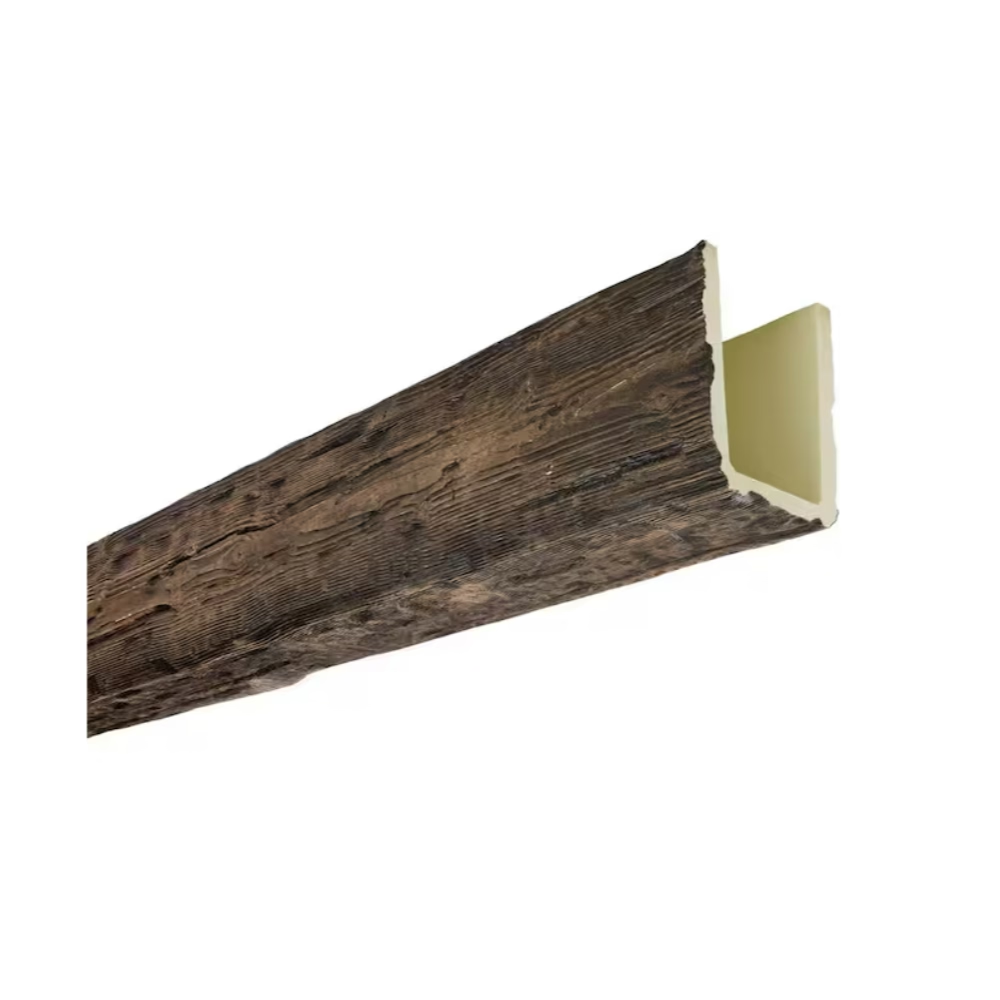
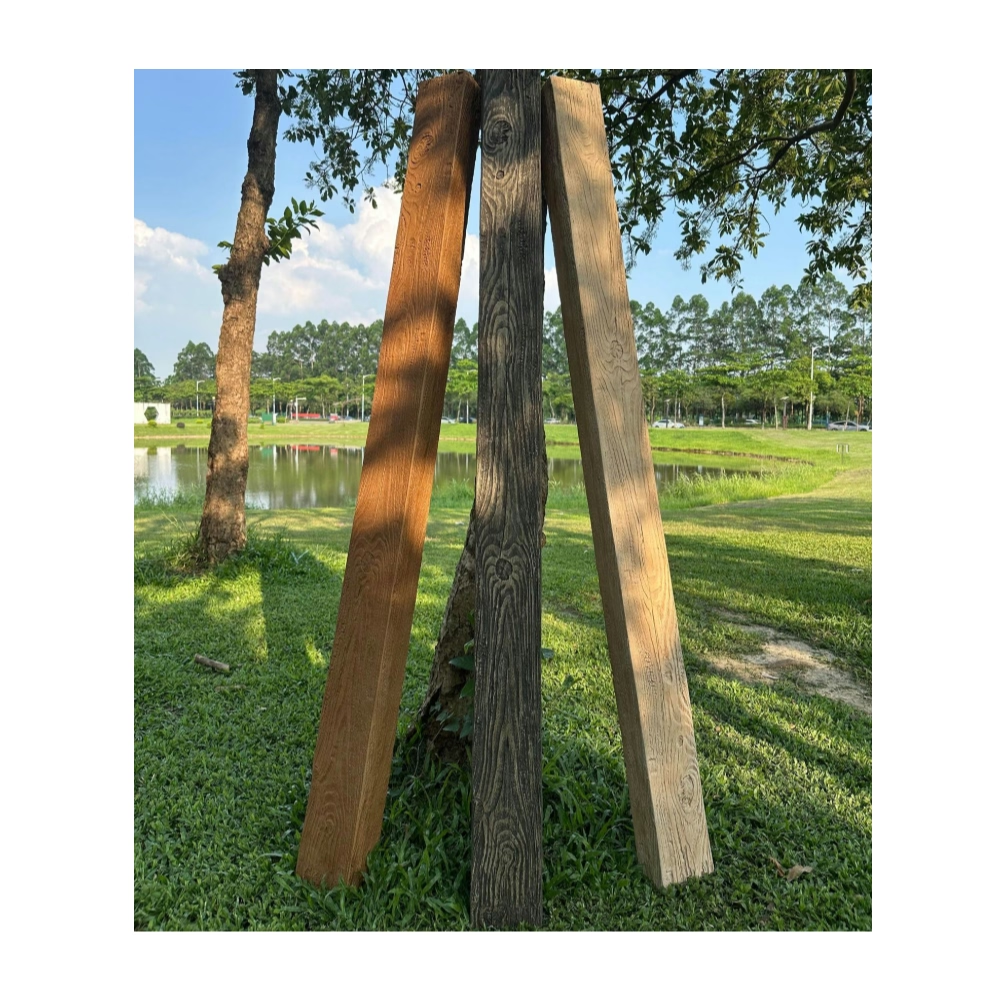
The guesthouse has evolved from a simple garden shed with a bed into a fully equipped accessory dwelling unit that serves as a private retreat for visiting friends, aging parents, adult children, or short-term rental guests. As the guesthouse has grown in functionality, the expectations for its interior quality have grown as well. A guest who spends a week in a well-designed guesthouse should feel as comfortable and cared for as they would in a boutique hotel.
Decorative faux wood ceiling beams are an ideal finishing choice for guesthouses because they add warmth and character without requiring the structural investment that real timber demands. The lightweight nature of faux beams is especially valuable in guesthouse applications where the structure may be a frame or a converted garage rather than a purpose-built residence with heavy timber framing.
Why Beams Work Well in Guesthouse Spaces
Guesthouses are typically smaller than the main house, which means every design decision has a proportionally larger impact on the overall feel of the space. A beam ceiling in a small guesthouse living room transforms the room in a way that would require a much larger investment in a great room.
The lightweight nature of faux beams is a practical advantage in guesthouse construction because many ADUs are built on pier foundations or over garages, which may have limited structural capacity for heavy ceiling treatments. Faux beams add visual weight without adding actual weight, which means they can be installed on structures that cannot carry real timber.
Common Guesthouse Room Types and Their Beam Treatments
The beam treatment in a guesthouse should vary by room type and function.
In the main living area, a beam ceiling creates a gathering space that feels more intentional than a standard room. A single beam running the length of the room, or a pair of parallel beams, establishes the design direction for the entire guesthouse. The living area beam treatment sets the standard that the bedroom and bathroom treatments follow.
In the bedroom, a beam over the bed creates a canopy effect that defines the sleeping zone without using a physical canopy or tester. The beam should be centered over the headboard and should be paired with a pendant fixture or wall-mounted reading lights.
In a studio guesthouse, the beam layout should define separate zones for sleeping, living, and cooking without using walls or partitions. Beams running parallel to the sleeping area wall create a visual separation from the living and kitchen zones.
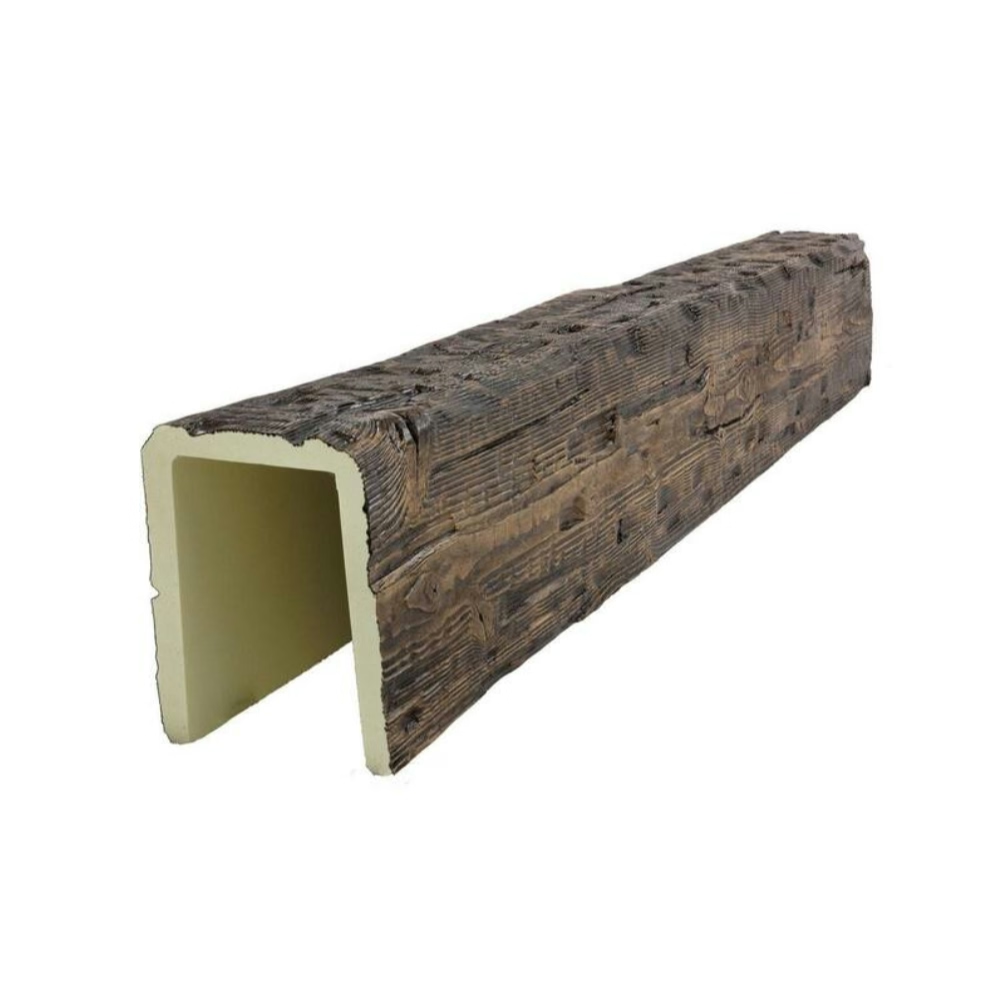
Profile and Finish Selection
The beam profile for a guesthouse should be selected to match the overall style of the ADU and the expectations of the expected guests.
For a modern guesthouse with clean lines and minimalist furnishings, a simple rectangular beam with a subtle chamfer and a light natural finish supports the contemporary aesthetic. The beam should feel architectural and refined, not rustic or country.
For a cottage-style guesthouse with shabby chic or farmhouse furnishings, a chamfered beam with a warm honey finish and slightly visible grain supports the cozy, lived-in aesthetic. The beam should feel handcrafted and inviting.
For a Scandinavian-inspired guesthouse, a pale ash or natural oak beam in a matte finish with minimal grain keeps the space feeling bright and open. The beam should complement the light-toned walls and natural materials that define the Scandinavian vocabulary.
Working with Guesthouse Ceiling Heights
Many guesthouses have standard eight-foot ceilings, which limits the depth of beam that can be used without creating a headroom issue. A beam that is four to six inches deep is appropriate for most eight-foot ceilings, with the depth increasing proportionally as the ceiling height increases.
For guesthouse attics with sloped ceilings, beams running along the slope of the roof add architectural interest while respecting the limitations of the space. The beams should follow the pitch of the roof and should be paired with appropriate lighting that does not create glare when viewed from below.
Integration with Short-Term Rental Standards
Guesthouses that are listed on short-term rental platforms like Airbnb and Vrbo face unique design requirements because the space must appeal to a wide range of guests from different backgrounds and with different expectations.
A beam ceiling is one of the most photographed features in a short-term rental listing, and it consistently appears in guest reviews as a positive highlight. The investment in a beam ceiling generates returns through higher booking rates, better reviews, and the ability to charge a premium rate relative to comparable properties without beams.
The finish in a short-term rental guesthouse should be selected for durability as well as aesthetics. A warm honey or butterscotch tone in a matte finish hides scratches and dust better than a glossy finish and photographs well in both bright and soft lighting conditions.
Maintenance Considerations for Rental Properties
Short-term rental hosts need maintenance procedures that are simple, repeatable, and do not require professional intervention for every issue. Faux beam maintenance fits this requirement because the beams require only periodic dusting and occasional cleaning with a mild detergent.
Damaged beams in a rental property should be replaced promptly to maintain the visual quality of the listing photos. The host should keep a spare beam or two in storage for quick replacement if damage occurs during a guest stay.
Budget Planning for Guesthouse Beam Installations
A guesthouse beam ceiling installation typically costs between three thousand and ten thousand dollars, depending on the number of rooms treated, the beam profile, and the finish quality. For a typical one-bedroom guesthouse, the total beam budget falls between four thousand and twelve thousand dollars.
This investment should be evaluated against the expected increase in rental income and the competitive advantage it provides in the local market. A guesthouse with a beam ceiling commands a measurable premium over comparable properties without beams.
Coordination with ADU Building Codes
Accessory dwelling units are subject to specific building code requirements that vary by jurisdiction. The beam installation should comply with all applicable requirements for fire rating, structural clearance, and accessibility.
The local building department should be consulted before the beam specification is finalized to confirm that the planned treatment meets all code requirements. In most jurisdictions, decorative beams that do not affect the mechanical systems or the structural elements of the building do not require special permits, but the confirmation should be obtained before installation begins.
What Property Owners Should Know
Property owners building or renovating a guesthouse should include the beam ceiling in the original design rather than adding it as an afterthought. Early inclusion allows the structural engineer to account for the mounting requirements and the mechanical designer to coordinate the lighting layout.
For existing guesthouses, adding beams to the ceiling is one of the most cost-effective upgrades available. The installation can typically be completed in one to two days, and the visual impact on the space is immediate and substantial.
Long-Term Value for Property Owners
A guesthouse with a quality beam ceiling is more valuable than a comparable guesthouse without one. The beam ceiling adds genuine character to the space, which increases the property's appeal to both renters and potential buyers.
For property owners who plan to keep the guesthouse as a long-term rental, the beam ceiling generates returns through higher rental rates and lower vacancy rates. For owners who plan to sell, the beam ceiling differentiates the property in a competitive market and supports a higher asking price.
Technical References
ASTM standards cited in every specification
Test Data
Lab results from internal testing program
Updated 2026
Reviewed against current product specs