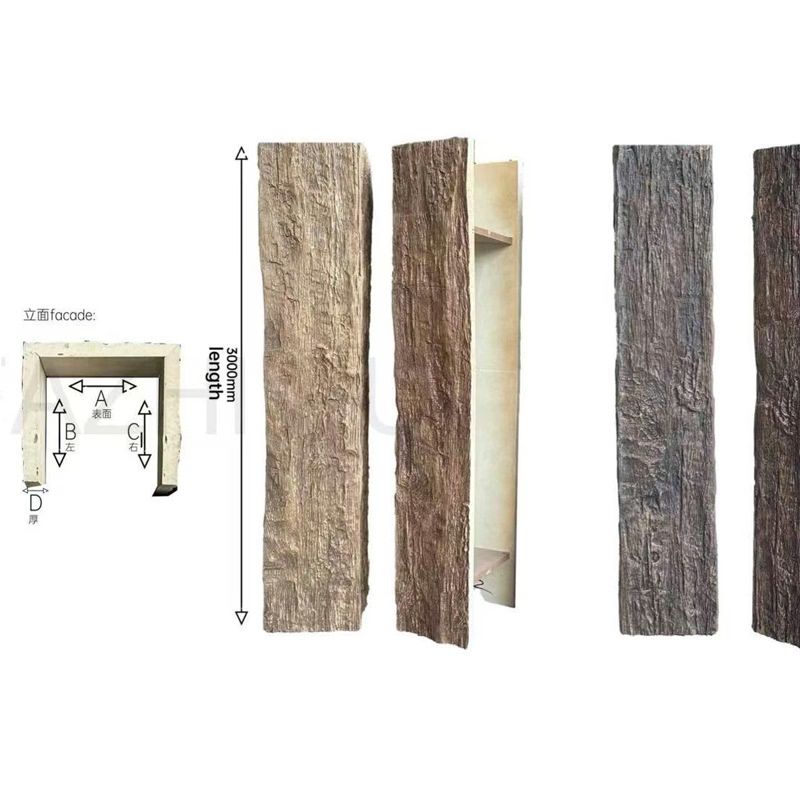
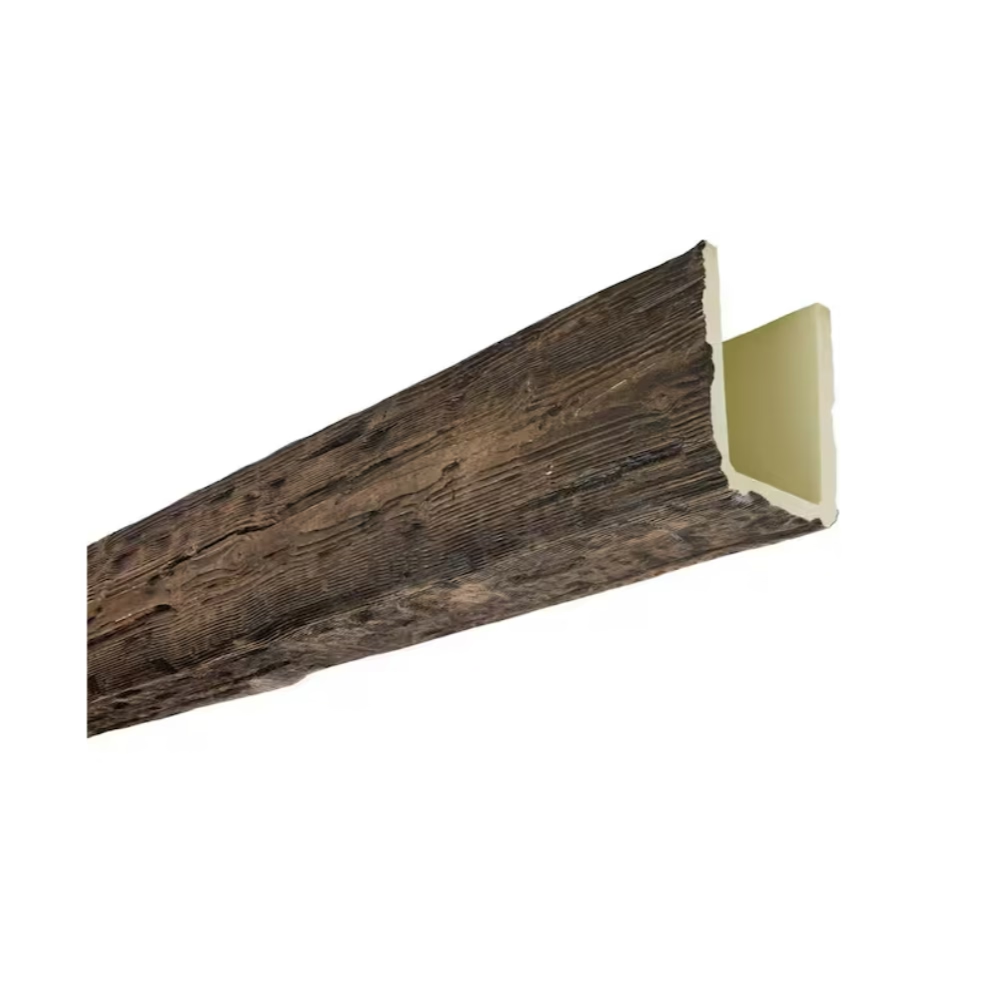
The bedroom is the most personal room in the home. It is where the day begins and where it ends, and the quality of its design directly affects the quality of rest. Yet the ceiling is often the most neglected surface in bedroom design, left as a flat white plane that does nothing for the atmosphere of the room.
Decorative faux wood ceiling beams solve this problem with a simple intervention that changes everything. A single beam or a pair of beams over the bed creates a canopy effect that defines the sleeping zone, adds visual warmth, and gives the room a focal point that makes the space feel designed rather than just furnished.
Why the Ceiling Matters in Bedroom Design
The ceiling in a bedroom is the fifth wall, and it receives more subconscious attention than most people realize. When lying in bed and looking up before sleep or after waking, the ceiling is directly in the field of view. A beautiful ceiling extends the design of the room into this intimate moment, while a plain ceiling leaves it unresolved.
The visual weight of a beam ceiling also affects the perceived size of the room. A room with a beam ceiling feels more grounded and complete than the same room with a flat ceiling, even when the furniture and wall finishes are identical. The beams add architectural substance that makes the room feel more valuable and more comfortable.
The Canopy Effect
The most common and effective use of beams in a bedroom is creating a canopy effect over the bed. The beam or beams are positioned directly over the headboard, spanning the width of the bed and extending slightly beyond the mattress edges.
This treatment has a psychological effect that is similar to a four-poster bed or a draped canopy. It defines the sleeping zone as special and separate from the rest of the room, which helps the brain make the transition from wakefulness to sleep. The canopy effect creates a sense of enclosure and protection that is deeply comforting.
For a king or California king bed, a single beam that is at least six to eight inches wide and extends to at least the edge of the headboard provides the right proportion. For a queen bed, a slightly narrower beam works, but the depth should remain consistent.
Beam Profiles for Bedroom Applications
The beam profile in a bedroom should support the overall style of the room without overwhelming the intimacy of the space.
For a contemporary bedroom with clean lines and minimal ornament, a simple rectangular beam with a flat bottom edge and a subtle chamfer is the most appropriate choice. The beam should feel architectural and refined, not rustic or country. A light natural or warm honey finish complements the contemporary palette.
For a traditional or transitional bedroom with classic furniture and layered textiles, a chamfered beam with decorative corbels or end caps adds the right level of detail. The beam should feel crafted and intentional without being ostentatious. A medium honey or warm butterscotch finish supports the traditional aesthetic.
For a rustic or farmhouse bedroom with reclaimed wood furniture and natural textiles, a more substantial beam with visible grain and a rustic distress treatment is appropriate. The beam should feel like it belongs in a handcrafted cabin. A dark honey or espresso finish with a wire-brush texture creates the right rustic character.
Spacing Multiple Beams in Larger Bedrooms
In a master bedroom that is large enough to accommodate separate seating or vanity areas, multiple beams can be used to divide the space into functional zones without using walls or curtains.
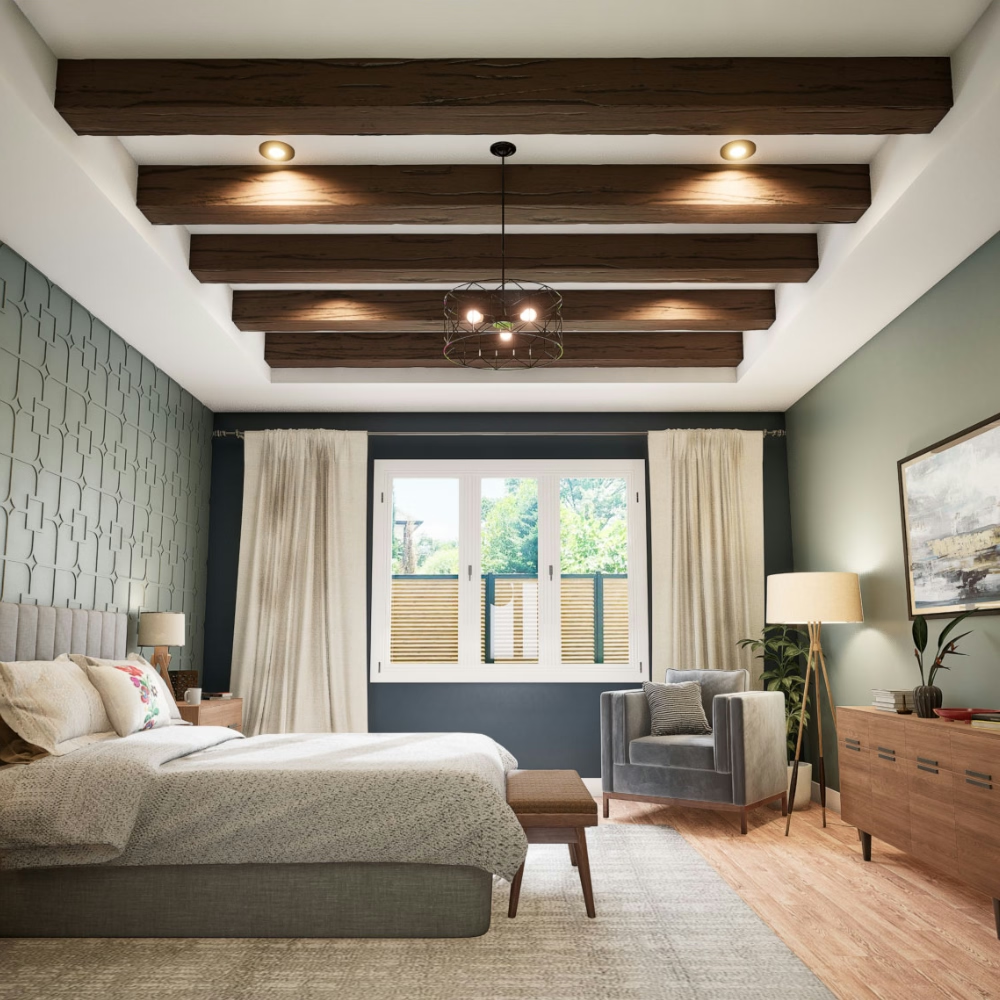
Two parallel beams running lengthwise over the bed define the sleeping zone, while the area toward the windows can be left beam-free for a reading nook or vanity. The contrast between the beam-covered sleeping zone and the open reading area creates visual variety that makes the large room feel more intimate.
Three or four parallel beams in a very large bedroom can create a coffered effect that adds architectural depth to the entire ceiling. The coffered treatment works well in bedrooms with a formal or classical aesthetic where the ceiling height allows for the additional visual complexity.
Finishing the Bedroom Beam
The finish on a bedroom beam should be selected to complement the bedding, the window treatments, and the overall color palette of the room.
A warm honey or butterscotch finish is the most versatile choice because it complements both warm-toned and cool-toned palettes. The warmth of the wood adds comfort to the bedroom without overwhelming the other finishes.
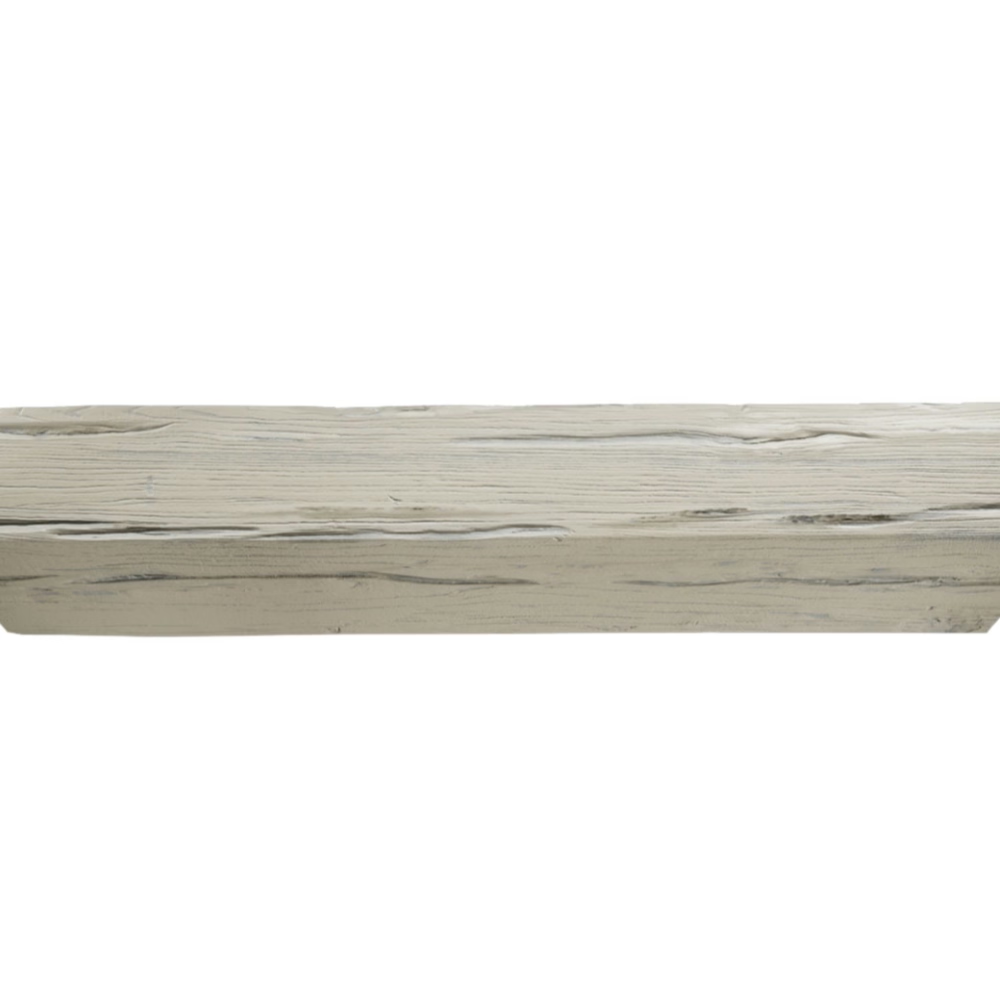
A light natural finish in pale oak or ash works well in bedrooms with white or gray walls and bedding. The light beam reflects ambient light and keeps the ceiling from feeling heavy in rooms that are already filled with soft light colors.
A darker finish in espresso or charcoal gray creates a more dramatic bedroom atmosphere. This finish works best in rooms with substantial furniture, dark accent walls, or a moody design direction.
Lighting Integration in the Bedroom
Lighting is a critical element of bedroom design, and the beam layout should work with the lighting plan rather than against it.
A pendant fixture hung from the beam over the bed is the most common lighting combination. The pendant provides focused light on the bed while the beam adds architectural interest at the ceiling plane. The pendant should hang at a height that illuminates the bed without creating glare when viewed from the pillow.
Wall-mounted sconces beside the bed are an alternative to pendant lighting that works well in rooms with a minimalist aesthetic. The beam can serve as the mounting point for the sconce wiring even if the sconce itself is mounted to the wall.
For bedrooms with a ceiling fan, the beam can be positioned to frame the fan without interfering with its operation. The fan blades should clear the beam ends by at least twelve inches on each side.
Coordinating with the Headboard
The beam and the headboard should be sized and positioned to work together as a cohesive unit. A large ornate headboard calls for a correspondingly substantial beam, while a low-profile platform bed calls for a slimmer, more restrained beam.
The width of the beam should be at least as wide as the headboard, and preferably wider, so that the beam visually anchors the bed rather than being overwhelmed by the headboard. A beam that is narrower than the headboard looks out of proportion and undermines the canopy effect.
DIY-Friendly Installation
One of the practical advantages of faux beams in bedroom applications is that they are light enough for a competent DIY installer to handle without professional help. A bedroom beam installation can typically be completed in a single afternoon with basic tools.
The beams mount to blocking or ceiling joists with screws, and the mounting hardware is concealed inside the beam profile. There is no need for adhesive, no need for special equipment, and no need for on-site finishing.
For homeowners who are nervous about installing beams themselves, a handyman or finish carpenter can complete the installation in a few hours at a reasonable cost.
Budget for Bedroom Beam Installations
A bedroom beam ceiling installation typically costs between five hundred and three thousand dollars, depending on the beam profile, the finish quality, and the number of beams installed. A single-beam installation over a queen bed typically costs between five hundred and fifteen hundred dollars including materials and labor.
This is a modest investment relative to the visual transformation it delivers. The bedroom is the room where homeowners spend the most time, and an investment in its design pays dividends in comfort and well-being every night.
What Designers Should Know
Interior designers working on bedroom makeovers should include the beam specification early in the design process rather than adding it as an afterthought. The beam affects the lighting plan, the furniture placement, and the overall proportion of the room, all of which should be coordinated before the design is finalized.
A sample of the planned beam finish should be reviewed in the actual bedroom lighting before the production order is placed. The beam will look different in the showroom than it does in the bedroom, and the approval should be based on the in-situ appearance.
Technical References
ASTM standards cited in every specification
Test Data
Lab results from internal testing program
Updated 2026
Reviewed against current product specs