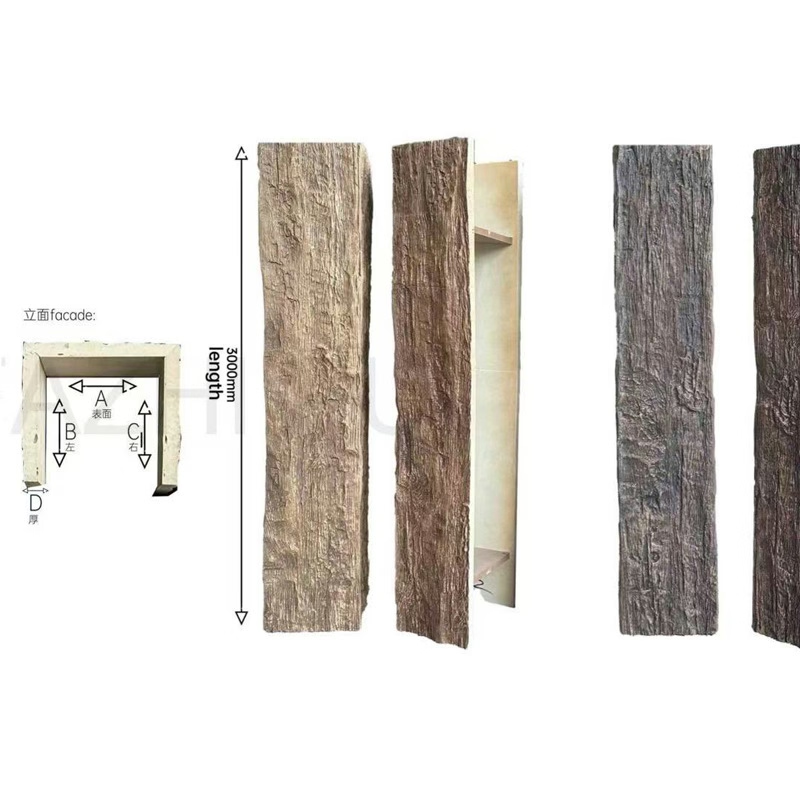
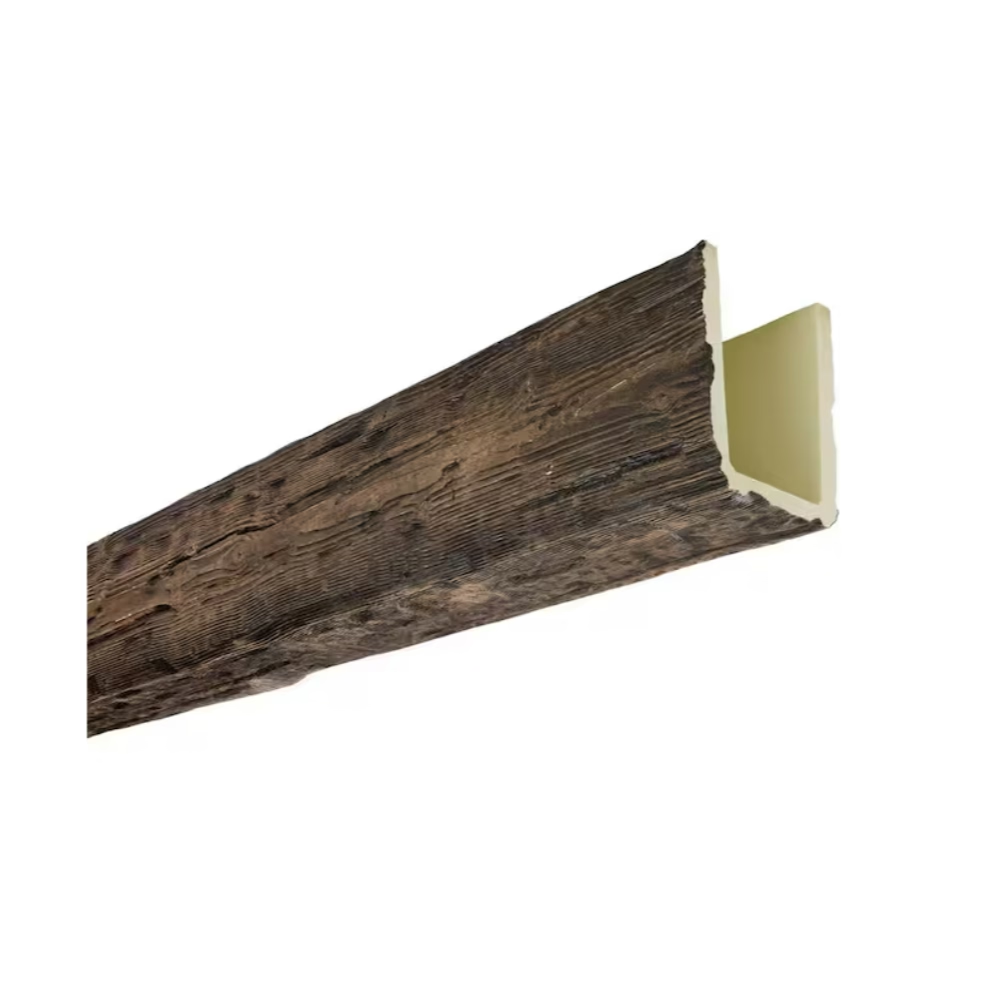
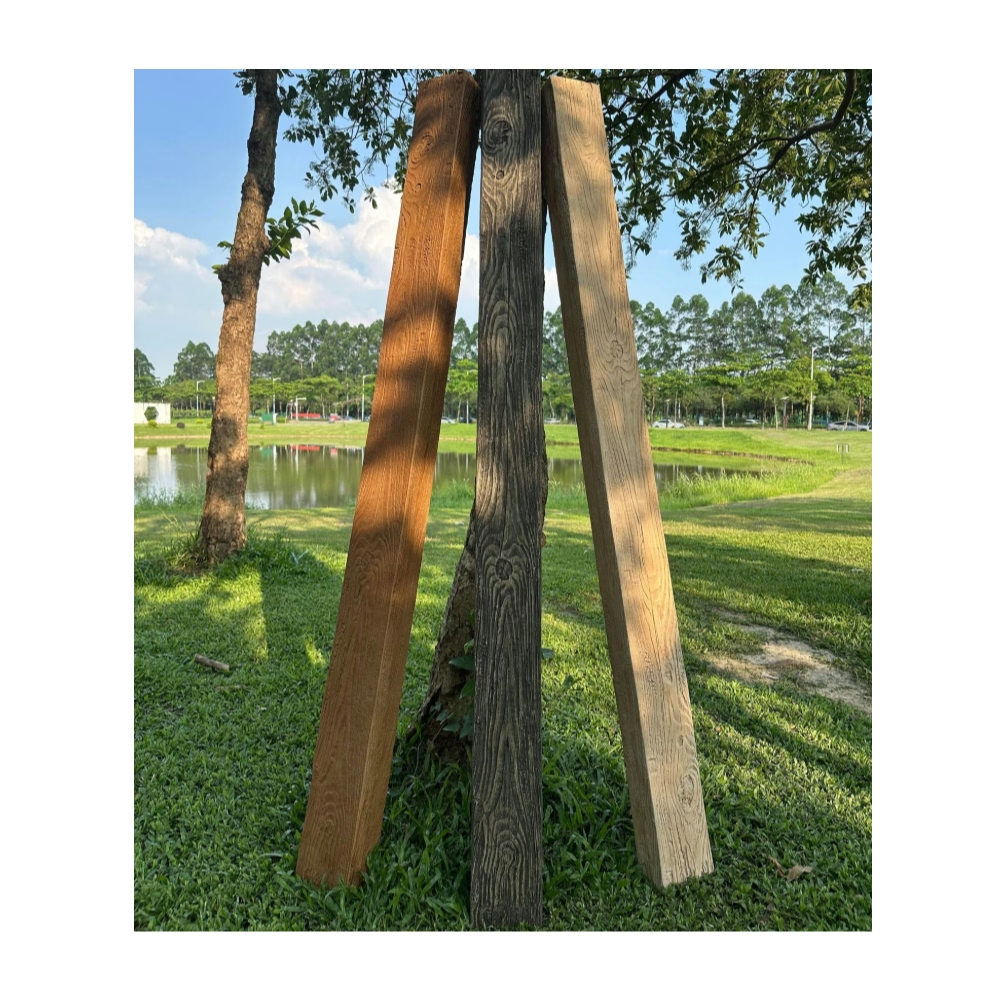
Log Home Aesthetics Without Log Home Challenges
Log homes occupy a distinctive position in residential architecture, offering rustic authenticity that few other construction approaches match. Yet traditional log construction imposes significant practical challenges including high material costs, demanding maintenance requirements, vulnerability to environmental damage, and structural complications. Polyurethane faux beams provide log home aesthetics while eliminating these traditional challenges.
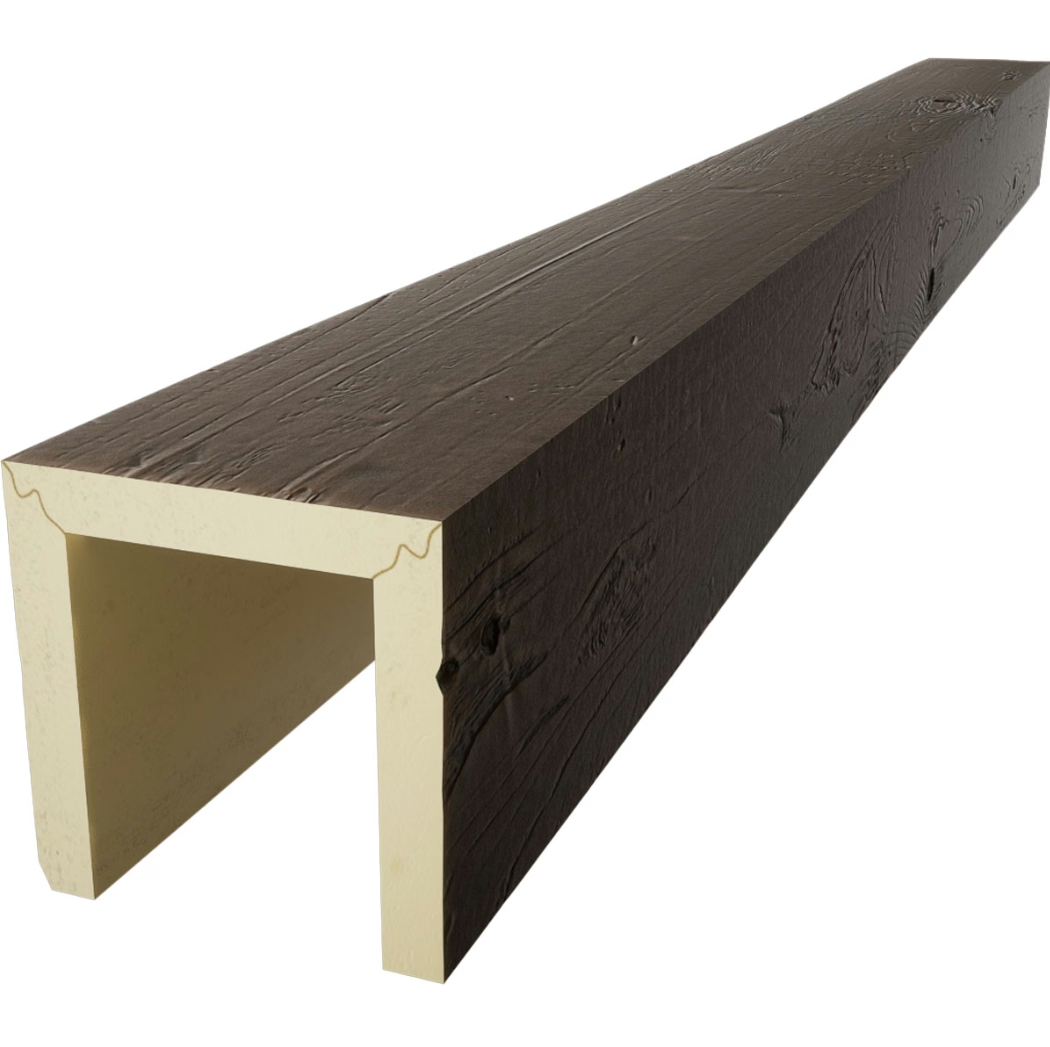
The log home alternative approach uses exterior-grade polyurethane beams that replicate the appearance of solid log construction. These products work for new construction, log home renovations, and traditional home additions where log aesthetics are desired but log construction is impractical.

Why Traditional Log Construction Challenges Owners
Solid log construction involves specific challenges that have limited its broader adoption despite aesthetic appeal:
High material costs reflect the quality and quantity of timber required. Properly dried, graded, and prepared logs command premium pricing, particularly for larger diameters and longer lengths common in residential construction.
Maintenance intensity includes periodic staining, sealing, chinking repair, and log replacement as the structure ages. These ongoing requirements impose both direct costs and time commitments that many owners find burdensome.
Settling and movement as logs dry and adjust over time causes cracking, gaps, and structural shifts. Interior and exterior finishes must accommodate this movement, and ongoing repairs address settling-related issues.
Insect and rot vulnerability affects log construction despite treatment. Wood-boring insects and moisture-related decay can compromise structural integrity, requiring expensive remediation.
Fire performance concerns limit log home insurance options and may restrict construction in fire-prone regions. Heavy timber construction performs well in fire but the massive fuel load creates concerns.
How Polyurethane Faux Beams Address These Challenges
Exterior-grade polyurethane beams solve traditional log construction challenges while preserving aesthetic benefits:
Lower material costs make log aesthetics accessible to broader project budgets. Polyurethane beams cost substantially less than equivalent solid log materials.
Minimal maintenance requirements eliminate periodic staining, sealing, and repair obligations. Occasional cleaning is the primary maintenance task.
Dimensional stability prevents settling, cracking, and movement that affect solid log construction. Polyurethane beams maintain their installed appearance throughout service life.
Insect and rot immunity eliminates biological vulnerability. Polyurethane provides no nutrition for wood-boring organisms and resists moisture-related degradation.
Predictable fire performance with appropriate fire-rated formulations meets building code requirements without the fuel load concerns of solid log construction.
Application Scenarios for Faux Log Beams
Several application types particularly benefit from polyurethane faux log beam alternatives.
New Construction With Log Aesthetics
New homes designed with log aesthetics can use polyurethane beams to achieve the desired appearance without log construction complexity. The exterior and interior beams deliver consistent appearance throughout the home.
This approach allows construction using conventional building methods while incorporating log-style architectural elements. The result satisfies aesthetic preferences while simplifying construction logistics.
Log Home Exterior Renovations
Existing log homes with deteriorated exterior elements benefit from polyurethane replacement options. Replacing severely degraded log components with polyurethane alternatives extends the functional life of the home without requiring complete reconstruction.
Renovation approaches vary based on the specific situation. Sometimes polyurethane replaces only the most damaged sections. Other times comprehensive exterior renovation uses polyurethane throughout for consistent appearance and uniform maintenance requirements.
Additions to Existing Homes
Home additions seeking to match existing log construction can use polyurethane beams that complement rather than replicate original log materials. The new construction integrates visually with existing log sections while providing modern material performance.
This application requires careful aesthetic coordination between existing and new elements. Color matching, profile compatibility, and appropriate transitions between materials ensure successful integration.
Accent Applications in Non-Log Homes
Homes without log construction sometimes incorporate log-style accent features for specific aesthetic effects. Polyurethane beams enable these accents without committing to full log construction.
Gable accents, porch beams, and entry features all benefit from log-style polyurethane elements. These applications add visual interest and character without requiring structural or maintenance commitments of full log construction.
Outdoor Living Space Construction
Porches, patios, pergolas, and outdoor entertainment areas can feature log-style polyurethane beams for distinctive aesthetic effect. These applications often expose materials to weather while requiring minimal maintenance.
The weather resistance of exterior-grade polyurethane suits outdoor living applications particularly well. The beams maintain appearance despite exposure to conditions that would degrade solid log materials.
Design Integration Approaches
Successful integration of polyurethane faux log beams requires attention to design details that ensure appropriate aesthetic results.
Matching Existing Log Construction
When polyurethane beams complement existing log construction, careful attention to appearance matching prevents jarring transitions between materials. Color matching, profile compatibility, and appropriate weathering characteristics all contribute to successful integration.
Physical samples viewed in actual project conditions provide the best basis for matching decisions. Computer rendering cannot capture all the subtle characteristics that distinguish successful from unsuccessful material transitions.
Complementing Other Building Materials
Polyurethane faux log beams work alongside various building materials including stone, timber frame elements, conventional siding, and stucco. Thoughtful material combinations create distinctive design statements.
Consider how polyurethane beams relate to other materials in terms of color, texture, scale, and proportion. The relationships determine whether beams feel integrated or arbitrary within the overall design.
Creating Appropriate Visual Weight
Log construction carries significant visual weight that must be considered in design. Polyurethane beams replicate this visual weight while being much lighter physically. Design applications should respect the visual weight expectations even though structural requirements are reduced.
Under-sizing beams in applications where log weight is expected creates disappointing results. Match beam dimensions to the visual weight the design requires rather than optimizing for actual structural capacity.
Coordinating Color and Finish
Color and finish coordination affects the success of polyurethane beam installations. The finish should relate to surrounding materials and overall design intent.
Newly manufactured polyurethane beams may appear too uniform for installations alongside naturally weathered solid logs. Finishing techniques can add weathering effects that help new polyurethane blend with aged solid materials.
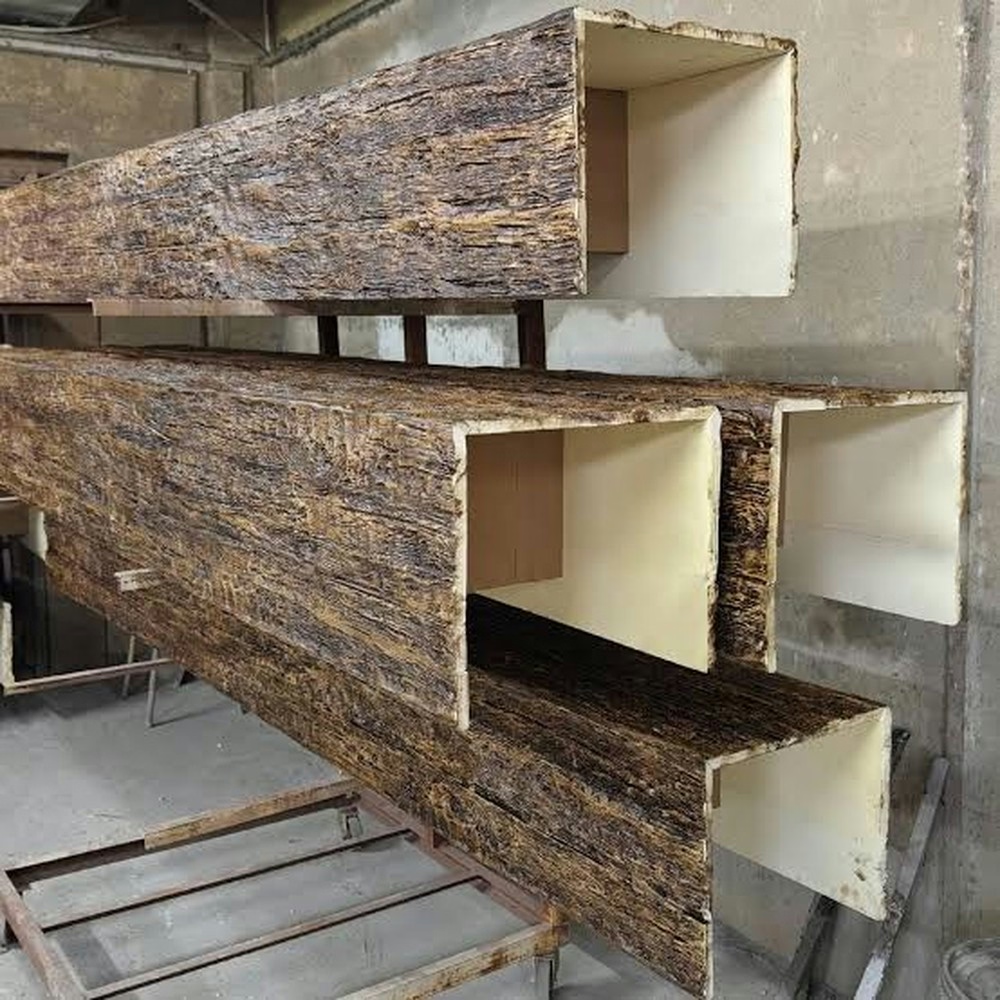
Technical Considerations for Log Home Applications
Polyurethane log-style beams require specific technical considerations for successful exterior applications.
Weather Exposure Management
Exterior log-style applications face the same weather exposure as any exterior beam installation. Proper specification of exterior-rated products, appropriate sealing of joints and penetrations, and attention to drainage details all contribute to long-term performance.
Log-style beams often have deeper profiles and more textured surfaces than standard beam designs. These characteristics require additional attention to water management to prevent moisture accumulation that could affect adjacent materials.
Structural Support Requirements
Polyurethane beams are much lighter than solid logs, reducing structural support requirements significantly. Standard mounting methods appropriate for polyurethane products work for most applications.
Long spans or installations subject to high wind loads may require additional structural consideration. Engineering input ensures adequate support for the specific installation conditions.
Transitions Between Materials
Transitions between polyurethane beams and other building materials require appropriate detailing. Flashings, sealants, and trim pieces integrate the beams with surrounding construction.
Quality transitions prevent water infiltration while maintaining visual continuity. Poor transition details are common failure points in exterior construction regardless of beam material.
Integration With Windows and Doors
Log-style applications typically integrate with rough openings for windows, doors, and other building elements. Polyurethane trim and accessory components from the same manufacturer ensure proper fit and consistent appearance.
Pre-engineered rough opening components simplify construction while ensuring appropriate integration. These components handle the load transfer, weather sealing, and aesthetic coordination that proper opening construction requires.
Performance Expectations for Faux Log Applications
Polyurethane faux log beams perform well in exterior applications when properly specified and installed.
Service Life Expectations
Quality exterior polyurethane beams typically achieve twenty to thirty year service lives in log home applications. Protected installations under deep overhangs may exceed this range while fully exposed installations in harsh climates may show shorter periods before major maintenance.
The service life depends on product quality, installation methods, exposure conditions, and maintenance practices. Proper specification and installation optimize service life.
Aesthetic Longevity
The appearance of polyurethane beams remains more consistent than solid log materials over time. Solid logs weather, check, and change character as they age. Polyurethane maintains its manufactured appearance throughout service life.
This aesthetic stability appeals to owners who want consistent appearance without ongoing maintenance. Others may prefer the evolving character of natural materials and should consider this difference when choosing materials.
Maintenance Requirements
Maintenance requirements for polyurethane log-style beams are minimal compared to solid log alternatives:
Annual cleaning removes accumulated dirt and contaminants. Gentle washing with appropriate cleaners maintains appearance without damaging finishes.
Periodic inspection identifies any developing issues before they become serious. Checking sealant conditions, mounting security, and finish integrity takes minimal time.
Finish refreshing every five to ten years maintains appearance in exposed applications. Quality exterior finishes resist degradation but benefit from periodic refreshing.
No structural maintenance is required because polyurethane does not face the biological, moisture, or movement issues that affect solid log construction.
Cost-Benefit Analysis for Faux Log Beam Adoption
Comparing polyurethane faux log beams to solid log alternatives reveals compelling economic advantages.
Initial Installation Costs
Polyurethane log-style beams typically cost 40 to 60 percent less than equivalent solid log materials before considering installation savings. The installation cost advantage adds further to total project savings.
Faster installation reduces labor costs and project timeline. Polyurethane beams install in days what solid log construction requires weeks to complete.
Lifecycle Cost Comparison
Beyond initial installation, polyurethane beams show substantial lifecycle cost advantages. Eliminating periodic staining, sealing, chinking repair, and replacement of degraded sections reduces lifetime ownership costs dramatically.
The cost difference becomes more pronounced over longer ownership periods. A twenty-year ownership cycle may show total cost of ownership 70 to 80 percent lower for polyurethane compared to solid log alternatives.
Insurance and Regulatory Considerations
Insurance costs for homes using polyurethane construction may differ from solid log alternatives. Discuss insurance implications with providers before finalizing material decisions.
Building code compliance is typically simpler with polyurethane than with solid log construction. Permitting processes move faster, and inspection requirements are generally less complex.
Property Value Implications
Property value effects vary by market and buyer preferences. Some buyers specifically value solid log construction authenticity. Others appreciate the practical advantages of polyurethane construction.
Resale value should be considered alongside ownership experience. In some markets, the practical advantages of polyurethane translate to market acceptance and value retention.
Specification Recommendations for Faux Log Projects
Successful projects require careful specification matched to project goals.
Product Quality Verification
Specify products with appropriate certifications and warranty coverage for exterior applications. Verify manufacturer reputation and track record with similar projects.
Request samples showing actual product appearance and quality. Evaluate samples in project lighting conditions to confirm appearance expectations.
Customization Capabilities
Consider project-specific requirements that may benefit from customization. Color matching, custom profiles, and unique dimensions enable distinctive design approaches.
Manufacturer customization capabilities vary. Confirm availability of required customizations before finalizing specifications.
Installation Expertise
Engage installation contractors experienced with exterior polyurethane beam applications. Their expertise contributes to installation quality and long-term performance.
Manufacturer-recommended installers often provide the best results. These installers understand product-specific requirements and have demonstrated competence with the materials.
Long-Term Support Planning
Plan for ongoing maintenance and support requirements before project completion. Establish relationships with manufacturers and contractors who can provide future service.
Documentation of installation details, product specifications, and maintenance procedures supports long-term ownership. This documentation proves valuable for warranty claims, future renovations, and property transfer situations.
Technical References
ASTM standards cited in every specification
Test Data
Lab results from internal testing program
Updated 2026
Reviewed against current product specs