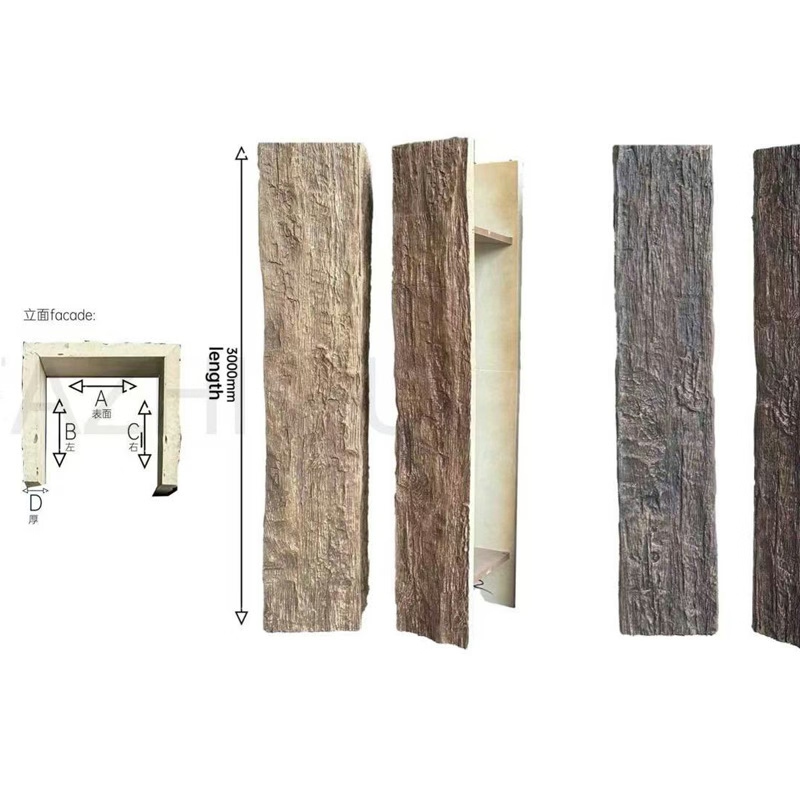
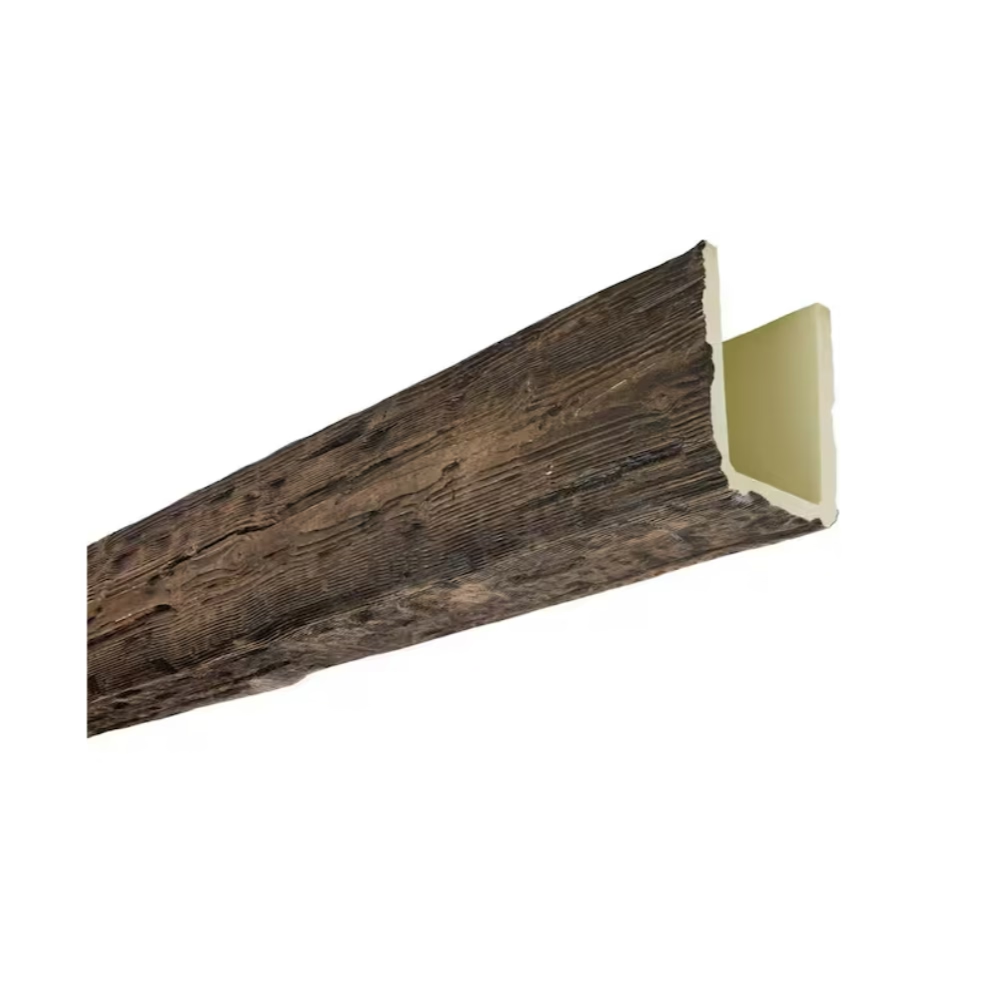
There is a particular moment in many homeowners' lives when they decide that the flat ceiling above them has to go. Maybe they have just bought a house with a builder-grade interior and want something with more personality. Maybe they are finishing a basement and want the ceiling to feel intentional rather than an obstacle to hide. Maybe they have spent ten years with a decorating style they no longer love and are ready to commit to something with more visual weight. Whatever the trigger, exposed beams are often near the top of the wish list.
The conversation then becomes complicated by the realities of construction. Solid wood is heavy. Solid wood moves with humidity. Solid wood needs to be sourced, delivered, acclimated, and installed by people who know how to handle it. For homeowners who are not professional contractors, the gap between the magazine photograph and the actual project can be larger than expected. Polyurethane faux wood beams exist to close that gap. They make the look achievable without the parts of the process that drive most homeowners to distraction.

What Residential Buyers Look For
The residential market for decorative beams is not monolithic. Buyers range from first-time homeowners looking for a single statement piece to retirees planning a whole-home refresh, and their needs vary accordingly.
The New Homeowner
New homeowners often have limited renovation experience and a strong preference for projects they can complete in a weekend. They are also budget conscious, both because they have just committed to a mortgage and because they are still learning what their home will require over the first few years. For this group, polyurethane faux beams are a near-perfect entry into decorative ceiling work.
A single accent beam across a living room or a small package of beams above a kitchen island can transform a space in a single afternoon. The materials are forgiving; small misalignments during installation can be corrected with shims and caulk. The finished look is dramatic enough to feel like a major change without the commitment of a full structural renovation.
The Long-Term Homeowner
Homeowners who have lived in a property for years often have a clearer vision. They know which room bothers them and what they would like it to become. They may have already researched options, possibly attempted a smaller project, and now want to do the real thing. For this group, the decision usually comes down to authenticity of appearance combined with practical durability.
A long-term homeowner installing beams wants to enjoy them for many years. They want the surface to look as good in year ten as it did in year one, with routine care rather than constant maintenance. Polyurethane beams deliver this durability, and they allow the homeowner to repaint or refinish them as other parts of the room evolve.
The Renovator
Some homeowners move frequently and treat each property as a project. For them, durability is essential, but so is the ability to undo a change before selling. Polyurethane beams can be removed without major ceiling repair, which is a significant advantage in a market where buyers have strong opinions about ceiling treatments. A removable installation lets the renovator stage the home beautifully while preserving the option to revert to a neutral ceiling if the local market demands it.
Polyurethane vs Solid Wood in Homes
The case for polyurethane in residential settings is not absolute. Solid wood has its place, and homeowners considering both options should understand where each excels.
Weight and Structural Considerations
A solid wood beam of the proportions seen in design magazines can easily weigh a hundred pounds or more per piece. Installing such a beam typically requires reinforcement of the ceiling structure, sometimes involving an engineer and often requiring a permit. Polyurethane beams of similar visual dimensions weigh a small fraction of that, allowing installation on standard residential ceilings without structural modification.
This weight difference matters most in older homes, where the ceiling joists may already be carrying the weight of plaster, multiple layers of flooring above, and decades of accumulated finishes. Adding a heavy timber beam to such a structure is not always advisable. Polyurethane offers the look without the structural stress.
Installation Skill Level
Solid wood beams typically require at least two experienced installers and sometimes a small crew with lifting equipment. The beams must be carefully aligned, shimmed into true, and secured with blocking that distributes the load properly. Polyurethane beams can be installed by homeowners with intermediate DIY skills, provided they have a helper and basic tools. L-brackets, standard construction screws, and a level are usually all that is required.
This accessibility expands the market for decorative beam work. Homeowners who would never have considered installing solid timber can confidently take on a polyurethane project and achieve professional-looking results.
Long-Term Appearance
The most common complaint about solid wood beams in residential settings is movement. Wood expands and contracts with humidity, which causes joints to open and close, sometimes producing visible gaps and occasional creaking. Polyurethane beams do not move in response to humidity. They hold their shape, their joints, and their finish across seasonal changes.
This stability matters in rooms where humidity fluctuates, such as kitchens, bathrooms, and basements. Solid wood in these environments can develop cupping, twisting, or surface checking within a few seasons. Polyurethane beams maintain their factory appearance indefinitely.

Common Residential Beam Applications
The flexibility of polyurethane beams makes them suitable for almost any room in the house. A few applications are particularly common.
Living Rooms and Family Rooms
The living room remains the most frequent location for decorative beams. Whether the goal is a rustic farmhouse look, a coastal retreat, or a contemporary industrial aesthetic, beams provide the visual structure that defines the space. In open-plan layouts, beams can also mark transitions between functional zones without building walls.
A common residential pattern is a single statement beam running the length of a vaulted ceiling, often paired with tongue-and-groove planks between the beams. Polyurethane versions of this assembly install far faster than the traditional timber equivalent and look essentially identical when finished.
Kitchens and Dining Areas
Kitchens benefit from beams that frame the cooking and eating zones, particularly in open-plan homes where the kitchen shares visual space with the living area. A beam running above an island creates a defined zone without interrupting sightlines or traffic flow. Polyurethane beams are easy to clean, which matters in a room where cooking vapors are a constant presence.
For dining areas, a square or rectangular beam grid above the table creates an intimate feeling even in a larger room. Recessed lighting integrated into the grid centers attention on the table itself.
Bedrooms and Primary Suites
Bedrooms are increasingly designed with ceiling treatments that extend the visual warmth of the rest of the home. A simple pair of beams across a primary bedroom ceiling, finished in a tone that coordinates with the headboard wall, can make the room feel more considered without overwhelming it.
For vaulted bedroom ceilings, beams often follow the slope of the roof, creating a visual rhythm that draws the eye upward. Polyurethane beams handle the angles cleanly and consistently, something that solid timber requires careful joinery to achieve.
Finished Basements
Basements present their own challenges. Ceiling heights are often lower than the rest of the house, mechanical systems may be exposed, and humidity can be higher than above-grade spaces. Polyurethane beams address each of these concerns. Their light weight allows installation directly to the underside of the floor joists above, often without losing valuable headroom. They can be coordinated to conceal ductwork and plumbing. They tolerate basement humidity without the movement that solid wood would experience.
For homeowners finishing a basement as a media room, a playroom, or a secondary living area, this combination of features is hard to match.
Working with Contractors and DIYers
Whether the homeowner hires a contractor or tackles the project themselves, a few practices help ensure a successful outcome.
Accurate Measurement
Beam projects go most smoothly when the ceiling is measured carefully before ordering. Lengths should be checked at multiple points, especially in older homes where walls are not perfectly parallel. The supplier can then cut the beams to length at the factory, reducing on-site work to installation only.
Surface Preparation
The ceiling substrate should be inspected before installation. Any repairs to drywall or plaster should be completed first, and the surface should be primed or painted as needed. Beams installed over a finished ceiling hide minor imperfections behind them, but the areas that remain visible should be in good condition.
Coordination with Other Work
If the project is part of a larger renovation, the beam installation should be sequenced after ceiling repairs, electrical rough-in, and any new HVAC work, but before final paint on the surrounding surfaces. This sequence allows the installers to work on a clean substrate and gives the painters a fresh surface to cut in around the installed beams.
For DIYers, this sequencing is worth thinking through carefully. Painting around an installed beam is straightforward. Touching up a beam that has paint drips on it is more annoying.
Finishing Touches
Many polyurethane beams arrive pre-finished, but some are supplied ready for on-site painting or staining. In either case, the joints between beams, the connections to the ceiling, and any end caps or corner pieces deserve attention. A small investment of time on these details is what separates a professional-looking installation from one that reveals its DIY origin.
Technical References
ASTM standards cited in every specification
Test Data
Lab results from internal testing program
Updated 2026
Reviewed against current product specs