
Most homeowners install faux wood beams because they want the look of solid timber without the upkeep. The good news is that PU faux beams genuinely deliver on that promise. With a small amount of routine care, they will look essentially the same in year ten as they did on installation day.
What follows is a comprehensive cleaning and maintenance guide based on what actually works in real homes. The recommendations are practical, the products are widely available, and the schedule is realistic for busy households.
Why Faux Beams Are Easier to Maintain
The maintenance advantage of faux beams starts with the material itself. Polyurethane foam does not absorb moisture the way wood does, which means spills, splashes, and humidity fluctuations do not cause the warping and cracking that affect solid timber. The factory-applied color and protective coating are stable under normal indoor conditions and do not require periodic refinishing.
Compare this to solid wood beams, which need dusting with specialized products, periodic conditioning with oils or waxes, and occasional refinishing to address scratches, fading, and wear. A solid wood beam can demand several hours of attention per year, while a PU beam needs a fraction of that time.
The closed-cell structure of polyurethane also resists odors. Kitchens with cooking smells, bathrooms with humidity, and basements with musty air all leave solid wood beams smelling like their environment over time. PU beams do not absorb those odors, which keeps the home smelling fresh without additional effort.
What Manufacturer Data Sheets Recommend
Most PU beam manufacturers provide care sheets with their products that outline approved cleaning methods and prohibited products. These sheets typically recommend mild soap and water for routine cleaning, water-based acrylic polish for periodic refreshing, and explicit warnings against solvent-based cleaners, abrasive pads, and bleach-based products.
Following the manufacturer's care sheet protects the warranty and ensures the longest possible lifespan. The sheets are usually short — often just one page — and well worth reading before the first cleaning.
Daily and Weekly Care Routines
For most homes, weekly dusting is the only routine maintenance PU beams require. A microfiber mop or extendable duster reaches high beams without a ladder and picks up loose dust in a single pass. The microfiber material is gentle on the protective coating and does not scratch the surface.
For beams at standard ceiling height, a quick pass with a microfiber cloth once a week keeps dust from accumulating. The closed-cell surface releases dust easily when the cloth is slightly damp, which is helpful during dry winter months when static electricity makes dust cling to most surfaces.
Kitchens benefit from more frequent attention. The combination of cooking grease, steam, and food particles means kitchen beams collect residue faster than beams in other rooms. A weekly wipe-down with a damp microfiber cloth removes the light film before it becomes a visible buildup.
Monthly Deep Cleaning
Once a month, most beams benefit from a slightly more thorough cleaning. A mixture of warm water and a small amount of mild dish soap applied with a soft cloth removes accumulated film and refreshes the surface. The cloth should be wrung out so it is damp rather than wet, because excessive water can work its way into seams or joints over time.
After washing with soapy water, the beams should be wiped again with a clean damp cloth to remove any soap residue. Residual soap can dull the protective coating over time, so thorough rinsing is worth the extra minute.
For beams that have developed a slightly sticky feel — often the result of cooking residue or tobacco smoke — adding a small amount of white vinegar to the cleaning water helps break down the film. The vinegar smell dissipates quickly as the beam dries.
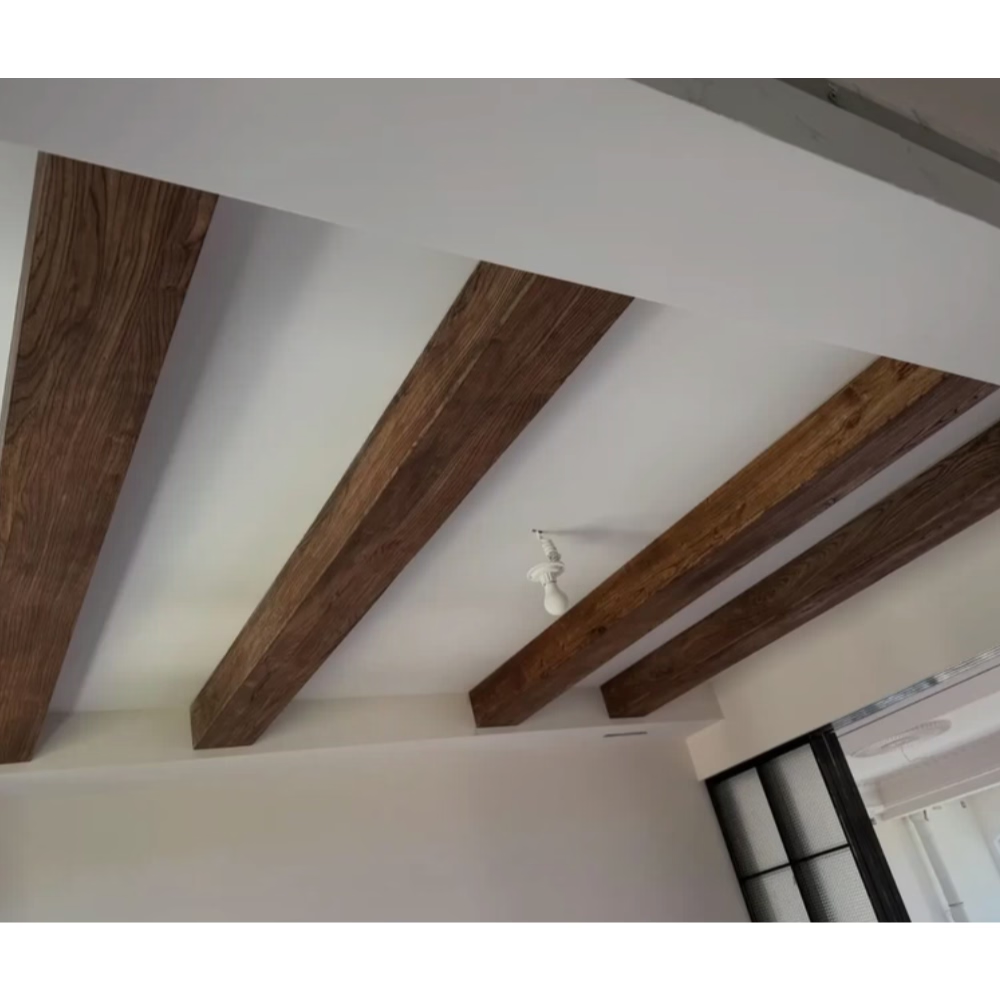
Products to Avoid
The list of products to avoid with PU faux beams is short but important. Solvent-based cleaners, including acetone, mineral spirits, and paint thinner, can dissolve or discolor the protective coating. A single use of these products can permanently damage the beam's finish.
Abrasive cleaners, including scouring powders and rough pads, scratch the protective coating and create micro-grooves where dirt can accumulate. Once the coating is scratched, the damage cannot be reversed without refinishing.
Bleach and ammonia-based cleaners can discolor the pigment layer underneath the protective coating. Even diluted solutions can cause fading over repeated use, so these products should be kept away from beams entirely.
Wax-based polishes designed for solid wood can leave a residue on PU beams that attracts dust and dulls the surface. The wood polish that works well on furniture does not work well on faux beams, despite both being marketed as wood-finish products.
When Stubborn Stains Appear
Despite best efforts, occasionally a beam will develop a stubborn stain. Common culprits include candle wax, marker, and food spills. The good news is that most stains can be removed with a little patience.
For wax stains, allow the wax to harden and then gently scrape it off with a plastic scraper or the edge of a credit card. Any remaining residue can be wiped away with a cloth dampened with warm soapy water. Avoid the temptation to melt the wax with a hair dryer or heat gun, because heat can damage the protective coating.
Marker and ink stains respond well to a small amount of isopropyl alcohol applied to a cotton swab. The alcohol dissolves the ink without affecting the pigment layer underneath, but it should be used sparingly and wiped clean with water afterward.
Food stains are usually water-soluble and respond to immediate cleaning with a damp cloth. For dried food residue, a plastic scraper followed by soapy water usually does the job. Avoid scraping with metal tools that can scratch the coating.
Seasonal Maintenance Considerations
The changing seasons bring different maintenance concerns for ceiling beams. In winter, low humidity and forced-air heating create static electricity that attracts dust. Running a humidifier to keep indoor humidity above thirty percent reduces static buildup and makes dust easier to wipe away.
In spring, pollen and other airborne allergens can settle on beam surfaces. A weekly wipe-down during peak pollen season prevents the allergens from building up and reduces the symptom burden for household members with allergies.
Summer humidity is generally not a concern for PU beams, but coastal homes with salt air should wipe down beams monthly to remove salt deposits that can corrode mounting hardware. The salt does not affect the PU surface itself, but it can affect the screws and brackets holding the beams in place.
Fall brings leaf debris and the start of heating season. A thorough cleaning in early fall, before the heating system runs continuously, removes summer dust and prepares the beams for the drier months ahead.
Annual Inspection Routine
Once a year, it is worth spending a few minutes inspecting each beam for signs of wear or damage. Look for cracks, chips, or areas where the protective coating has worn thin. Check the mounting points for any signs of the beam pulling away from the ceiling. Look for water stains that might indicate a leak from above.
Catching small problems early makes repairs easier and less expensive. A hairline crack in a beam is much easier to address than a beam that has separated from its mounting because the crack was ignored. An annual inspection takes about fifteen minutes for an average home and provides significant peace of mind.
For homes in areas with severe weather — hurricanes, earthquakes, or extreme temperature swings — twice-yearly inspections are a good idea. These inspections focus on the mounting hardware and the beam-to-ceiling connection, which is where weather-related damage typically appears first.
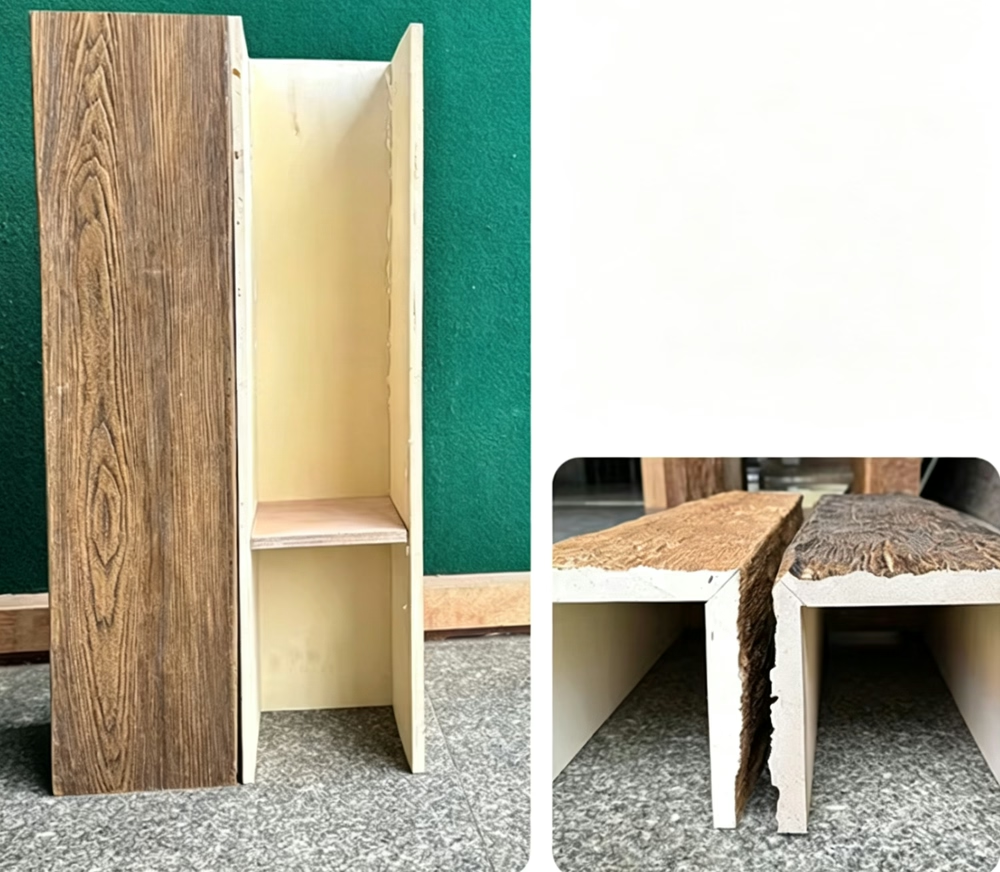
Long-Term Care Considerations
PU faux beams do not require refinishing the way solid wood does, but the protective coating can benefit from a refresh every five to ten years. A light application of water-based acrylic clear coat, applied with a brush or roller, restores the surface protection without changing the beam's appearance.
This refresh is particularly valuable for beams in kitchens, bathrooms, and other high-humidity environments. The original coating may have worn thin after years of exposure, and a refresh extends the beam's useful life significantly.
For beams that have been damaged — perhaps by a falling ladder, a stray piece of furniture during a move, or an accident with a child at play — repair is usually possible. Light scratches can be touched up with matching stain and sealant. Deeper gouges may require filling with a two-part epoxy filler followed by re-staining and re-sealing.
Most manufacturers sell repair kits that include stain, filler, and sealant matched to the specific beam color. These kits are inexpensive and produce results that are barely visible after repair.
A Realistic Maintenance Schedule
For most homeowners, a realistic maintenance schedule looks like this. Weekly dusting with a microfiber cloth. Monthly cleaning with mild soap and water. Annual inspection for damage and wear. A protective refresh every five to ten years.
That schedule is shorter and simpler than the maintenance required for nearly any other architectural element in the home. Floors need more attention. Walls need repainting periodically. Cabinetry needs adjusting and refinishing. PU beams, by contrast, sit quietly overhead and stay looking good with minimal effort.
The benefit of this low-maintenance approach is not just time savings. It is also the consistency of appearance over time. A home with PU faux beams looks well-maintained year after year without the periodic disruption of major refinishing projects. For busy households, that consistency is one of the most valuable features of the product.
Technical References
ASTM standards cited in every specification
Test Data
Lab results from internal testing program
Updated 2026
Reviewed against current product specs
