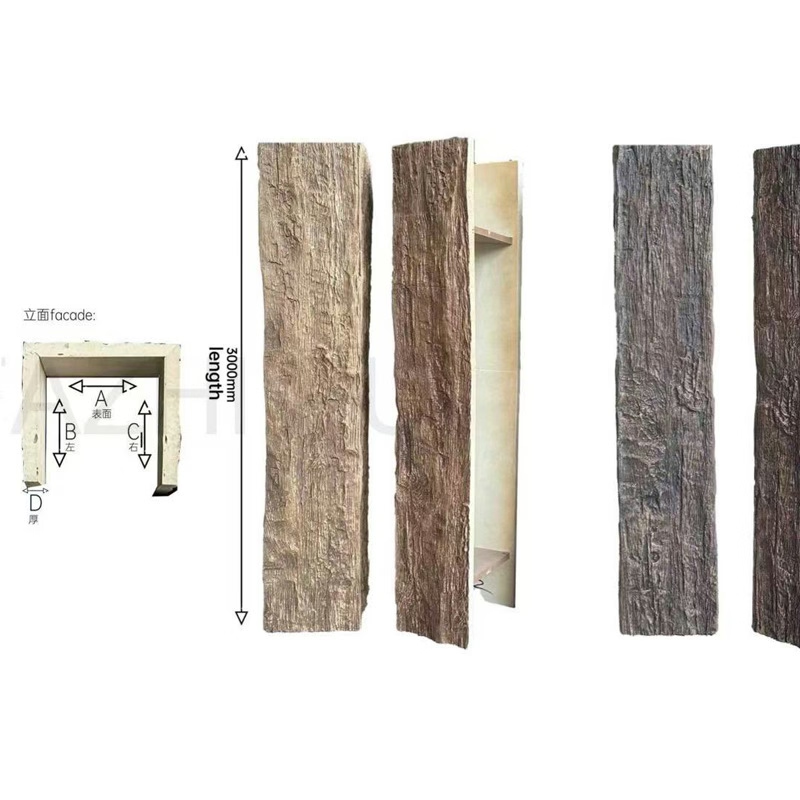
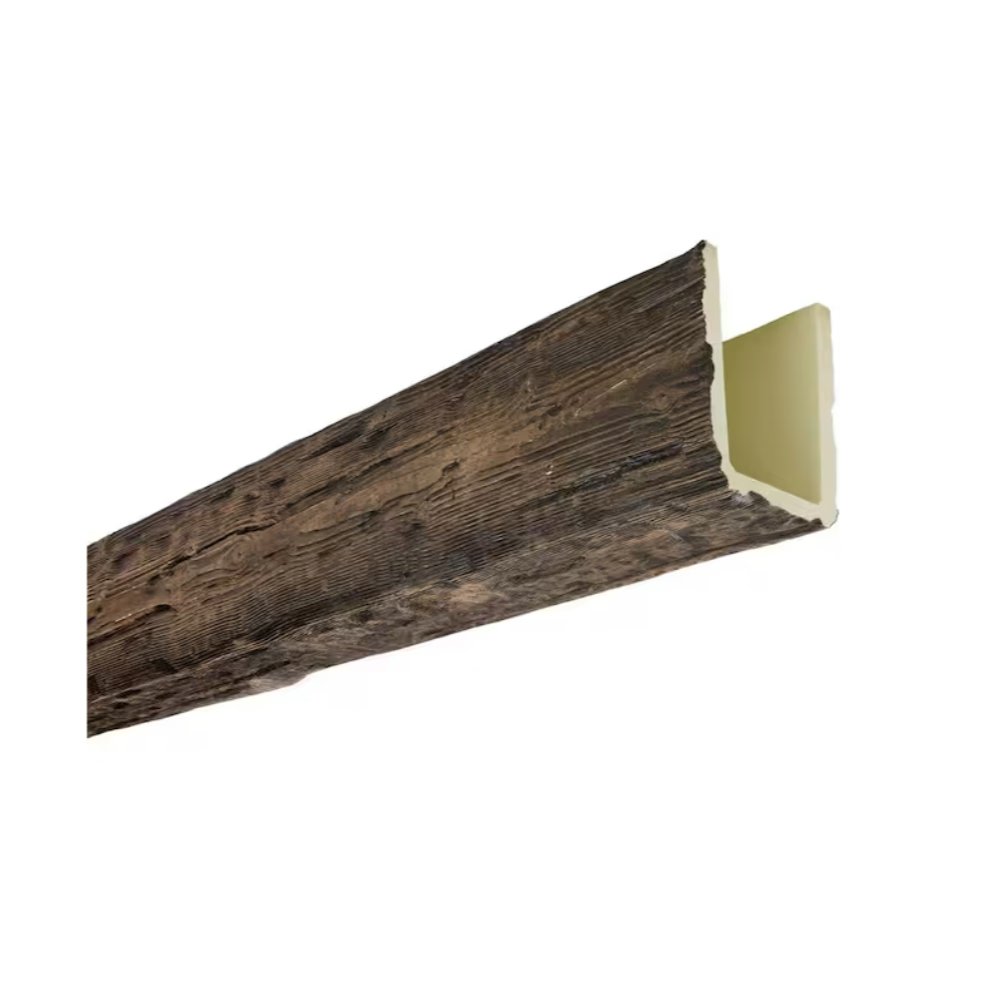
The foyer of a grand villa is a kind of promise. It tells visitors what kind of home they are walking into before a single word is spoken. A double-height ceiling with the wrong beam overhead feels like a missed opportunity. The right beam overhead, sized to the room and finished with intention, makes the foyer feel like the threshold it was meant to be. Extra-wide heavy-duty PU faux timber beams exist for exactly that threshold moment.
The Architectural Language of a Foyer
Foyers are unusual rooms. They are typically not lived in the way living rooms, kitchens, or bedrooms are. People pass through them on the way to somewhere else. But the foyer sets the emotional tone for the entire home, and visitors form impressions within seconds of stepping inside.
Scale as a Statement
A grand villa foyer almost always has a double-height or vaulted ceiling. The vertical space says something about the home: it suggests confidence, generosity, and an ambition that goes beyond the purely functional. But height alone is not enough. A tall ceiling with nothing overhead feels like an empty atrium. The beam across the foyer gives the height meaning, breaks the vertical volume into human-scaled sections, and provides the horizontal anchor that the architecture needs.
Proportion Between Beam and Room
Beam width in a foyer is not a small decision. A narrow beam in a wide, tall room looks like an afterthought, like someone forgot to finish the ceiling. An overly wide beam swallows the room and makes the proportions feel top-heavy. The extra-wide category typically covers beams from 300 millimeters to 500 millimeters in width or more, sized to read confidently across a tall foyer without overwhelming it. Designers match the beam depth and width to the room's ceiling height, footprint, and the visual weight of surrounding finishes.
Why Foyers Need Heavy-Duty Construction
Foyers in grand villas often carry more than just decorative weight. Lighting fixtures, art installations, security cameras, smart home equipment, and seasonal decor all hang from the ceiling. The beam overhead frequently serves as the mounting point for some of that equipment, which means it has to be more than a decorative shell.
Load Capacity for Statement Fixtures
Foyers are where many homeowners install their most ambitious lighting. A large chandelier, a layered pendant installation, or a custom sculptural fixture can easily weigh hundreds of kilograms. That weight has to be carried by the ceiling structure and transferred through the beam to the framing above. Heavy-duty PU faux beams with embedded steel or aluminum reinforcement cores provide the load path needed for statement fixtures without compromising the timber aesthetic.
Resistance to Contact and Wear
Foyer ceilings get touched. Ladders lean against beams during seasonal decorating. Movers carrying furniture through the entry occasionally bump overhead. Cleaning crews wipe down fixtures and surfaces more often than in any other room. Heavy-duty PU beams resist the dents, scuffs, and finish damage that lighter products would show within a few years.
Long-Term Stability in Tall Spaces
Tall ceilings create temperature differentials between floor level and ceiling level. In a double-height foyer, the air near the ceiling can be five or ten degrees warmer than the floor, particularly in homes with high ceilings and strong HVAC systems. The beam overhead expands and contracts more than beams in standard-height rooms. Heavy-duty PU formulations handle that movement without visible distortion, keeping the ceiling line straight across decades of seasonal cycling.
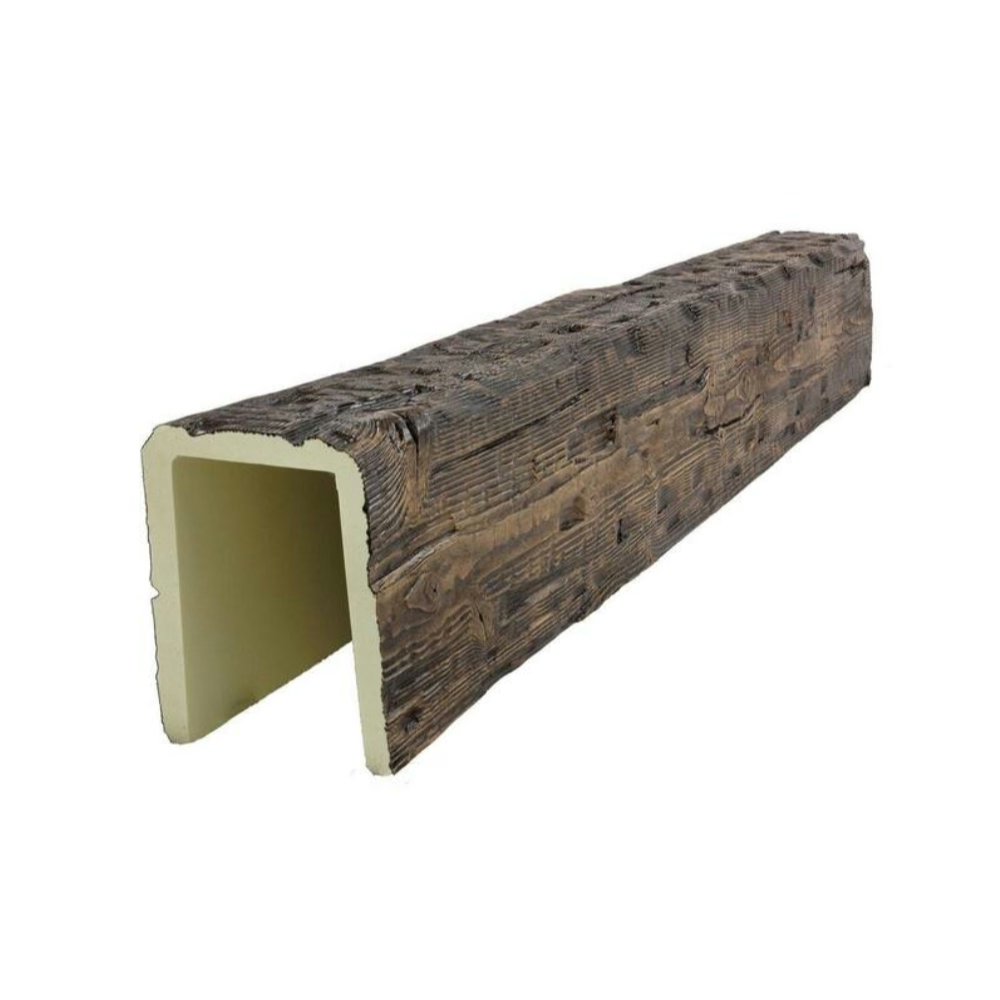
Profile and Finish Choices for Foyer Statements
A foyer beam is one of the most photographed architectural features in the entire home. Visitors photograph it, real estate listings feature it, and homeowners see it every time they walk through the front door. The profile and finish choices deserve the same attention as any other statement element in the home.
Profiles for Different Villa Styles
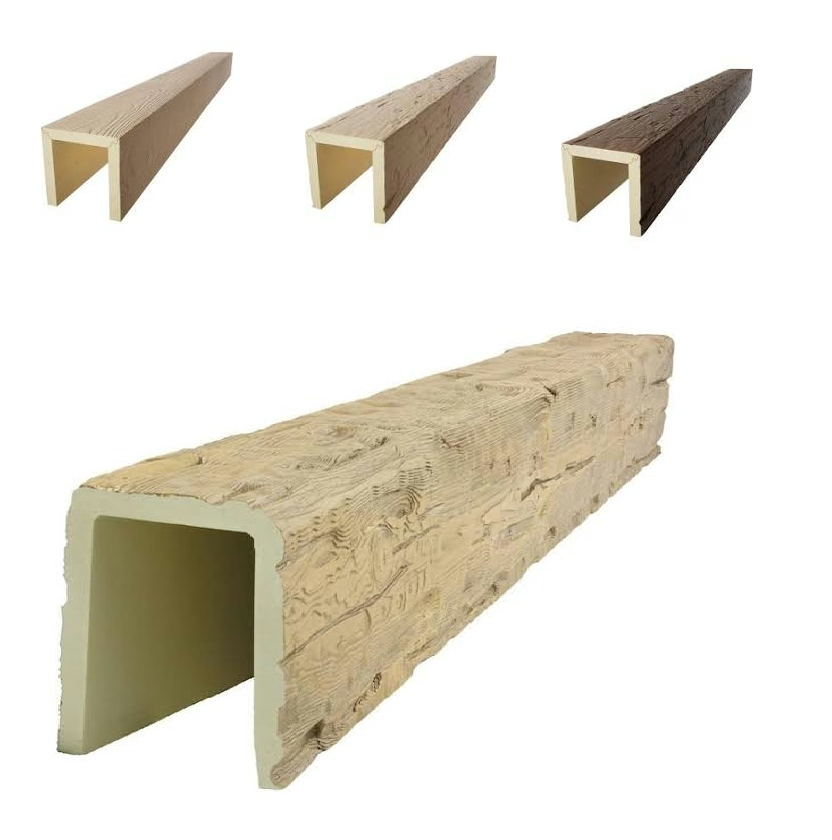
Mediterranean and Tuscan villas lean toward hand-hewn, rough-sawn profiles with deep surface texture and visible tooling marks. The beam reads as authentic reclaimed timber from the moment a visitor looks up. Modern and contemporary villas favor smooth or lightly textured profiles with clean edges and minimal surface detail. Traditional and transitional homes often choose wire-brushed or planed profiles with moderate texture that pairs with both rustic and refined surrounding finishes.
Finish Tones That Anchor the Entry
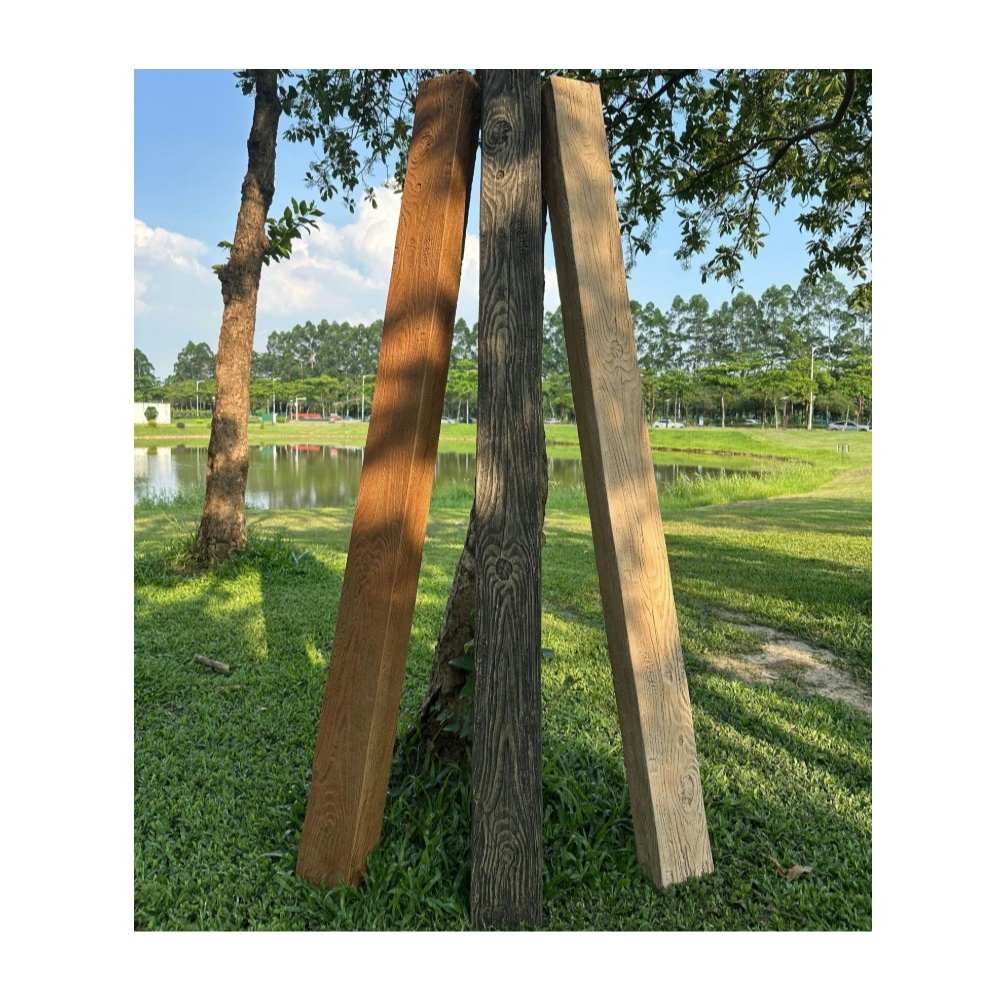
Deep walnut and mahogany finishes give foyers a formal, traditional character. Mid-tone oak and pecan finishes work across a wide range of styles and pair well with both pale and dark flooring. Whitewashed and weathered finishes suit coastal, contemporary, and Scandinavian-inspired villas. Custom finishes are common in luxury work, where the beam is matched to a specific floor, door, or panel sample sent by the homeowner.
Multi-Beam Compositions
Many grand villa foyers use more than one beam across the ceiling. A primary beam runs the long dimension of the room, with secondary beams perpendicular to it creating a coffered or tray ceiling effect. Heavy-duty PU beams handle multi-beam compositions well because each beam can be specified with matching profile and finish, and the consistent manufacturing process ensures the entire composition reads as a unified design.

Custom Details That Distinguish Luxury Work
Luxury villa work often involves custom details that go beyond standard catalog options. Extra-wide heavy-duty PU beams accommodate those details without sacrificing performance.
Custom Widths and Profiles
Standard catalog beams max out at widths that suit typical residential ceilings. Foyers frequently need wider profiles, and luxury clients often want custom widths that no catalog offers. PU manufacturers serving the luxury market can produce beams at virtually any width, with profiles developed from sketches or reference photos. The same manufacturer typically handles matching crown molding, corbels, and beam ends as part of a complete composition.
Integrated Lighting and Hardware
Foyer beams often include provisions for integrated lighting. Recessed LED strips along the beam edges, uplighting that washes the ceiling above, and downlighting that illuminates artwork or the entry floor are common requests. Heavy-duty PU beams can be molded with channels and cutouts that accommodate low-voltage wiring and surface-mounted fixtures, with the beam profile hiding the hardware from view.
Aged and Weathered Finishes
Many luxury homeowners want a beam that looks like it has been in the home for a century rather than installed last month. Heavy-duty faux timber beams accept multi-step finishing processes that add depth, character, and the appearance of age. Base stain is layered with glaze, highlights are added by hand, and subtle weathering effects are applied before the final coat seals the surface. The result reads as authentic antique timber rather than a newly manufactured product.
Installation Considerations for Foyer Beams
Foyer beam installation is more involved than a standard residential job. The scale of the beams, the height at which they are installed, and the weight they often carry all require careful planning.
Ceiling Structure and Blocking
The structural ceiling above the foyer must be evaluated before heavy beams are specified. Most grand villas have engineered roof framing or concrete ceiling structures that easily support heavy beams, but older homes or renovations may require additional blocking or reinforcement. Engineers typically review the installation plan to confirm that loads transfer correctly through the beam and into the structure.
Lifting and Positioning
Extra-wide beams at foyer ceiling heights often require more than basic ladder work. Scaffold, scissor lifts, or rolling tower systems are typically needed for safe installation. Crew size scales with beam weight, with two-person crews handling most extra-wide beams and additional support for very long or very heavy sections. Lifting plans developed in advance prevent damage to the beam and injury to installers.
Coordination with Other Trades
Foyer installations often coordinate with multiple trades. Electricians run wiring for integrated lighting before the beam goes up. Painters prepare the ceiling around the beam mounting area. Flooring contractors finish the entry floor before scaffold moves into place. Good project management sequences these trades so the beam installation proceeds without delays or rework.
Choosing the Right Manufacturer for Foyer Projects
Foyer projects require a manufacturer with the capability to produce extra-wide beams, finish them consistently, and ship them safely. Not every faux beam supplier can do all three well.
Sample Approval Process
Reputable manufacturers produce a finish sample on a stub beam before committing to full production. The sample is shipped to the project, viewed in the actual foyer lighting, and approved by the homeowner or interior designer. This step prevents expensive rework and gives confidence that the color and profile match the design intent.
Custom Production Capability
Few faux beam manufacturers produce extra-wide profiles as standard products. Custom production requires extended molds, additional reinforcement capability, and finishing expertise for profiles that exceed normal catalog sizes. Manufacturers with this capability typically advertise their custom work and welcome project-specific inquiries.
Installation Support
Large foyer beams sometimes benefit from manufacturer involvement during installation. Shop drawings, mounting hardware specifications, and field technician visits are all part of the service offering for premium products. Manufacturers with engineering staff can review installation plans and confirm that loads, blocking, and attachment details are correct before any work begins on site.
A Beam That Welcomes
The foyer beam is the first architectural gesture a visitor sees. It says something about the home before anyone speaks. Extra-wide heavy-duty PU faux timber beams give that gesture the scale, presence, and craftsmanship it deserves. They handle the loads that statement lighting requires, resist the wear that comes with active daily use, and deliver the timber aesthetic that defines luxury residential architecture. For homeowners building or renovating a grand villa, that combination is worth the investment.
Technical References
ASTM standards cited in every specification
Test Data
Lab results from internal testing program
Updated 2026
Reviewed against current product specs