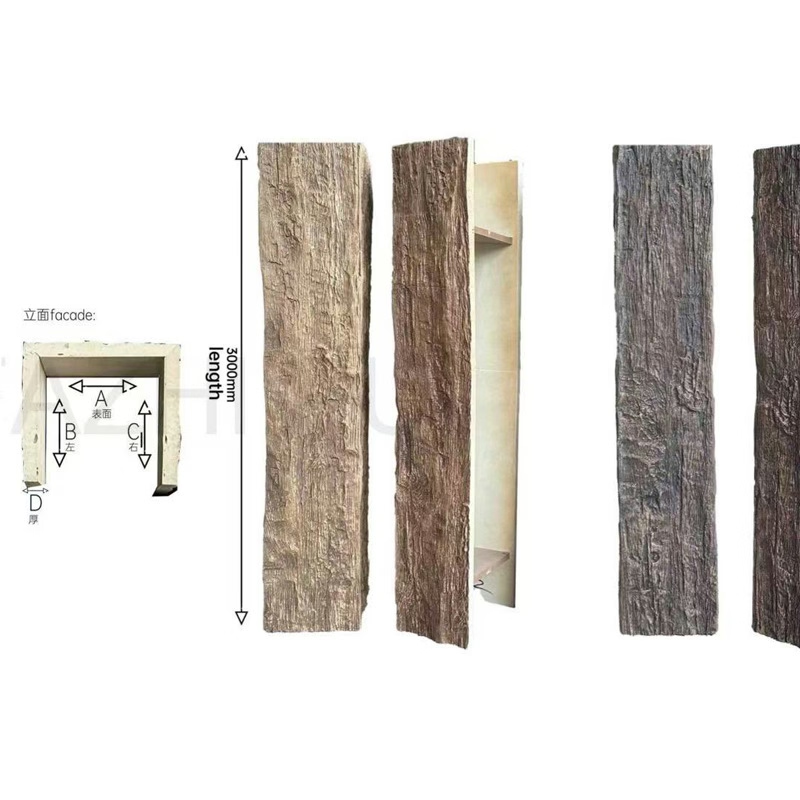
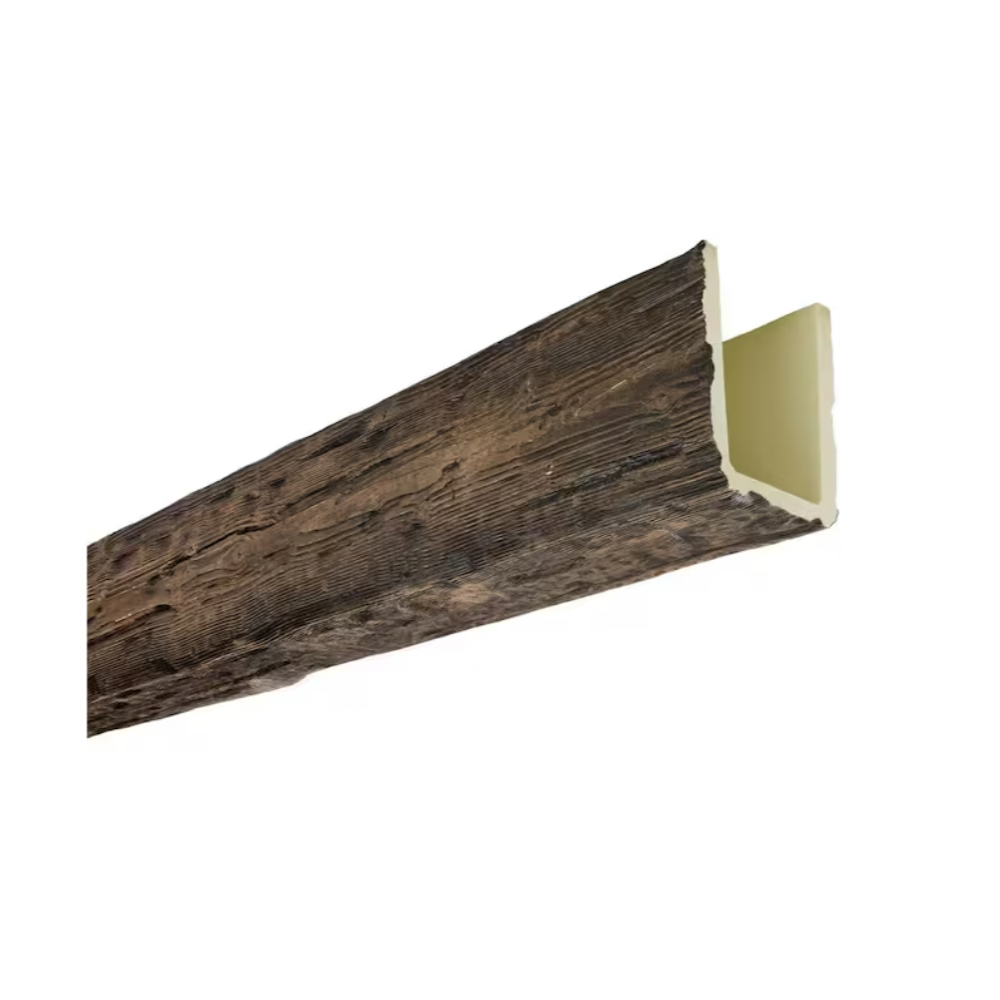
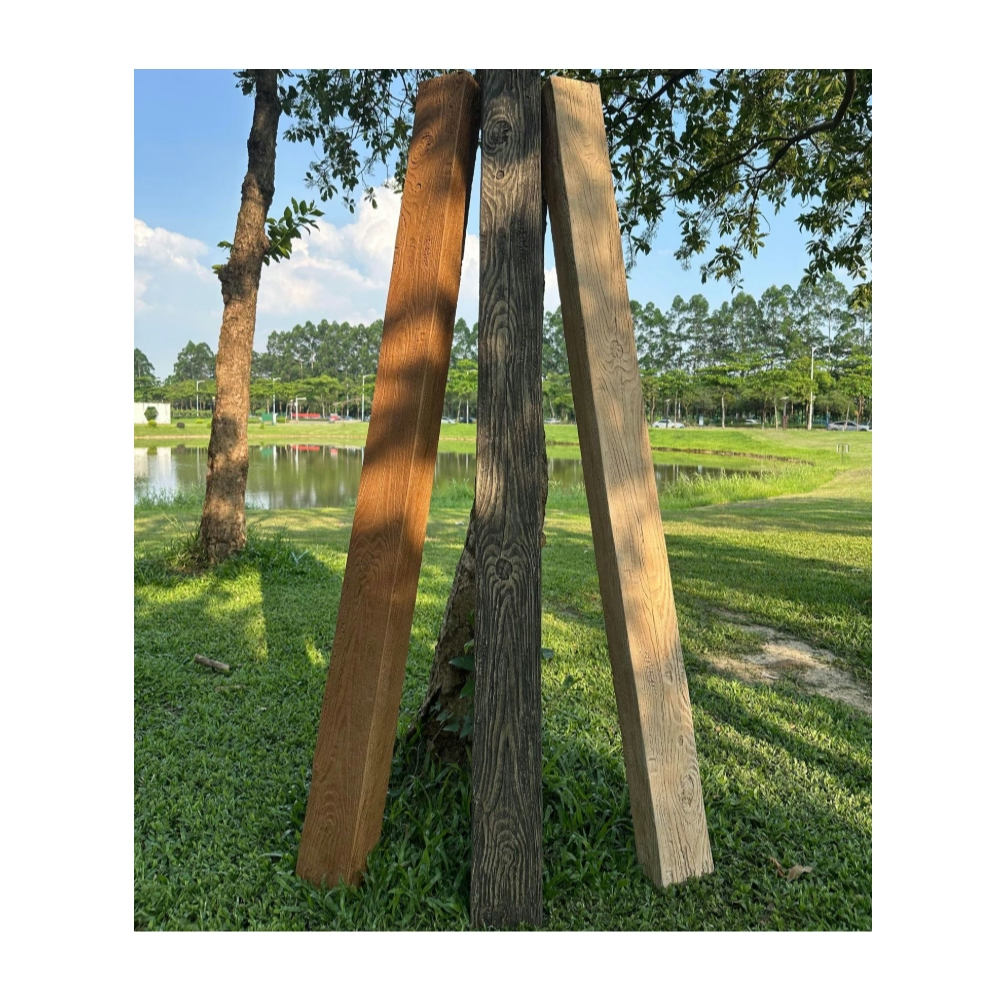
A dedicated polyurethane faux wood ceiling beam is one designed and manufactured specifically for interior farmhouse applications rather than adapted from a general-purpose beam line. The distinction matters because farmhouse interiors place particular demands on beams: warm color palettes, convincing texture, consistent cross-section dimensions across long runs, and the ability to integrate with other architectural elements like shiplap walls and fireplace mantels.
What "Dedicated" Means in Beam Manufacturing
A dedicated farmhouse beam line typically uses molds and finishing processes optimized for the warm wood tones and textured surfaces that farmhouse interiors require. The base resin formulation, pigment system, and surface tooling all work together to produce beams that read as authentic timber from the moment they're installed.
Generic beam products, in contrast, are often designed to span as many interior styles as possible, which results in compromises that don't serve any style particularly well. A beam that tries to look equally appropriate in a modern minimalist interior and a rustic farmhouse room tends to feel anonymous in both. Dedicated farmhouse beams don't have that limitation because they're designed around a specific aesthetic vocabulary.
Consistency Across the Beam System
One of the biggest practical advantages of dedicated faux wood beams is dimensional consistency. Real timber beams vary from piece to piece, even when they're specified to the same nominal dimension. The variation is part of timber's character, but it creates challenges in installation and finishing. Faux beams manufactured from the same mold produce pieces with identical cross-sections, which simplifies installation and produces cleaner joints.
Color consistency is similarly important. Real timber varies in tone even within a single piece, and the variation becomes obvious across multiple beams. Faux wood beams manufactured under controlled conditions produce pieces with highly consistent color. The variation that does exist is intentional, applied during the finishing process to suggest natural timber variation without the unpredictability of actual wood.
For larger projects that require many beams, this consistency becomes essential. A great room with eight to twelve ceiling beams needs all of them to read as a coherent system. Dedicated faux beams make this possible without the careful selection and sorting that real timber requires.
Authentic Texture and Surface Character
The surface texture on a dedicated farmhouse beam typically includes multiple elements working together. The base grain pattern is molded into the surface during manufacturing, with realistic pore structure and grain direction. Over that base, the manufacturer applies additional hand-worked texture that suggests saw marks, weathering, and the small irregularities that make real timber feel authentic.
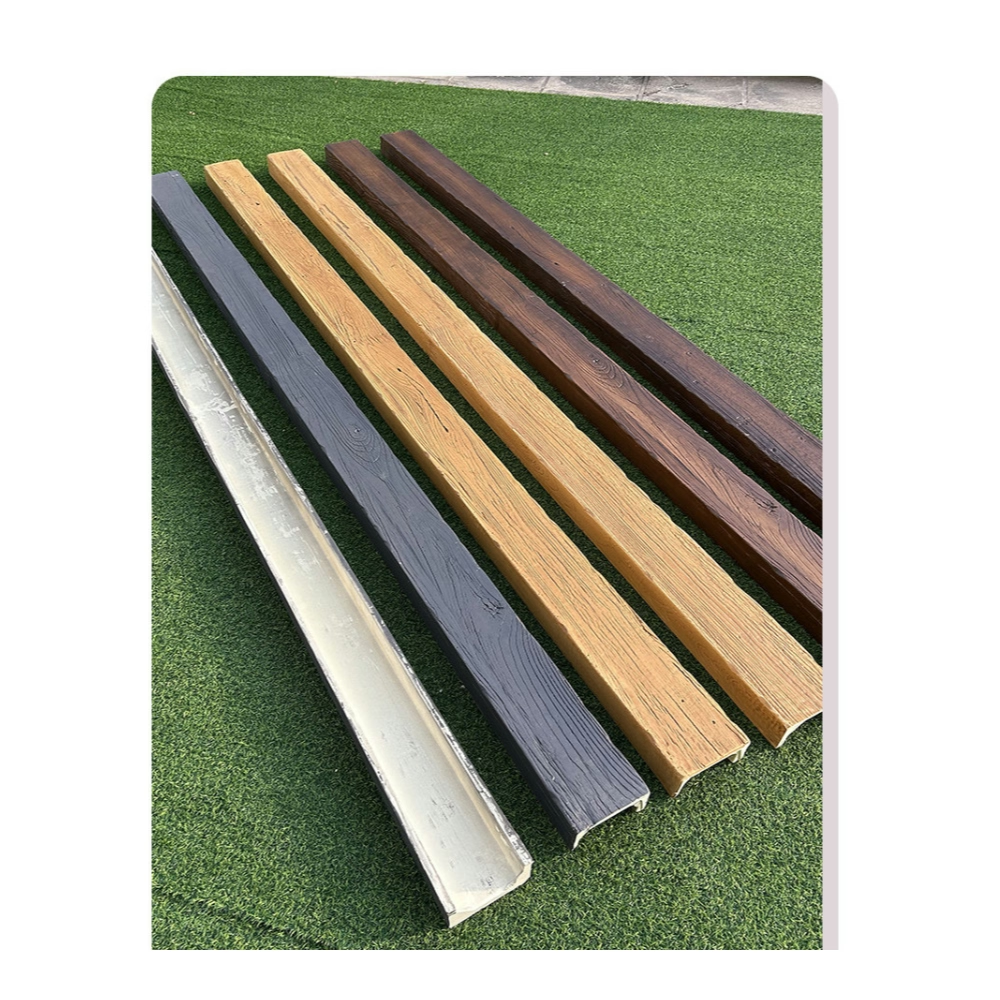
The finishing process adds another layer of character. Multi-tone color application produces the kind of variation that real timber shows, with slightly darker grain lines and lighter high points. Some manufacturers apply subtle glazing or highlighting techniques to enhance these natural-looking variations.
For the most authentic results, look for beams where the surface texture continues across the end caps and corner pieces. This is more difficult to manufacture but produces a much more convincing overall appearance. Beams where the texture stops abruptly at joints and corners look like the manufactured products they are, no matter how good the texture looks on the flat surfaces.
Color Families for Farmhouse Interiors
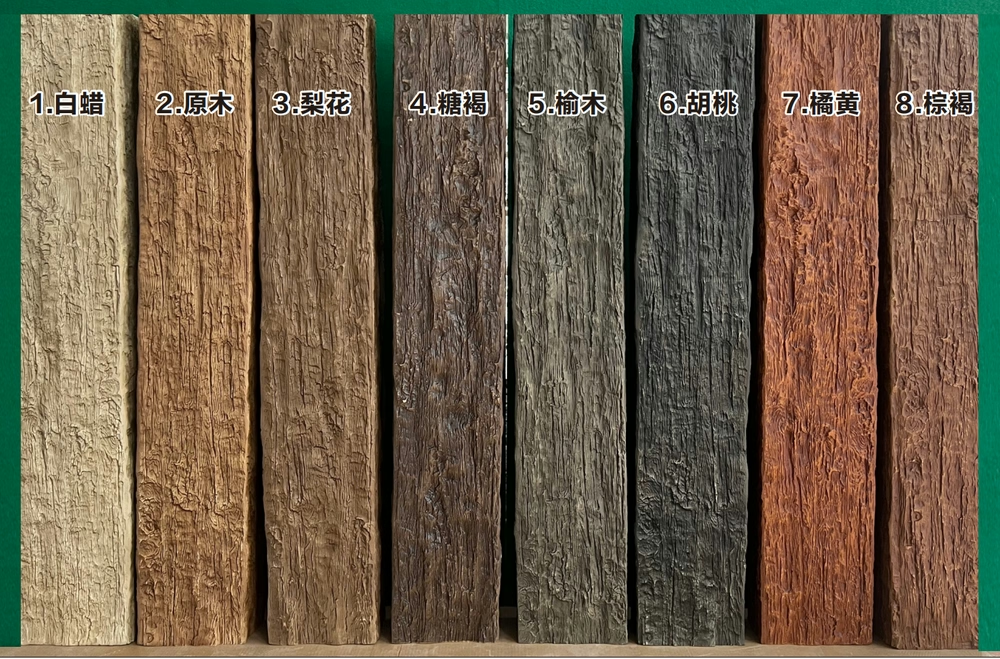
Several color families work particularly well for dedicated farmhouse beam installations. The warm walnut family includes tones from medium brown to deep chocolate, with red and amber undertones that suggest aged hardwood. These tones anchor traditional farmhouse interiors and provide a strong contrast against the cream and white walls common in the style.
The driftwood gray family includes tones from pale weathered gray to deeper silver-charcoal. These tones work in coastal farmhouse interpretations and in modern farmhouse designs that lean toward cooler palettes. The gray tones often include subtle warm undertones that prevent them from feeling cold or industrial.
The honey oak family includes tones from pale amber to deeper honey gold. These lighter tones work in brighter farmhouse interiors and pair particularly well with white shiplap walls and natural fiber rugs. They're also a good choice for ceilings that need to feel light rather than heavy.
Integration With Other Architectural Elements
A farmhouse interior relies on the conversation between multiple architectural elements. The ceiling beams work with shiplap walls, fireplace mantels, door casings, window trim, and sometimes flooring to create a coherent architectural language. Dedicated faux beams are designed with this integration in mind.
Cross-section dimensions are typically matched to standard timber dimensions used in other farmhouse millwork. A beam that pairs with a 6-inch mantel and 4-inch door casing will feel like part of the same architectural system. A beam with non-standard dimensions, even if it's beautiful on its own, may feel disconnected from the rest of the millwork.
Some manufacturers offer matching beam-related products like corbels, braces, and rafter tails in the same finish as their beams. These accessories allow the beam system to extend into the architectural details that support the farmhouse aesthetic. Using matching pieces from the same manufacturer ensures color and texture consistency across the entire installation.
Acoustic and Performance Considerations
Beyond appearance, dedicated interior beams offer practical performance benefits in residential applications. Polyurethane foam provides some sound absorption, which can help reduce echo in rooms with hard flooring and minimal soft furnishings. This acoustic benefit is modest but noticeable in rooms where the beams represent a significant portion of the ceiling surface.
The closed-cell foam structure also resists moisture, which matters in bathrooms, kitchens, and laundry rooms where farmhouse styling is increasingly popular. The beams don't warp, swell, or develop mold the way real timber can in these environments. This makes them suitable for installation throughout the home, including in rooms where real timber would be problematic.
For homes with radiant heating in the ceiling, faux wood beams don't interfere with the heating system's operation the way solid timber can. The foam doesn't conduct heat as readily as solid wood, and the hollow construction allows warm air to circulate around the beam rather than being blocked by it.
Installation Considerations for Dedicated Beams
Dedicated faux wood beams typically include detailed installation documentation that addresses the specific requirements of the beam system. Mounting hardware is often specified or even included with the beam purchase. Blocking requirements for ceiling mounting are described clearly. Junction details for cross-beam intersections and corner treatments are illustrated to help installers produce clean, professional results.
Following the manufacturer's installation documentation is particularly important for dedicated beam systems because the appearance depends on consistent installation details. Joint spacing, fastener patterns, and corner treatments all contribute to the final appearance. Deviating from the documented approach can produce a finished installation that doesn't look as good as it should.
For complex installations, many manufacturers offer technical support by phone or email to help installers work through challenging details. This support is particularly valuable for projects with vaulted ceilings, curved intersections, or unusual room geometries where standard installation approaches may need to be adapted.
Long-Term Performance and Satisfaction
The practical advantages of dedicated faux wood beams in farmhouse interiors translate directly into long-term homeowner satisfaction. The beams maintain their appearance year after year without the maintenance requirements of real timber. They don't develop cracks, they don't fade unevenly, they don't require refinishing. The farmhouse aesthetic remains intact with minimal effort from the homeowner.
For homeowners who chose their beams specifically for the farmhouse aesthetic, this longevity means the architectural character they wanted is preserved for the life of the home. The beams continue to anchor the interior design through furniture changes, color updates, and stylistic evolution, providing the structural warmth that defines the farmhouse look.
Technical References
ASTM standards cited in every specification
Test Data
Lab results from internal testing program
Updated 2026
Reviewed against current product specs