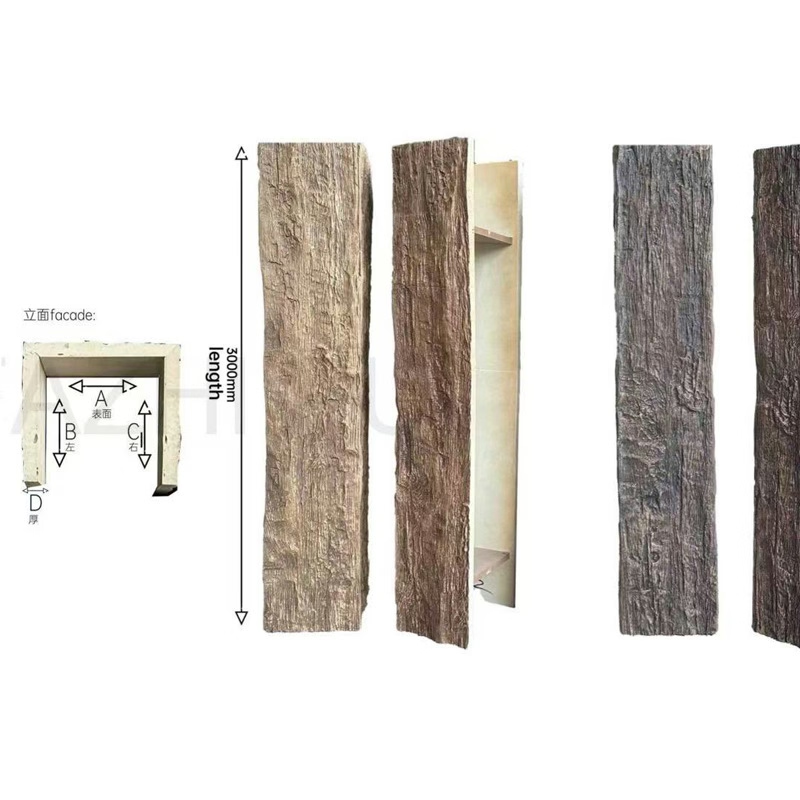
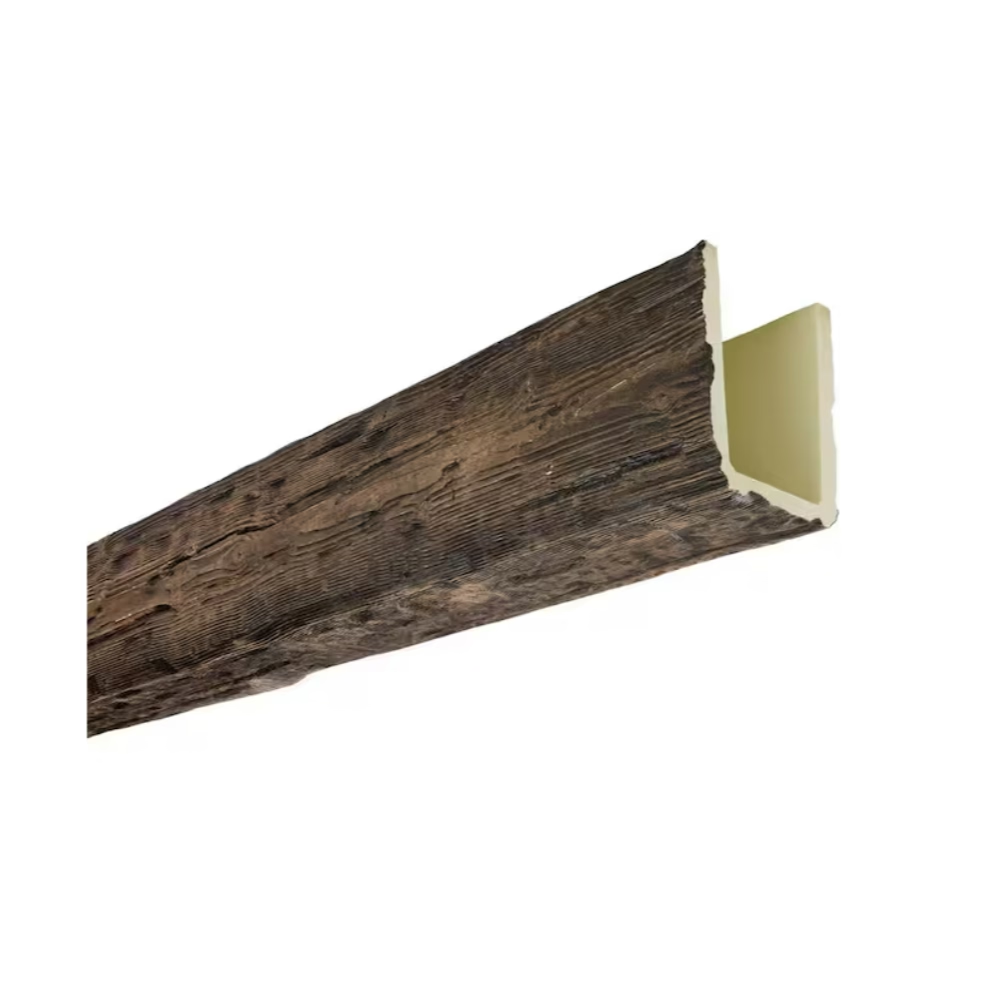
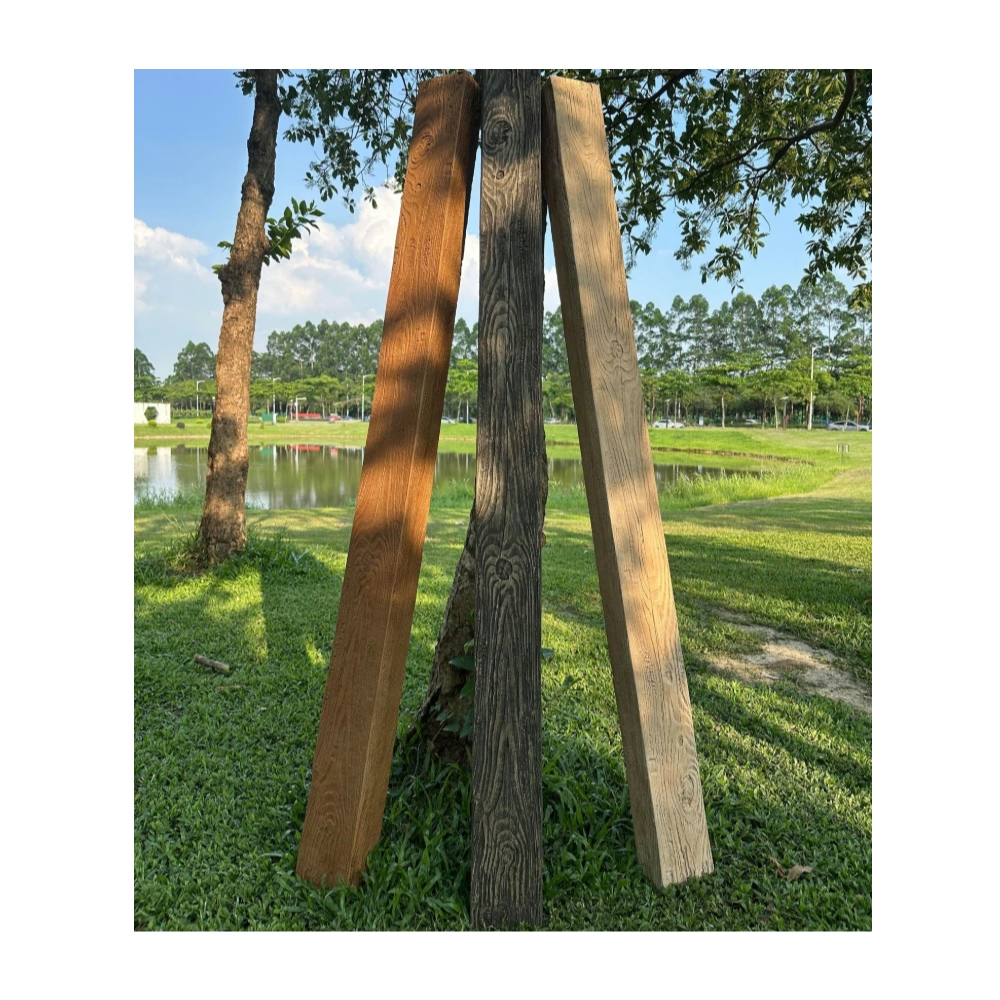
Finish and size are the two most visible ways beams get customized. Finish determines how beams look, including color, texture, sheen, and any surface treatments. Size determines the proportions and how beams relate to the space they occupy. Combining custom finish with custom size gives complete control over both appearance and proportion, enabling beam designs that exist nowhere else.
The combination matters because finish and size interact. A small beam with a dark, heavy finish can read as substantial and grounding. The same finish on a large beam might overwhelm a space. A large beam with a light, refined finish creates airy openness. The same size with a heavy finish creates different visual weight. Customizing both elements allows designers and homeowners to dial in exactly the visual effect they want.
Manufacturers who offer both finish and size customization provide more design flexibility than those who specialize in only one. The flexibility comes with additional complexity in the ordering process, but for projects where both finish and size matter, dual customization is the only path to the right result.
How dual customization works
Size specification includes length, width, height, and tolerances. Custom length beams fit specific ceiling dimensions without requiring on-site cutting. Custom width and height create proportions appropriate to the room scale. Tolerances define acceptable variation in the produced dimensions.
Finish specification includes base color, texture, sheen, and any special effects. The finish specification should be detailed enough to allow consistent production of multiple units. Reference samples, color codes, or physical mockups help communicate finish specifications accurately.
Mold creation or modification handles non-standard sizes. For projects with widths, heights, or profiles not in standard catalogs, custom molds are required. Mold creation adds cost and time but enables any size combination the project requires.
Sample production allows verification of both size and finish before full production. Samples confirm that the specifications translate into the desired product. Sample approval should cover both the size and finish dimensions of the specification.
Production runs following sample approval produce the full order. Quality control during production ensures consistency with the approved sample. Production scheduling accommodates the longer lead times that custom work requires.
Why dual customization matters
Standard sizes may not fit unique spaces. Rooms with unusual proportions, ceilings with non-standard heights, or layouts with architectural constraints often need beam sizes that catalogs do not offer. Custom sizes ensure that beams fit the space rather than forcing the space to accommodate the beams.
Standard finishes may not coordinate with other materials. Projects with custom floor finishes, unique cabinetry colors, or distinctive material palettes often need beam finishes that coordinate specifically with these other elements. Custom finishes provide that coordination.
Project-specific proportions balance ceiling-to-floor relationships. A room with a very high ceiling might need beams with proportions different from standard to look correct in the space. Custom sizing allows the beam proportions to match the ceiling proportions.
Visual weight control through finish and size combination allows designers to create specific effects. A heavy beam in a small space can be made to feel lighter through finish choices. A light beam in a large space can be made to feel more substantial through size or finish adjustments.
Brand expression in commercial spaces often requires both custom finish and custom size. Brand colors, brand proportions, and brand aesthetics may all need to be reflected in beam design. Dual customization supports brand expression in ways that single customization cannot.
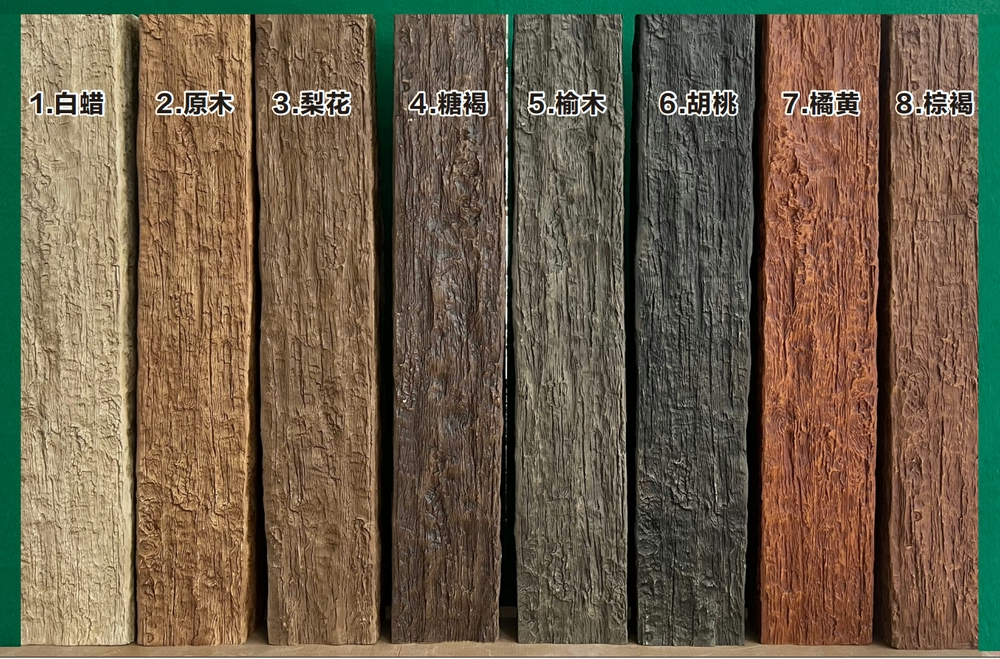
Size customization options
Length customization for specific ceiling dimensions. Beams can be cut to any length the project requires, within manufacturing limits. Long single-piece beams eliminate seams but may have shipping constraints. Multiple-piece installations with seams covered by joint blocks provide long visual lengths without long individual pieces.
Width customization for the visual width of the beam face. Standard widths range from narrow to wide, but unique spaces sometimes need widths outside the standard range. Wide beams create more visual presence; narrow beams create more delicate visual effect.
Height customization for the depth of the beam from the ceiling surface. Standard heights work for most installations, but high ceilings may benefit from taller beams, and low ceilings may need shorter beams to avoid overwhelming the space.
Profile customization for the cross-sectional shape of the beam. Standard profiles include rectangular, slightly rounded, and heavily contoured options. Custom profiles can match any architectural style or design intent.
Thickness customization for the wall thickness of hollow beams. Thicker walls provide more structural strength but add weight and material cost. Thinner walls reduce weight but limit the spans the beam can cover. Custom thickness balances structural needs with practical constraints.
Finish customization options
Base color selection from virtually unlimited possibilities. The base color of the beam establishes the overall appearance. Custom colors can match specific paint colors, stain colors from any manufacturer, or unique colors developed for the project.
Texture customization for surface appearance. Texture can be specified from subtle to bold, depending on the design intent. Custom textures can replicate specific wood species, aged conditions, or invented surfaces.
Sheen customization from matte to high gloss. Sheen affects how the beam reflects light and how the finish ages over time. Matte finishes show fewer imperfections but can be harder to clean. Gloss finishes are easier to clean but show more imperfections. Custom sheen levels can be specified.
Special effects including distressing, glazing, weathering, and aging. These effects add visual interest and authenticity to beams. The specific effects can be tailored to match the project's aesthetic direction.
Topcoat customization for protection and appearance. Topcoats protect the finish underneath while contributing to the final appearance. Matte, satin, semi-gloss, and gloss topcoats provide different levels of protection and visual effect. Custom topcoat specifications ensure the right balance for the installation environment.
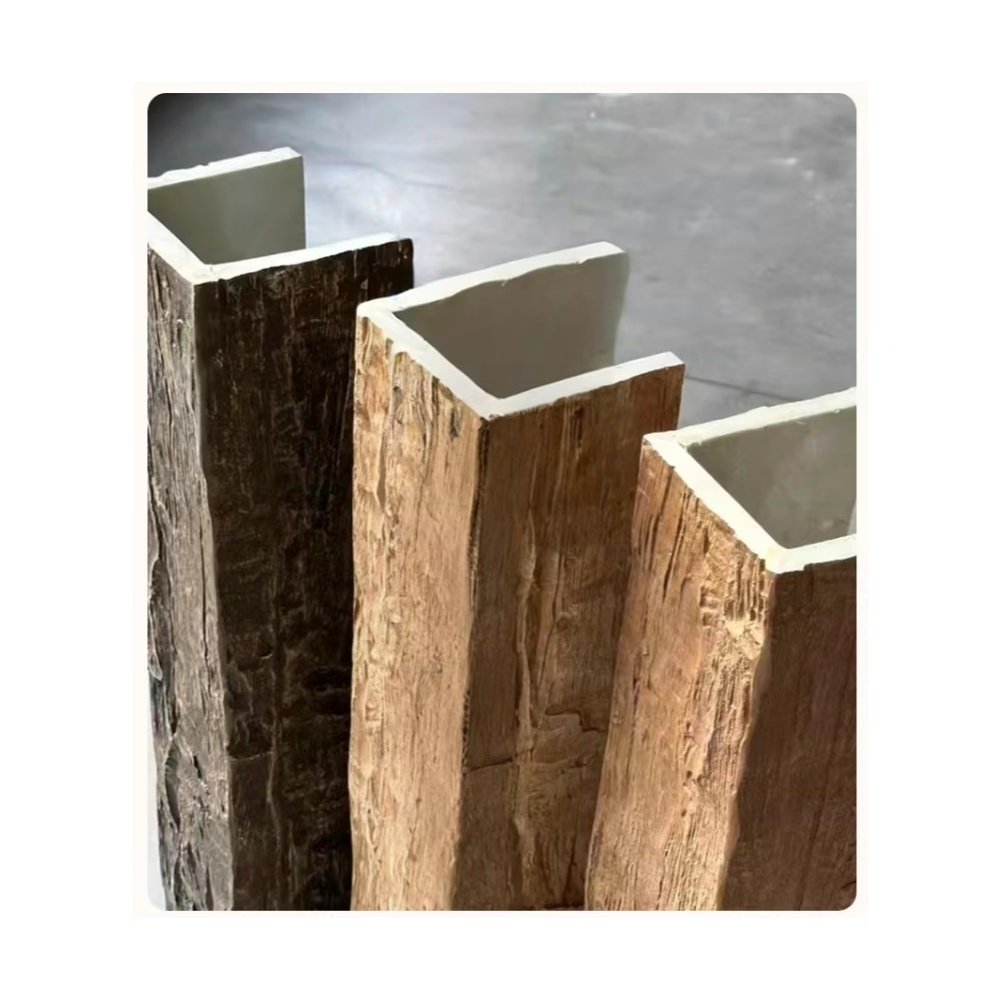
Coordinating size and finish
Small spaces benefit from proportion adjustments that prevent overwhelming. Smaller cross-sections with lighter finishes can add warmth without crowding. Custom sizing and finishing allows this fine-tuning without settling for catalog products that are close but not quite right.
Large spaces benefit from proportion adjustments that provide appropriate visual weight. Larger cross-sections with richer finishes create the presence that large spaces require. Custom sizing and finishing provides the scale that the space demands.
Ceiling height considerations affect both size and finish. High ceilings can accommodate taller beams with bold finishes. Low ceilings need shallower beams with refined finishes to avoid feeling oppressive.
Lighting design coordination ensures that beam proportions work with planned lighting. Recessed lights in beams require specific internal dimensions. Pendant lights hung from beams require adequate structural capacity. Surface-mounted lights on beams need appropriate face dimensions.
Adjacent material coordination ensures that beam size and finish work with other materials in the space. Floor materials, wall finishes, furniture, and other architectural elements all relate visually to ceiling beams. Custom specifications enable coordination that standard products cannot provide.
Process for dual customization projects
Initial consultation with the manufacturer establishes feasibility. Not every size and finish combination is achievable or economical. Early consultation identifies any constraints before extensive specification work begins.
Detailed specification development refines the requirements. Specifications should include both size and finish details in manufacturing language. Visual references, physical samples, and clear descriptions all contribute to specification clarity.
Sample production verifies the specifications in physical form. Samples should show both size and finish accurately. Sample approval is the key milestone in the dual customization process.
Sample iteration refines the specifications until they match the project vision. Multiple iterations may be necessary to achieve the desired result. Each iteration brings the sample closer to the specification.
Production scheduling accommodates the longer lead times of dual customization. Custom molds, custom finishes, and quality verification all require additional time. Production should be scheduled to avoid project delays.
Cost considerations
Size customization costs vary by the degree of customization. Standard size adjustments are inexpensive. Truly custom sizes that require mold creation or modification are more expensive. The cost premium for size customization should be balanced against the value it adds to the project.
Finish customization costs vary by the complexity of the finish. Standard finish colors in custom quantities are inexpensive. Completely custom finish development with multiple special effects is more expensive. The premium for finish customization should reflect the unique value it provides.
Combined customization can offer cost efficiencies. When both size and finish are customized, some setup costs are shared between the two customizations. The combined premium may be less than the sum of separate customization premiums.
Mold ownership for size customization can provide long-term value. Custom molds are typically owned by the buyer, allowing reuse for future projects at lower per-unit costs. The mold investment pays off across multiple projects.
Total project cost should account for both customization premiums and standard product costs. Buyers comparing costs should consider what they would pay for the closest standard alternative, then evaluate the premium for customization against the value of getting exactly what they want.
Selecting a dual customization manufacturer
Production capability assessment confirms that the manufacturer can produce both custom sizes and custom finishes. Not all manufacturers have both capabilities. Buyers should verify capabilities before committing to a project.
Sample quality evaluation assesses the manufacturer's standards for custom work. Reviewing sample products from previous custom projects reveals the quality level the manufacturer can achieve. Quality that meets project standards is essential.
Communication capability assessment confirms that the manufacturer can manage the complexity of dual customization. Custom projects require more communication than standard orders. Manufacturers who respond promptly and thoroughly during inquiry are more likely to maintain communication throughout the project.
Timeline management capability ensures that the manufacturer can deliver within project schedules. Dual customization projects have longer lead times than standard orders. Manufacturers who provide realistic timelines and meet their commitments are more reliable partners.
Contract terms review protects the buyer's interests in the custom project. Contracts should clearly specify size, finish, quantity, delivery, payment, and warranty terms. Clear contracts prevent disputes and provide recourse if the manufacturer fails to meet obligations.
Technical References
ASTM standards cited in every specification
Test Data
Lab results from internal testing program
Updated 2026
Reviewed against current product specs