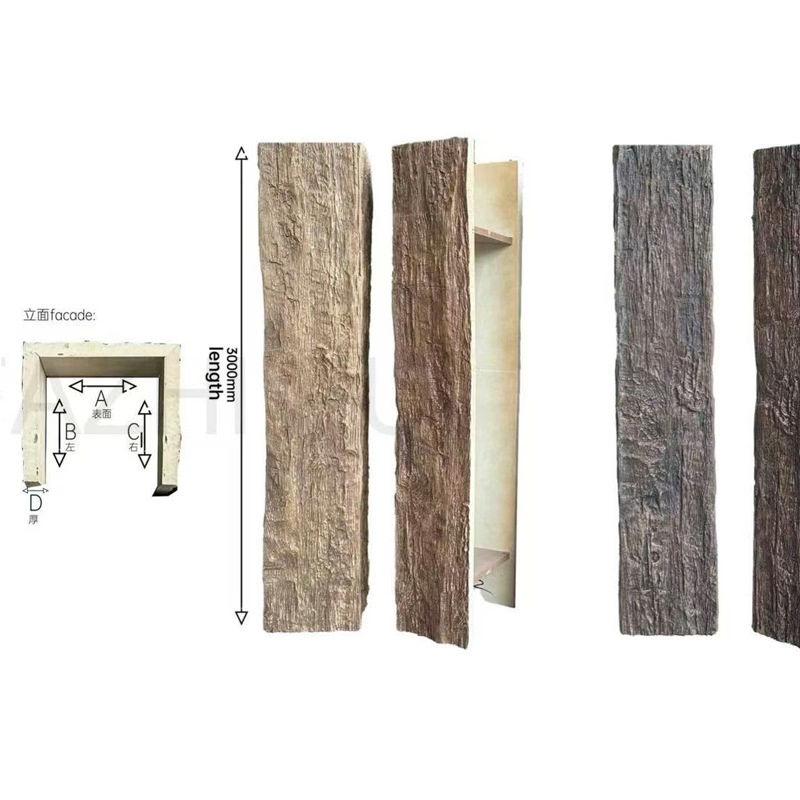
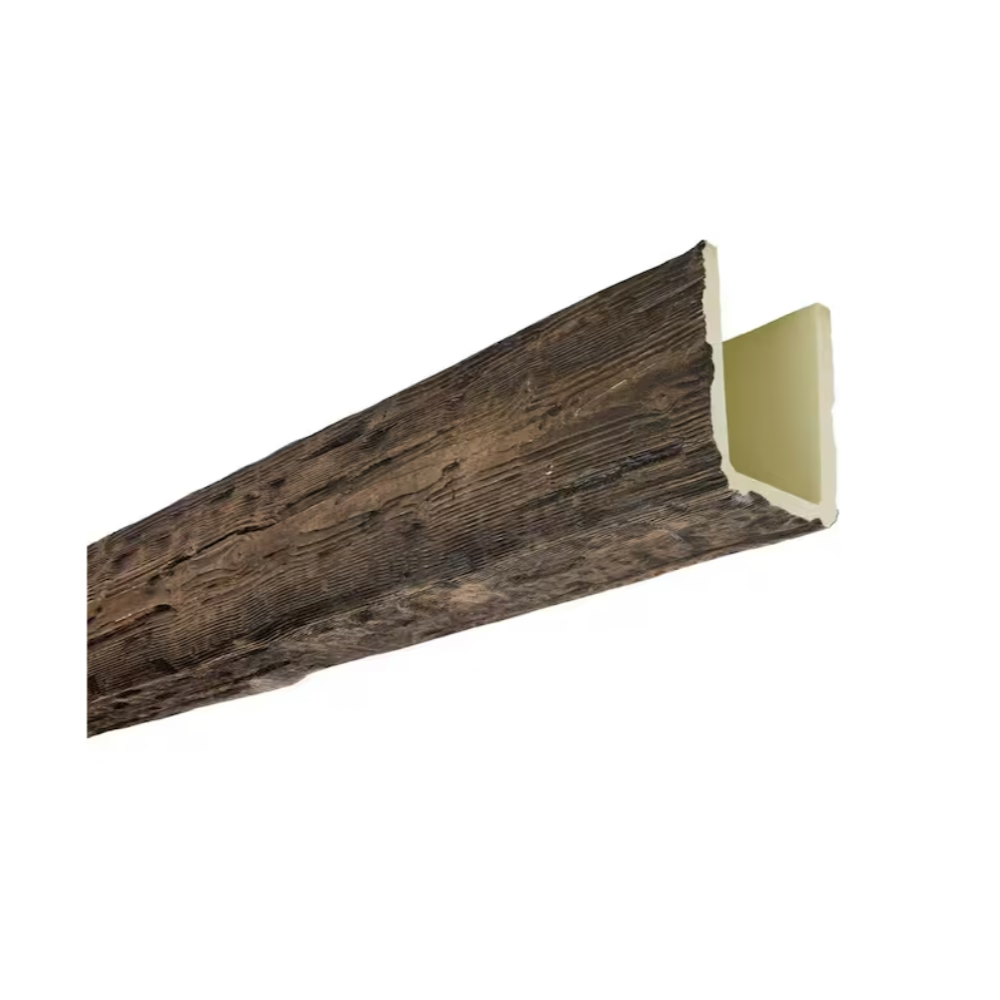
The dream of a rustic mountain retreat aesthetic seemed permanently out of reach for Sarah, whose 1960s suburban home featured flat drywall ceilings and absolutely no architectural character. Professional estimates for timber beam installation ranged from fifteen to thirty thousand dollars—more than her entire renovation budget allowed. Then she discovered polyurethane faux wood beams at a fraction of the cost, and transformed her unremarkable living room into a space that magazines featured in their "dream homes" issues. The total investment, including her own labor over two weekends, came to under two thousand dollars.
This transformation story repeats itself across thousands of renovation projects where polyurethane beams have democratized aesthetic ambitions previously reserved for wealthy homeowners. The cost differential between genuine timber and quality faux alternatives typically ranges from sixty to eighty percent, depending on the specific products and configurations compared. For budget-constrained projects, this savings enables investment in other improvements that complete the renovation vision.
Understanding where to economize and where to invest ensures that budget-conscious projects achieve the desired aesthetic without compromising quality. Not all polyurethane beams offer equivalent value, and strategic product selection separates successful budget projects from disappointing compromises.
The Economics of Faux Wood Beam Selection
Material cost comparison between natural timber and polyurethane alternatives reveals the fundamental economic advantage of synthetic options. Solid hardwood beams command premium prices reflecting the cost of timber, milling, and finishing labor. Reclaimed wood adds retrieval and restoration costs to an already expensive base. Polyurethane production involves raw materials and manufacturing processes that yield finished products at substantially lower cost.
Installation cost differences amplify the material savings. Natural timber beams often require structural engineering evaluation, specialized lifting equipment, and multiple workers for safe handling. Polyurethane beams of equivalent visual impact weigh a fraction of their timber counterparts, enabling single-person installation using simple tools and common hardware. This labor savings often exceeds the material cost difference.
Maintenance cost projections over the beam lifetime further favor polyurethane alternatives. Natural wood requires periodic refinishing, pest treatment, and moisture management throughout its service life. Quality polyurethane products maintain their appearance without ongoing maintenance investment beyond occasional cleaning. When lifetime costs are properly accounted, the economic advantage of faux beams extends beyond initial installation.
Finish quality in budget polyurethane beams requires careful evaluation. The cheapest products may exhibit visible mold lines, inconsistent coloration, or surface imperfections that compromise the authentic appearance. Investing slightly more in products with superior surface quality ensures results that justify the renovation effort without dramatically increasing total project cost.
Planning a Budget-Conscious Installation
Scope definition establishes realistic expectations for achievable results within available budget. Full ceiling coverage with beams may exceed budget constraints, making partial treatment—perhaps beams spanning only the main visible section—a reasonable alternative. Understanding which visual elements deliver the greatest impact per dollar spent guides scope decisions.

Dimension optimization balances visual impact against cost. Standard beam sizes offer the best value, while custom dimensions or unusual profiles command premium pricing. Working with available sizes often produces entirely satisfactory results without custom premium costs. Measuring existing space and understanding how standard sizes fit eliminates expensive modifications.
Finish selection affects both material cost and installation complexity. Primed beams ready for paint offer the lowest entry point, requiring only purchase and installation. Stain-finished products provide authentic wood appearance with minimal additional work. Factory-finished beams eliminate site finishing entirely but carry corresponding price premiums. Matching finish selection to available skills and budget determines the optimal choice.
Sourcing strategies influence final project cost significantly. Direct-from-manufacturer purchasing eliminates distributor margins but requires larger order volumes and longer lead times. Local distributor availability enables smaller purchases with faster delivery but at higher per-unit pricing. Online marketplaces offer convenience but require careful quality evaluation before purchase commitment.
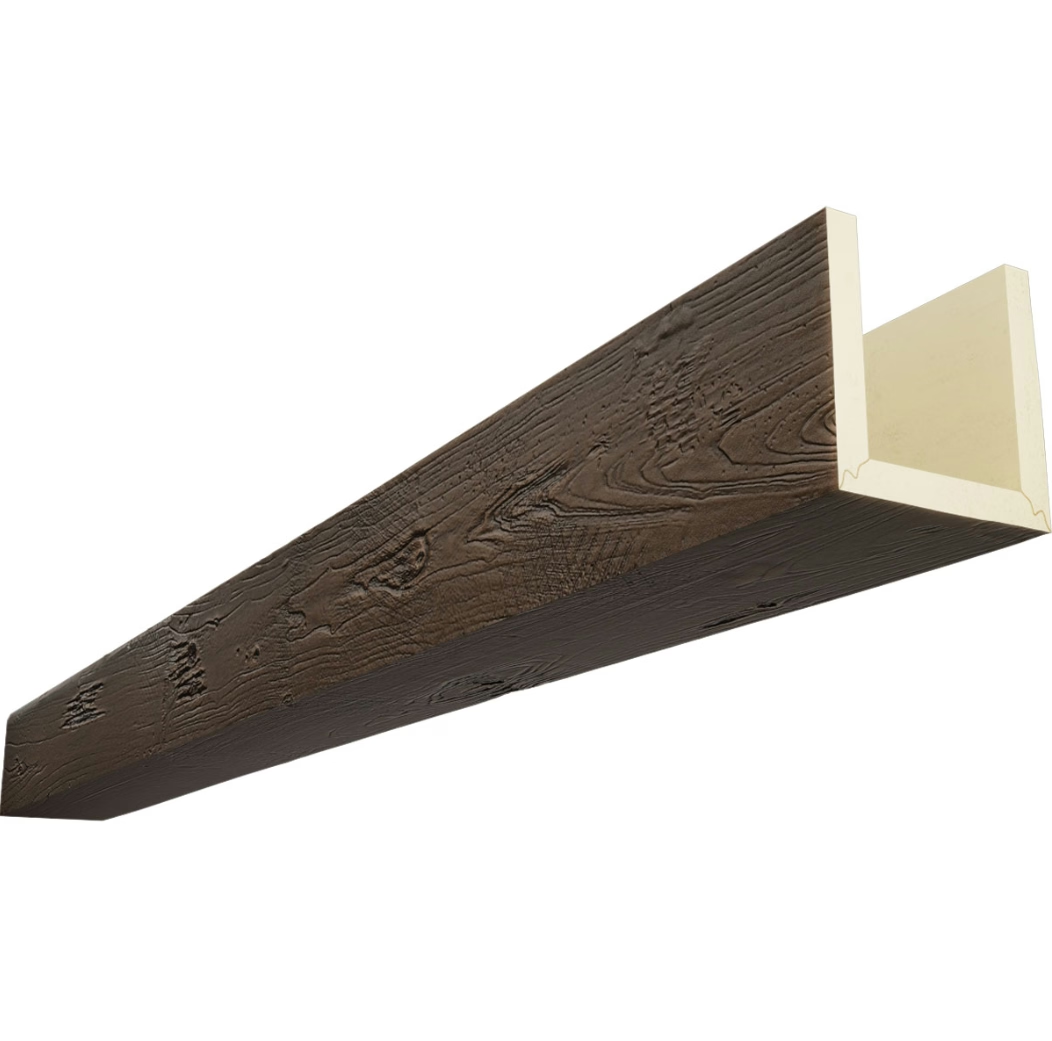
DIY Installation Techniques for Homeowners
Surface preparation determines installation success regardless of the mounting method selected. Existing ceiling conditions—paint quality, moisture damage, or structural issues—must be addressed before beam attachment. This preparation investment ensures secure mounting that lasts for decades without repair requirements.
Mounting system selection depends on ceiling construction and beam weight. Cleat systems work well with wood-framed ceilings where direct attachment to framing members provides secure mounting. Adhesive systems suit concrete and masonry surfaces where mechanical fastening proves difficult. Understanding which mounting approach applies to your situation prevents installation method mismatches.
Measurement and marking accuracy prove critical for professional-looking results. Laser levels and careful reference marks ensure that beam positioning creates the intended visual effect. Taking time to verify measurements before cutting or drilling eliminates costly errors that waste materials and require replacement purchases.
Seaming and finishing techniques distinguish professional results from amateur attempts. Proper joint treatment with backer materials and flexible sealants creates seamless connections that appear continuous. Practice on scrap materials builds confidence with finishing compounds and sanding techniques before applying to visible installations.
Achieving Premium Results on Moderate Budgets
Strategic placement maximizes visual impact from limited beam quantities. Running beams across the longest dimension of a room draws the eye and creates an impression of expanded space. Intersecting beams at focal points such as fireplaces or exposed kitchen hoods create visual anchors that anchor the design.
Paint and finish techniques enhance budget products beyond their original appearance. Custom staining can unify beams with existing woodwork, creating a cohesive appearance that suggests higher investment. Painting beams in contrasting colors establishes dramatic visual effects that command attention and shift focus from material limitations.
Lighting integration adds dimension and visual interest that elevates budget installations. Recessed lighting between beams, rope lighting within beam hollows, or surface-mounted fixtures directed at beam surfaces create dynamic visual effects. These lighting investments often cost less than comparable effects achieved through more expensive beam configurations.
Complementary design elements reinforce the rustic aesthetic throughout the space. Coordinating textures in furniture, fabrics, and accessories creates visual relationships that unify the design. These coordination investments cost little but contribute significantly to overall impression, making budget beam installations appear more substantial than their actual cost suggests.
Common Mistakes to Avoid
Underestimating required quantities leads to,补货 orders that delay projects and may result in color mismatches between batches. Calculating requirements with appropriate overage for cuts and mistakes prevents these complications. Fifteen percent overage accommodates typical waste while avoiding excessive surplus.
Choosing products based solely on lowest price guarantees disappointing results. Quality evaluation through sample examination before bulk purchase identifies problems before they affect completed installations. This investment in pre-purchase research separates successful budget projects from failures that cost more to remediate than they would have saved.
Ignoring weight ratings and load limits creates safety hazards when beams support fixtures or are installed in locations where falling would cause injury. Verifying that mounting systems exceed expected loads by appropriate safety margins ensures safe installations that protect occupants throughout the service life.
Rushing finishing processes compromises results that careful work would achieve. Allow adequate drying time between coats, follow manufacturer recommendations for application conditions, and resist pressure to accelerate timelines beyond what proper technique allows. Patient execution rewards installers with results that justify their renovation investment.
Technical References
ASTM standards cited in every specification
Test Data
Lab results from internal testing program
Updated 2026
Reviewed against current product specs