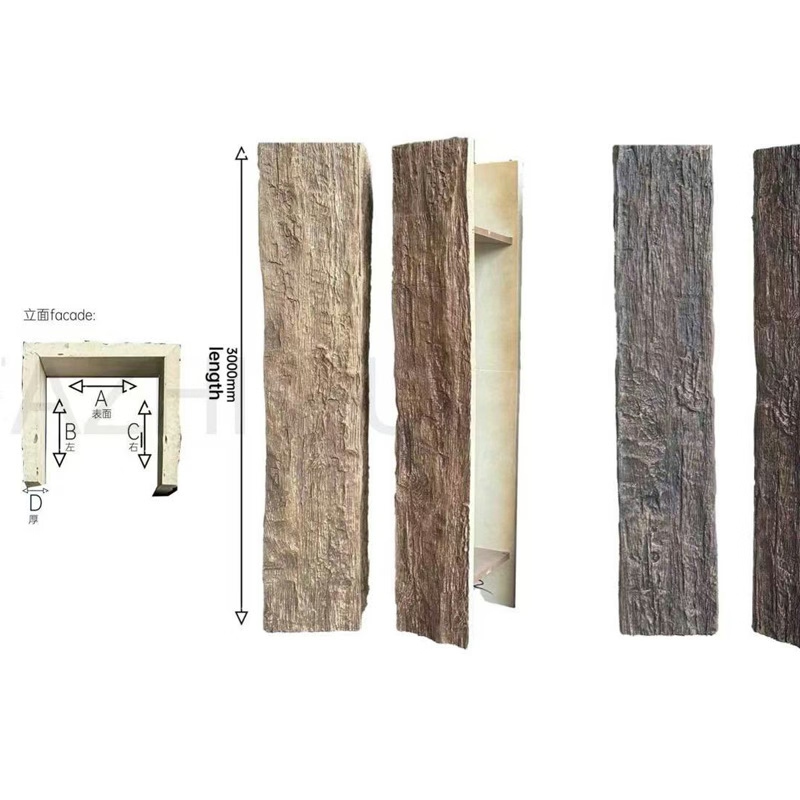
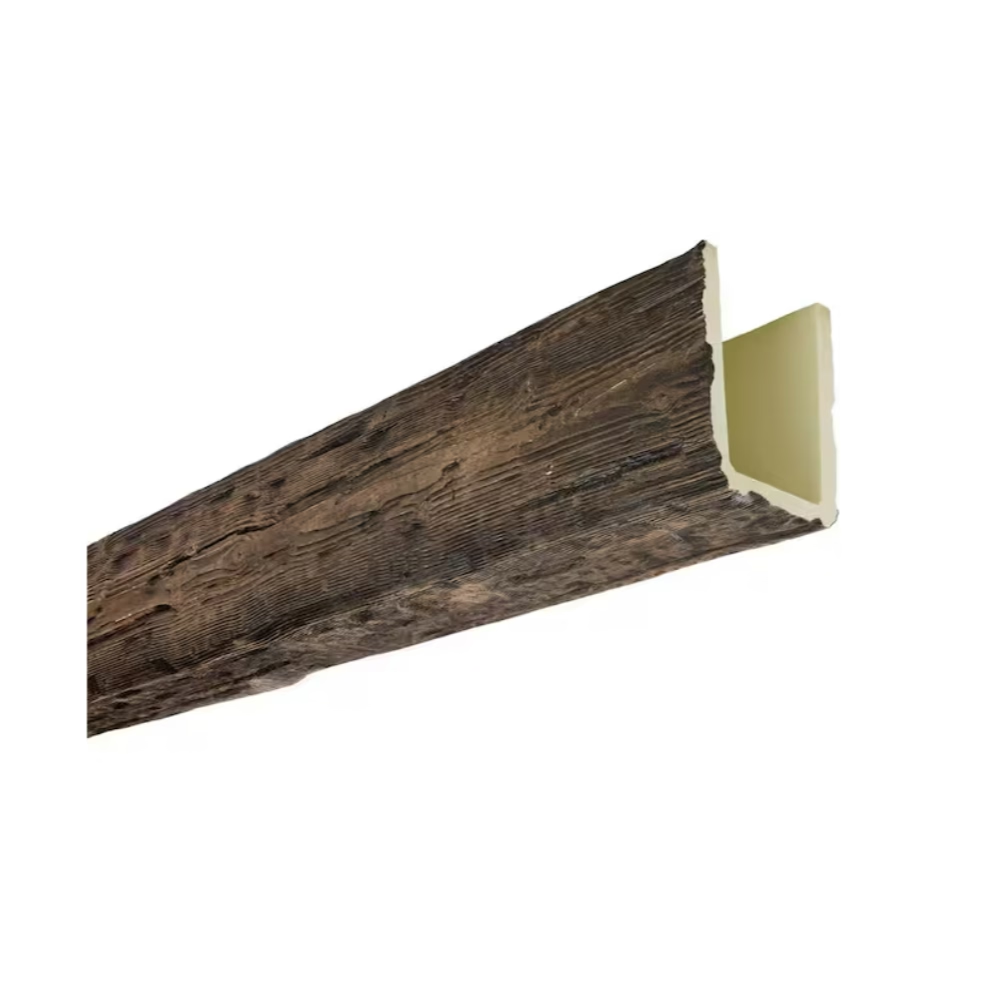
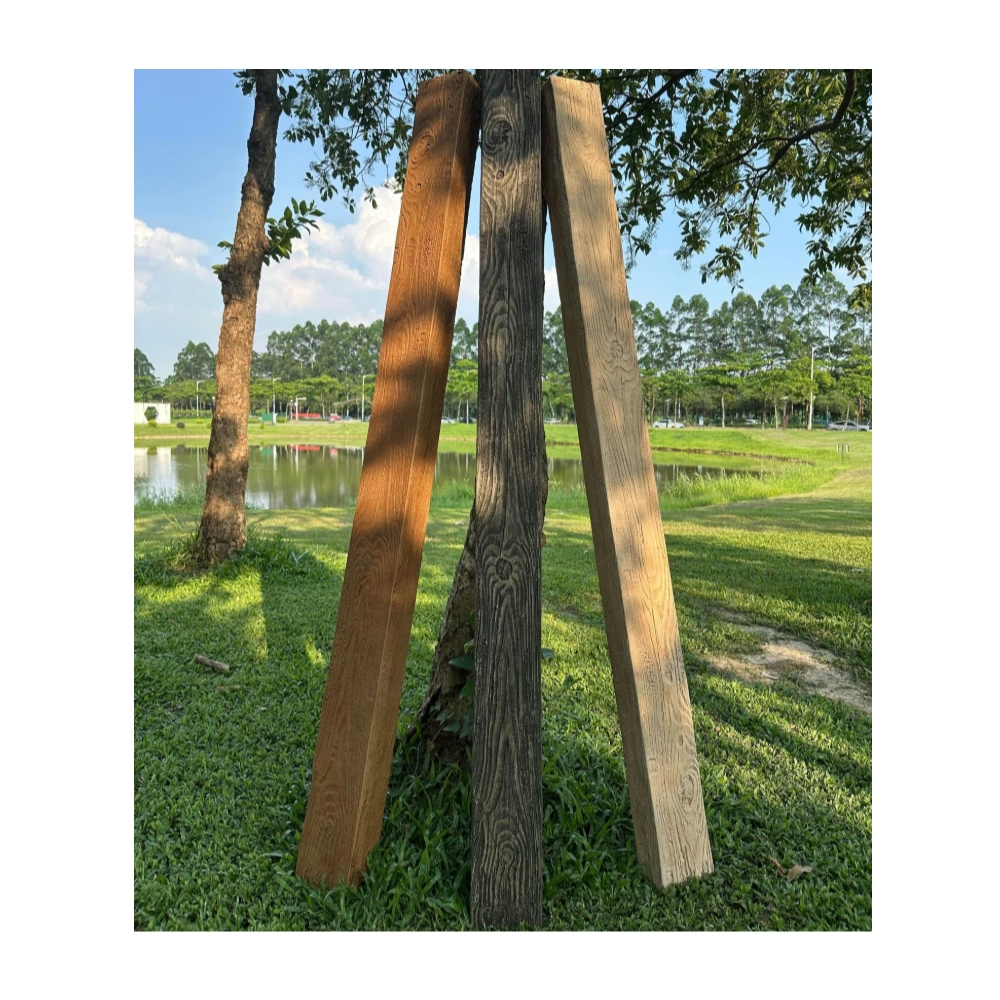
The model home sold itself before the development's website went live. Walking through the front door, visitors encountered a two-story great room with exposed faux beams spanning cathedral ceilings, natural light streaming through clerestory windows, and an atmosphere that felt simultaneously rustic and refined. The design team had achieved exactly what the developer requested—luxury presentation that generated offers before construction completed on the remaining units. The secret weapon: polyurethane beams that delivered magazine-quality aesthetics at a price point that preserved project margins.
Real estate development operates on thin margins where every specification decision affects either project profitability or market competitiveness. Premium features that generate buyer interest must be weighed against their cost and the competitive landscape that determines what buyers expect. Faux wood beams occupy an attractive position in this calculation: they generate significant visual impact per dollar invested while avoiding the maintenance complications that natural wood introduces into developer-controlled environments.
Understanding how beam specifications translate to market outcomes helps developers optimize their material selections. Not every property benefits equally from beam installations, and identifying which projects gain the most from this investment ensures efficient capital allocation across development portfolios.
Market Positioning Through Architectural Features
Buyer demographic analysis reveals which properties benefit most from beam installations. Luxury and upper-middle-market buyers expect architectural features that differentiate their purchases from commodity alternatives. Entry-level developments may not generate sufficient price premium to justify premium specifications. Matching beam investment to market positioning ensures appropriate returns on design expenditure.
Competitive analysis identifies which features comparable properties offer and where differentiation opportunities exist. When competitors have standardized granite counters and stainless appliances, beams represent genuine differentiation. When competitors already feature exposed timber, beam specification merely achieves parity rather than advantage. Understanding the competitive landscape guides feature investment decisions.
Local market preferences influence which architectural styles resonate with buyers. Rustic aesthetics dominate in mountain and coastal vacation markets while contemporary styles prevail in urban infill locations. Beam specifications should reinforce rather than conflict with neighborhood character that buyers value. Regional preferences vary significantly, and assumptions based on distant markets often prove incorrect.
Buyer persona development identifies which features appeal to specific demographic groups within the target market. Young families prioritize different features than retirees or young professionals. Understanding priority preferences enables concentration of investment where it generates the most buyer interest. Beam installations may appeal strongly to certain personas while leaving others unaffected.
Cost-Benefit Analysis for Development Projects
Per-unit cost calculation for beam installations must account for material, labor, and finishing expenses. Comparison shopping among suppliers reveals price ranges that inform realistic budgeting. Accuracy in cost estimation prevents unpleasant surprises that pressure other budget items or reduce project margins.

Value premium estimation requires understanding how buyers perceive beam features in pricing decisions. Consumer research, comparable sales analysis, and builder feedback provide insights into premium willingness. When buyers explicitly mention beam features in feedback, the value contribution becomes tangible. When beams generate no buyer response, the investment may not yield expected returns.
Developer experience with beam installations informs future project specifications. Projects where beams generated buyer interest and commanded premium pricing validate continued specification. Projects where buyers overlooked or rejected beams suggest specification adjustments or elimination. Systematic tracking of feature performance improves decision-making across development portfolios.
Maintenance cost implications for developer-controlled properties extend beyond initial sale. Model homes and common areas that developers maintain benefit from beam durability that reduces ongoing care requirements. This advantage is more significant when developer associations maintain amenities across extended periods rather than immediately transferring maintenance to homeowner associations.
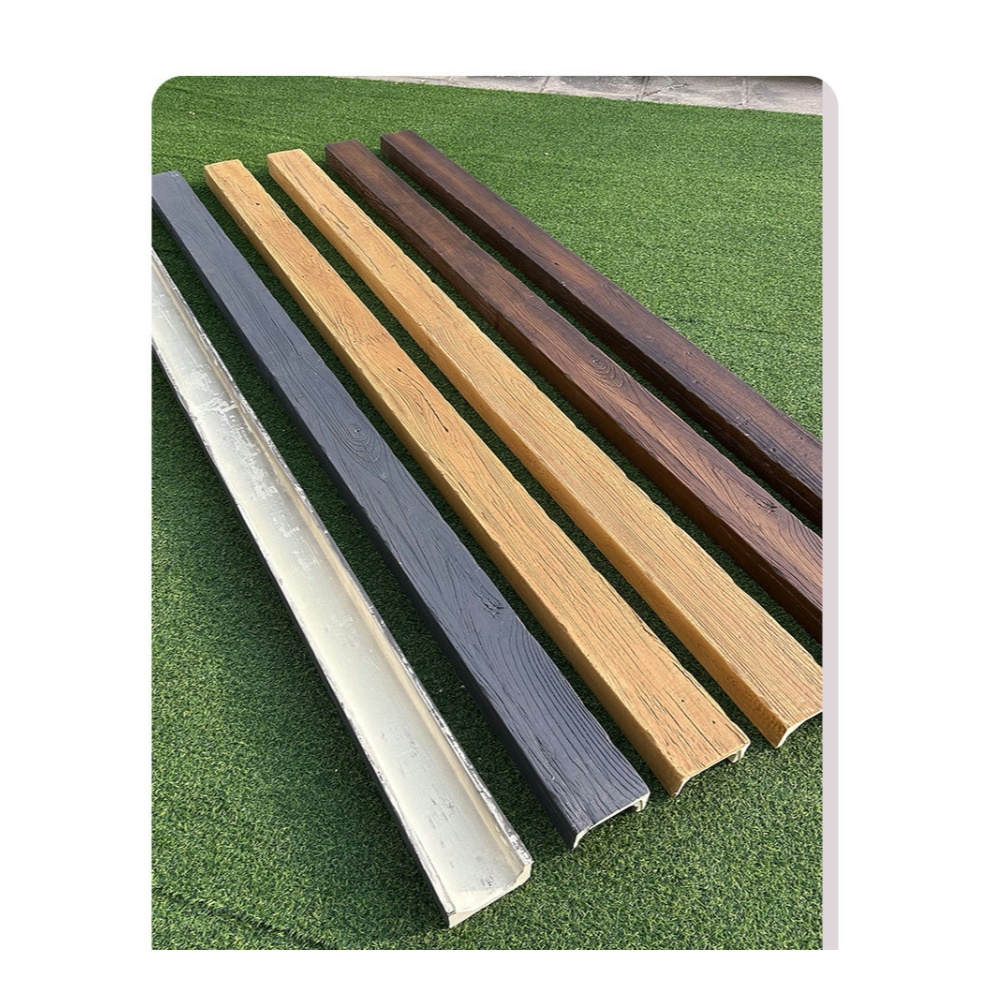
Design Integration Strategies
Architectural coordination ensures beam installations integrate with other design elements throughout the project. Ceiling heights, wall configurations, and lighting layouts should accommodate beam specifications rather than forcing compromises that compromise either element. Early design engagement identifies integration opportunities that late-stage additions cannot achieve.
Model home strategies establish aesthetic direction that guides subsequent unit specifications. Feature-rich model presentations generate buyer interest that drives sales velocity and price achievement. Subsequent units may offer simplified beam treatments or options that enable buyer customization while maintaining overall community aesthetic.
Options and upgrades packages enable buyer selection of beam features where base specifications do not include them. This approach matches investment to buyer preference, avoiding over-specification for buyers who do not value beams while capturing premium from those who do. However, options complicate construction and require disciplined management to prevent delays.
Community standards ensure consistent beam specifications across multiple lots or buildings within developments. HOAs or developer covenants can specify beam treatments that maintain community character while allowing individual expression within established parameters. This approach protects property values by preventing inappropriate modifications while enabling personalization.
Construction Management Considerations
Trade coordination for beam installation affects overall project scheduling and labor costs. Framing completion must precede beam installation while painting and finishing must follow. Identifying these dependencies during planning ensures appropriate scheduling that avoids delays or damage from overlapping trades.
Quality control during beam installation protects developer investment from deficiencies that would require remediation or price concessions. Inspection checkpoints at key stages identify problems before they become expensive corrections. Documented quality standards enable consistent expectations across different installation crews.
Supplier relationships for development projects benefit from volume commitments that lower per-unit costs. Establishing preferred vendor relationships before project commencement enables pricing advantages and priority allocation during supply constraints. These relationships also provide support resources when installation questions arise.
Warranty documentation transfer to homeowners ensures that extended coverage benefits transfer with property ownership. Tracking warranty periods, understanding coverage terms, and providing documentation to new owners protects buyer interests while reducing developer liability for post-sale issues.
Long-Term Value Considerations
Community appearance maintenance depends on beam installations that age gracefully without demanding extensive care. Quality products that maintain appearance over years protect community character that supports property values throughout the development lifecycle. This consideration favors quality specification despite higher initial cost.
Resale value implications affect homeowner investment decisions and developer marketing claims. Features that contribute to resale value enable premium pricing claims that benefit both developers and homeowners. Features that complicate resale may generate short-term buyer interest while creating long-term marketing challenges.
HOA maintenance planning for common area beams should address cleaning, repair, and replacement needs. Establishing maintenance reserves that anticipate these costs prevents special assessments that strain community finances. Preventive maintenance extends service life while reducing long-term cost of ownership.
Builder warranty considerations for developer-constructed homes require attention during specification selection. Products with established track records and comprehensive warranty coverage reduce warranty claim exposure. Newer products with limited history may generate unexpected failures that exceed warranty coverage.
Technical References
ASTM standards cited in every specification
Test Data
Lab results from internal testing program
Updated 2026
Reviewed against current product specs