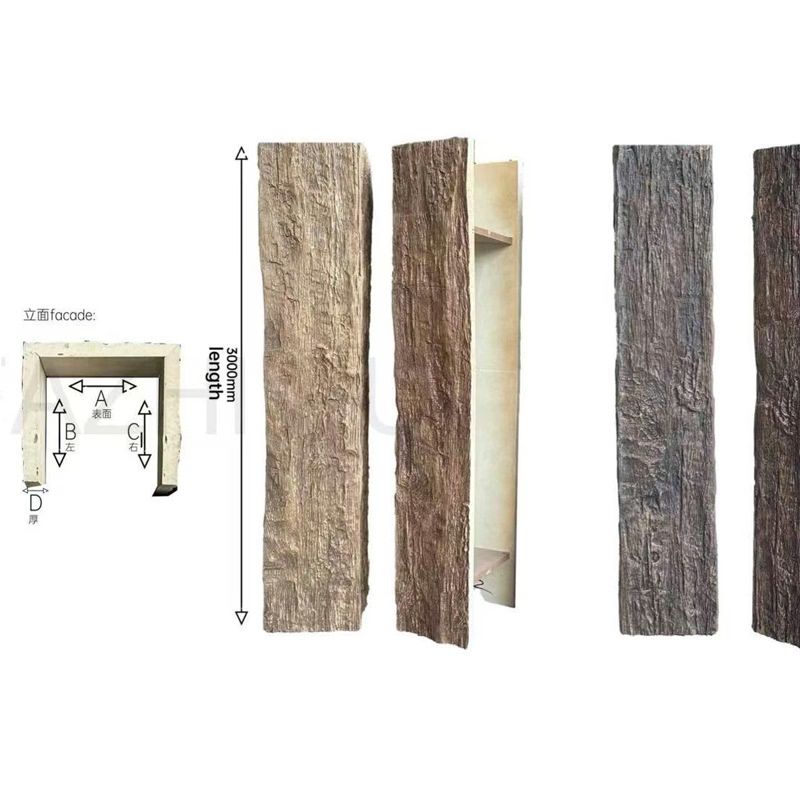
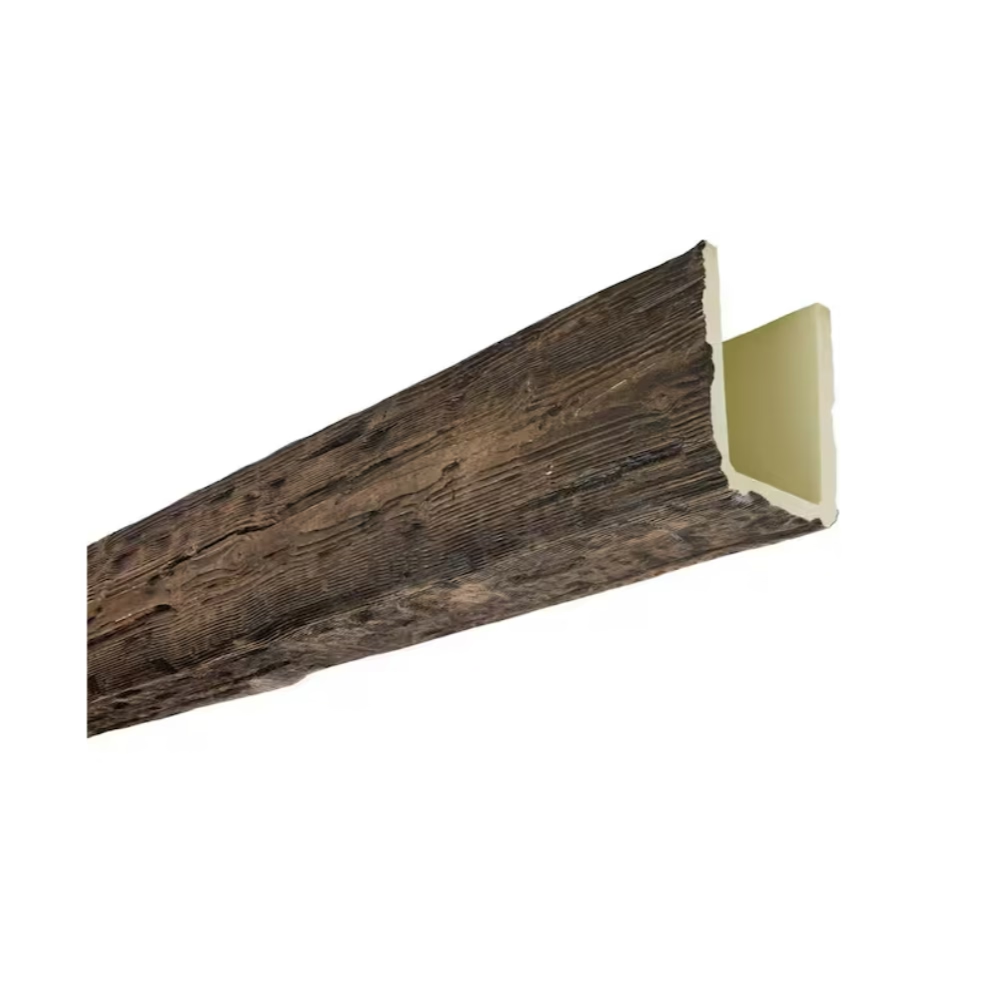
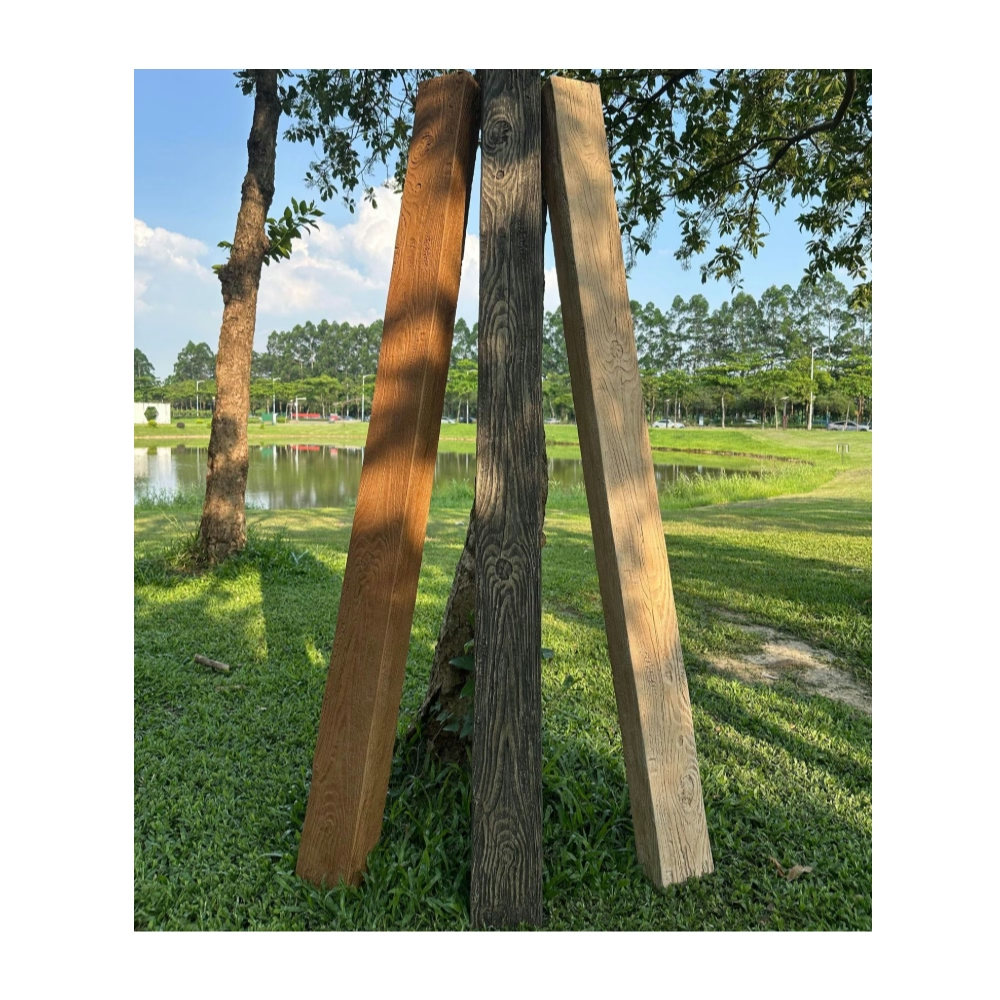
Residential renovation projects offer homeowners opportunities to personalize their living spaces in ways that new construction cannot match. The decision to renovate typically follows years of living with existing conditions, building accumulated dissatisfaction that motivates the investment required to create truly satisfying environments. When those renovations include ceiling treatments, the specification of beam elements can transform ordinary rooms into spaces with genuine architectural character and visual warmth.
The renovation context differs from new construction in important ways that affect material selection. Existing building conditions constrain what can be achieved, with ceiling heights, structural elements, and utility runs limiting design options. Installation must often proceed around furnishings and finishes that remain in place. The disruption created by renovation activities motivates solutions that minimize installation time and complexity. Indoor-grade polyurethane faux beams address these renovation-specific concerns while providing the aesthetic benefits that make beam installations worthwhile.
The term "indoor-grade" distinguishes these products from materials designed for exterior exposure or demanding commercial applications. Interior conditions—moderate humidity, consistent temperatures, protection from direct weather exposure—allow optimization of cost and performance characteristics differently than exterior or industrial applications would require. Understanding these optimizations helps homeowners and their professional advisors select appropriate products for residential renovation applications.
Renovation-Specific Advantages
Installation speed represents one of polyurethane beams' most valuable advantages in renovation contexts. Homeowners rarely welcome extended renovation periods that disrupt their daily lives. The lightweight handling characteristics of polyurethane beams, combined with straightforward fastening systems, enable rapid installation that completes within days rather than the weeks that custom wood fabrication might require.
The ability to install beams over existing finishes eliminates preparation work that would otherwise extend project timelines and increase costs. Where genuine timber beams might require structural reinforcement of existing ceilings, specialized mounting systems, or extensive finishing work, polyurethane beams attach directly to existing surfaces using standard construction techniques. This installation simplicity translates directly to reduced labor costs and faster project completion.
Dust and debris generation during renovation affects how long homes must be evacuated during work. The cutting and drilling required for polyurethane beam installation produces minimal airborne particles compared to wood milling or masonry work. This characteristic proves valuable when homeowners continue occupying portions of the home during renovation activities.
Common Residential Applications
Living room and great room renovations frequently incorporate beam installations that address ceiling heights and spatial proportions. Vaulted ceilings that would otherwise feel cavernous become intimate when appropriate beam treatments establish human scale. Flat ceilings that feel oppressive gain visual interest when beam patterns create the impression of timber-framed construction. These transformations fundamentally change how rooms function emotionally while potentially increasing property values.
Kitchen renovations benefit from beam installations that add warmth to spaces often dominated by hard surfaces and stainless steel appliances. The visual warmth of wood-appearing beams creates counterpoints to kitchen functionality, establishing dining areas within open-plan kitchen designs or providing visual anchors above kitchen tables and islands. These aesthetic contributions make kitchens more pleasant to use and more attractive to potential buyers.
Bedroom ceiling beams create private sanctuaries that feel distinctly different from ordinary residential ceilings. Master bedroom renovations particularly benefit from beam treatments that establish retreat-like atmospheres. The texture and visual depth that beams provide contributes to sleep quality by creating environments that feel enclosed and secure rather than exposed and institutional.
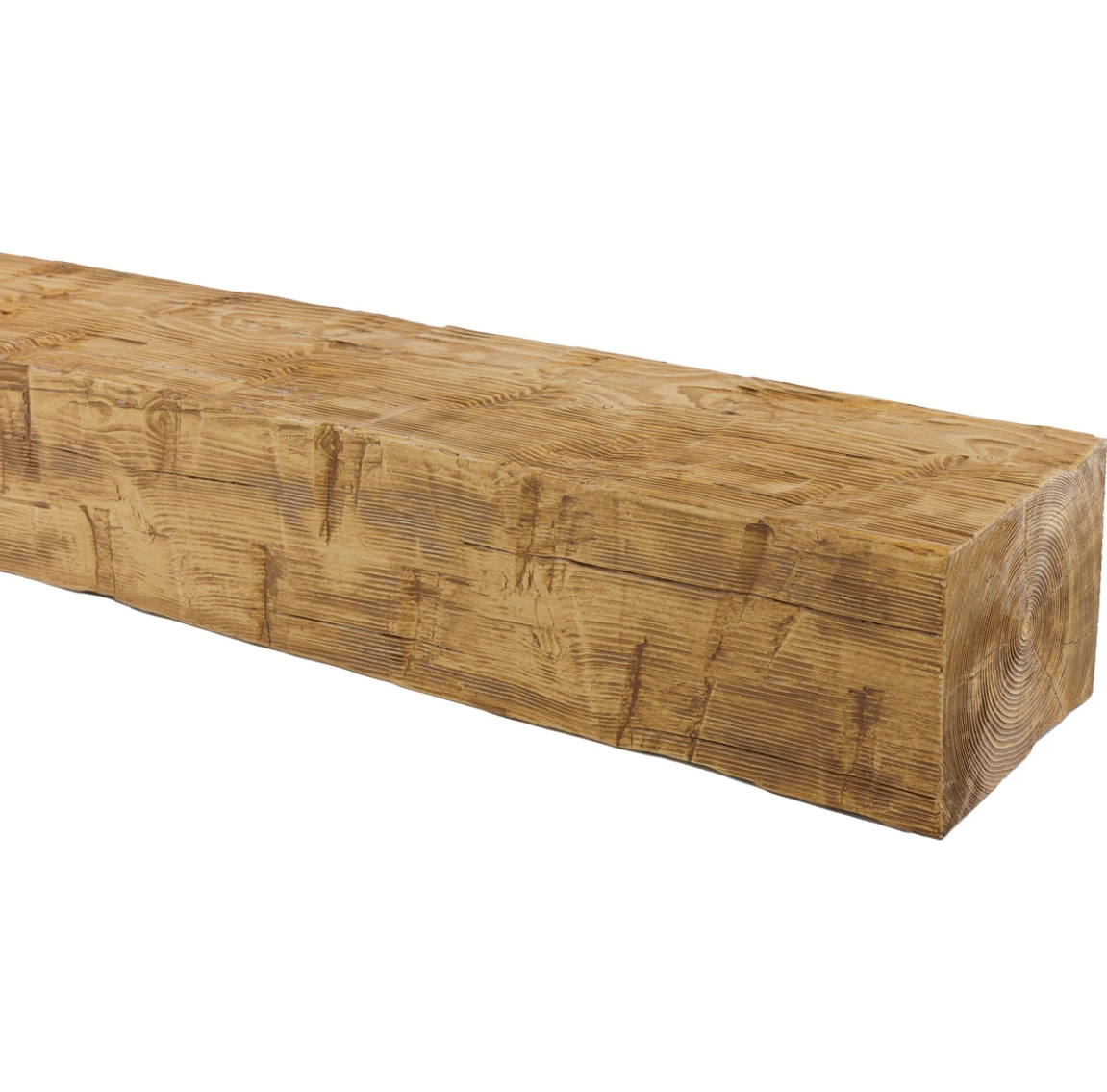
Design Integration Approaches
Matching beam style to existing architectural elements ensures cohesive renovation results. Homes with traditional detailing benefit from beams with more pronounced wood grain textures and classic profiles. Contemporary homes accommodate sleeker beam profiles with minimal texturing. This alignment between beam character and existing architecture creates interiors that feel designed rather than decorated.
Scale relationships between beams and room dimensions deserve careful attention. Large rooms can accommodate substantial beams that establish strong visual presence. Smaller rooms may be overwhelmed by oversized beams that compress the space visually. Professional designers understand these relationships and specify beam dimensions appropriate to each room's specific characteristics.
Coordinating beam finishes with other wood elements in the home creates visual continuity that makes renovations feel natural rather than tacked-on. Flooring, trim, cabinetry, and furniture all contribute to the wood palette that beams should complement. Sample comparison during specification helps ensure appropriate coordination.
Moisture Considerations in Residential Spaces
Bathroom renovations present particular challenges due to the humidity these spaces generate. Shower steam, sink splashing, and toilet proximity create humidity conditions that require attention regardless of beam material selection. Indoor-grade polyurethane beams handle these conditions without deterioration, though proper bathroom ventilation remains important for overall building health.
Kitchen humidity from cooking operations creates less demanding but still significant moisture exposure. Regular cooking generates steam and humidity that cycles throughout the day. Polyurethane beams handle this exposure without the dimensional instability that genuine timber would experience, maintaining joint alignments and surface appearances through years of daily kitchen use.
Basement renovation projects require attention to the typically elevated humidity these spaces experience. Even finished basements may have moisture levels exceeding typical living areas. The humidity stability of polyurethane eliminates concerns about beam deterioration while genuine timber in these conditions would require careful species selection, pressure treatment, and ongoing monitoring.
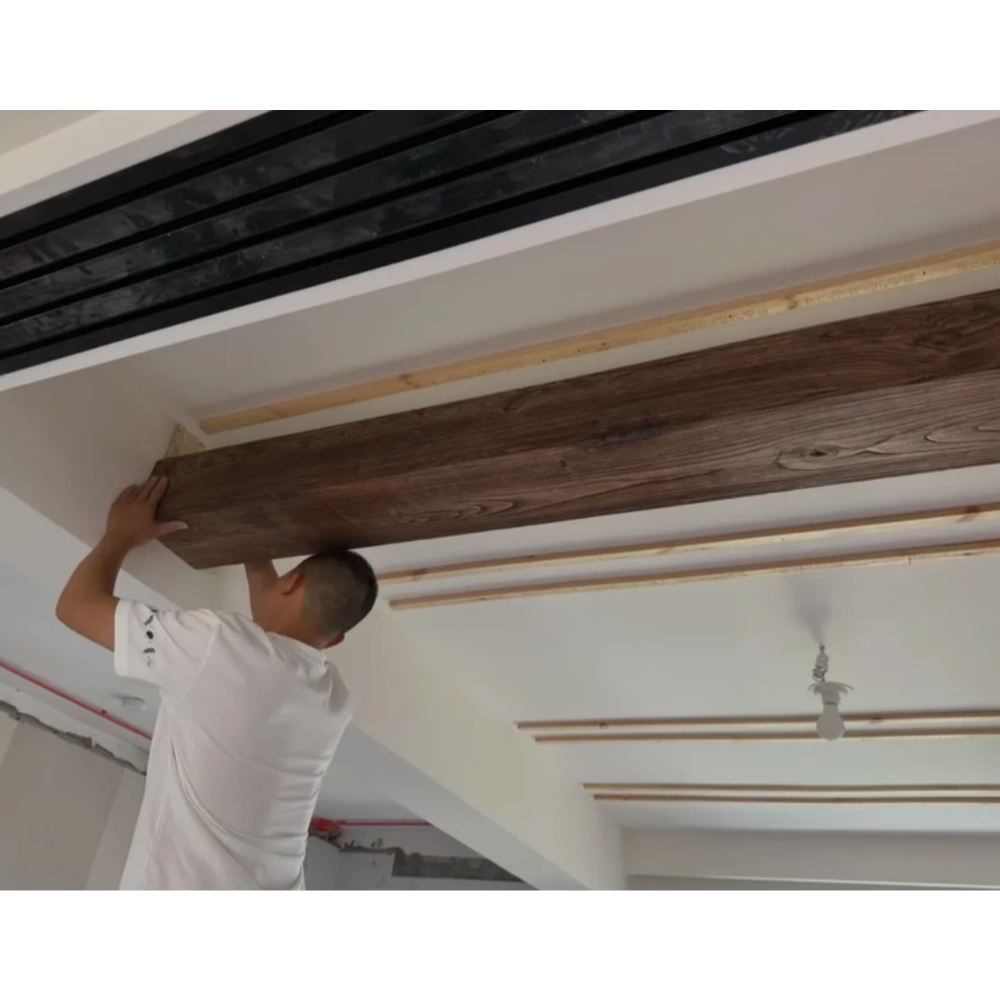
Installation Techniques for Renovations
Surface mounting provides the fastest installation approach when ceiling conditions permit. This technique attaches beams directly to existing ceiling surfaces using construction adhesive and mechanical fasteners. Surface mounting works best when ceiling heights permit the visual impact of the added beam depth and when existing surfaces provide adequate fastener holding power.
Suspended mounting systems create clearance between beams and existing ceilings, providing installation options when surface mounting proves impractical. Suspended beams appear to float below the ceiling plane, creating visual interest through the revealed gap. This approach works well when beam installations must clear existing features or when the visual effect of suspended beams complements the design intent.
Cleat mounting using steel brackets provides secure attachment points concealed within beam profiles. This technique supports heavier loads than direct surface mounting while remaining invisible after installation. Professional installers favor cleat systems for their reliability and the precision alignment they enable.
Cost Considerations for Homeowners
The total cost of polyurethane beam renovation includes material costs, labor costs, and any preparatory work that existing conditions require. Material costs for quality beams typically range from moderate to premium depending on profile complexity, surface treatment quality, and size requirements. Labor costs vary significantly by installation approach and existing conditions.
Comparison with genuine timber alternatives should include maintenance costs that genuine timber will require over time. Real wood beams may have lower initial costs but will eventually require refinishing, repair of humidity damage, or eventual replacement. The lifecycle cost comparison often favors polyurethane when all factors are properly considered.
The value added to homes through beam installations typically exceeds the installation cost, particularly in markets where timber beam ceilings are unusual and therefore distinctive. Homeowners planning eventual resale should consider local market preferences and comparable property values when evaluating beam installation investments.
Maintenance for Homeowners
Maintenance requirements for polyurethane beams are minimal compared to genuine timber. Regular dusting with soft cloths or gentle vacuum brush attachments removes accumulated dust without special treatment. The smooth surfaces resist particle accumulation that would require more aggressive cleaning.
Occasional cleaning with mild detergent removes cooking grease, fingerprints, or other contaminants that regular dusting cannot address. Harsh chemical cleaners should be avoided as they may affect surface finishes. Water-based cleaning products work well for most cleaning needs.
Minor repairs to surface damage can be accomplished with touch-up compounds provided by beam manufacturers. These products match factory finishes and enable repairs that remain invisible after completion. Professional repair services are available for damage beyond homeowner repair capabilities.
Achieving Lasting Satisfaction
Successful beam renovation projects result from appropriate specification, quality installation, and maintenance appropriate to the product's characteristics. Working with experienced contractors who understand renovation-specific challenges ensures that results meet expectations. Sample review before ordering confirms that selected products match design intent.
Documentation of installation details, warranty information, and care instructions helps homeowners maintain their beam installations properly over time. This documentation should be preserved with other home records for reference when questions arise or when home resale occurs.
The transformation that quality beam installations create makes the renovation investment worthwhile for homeowners seeking distinctive, warm living environments. Indoor-grade polyurethane beams provide this transformation reliably, with performance characteristics matched to residential renovation requirements.
Technical References
ASTM standards cited in every specification
Test Data
Lab results from internal testing program
Updated 2026
Reviewed against current product specs