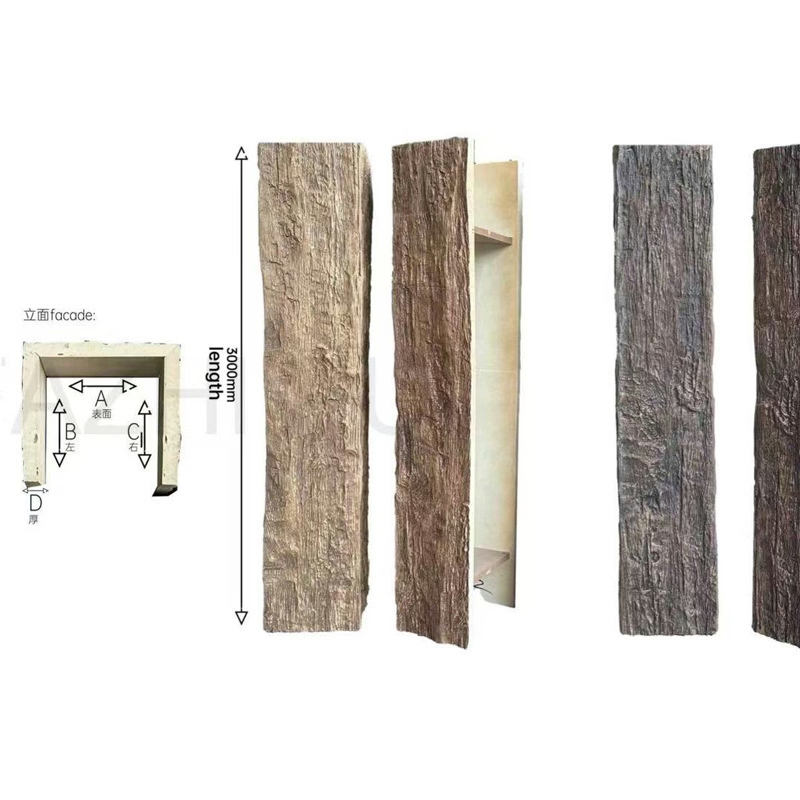
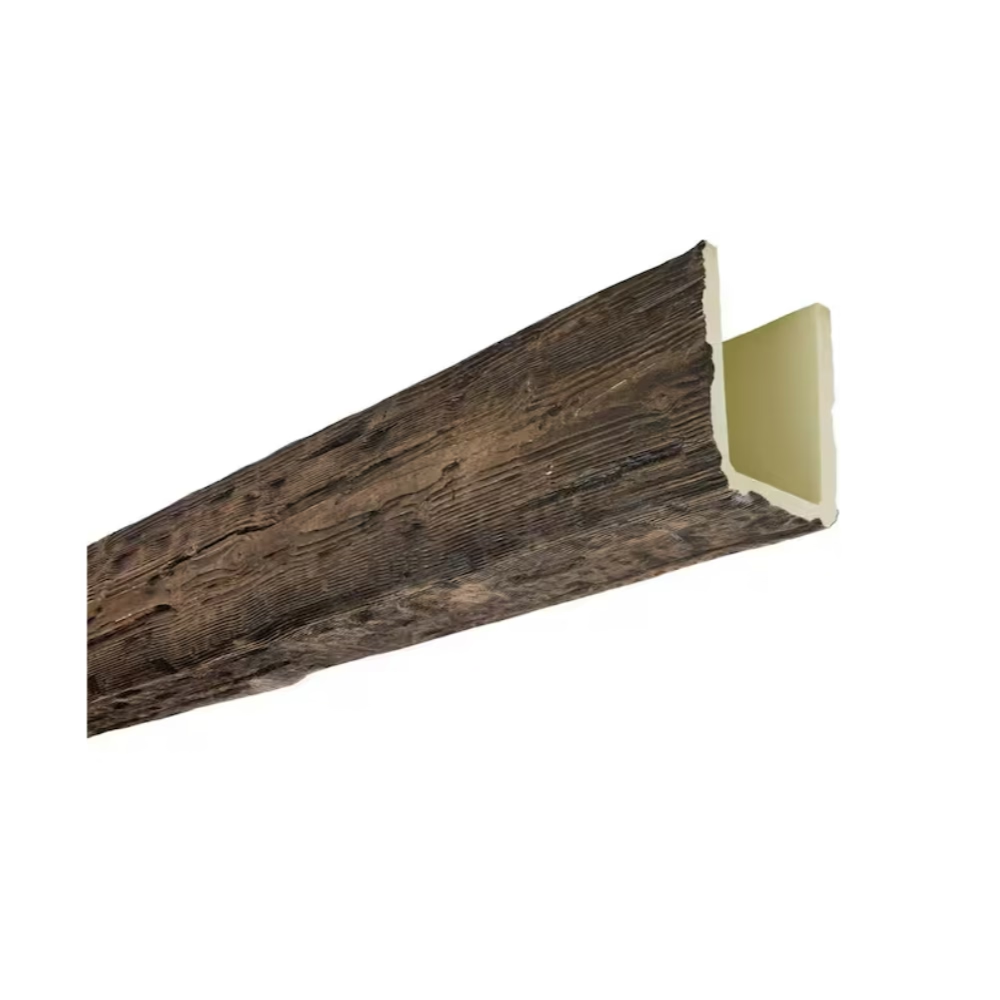
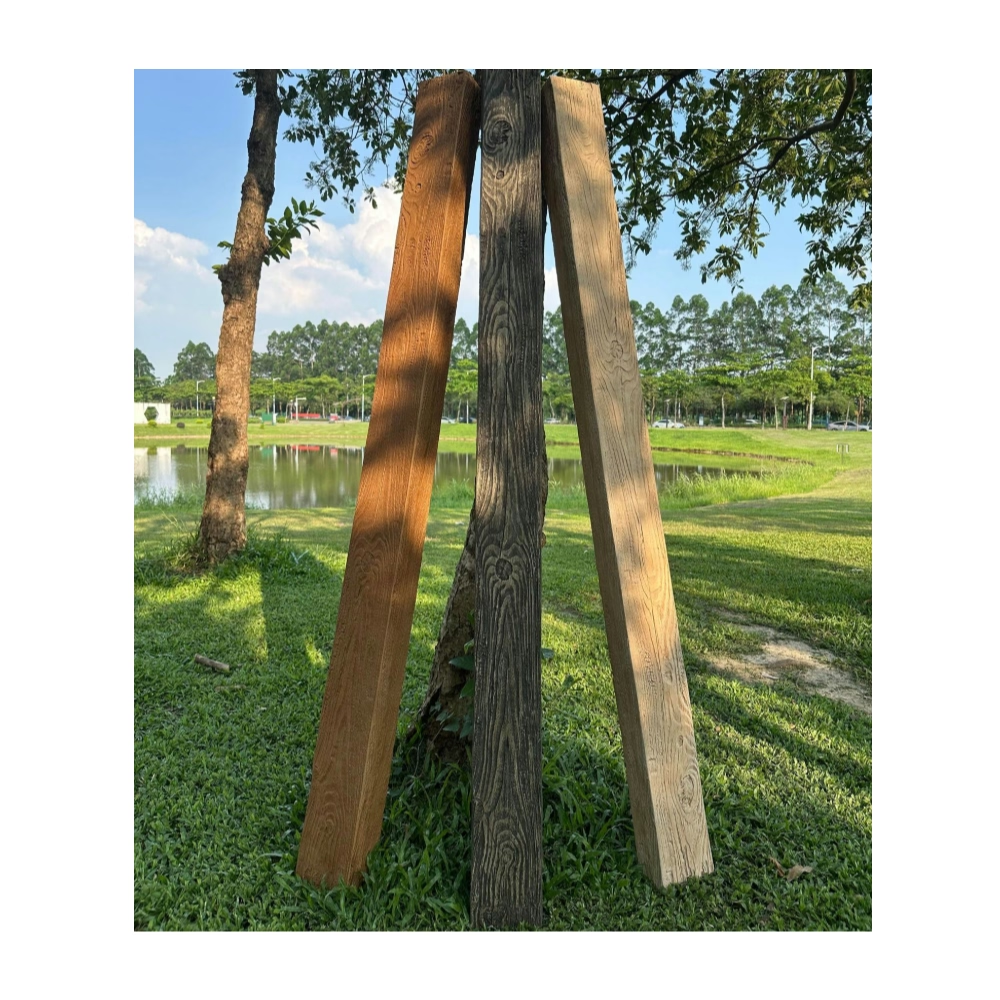
Family homes host the most diverse and demanding collection of occupants that any building material must serve. Children explore environments with curiosity that ignores caution. Elderly family members navigate spaces with physical vulnerabilities that younger occupants never consider. Pets contribute their own impacts through climbing, scratching, and the occasional accident. Materials that serve these varied inhabitants must accommodate an extraordinary range of conditions while maintaining the safety and appearance that family life requires.
Indoor-only grade polyurethane faux wood beams address residential concerns through formulations and finishing systems designed specifically for home use. Fire safety standards, emissions requirements, and physical performance characteristics all receive attention during residential product development. The result is materials that families can live with confidently, knowing that their ceiling treatments contribute to home safety rather than compromising it.
The residential context also creates opportunities that commercial applications cannot pursue. Cost sensitivity increases in residential markets where individual homeowners rather than institutional budgets make purchasing decisions. The simpler formulation requirements of indoor-only grade products enable cost structures appropriate for residential market participation while maintaining quality levels that discerning homeowners expect.
Fire Safety for Residential Applications
Residential fire safety requirements focus on preventing ignition and slowing flame spread when fires do occur. Building codes specify maximum flame spread ratings for interior finish materials, with ratings typically ranging from Class A at the most restrictive through Class C. Indoor-only grade polyurethane beams should meet at least Class C requirements, with Class A products preferred for enhanced safety margins.
Fire testing demonstrates that quality polyurethane beams resist ignition from common residential fire sources. The small open flame from a match or lighter should not ignite quality polyurethane readily. When exposure to larger flames does occur, the material should char and self-extinguish rather than contributing significantly to flame spread. These characteristics differentiate quality products from commodity alternatives that may ignite more readily.
Smoke development during fire exposure affects egress safety in ways that flame spread ratings do not fully address. Materials that burn with minimal smoke production provide better egress conditions than those generating heavy smoke. Quality polyurethane formulations consider smoke development during development, with smoke-suppressed formulations available for applications where egress safety concerns are paramount.
Indoor Air Quality in Homes
Residential indoor air quality concerns center on the health of family members who occupy treated spaces for extended periods. Children, elderly residents, and family members with respiratory conditions face particular vulnerability to air quality problems. Low-emission materials reduce these concerns by minimizing the chemical exposure that contributes to poor indoor air quality.
VOC emissions from residential building materials have gained attention as research documents connections between chemical exposure and health effects. Quality polyurethane beam manufacturers address these concerns through low-VOC formulations and water-based finishing systems that minimize emissions during application and throughout product service life.
Formaldehyde concerns extend to polyurethane products through certain manufacturing processes and raw materials. Responsible manufacturers eliminate formaldehyde from their production processes entirely, removing this concern from consideration when specifying their products. Documentation of formaldehyde-free production should be available from manufacturers who make this claim.
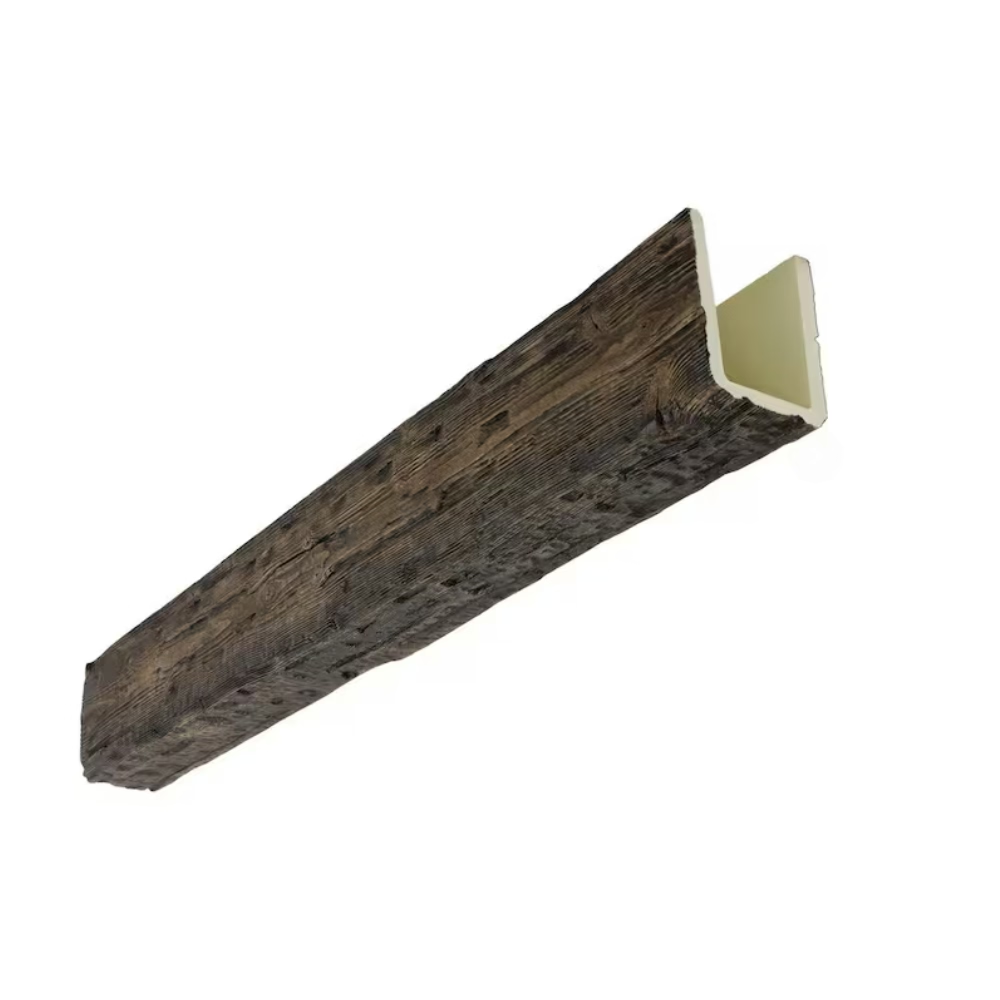
Child Safety Considerations
Physical safety for children includes considerations that adult-focused specifications often overlook. Impact resistance prevents injury from accidental head contact with beam surfaces. The soft give that quality polyurethane provides absorbs impact energy better than hard materials, reducing injury severity from collisions that would create more serious damage to alternative materials.
Surface temperature safety affects child contact with beam surfaces under various conditions. Direct sunlight through windows may heat exposed surfaces to temperatures that could cause contact burns on sensitive child skin. Quality polyurethane's thermal properties reduce this heating tendency compared to more thermally massive materials, providing safer surfaces in sun-exposed locations.
Small part security prevents choking hazards from any removable components. Quality beam installations include no small parts that could detach and create swallowing risks. Fastener systems, decorative elements, and any accessories should all be evaluated for small part hazards in homes with young children.
Pet-Friendly Specifications
Pet ownership creates beam exposure to scratching, climbing, and occasional accidents that residential specifications should anticipate. While ceiling beams are less accessible to pets than floor-level surfaces, the occasional cat climb or excited dog jump may bring pets into contact with beam surfaces unexpectedly.
Scratch resistance protects beam surfaces from pet claws that might otherwise create visible damage. Quality polyurethane finishes resist scratching from normal pet activity, maintaining appearance despite the occasional contact that pet ownership produces. Deep scratches that penetrate finish layers may expose underlying material, but quality surfaces resist the surface scratches that lesser materials would accumulate.
Cleaning consideration for pet-related incidents affects maintenance requirements in pet-owning households. Accidents, pet hair accumulation, and the various other pet-related messes that occur in family homes should be cleanable from beam surfaces without special treatment. Quality polyurethane accepts standard cleaning products that remove pet-related contamination without damaging finishes.
Performance in Residential Conditions
Temperature variation in homes follows patterns that affect material performance. Heating seasonal heating reduces humidity and creates shrinkage stresses in some materials. Summer cooling creates condensation potential that humidity fluctuations may trigger. Quality indoor-only grade products accommodate these typical residential patterns without deterioration.
Humidity stability proves particularly valuable in residential applications. Homes without whole-home humidification or dehumidification experience humidity fluctuations that affect hygroscopic materials significantly. Polyurethane's dimensional stability eliminates these concerns, maintaining joint alignments and appearance through seasonal cycling that would damage genuine timber.
UV exposure through windows affects materials differently depending on orientation and glazing characteristics. South-facing windows with minimal UV filtration create exposure conditions approaching exterior applications. Indoor-only grade products handle typical residential UV exposure without significant degradation, though the most demanding sun exposure locations may warrant upgraded specifications.
Maintenance for Homeowners
Residential maintenance expectations differ from commercial contexts. Homeowners typically have less time for maintenance activities, less expertise in building material care, and less tolerance for complicated maintenance procedures. Indoor-only grade products should require maintenance simple enough for non-professionals to accomplish successfully.
Dusting with soft cloths or gentle vacuum brush attachments removes accumulated dust without special equipment or training. This basic maintenance handles the vast majority of residential beam care requirements, keeping surfaces clean and attractive through regular attention.
Occasional cleaning with mild detergent addresses the more stubborn contamination that dusting cannot remove. Grease accumulation in kitchens, fingerprints in high-traffic areas, and the various smudges that residential living produces all respond to mild cleaning without aggressive chemical intervention.
Long-Term Residential Value
The investment in quality beams should provide lasting value throughout the home's occupied life. Indoor-only grade products, while optimized for cost rather than maximum longevity, still provide decades of service with appropriate maintenance. This longevity exceeds typical residential ownership periods, providing value for current owners and subsequent buyers.
Resale consideration affects specification decisions for investment-oriented homeowners. Homes with quality finishes, including ceiling beam treatments, typically command premium values in resale markets. The aesthetic contribution of beams enhances perceived home quality in ways that translate to market value.
Warranty coverage for residential products should address homeowner concerns appropriately. Quality manufacturers back their products with warranties that reflect confidence in residential performance. Understanding warranty terms and procedures ensures that coverage benefits are available if needed.
Specifying for Residential Success
Working with manufacturers who understand residential markets ensures appropriate product recommendations. The specific needs of homeowners—cost sensitivity, maintenance simplicity, safety for children and pets—differ from commercial specification priorities. Manufacturers who serve both markets can advise on product selection that matches residential requirements.
Sample review before specification enables homeowners to evaluate appearance, texture, and quality in person. These samples also provide reference standards for evaluating delivered products against expectations. The small investment in obtaining samples before large orders prevents disappointments that are difficult to address after installation.
Professional installation for residential beam projects ensures results that meet expectations. While some homeowners undertake beam installation as do-it-yourself projects, the complexity of achieving professional results often justifies contractor involvement. The additional installation cost typically represents good value compared to the alternative of visible installation defects.
Technical References
ASTM standards cited in every specification
Test Data
Lab results from internal testing program
Updated 2026
Reviewed against current product specs