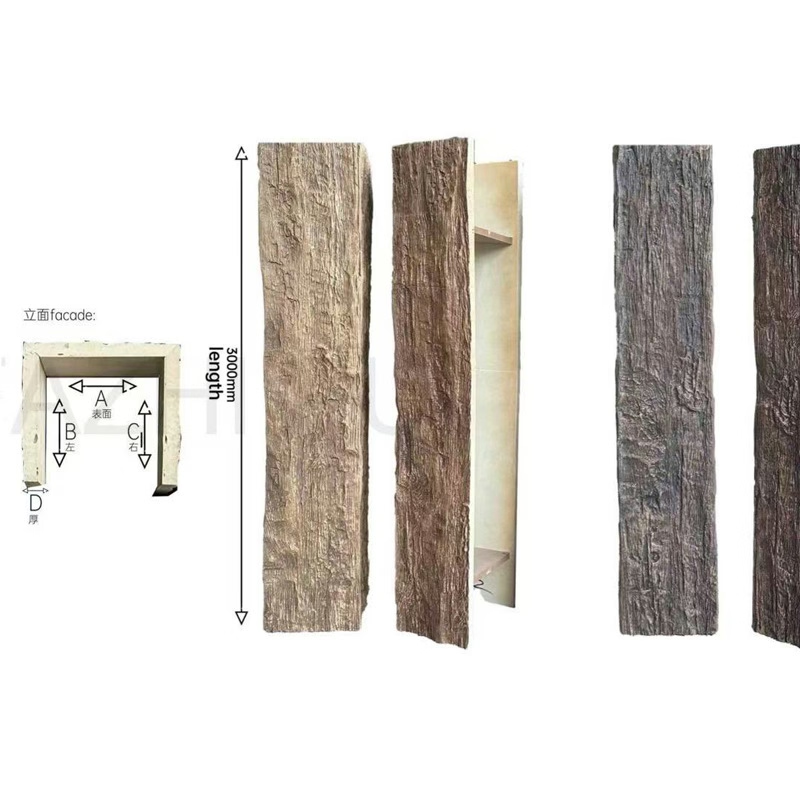
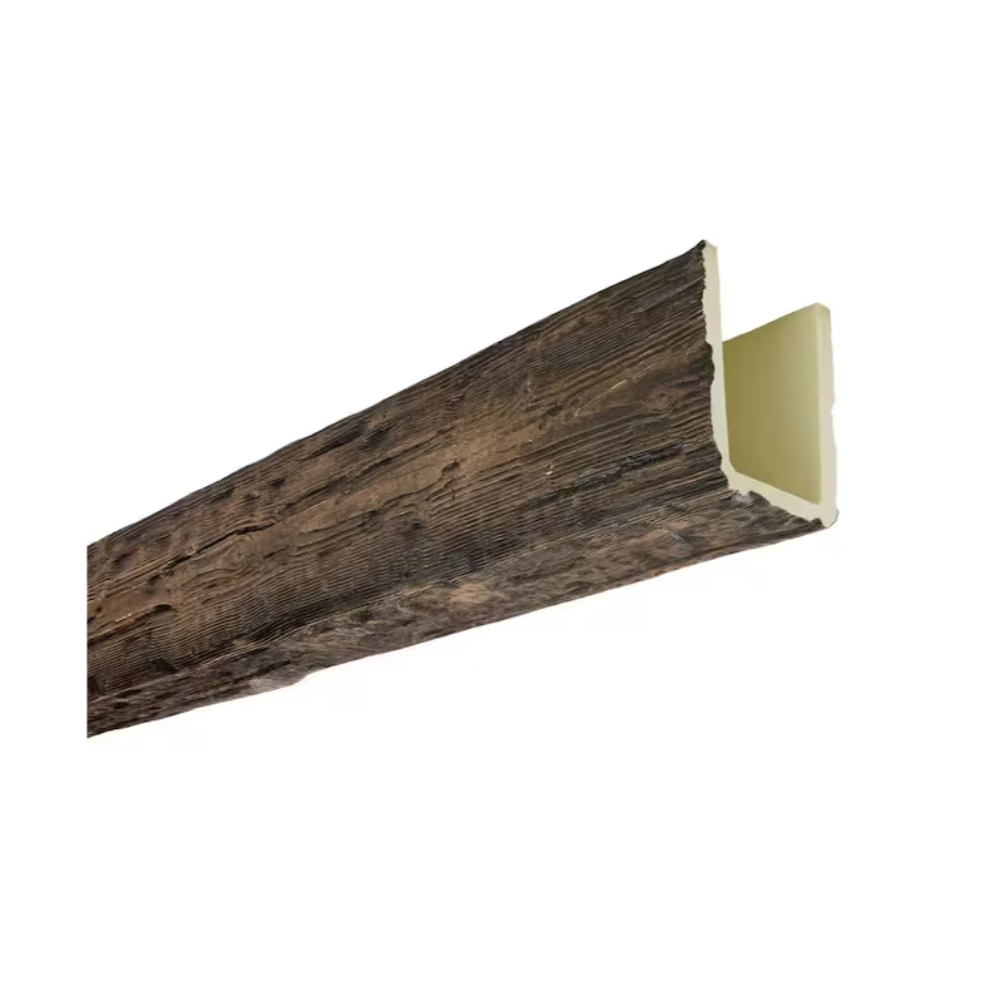
Every man deserves a space that belongs entirely to him. Whether it's a basement workshop, a converted garage, or an upstairs room given over to hobbies and entertainment, that sanctuary should reflect the personality and interests of its owner. Ceiling design often gets overlooked in these projects, yet the overhead space offers tremendous opportunity for creating atmosphere and establishing the room's character.
Industrial rustic design has proven particularly effective in masculine retreat spaces. The aesthetic combines strength and honesty—qualities that resonate with most men's sense of what a personal space should feel like. Raw materials, visible construction, and robust textures create environments that feel like genuine retreats rather than decorated showrooms.
Defining the Modern Man Cave Concept
The term "man cave" has evolved significantly from its origins describing basic basement bars and sports-themed rooms. Contemporary man caves represent carefully considered personal environments where functionality meets personal expression. These spaces serve as home offices, entertainment centers, hobby rooms, and social gathering spots—sometimes all within the same square footage.
What distinguishes a successful man cave from a generic entertainment room is the attention to personal character. The space should feel like it was shaped by its occupant's specific interests and aesthetic preferences. Sports memorabilia might share wall space with vintage tools, craft beer collections, or musical instruments. The common thread is authenticity—these aren't curated showroom displays but genuine reflections of personal passion.
Ceiling treatment plays a crucial role in establishing this sense of authenticity. When exposed beams or structural elements introduce texture and visual weight overhead, the room immediately feels more substantial and intentional. The overhead space stops being ignored and starts contributing to the overall atmosphere. This transformation happens regardless of what activities occupy the space below.
Traditional approaches to ceiling treatment in man caves often involved wood paneling, drop ceilings, or simply leaving structural elements exposed and untreated. Each option presented limitations. Paneling could feel dated or overwhelming. Drop ceilings sacrificed ceiling height and often looked institutional. Exposed structure was authentic but sometimes ugly or impractical.
The Polyurethane Alternative for Residential Spaces
Polyurethane faux beams offer a fourth path—one that captures the aesthetic benefits of exposed timber while eliminating practical drawbacks. The material's lightweight nature makes it suitable for ceilings in homes where structural load considerations might preclude genuine timber. Basement ceilings, where floor joists weren't designed for substantial additional loads, can accommodate polyurethane beams without concern.
The installation simplicity of polyurethane also matters in residential contexts. Homeowners tackling DIY projects can successfully install these beams with basic tools and moderate skill levels. The products are designed for straightforward attachment using standard hardware, and many manufacturers provide detailed installation guides that walk through common scenarios.
Durability in polyurethane means the beams will maintain their appearance through years of use without special care. Unlike natural wood, which might require humidification in dry climates or dehumidification in damp basements, polyurethane remains stable across environmental conditions. This resilience proves particularly valuable in spaces like man caves where temperature and humidity might fluctuate based on HVAC usage patterns.
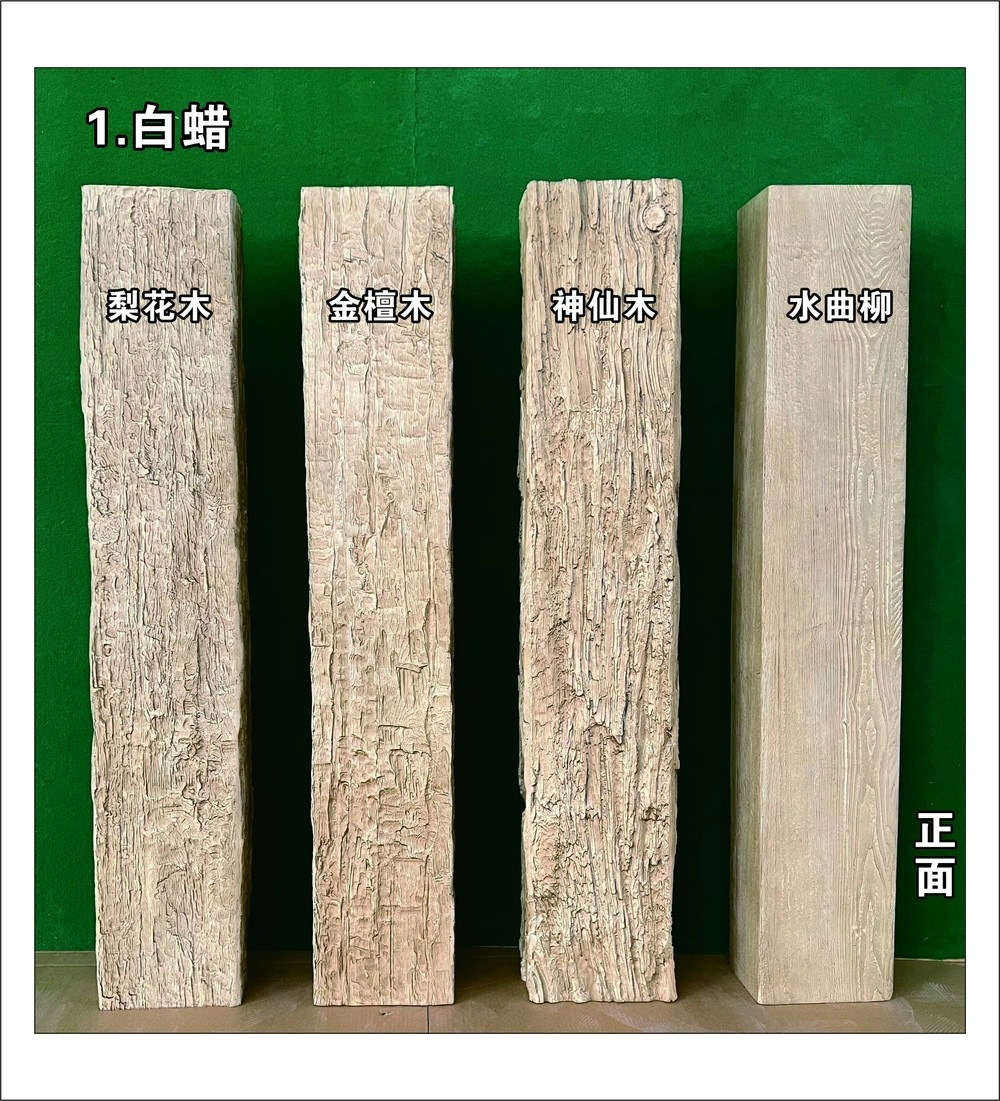
The visual quality of modern polyurethane faux beams surprises many first-time users. Advances in manufacturing have produced beams with convincing wood grain textures, authentic color variations, and realistic weathering effects. Knot patterns, checks and cracks, and varied grain density all contribute to products that look genuinely aged rather than manufactured. For man cave applications where authenticity matters, this visual credibility represents a meaningful advantage.
Integrating Beams with Common Man Cave Features
Man caves typically incorporate several signature elements that pair naturally with industrial rustic ceiling beams. Television installations, for instance, often feature large screens mounted on walls or enclosed in custom cabinetry. Adding beams to the ceiling creates visual framing that draws attention to the viewing area while establishing the room's design direction.
Gaming setups—whether focused on traditional board games, video gaming stations, or billiards tables—also benefit from overhead textural elements. The beams can support pendant lighting specifically positioned for task illumination, creating focused light pools that enhance visibility while adding atmospheric layers. Metal industrial-style fixtures complement the rustic beam aesthetic particularly well.
Home bar installations represent another natural pairing. Whether a simple kegerator setup or an elaborate custom bar with multiple tap handles, bar areas feel more established and intentional when the ceiling treatment matches their rustic industrial character. Beams can run parallel to the bar's length, creating visual direction that guides the eye along the space's primary feature.
Workshop areas within man caves—where tools, workbenches, and craft stations occupy floor space—also respond well to ceiling treatment. The rugged authenticity of industrial rustic beams reinforces the working nature of these spaces while softening harsh overhead lighting through strategic placement and fixture selection.
Practical Considerations for Home Installation
Before purchasing faux beams for man cave installation, several practical factors deserve attention. Ceiling height affects both beam selection and installation approach. Rooms with generous ceiling height can accommodate larger beam profiles or even multiple layers of smaller beams. Lower ceilings require more modest selections to avoid making spaces feel cramped.
Structural considerations, while less demanding for polyurethane than natural wood, still warrant assessment. The ceiling mounting points must be capable of supporting the beams and any attached fixtures like light pendants. Wall-mounted beams or beams that extend from wall to wall require particularly secure attachment to prevent shifting or failure over time.
Lighting plans should be developed before beam installation begins. Pendant lights, ceiling fans, and recessed fixtures may all interact with beam placement. Coordinating these installations ensures clean integration and avoids the need for modifications after beams are in place. Many homeowners find it helpful to mark proposed light fixture locations before committing to beam positions.
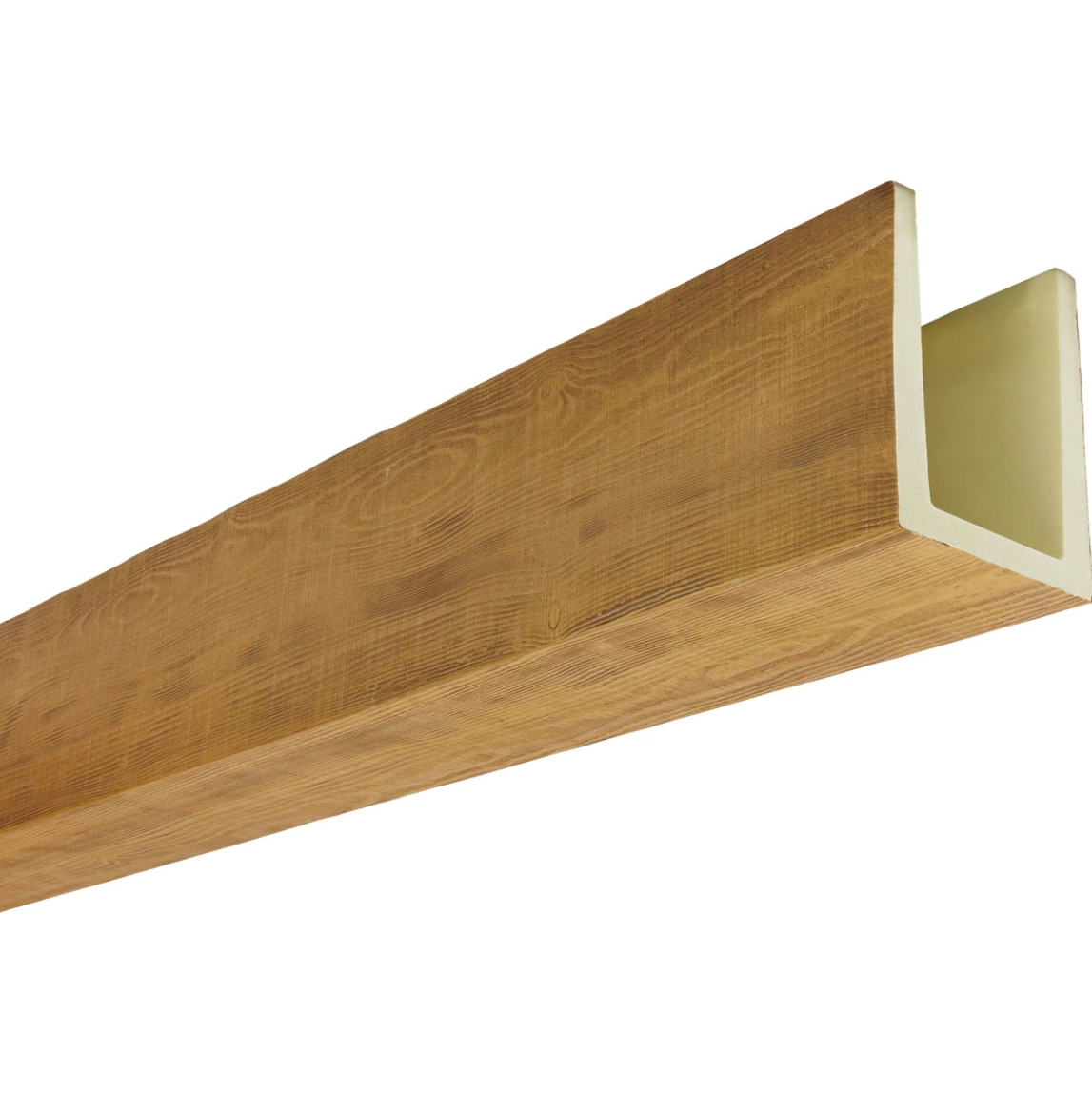
Finish selection represents another important decision point. Polyurethane beams come in various colors and finishes, from natural wood tones to painted options. The chosen finish should complement existing room elements—wall colors, furniture finishes, and accent materials all influence which beam finish will work best.
Creating Your Personal Retreat
A well-designed man cave with quality ceiling treatment becomes more than just another room in the house. It transforms into a genuine destination—a space that family members respect as belonging to its primary user and that guests find impressive and characterful. The investment in thoughtful design, including overhead elements like rustic beams, pays dividends in daily enjoyment and long-term property value.
Polyurethane faux beams make this level of design achievement accessible to homeowners who might otherwise feel constrained by budget, structural limitations, or installation complexity. The products bring professional-quality aesthetics to residential projects without requiring professional-level expertise or investment.
Starting with ceiling treatment often provides a helpful design anchor. Once beams establish the room's direction and atmosphere, other elements fall into place more naturally. Furniture selection, wall treatments, lighting choices, and decorative accents all respond to the framework that ceiling beams provide. This coherent approach produces spaces that feel deliberately designed rather than randomly assembled.
Technical References
ASTM standards cited in every specification
Test Data
Lab results from internal testing program
Updated 2026
Reviewed against current product specs