The loft apartment phenomenon reshaped urban residential design over the past thirty years. What began as a pragmatic adaptation of industrial buildings has become a celebrated residential category with its own aesthetic values, spatial characteristics, and lifestyle associations. Understanding these values helps explain why certain design choices resonate while others miss the mark.
Trendy loft apartments occupy a particular position within the broader loft category. These spaces emphasize contemporary design sensibility, current aesthetic trends, and lifestyle positioning that appeals to young professionals and design-conscious residents. The ceiling treatment in these spaces must serve multiple purposes—establishing visual interest, adding warmth, and reinforcing the trendy positioning that attracts residents.
Faux wood beams offer an effective ceiling treatment for trendy lofts, but product selection and installation approach matter significantly. The wrong beams—too rustic, too heavy, or poorly integrated—can undermine the contemporary sensibility that makes these spaces appealing. The right beams, however, create exactly the warmth and character that trendy lofts require.
The Trendy Loft Aesthetic
Trendy loft aesthetics blend industrial heritage with contemporary design influences. These spaces celebrate their industrial origins—exposed structure, generous ceiling height, open floor plans—but interpret this heritage through a contemporary lens. The result is interiors that feel both rooted and current, authentic and designed.
Several characteristics define trendy loft aesthetics. Clean lines balance industrial mass. Contemporary furniture and lighting complement rather than compete with industrial features. A restrained material palette—concrete, steel, wood, glass—limits visual complexity while maintaining textural interest. The overall effect is sophisticated rather than raw, refined rather than rustic.
Ceiling treatment in trendy lofts must serve this aesthetic carefully. Elements that are too rustic—weathered beams with prominent distressing, heavy timber with visible cracks and checking—can overwhelm contemporary furniture and undermine the refined sensibility. Elements that are too refined—smooth finishes, perfect proportions—fail to connect with industrial heritage. The balance point requires thoughtful selection.
Faux Beam Options for Contemporary Contexts
Modern faux beam manufacturing offers options suited to contemporary loft applications. Understanding available choices helps narrow selections toward products that will integrate successfully.
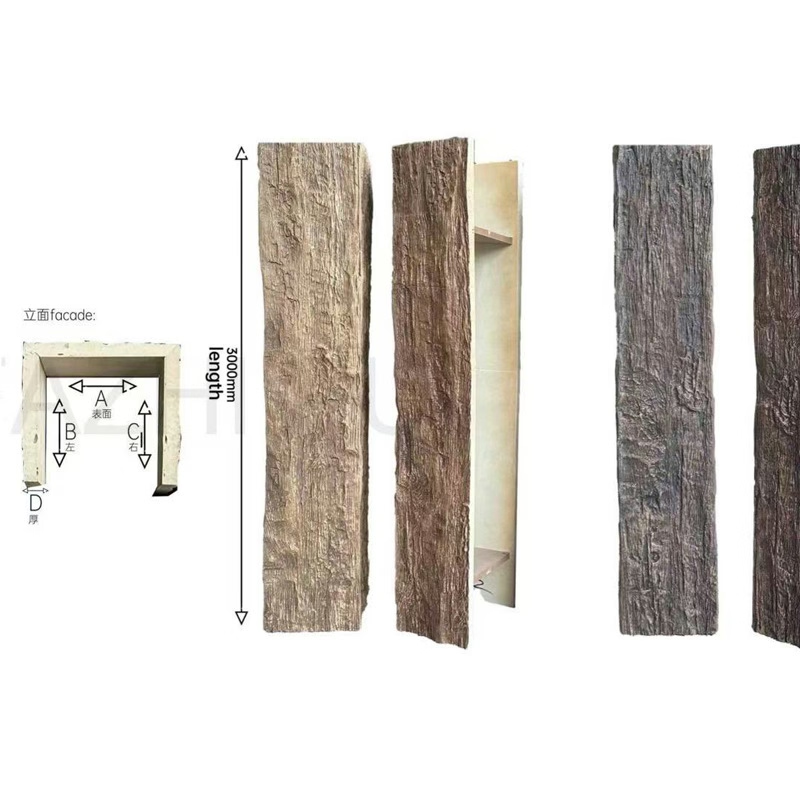
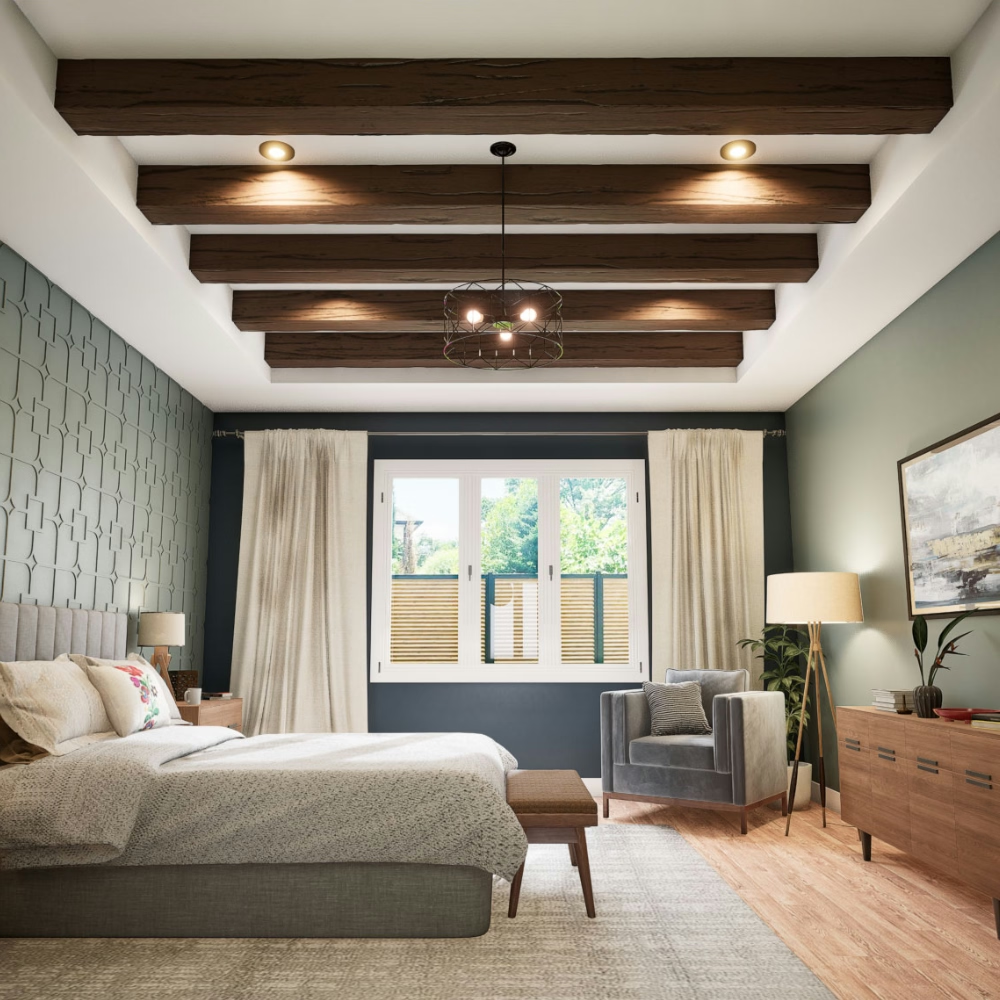
Finish variations range from heavily weathered to relatively refined. For trendy lofts with contemporary furniture and clean-lined interiors, moderately weathered finishes often work best. These products offer enough texture and character to connect with industrial heritage without overwhelming contemporary sensibilities. Heavy distressing and dramatic weathering effects, while appropriate for more rustic applications, can feel out of place in refined loft settings.
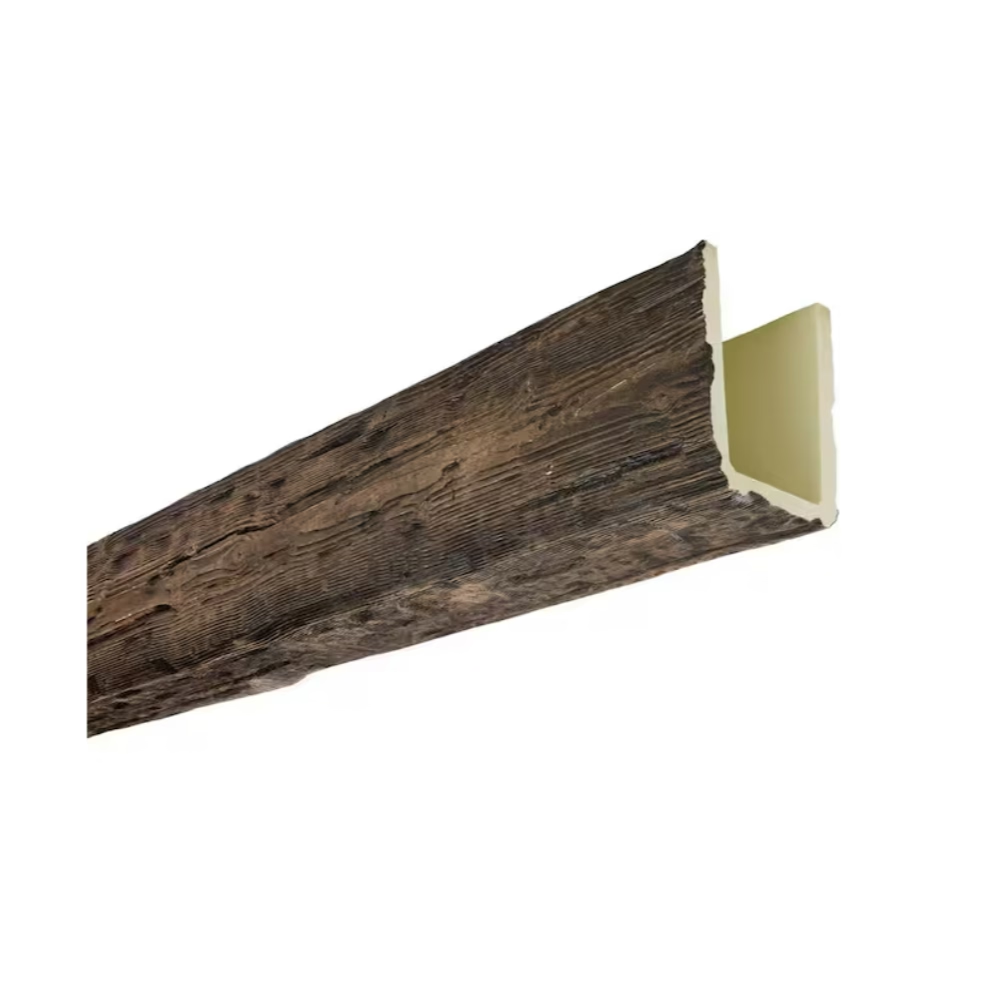
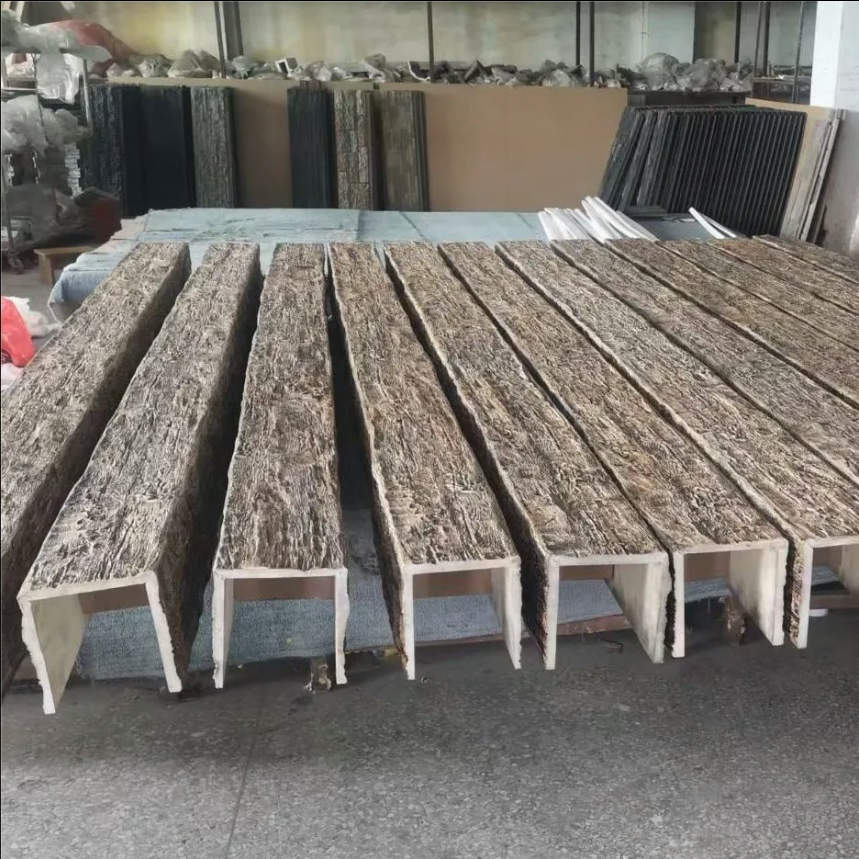
Profile options continue expanding as manufacturing techniques improve. Contemporary faux beams include both classic timber-inspired profiles and more modern interpretations. Clean-lined beams with minimal ornamentation suit trendy loft contexts well. Three-sided U-shape beams, with their dimensional presence, add architectural interest without historical allusion.
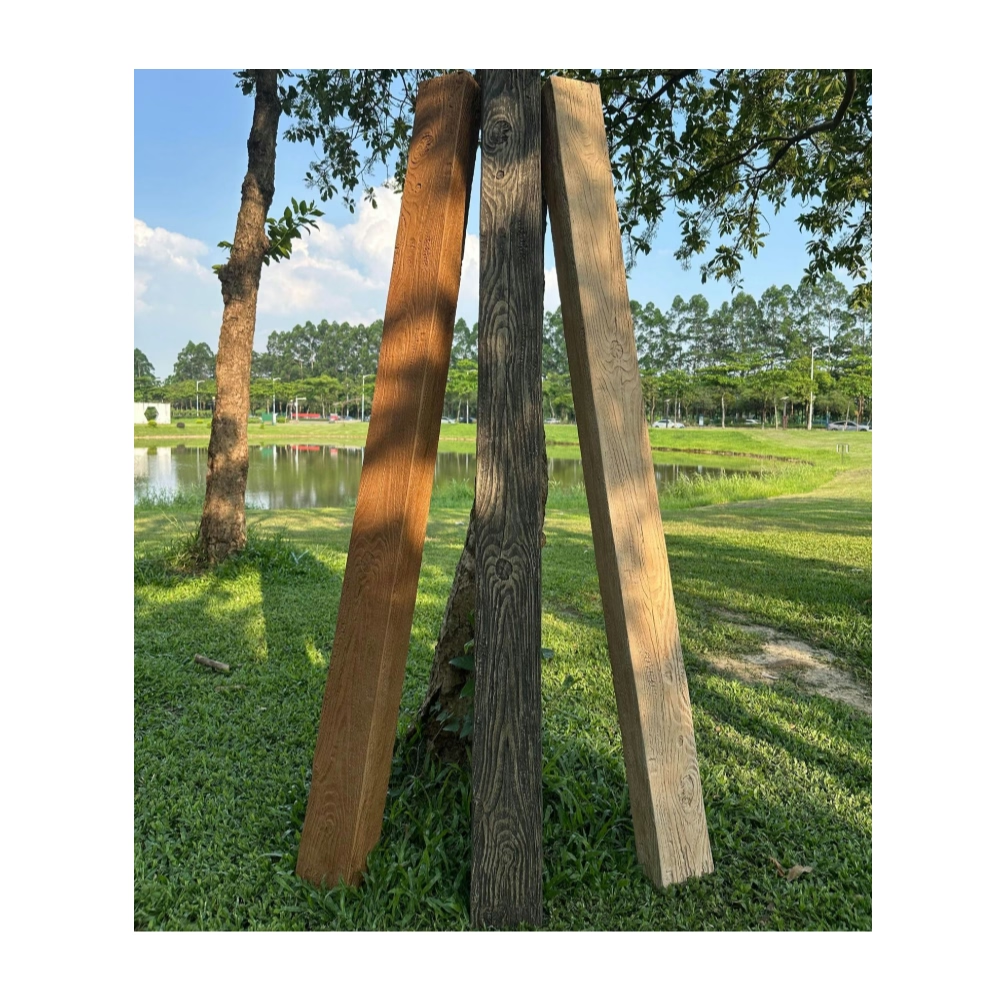
Color selection deserves careful attention in trendy loft applications. Neutral tones—warm grays, soft browns, muted taupes—work well with contemporary color palettes. More dramatic options—deep charcoals, rich ambers—create focal points that anchor ceiling treatment. The key is ensuring that beam color complements rather than conflicts with other design elements.
Integration with Contemporary Design Elements
Successful beam installation in trendy lofts requires integration with other contemporary design elements. The beams should feel like part of an intentional composition rather than isolated decorative additions.
Furniture coordination represents an important consideration. Contemporary loft furniture typically features clean lines, restrained ornament, and material authenticity. Beams that echo these qualities—proportional to furniture scale, refined in finish—will complement rather than compete. Heavy rustic beams beside sleek contemporary furniture create visual dissonance that undermines both elements.
Lighting integration in contemporary lofts often emphasizes clean fixture lines and focused illumination. Track lighting, recessed fixtures, and simple pendants characterize these spaces. Beam-mounted fixtures should maintain this contemporary sensibility. Industrial-inspired fixtures with refined proportions work well; overly rustic or ornamental fixtures introduce inappropriate visual complexity.
Window treatment affects how beams read in the overall composition. Large industrial windows—original to converted buildings or replicated in new construction—frame views and admit light that interacts with ceiling treatment. Beams positioned to catch natural light show texture and color most effectively. The interplay between natural light, beams, and window frames creates layered visual interest.
Installation Considerations for Apartment Contexts
Apartment installation presents specific challenges that require appropriate approaches. Understanding these challenges helps ensure successful outcomes.
Ceiling structure in apartment buildings varies significantly. Older industrial conversions may feature exposed joists or steel beams; newer constructions may offer suspended ceilings or exposed concrete. Mounting approaches must adapt to existing conditions while achieving secure, lasting installation.
Weight limitations affect beam selection in multi-story buildings. While polyurethane beams weigh far less than timber, significant loads from multiple beams or large profiles may require structural assessment. Professional evaluation identifies appropriate load limits and mounting approaches.
Neighbor considerations in attached housing affect installation timing and methods. Sound transmission through ceiling structures can disturb adjacent residents during installation. Planning for efficient installation processes minimizes disruption.
The rental versus ownership equation influences installation permanence. Renters may prefer temporary mounting approaches that allow removal when moving. Owners can commit to more permanent installations. Understanding the target market helps shape appropriate product and installation recommendations.
Creating Lasting Appeal in Trendy Spaces
Trendy spaces face particular challenges around design longevity. What feels current today may appear dated tomorrow as aesthetic trends evolve. The best trendy designs incorporate elements with enduring appeal—quality materials, authentic character, timeless proportions—that transcend specific trend moments.
Faux beams with genuine wood character offer this enduring quality. The warmth and organic texture of wood has appealed to human sensibilities across cultures and centuries. By emphasizing these timeless qualities rather than trend-specific styling, beam selections maintain relevance across changing aesthetic contexts.
Quality construction ensures that beams age gracefully. Polyurethane's resistance to moisture, temperature change, and physical damage means that well-made beams will maintain their appearance for years without maintenance attention. This practical durability supports the investment case for quality beam installations in trendy loft spaces.
The ongoing appeal of industrial loft aesthetics suggests continued relevance for beam-enhanced ceiling treatments. As long as urban residents value the distinctive character of converted industrial spaces, beams that complement this character will remain desirable design elements.
Technical References
ASTM standards cited in every specification
Test Data
Lab results from internal testing program
Updated 2026
Reviewed against current product specs