The garage has evolved dramatically from its original role as simple vehicle shelter. For many homeowners, these spaces now serve as workshops, hobby rooms, home gyms, and gathering places. This expanded functionality creates demands for interior treatment that traditional garage construction never anticipated.
Designing garage interiors requires balancing practical considerations—durability, maintenance, temperature control—with aspirations for aesthetic quality. Floors get refinished with epoxy coatings. Walls get organized with custom storage systems. Ceilings, however, often remain afterthoughts despite their significant visual impact.
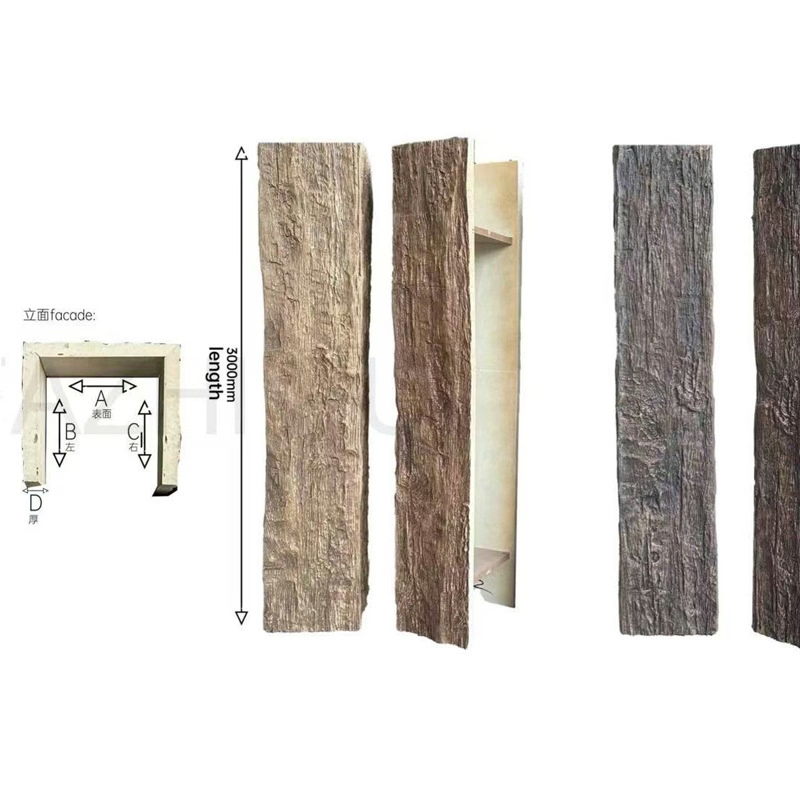
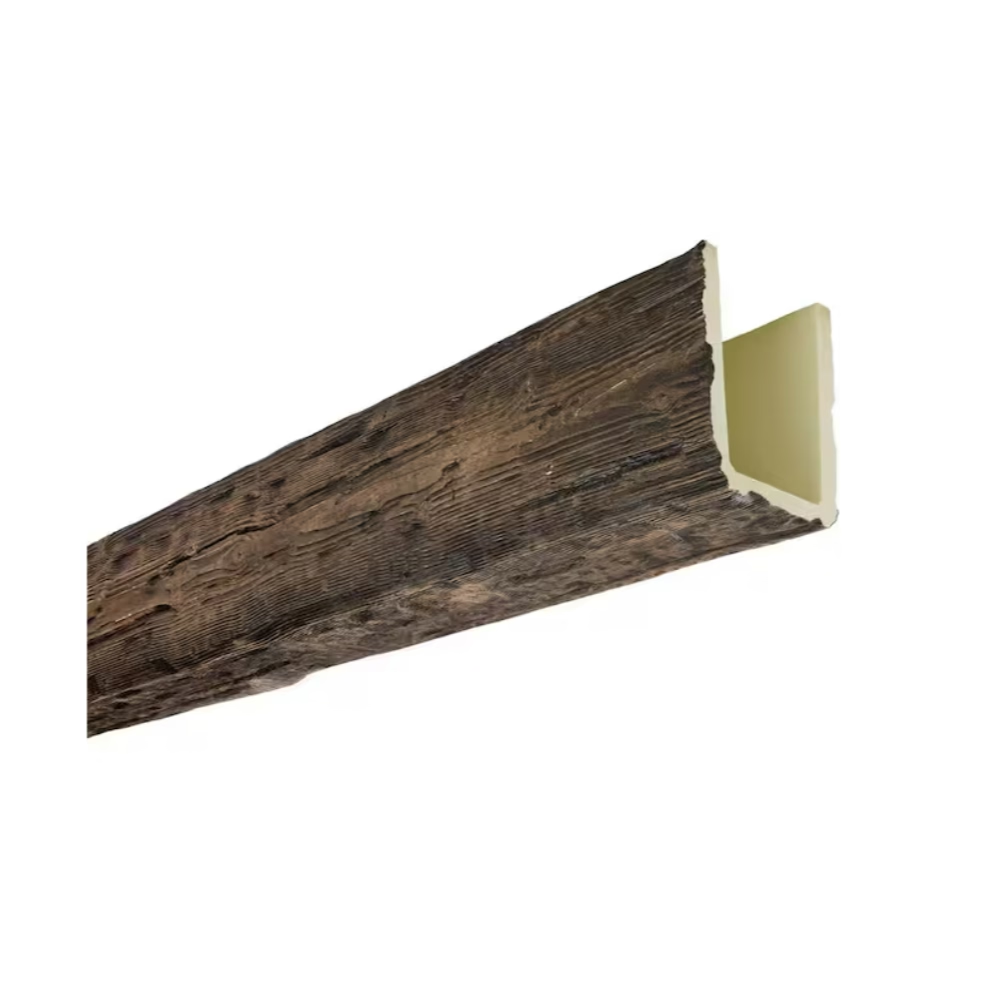
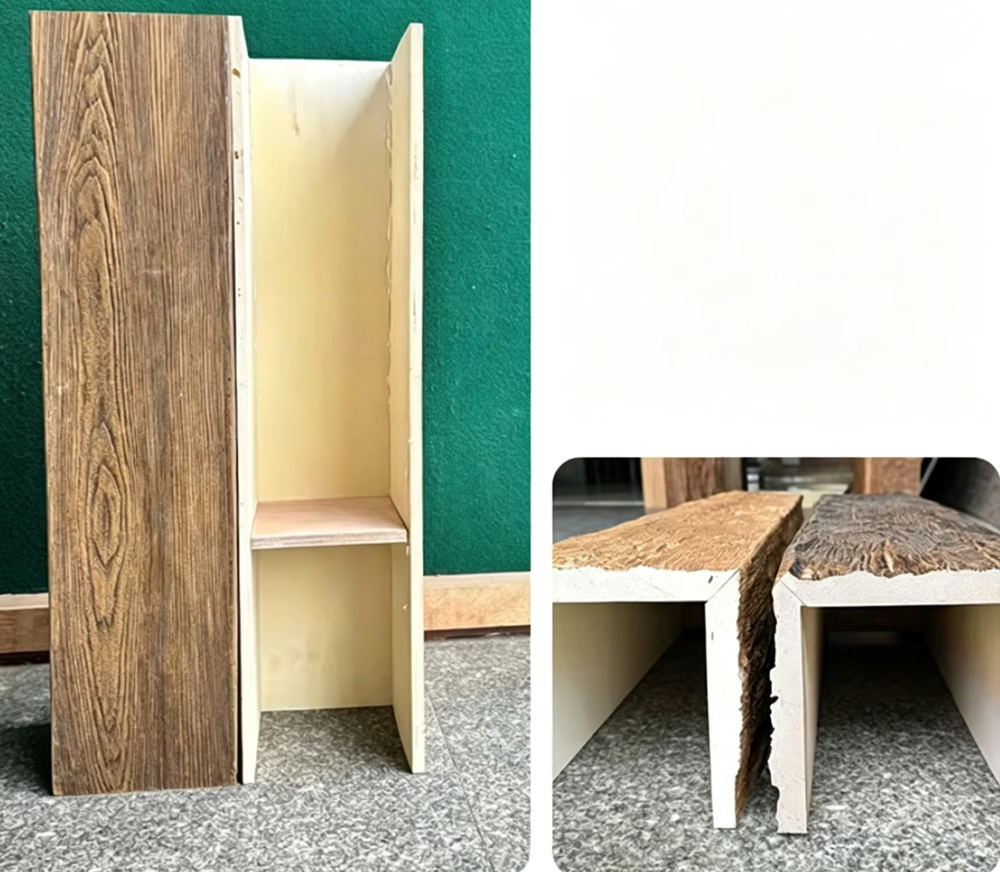
Polyurethane faux beams offer an effective ceiling treatment for garage applications. Their durability, light weight, and authentic appearance align well with garage requirements while adding the character that transforms utilitarian spaces into appealing rooms.
The Modern Garage Interior
Contemporary garage design treats these spaces as valuable square footage rather than incidental shelter. The practical challenges of garage environments—temperature extremes, humidity fluctuations, chemical exposure, heavy use—create demanding conditions that material selections must address.
Flooring innovations transformed garage interiors. Epoxy coatings, interlocking tiles, and sealed concrete systems replaced bare cement with attractive, durable surfaces that resist stains and clean easily. Wall organization systems—slatwall panels, ceiling-mounted racks, custom cabinetry—brought residential storage quality to garage contexts.
Ceiling treatment lagged behind these developments. Drop ceilings reduced ceiling height and created institutional aesthetics. Exposed structure, while honest, often looked unfinished rather than intentional. The missing element was ceiling treatment that acknowledged garage character while adding residential quality.
Faux beams fill this gap effectively. They introduce the warmth and texture that make garage interiors feel more like genuine living spaces while respecting the functional nature of these rooms. The industrial aesthetic aligns with garage vocabulary—tools, vehicles, workbenests—while adding refinement that elevates the space.
Advantages of Polyurethane in Garage Applications
Polyurethane offers several advantages specifically relevant to garage conditions. Understanding these benefits helps explain why polyurethane often outperforms other materials in these demanding environments.
Moisture resistance matters significantly in garages. Vehicle moisture, snow melt, and temperature-induced condensation create humidity conditions that challenge many materials. Natural wood absorbs moisture, leading to warping, cupping, or fungal growth. Polyurethane resists moisture absorption, maintaining dimensional stability and appearance regardless of garage humidity levels.
Temperature stability proves equally important. Garages experience temperature swings that interior spaces don't—hot in summer, cold in winter, with rapid changes as vehicles enter and exit. These fluctuations cause natural wood to expand and contract, leading to cracks, splits, and fastener failures over time. Polyurethane tolerates these conditions without degradation.
Chemical resistance serves garage applications well. Motor oil, transmission fluid, antifreeze, and cleaning solvents all appear in garage environments. Natural wood stains and degrades when exposed to these substances. Polyurethane's chemical resistance allows for easy cleanup of spills without surface damage.
The practical benefits translate directly to reduced maintenance and longer service life. Garage owners who invest in beam installation expect their investment to last without constant attention. Polyurethane delivers this expectation.
Design Approaches for Garage Ceiling Treatment
Garage ceiling beam installation allows for various design approaches depending on garage characteristics and homeowner preferences. Understanding available options helps create appropriate treatment for specific situations.
Full ceiling treatment involves installing beams across the entire ceiling plane. This approach works well in larger garages where ceiling structure supports the visual weight of multiple beams. Parallel beams create formal rhythm; crossing patterns define zones and add visual complexity.
Partial treatment focuses beam installation on specific ceiling areas—above workbenests, for instance, or along perimeter edges. This selective approach adds character where it matters most without overwhelming modest ceiling spaces.
Structural wrapping involves enclosing existing ceiling elements—exposed joists, ductwork, or beams—with faux beam products. This approach transforms utilitarian elements into intentional design features while providing clean, finished surfaces.
Feature beams serve as singular statement elements rather than systematic treatment. A single substantial beam crossing the ceiling at a focal point can anchor the entire garage interior design.
Installation Practicalities for Garage Environments
Garage ceiling installation requires attention to practical factors that differ from interior residential applications. Understanding these factors ensures successful outcomes.
Ceiling structure in garages varies widely. Older homes feature exposed joists; newer construction may have finished ceilings or different structural systems. Mounting approaches must adapt to existing conditions while ensuring secure attachment.
Weight considerations, while less significant for polyurethane than for timber, still affect installation planning. The cumulative weight of multiple beams, combined with any attached fixtures, should not exceed ceiling structure capacity. Professional assessment identifies appropriate limits.
Lighting integration deserves early planning. Garage workshops require functional illumination that beam installation should support rather than obstruct. Pendant lights mounted from beams, track lighting running between beams, or utility fixtures positioned relative to beams all require coordination during installation.
Ventilation considerations affect beam selection and placement. Garage ventilation—exhaust fans, air intake, or natural airflow—should not be compromised by beam installation. Maintaining adequate air circulation prevents moisture accumulation and supports vehicle and tool storage.
Creating Multi-Use Garage Spaces
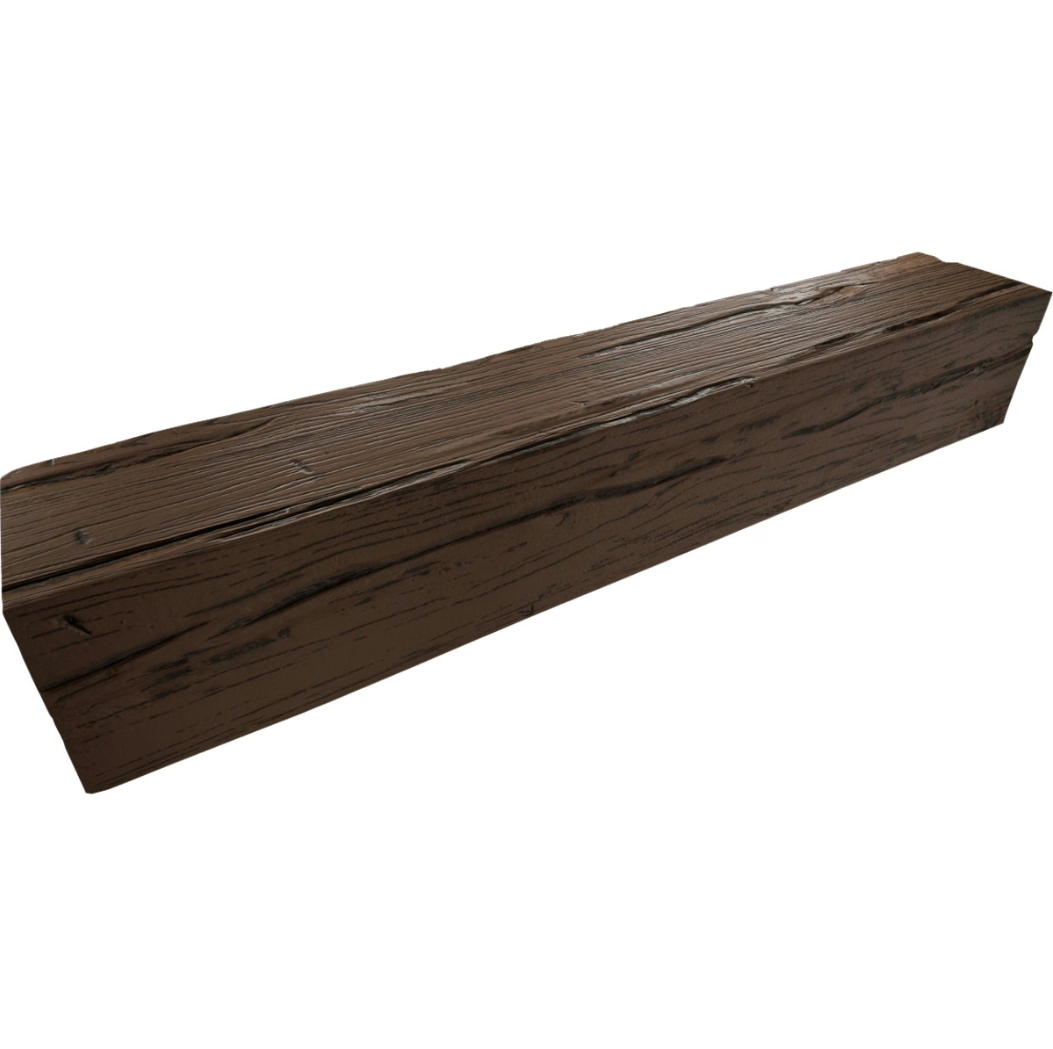
Contemporary homeowners increasingly treat garages as multi-use spaces that serve diverse activities. Workshop projects, fitness activities, social gatherings, and vehicle storage may all occupy the same garage at different times. Beam-enhanced ceiling treatment helps these spaces transition between uses while maintaining consistent character.
The industrial aesthetic that beams introduce proves versatile across garage activities. Woodworking projects, automotive work, fitness routines, and social events all feel appropriate under rustic industrial beams. This flexibility supports the diverse functionality that modern garages must provide.
The value proposition for garage beam installation has strengthened as these spaces have become more important to homeowners. Investment in garage character now recoups through increased property value, enhanced usability, and daily enjoyment of spaces that previously felt purely functional.
Technical References
ASTM standards cited in every specification
Test Data
Lab results from internal testing program
Updated 2026
Reviewed against current product specs