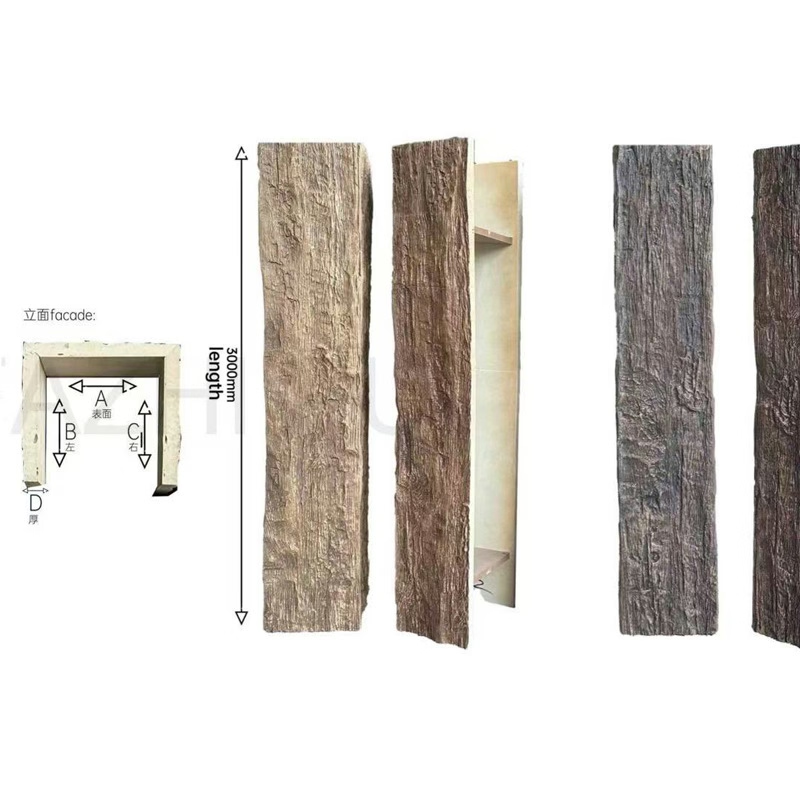
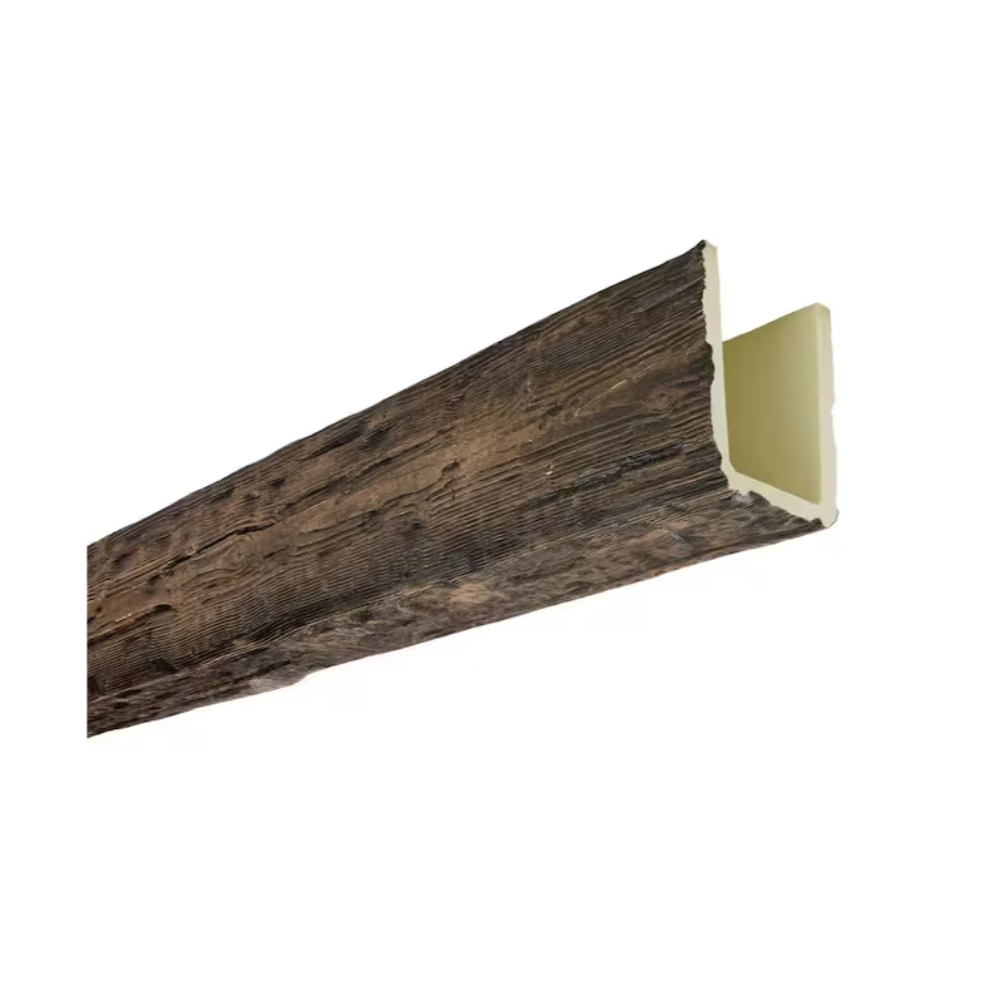
Modern loft design represents a sophisticated evolution of the warehouse conversion movement. Where early lofts celebrated raw industrial authenticity with minimal intervention, contemporary loft interiors demonstrate refined design sensibility applied to industrial bones. Understanding this evolution helps explain the specific role that ceiling beams play in these spaces.
The modern loft occupant values industrial heritage but lives contemporary life. They appreciate exposed structure and honest materials but also demand comfort, functionality, and aesthetic refinement. The design vocabulary that serves these needs must be industrial in reference while refined in execution.
Ceiling treatment in modern lofts must navigate this refined industrial territory carefully. Beams that are too rustic undermine the contemporary sensibility; beams that are too refined lose connection with industrial heritage. The balance requires understanding of both the aesthetic goals and the products available to achieve them.
Contemporary Industrial Aesthetics
Contemporary industrial design differs significantly from the raw industrial aesthetic that characterized early loft conversions. This evolution reflects broader design trends and changing occupant expectations.
Refinement within industrial vocabulary distinguishes contemporary approaches. Where earlier industrial interiors might leave structure deliberately raw, contemporary treatments often incorporate subtler industrial references. Clean lines, restrained ornament, and considered proportions temper industrial mass with contemporary refinement.
Material sophistication marks another evolution. Contemporary industrial interiors often combine industrial materials—steel, concrete, reclaimed timber—with refined materials like glass, polished stone, and quality textiles. The juxtaposition creates visual interest through material contrast rather than pure industrial accumulation.
Spatial organization in modern lofts often maintains open plans while creating implicit zones through furniture arrangement, area rugs, and ceiling treatment. Beams contribute to this spatial organization by defining ceiling zones without physical barriers.
Lighting design in contemporary lofts emphasizes layered illumination that serves function while creating atmosphere. Industrial fixtures—track systems, cage pendants, adjustable spots—complement ceiling beams while providing practical illumination.
Faux Beam Advantages in Modern Contexts
Modern loft applications benefit from faux beam characteristics that serve contemporary requirements. The practical advantages align well with modern expectations.
Consistency and quality control matter in projects where precise specification is essential. Unlike reclaimed timber, which varies significantly between pieces, quality faux beams offer controlled consistency in dimension, profile, and finish. This predictability supports the precise design execution that contemporary interiors demand.
Installation efficiency serves occupied urban spaces where extended construction disrupts daily life. Lightweight polyurethane beams install faster than timber alternatives, reducing the time that living spaces are disrupted. Single-day installations become possible where timber might require multi-day projects.
Maintenance simplicity fits contemporary lifestyle expectations. Modern loft residents often prefer environments that maintain themselves with minimal intervention. Polyurethane beams that require only occasional dusting—rather than periodic refinishing or sealing—support this low-maintenance expectation.
Environmental considerations influence some contemporary purchasing decisions. While polyurethane is a manufactured material, quality products can offer environmental benefits through extended service life and reduced maintenance resource consumption.
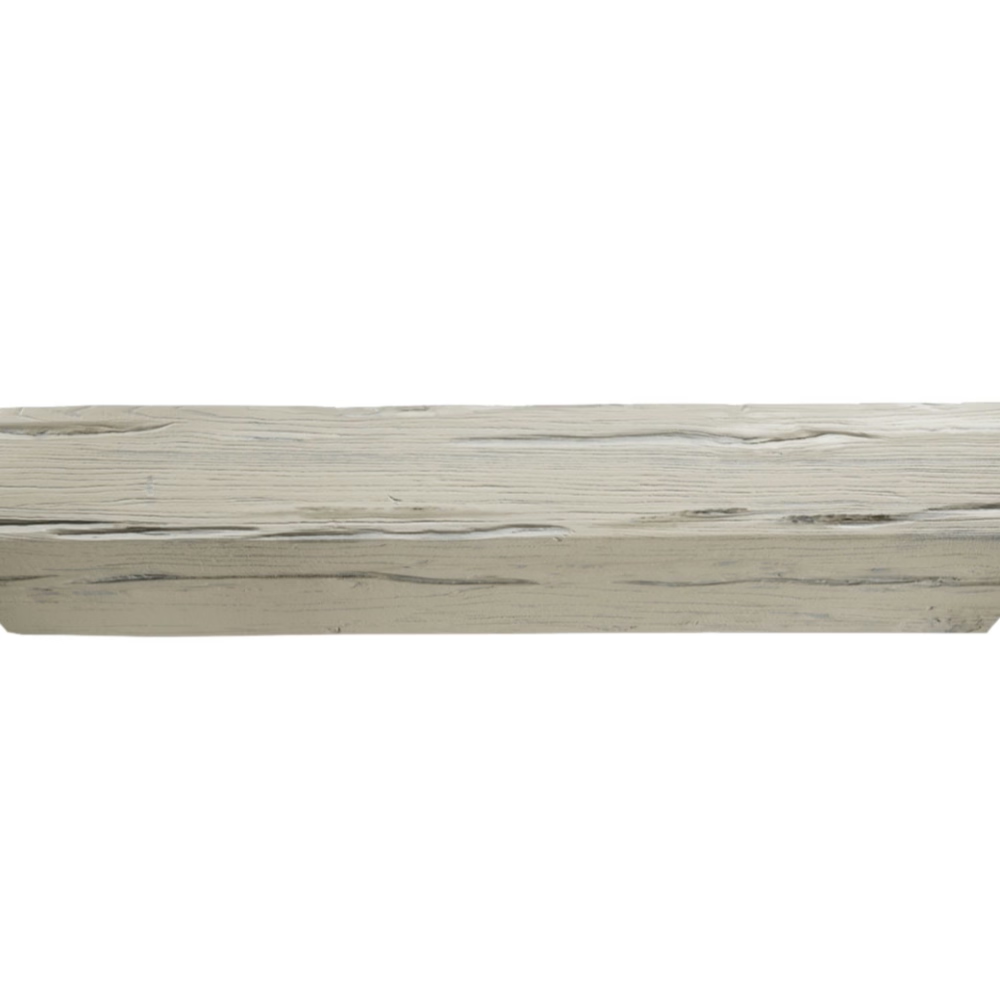
Design Integration in Modern Lofts
Modern loft beam installation requires integration with sophisticated contemporary interiors. Several strategies help achieve successful outcomes.
Furniture coordination ensures that beams complement rather than overwhelm contemporary furnishings. Modern furniture often features clean lines, restrained ornament, and material authenticity. Beams should share these qualities while providing textural contrast that enriches the interior composition.
Color harmony between beams and contemporary palettes requires careful attention. Modern interiors often feature neutral foundations—grays, whites, taupes—punctuated by strategic color accents. Beam colors should integrate with these palettes, either as warm neutral elements or as deliberate accent moments.
Lighting fixture selection for modern lofts should maintain contemporary refinement. Industrial-inspired fixtures work naturally with faux beams, but the fixtures themselves should demonstrate design quality. Mass-produced industrial fixtures can undermine sophisticated interiors; well-designed fixtures reinforce contemporary refinement.
Window treatment coordination affects how beams read in overall compositions. Contemporary windows—large, minimal frames—frame views and admit light that interacts with ceiling treatment. Beam positioning should consider how natural light will illuminate beam surfaces throughout the day.
The Modern Loft Lifestyle
Modern loft living involves specific patterns that design should accommodate. Understanding these patterns helps ensure that beam installation supports rather than complicates daily life.
Flexible living arrangements characterize modern urban residence. Spaces may serve multiple functions—sleeping, working, entertaining—within open plans. Ceiling beams can help organize these functions through spatial zoning that maintains openness while providing implicit structure.
Entertaining expectations in modern lofts often involve larger gatherings in spaces designed for visual impact. Beams contribute to this visual impact, creating ceiling treatment that photographs well and provides atmospheric backdrop for social occasions.
Work from home requirements increasingly influence residential design. Modern lofts often incorporate workspace areas that must feel professional while remaining part of residential composition. Beams contribute to workspace atmosphere, helping define zones that support focused productivity.
The urban amenities that attract residents to loft living—location, volume, character—create specific environmental challenges. Temperature control, acoustic management, and privacy require attention in spaces with exposed industrial characteristics. Beams contribute to acoustic management while their insulating properties add marginal thermal benefits.
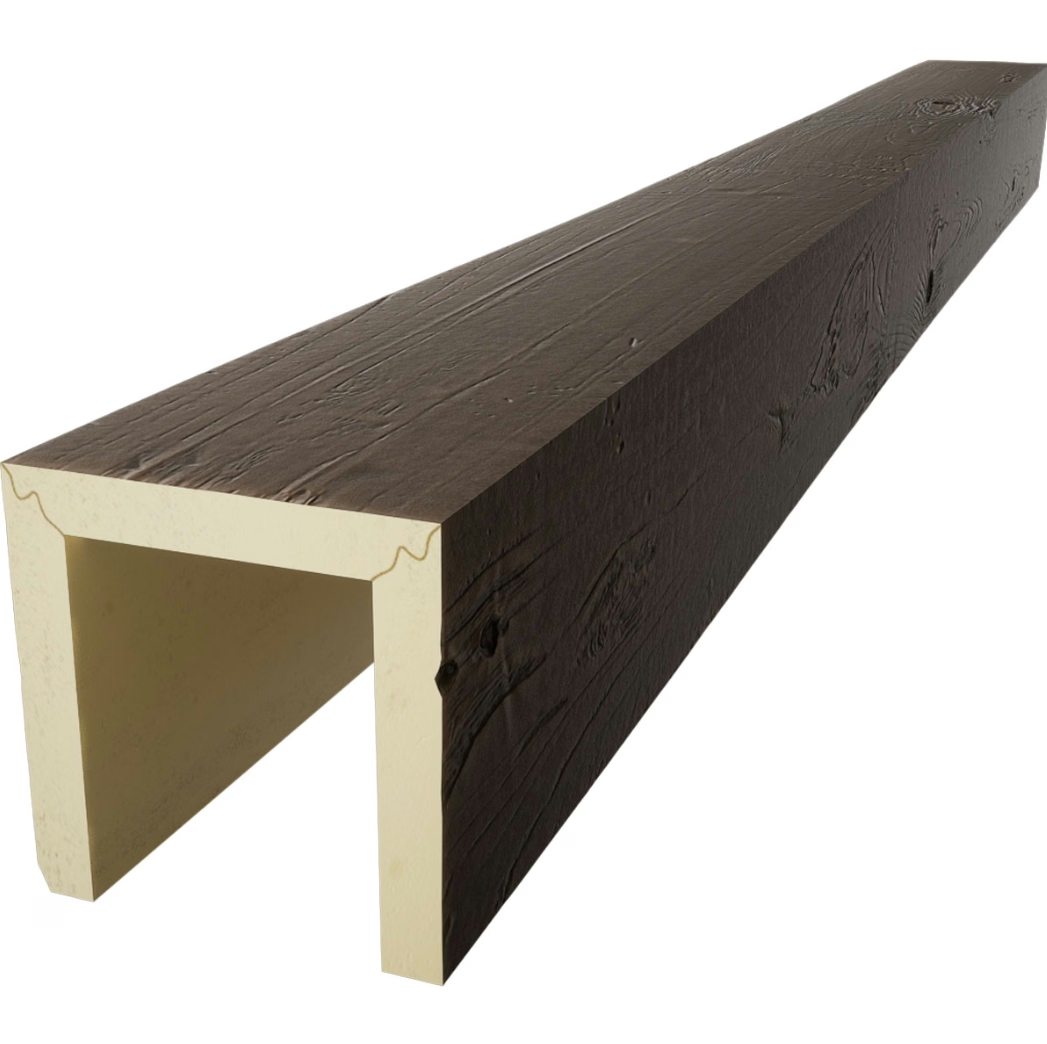
Long-Term Value in Modern Interiors
Quality beam installation in modern lofts represents investment in spaces that should appreciate over time. Several factors influence how this investment holds value.
Design timelessness ensures that installations remain current as aesthetic trends evolve. Contemporary industrial aesthetics have demonstrated longevity across multiple design trend cycles. Beams that contribute to this aesthetic vocabulary will remain appropriate as specific trend details change.
Construction quality affects long-term performance and appearance. Quality beams from established manufacturers maintain appearance and structural integrity across extended service. Cheap alternatives may save initial cost but often require replacement that exceeds initial savings.
Installation quality determines how well beams perform over time. Professional installation that addresses structural requirements, proper attachment, and coordinated fixture integration produces lasting results. DIY installations may save labor cost but often compromise long-term performance.
The continuing appeal of modern loft living suggests that quality investments in these spaces will retain value. As long as urban residents value the distinctive character that converted industrial spaces provide, ceiling treatment that enhances this character will remain desirable.
Technical References
ASTM standards cited in every specification
Test Data
Lab results from internal testing program
Updated 2026
Reviewed against current product specs